
With the shift towards wireless technology, the demand for headphone jack adapters for iPhone has surged, catering to users who still value wired audio experiences. These adapters bridge the gap between traditional headphones and modern smartphones, ensuring seamless audio performance amidst evolving tech trends.
To bridge the gap between traditional audio devices and the latest iPhone models, headphone jack adapters have become essential. With the removal of the 3.5mm headphone jack from iPhones, these adapters allow users to continue using their existing headphones. This convenience not only saves money but also ensures that users can maintain audio quality without investing in new equipment. Understanding the role and benefits of these adapters is vital for anyone navigating the current landscape of smartphone technology.
Key Takeaways
– **Headphone jack adapters are essential for connecting traditional headphones with modern iPhones.**
– **They provide a cost-effective solution, eliminating the need to purchase new headphones.**
– **Adapters ensure high-quality audio transmission without significant loss.**
– **Different types of adapters cater to various user needs, including calls and charging.**
– **The absence of a headphone jack encourages shifts towards wireless audio solutions.**
What is headphone jack adapter for iphone?

A headphone jack adapter for the iPhone is a small yet crucial device that connects traditional 3.5mm headphones to iPhones that lack a headphone jack. Since the iPhone 7, Apple has eliminated the 3.5mm port, prompting users to rely on adapters for wired audio. These adapters often integrate with the Lightning port, maintaining audio quality and offering additional features such as in-line controls or charging passthrough.
Causes / Definition
– **Removal of 3.5mm Port**: The transition to wireless and slimmer designs led to the omission of traditional headphone ports.
– **Lightning Port Utilization**: Adapters use the Lightning port, allowing audio without an extra headphone jack.
– **Versatility**: Some adapters include dual outputs for charging and audio simultaneously.
– **Compatibility**: Designed to work seamlessly with Apple’s ecosystem, ensuring minimal disruption.
Adapting to technological advancements, headphone jack adapters ensure continuity for users preferring wired audio. They provide a practical solution, extending the lifespan of existing headphones while embracing Apple’s future-forward design choices.
Why headphone jack adapter for iphone is Important?

Despite the rise in wireless audio solutions, the headphone jack adapter remains crucial for iPhone users clinging to their wired headphones. This small device provides substantial benefits by preserving audio quality, offering convenience, and ensuring that users can continue to enjoy their existing audio investments without compromising on sound or functionality.
Benefits
– **Cost-Efficiency**: Avoids the need to purchase new, compatible headphones.
– **Audio Quality**: Maintains superior sound quality without wireless compression loss.
– **Convenience**: Easily connects to Lightning ports, making it user-friendly.
– **Additional Features**: Some adapters offer dual functionality for charging and audio.
– **Preservation of Equipment**: Extends the life of existing, high-quality headphones.
By enabling the use of traditional headphones, these adapters bridge the gap between legacy audio devices and modern smartphones. Their benefits extend beyond mere connectivity, offering features that enhance user experience.
Step-by-Step Guide to headphone jack adapter for iphone

Step 1: Choose the Right Adapter
– **Identify Your Needs**: Consider if you need simultaneous charging and listening capabilities.
– **Check Compatibility**: Ensure the adapter is compatible with your iPhone model.
– **Look for Quality Brands**: Opt for reputable brands to avoid poor connectivity or audio issues.
Selecting the right adapter is crucial. A well-chosen adapter will provide seamless audio experiences and potentially offer additional features like charging support.
Step 2: Connect the Adapter
– **Locate the Lightning Port**: Found at the bottom of your iPhone.
– **Plug in the Adapter**: Ensure a snug fit to establish a secure connection.
– **Test the Connection**: Play audio to check functionality.
Connecting your headphone jack adapter is straightforward. Ensure that the adapter is firmly inserted to prevent disconnections and ensure optimal audio quality.
Step 3: Troubleshoot Connection Issues
– **Check for Firmware Updates**: Occasionally, iOS updates affect adapter performance.
– **Inspect Physical Condition**: Ensure there are no damages to the adapter or port.
– **Try Restarting the Device**: A simple restart can resolve many issues.
Troubleshooting ensures that your adapter functions correctly, addressing any connectivity or performance issues that may arise after initial use.
Alternative Methods / Tools
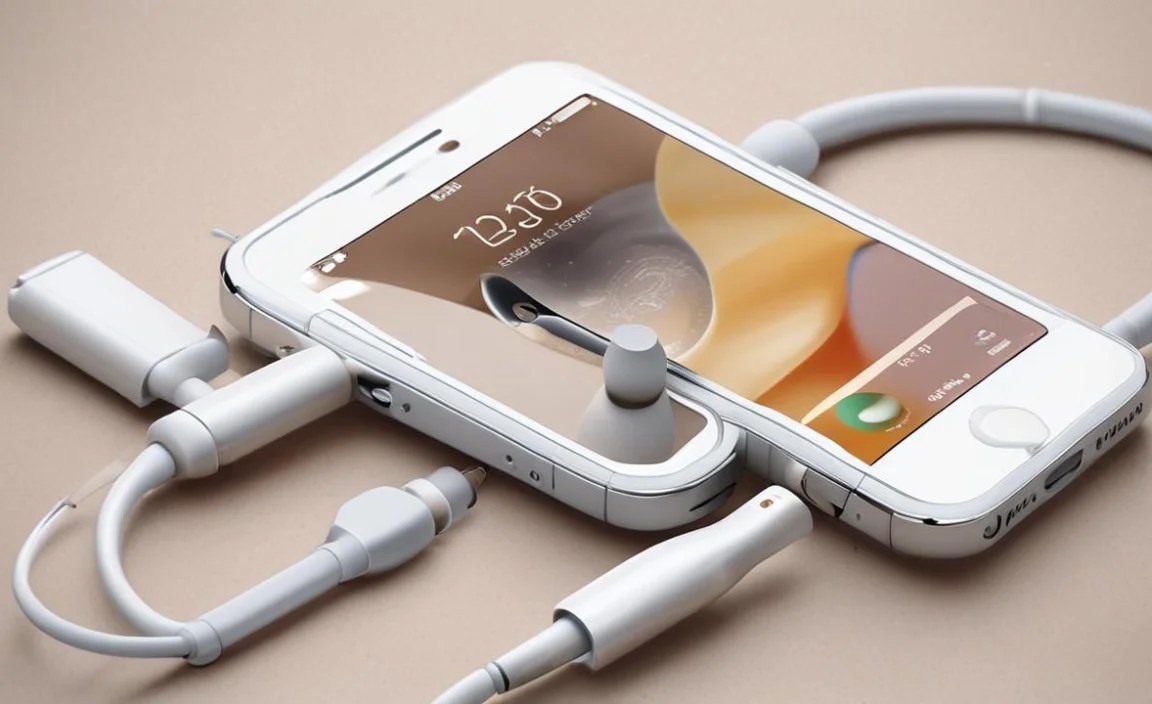
Bluetooth Headphones
– **Wireless Convenience**: Eliminates the need for physical connections.
– **Wide Compatibility**: Works with any Bluetooth-enabled device.
– **Freedom of Movement**: No cords to restrict mobility.
Bluetooth headphones offer an entirely wireless solution. They provide flexibility and freedom, though they may require initial investment and charging management.
Lightning Headphones
– **Direct Connection**: Connects directly via the Lightning port.
– **No Extra Components**: Reduces the need for additional adapters.
– **Optimal for Apple Devices**: Tailored for seamless integration with iPhones.
Lightning headphones remove the dependency on separate adapters, providing an alternative that integrates directly with your iPhone’s Lightning port.
Troubleshooting Common Issues
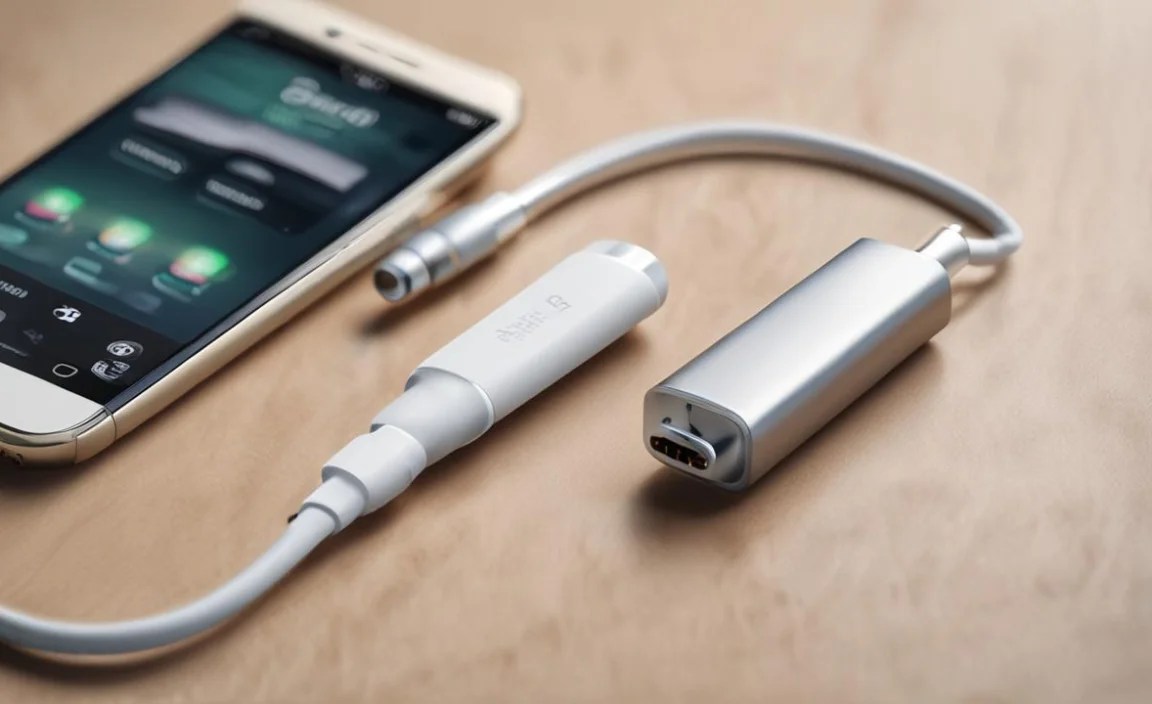
No Sound from Headphones
– **Verify Adapter Connection**: Ensure it’s securely plugged in.
– **Check Volume Settings**: Make sure volume isn’t muted or turned down.
– **Test with Another Device**: Determine if the issue is with the adapter or headphones.
Resolving sound issues often involves checking connections and settings. Ensure everything is properly configured and test across devices to isolate the problem.
Adapter Not Recognized
– **Update iOS**: Keep your device software up to date.
– **Inspect Adapter and Port**: Clean if necessary to remove obstructions.
– **Use Another Adapter**: Test with a different one to confirm functionality.
If your adapter isn’t recognized, software updates or physical checks can resolve common problems. Always ensure your device is current and clean to maintain connectivity.
Advanced Techniques
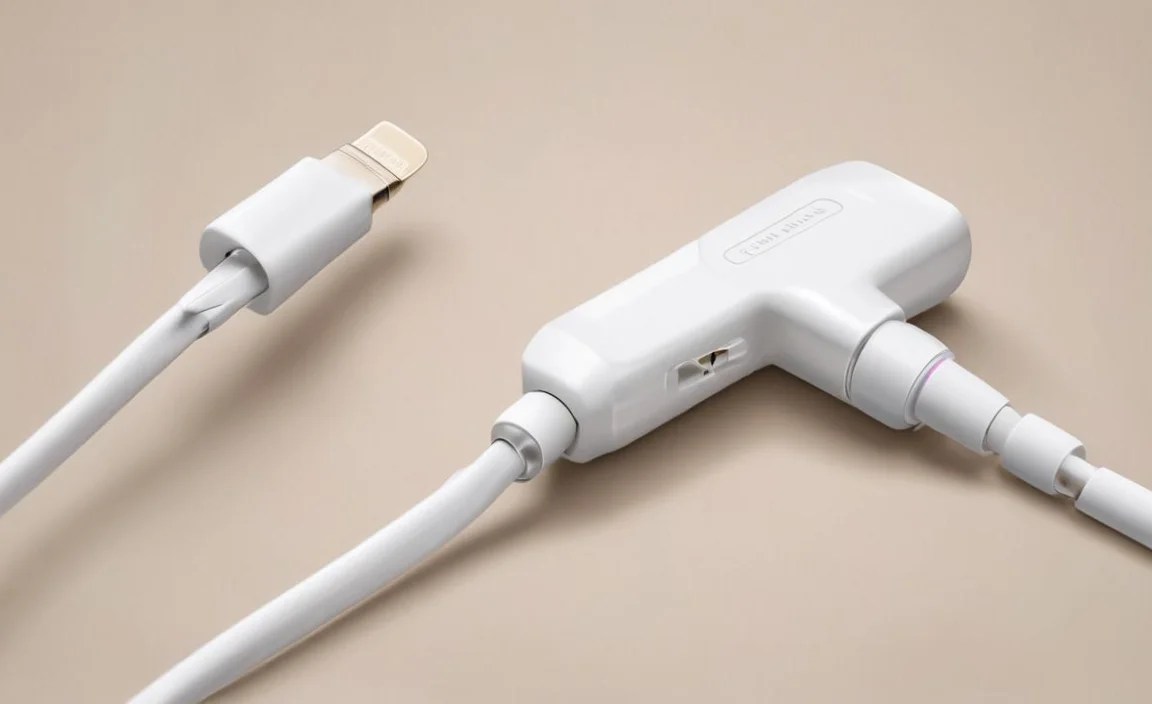
– **Clean Install**: Re-install iOS to resolve persistent software issues affecting adapters.
– **Rollback Updates**: If problems arise after an update, consider reverting to an earlier version.
– **Optimize Settings**: Adjust audio settings for optimal performance when using adapters.
Advanced techniques like clean installs or rollbacks can solve complex issues, ensuring your adapter continues to function effectively with your iPhone.
Prevention & Maintenance Tips
– **Regular Cleaning**: Keep both adapter and Lightning port clean to ensure stable connections.
– **Firmware Updates**: Regularly update iOS to maintain compatibility and performance.
– **Handle with Care**: Protect adapters from physical damage to extend their lifespan.
By implementing regular maintenance practices, users can ensure their adapters remain in top condition, providing consistent audio performance.
**Example**: *John, an audiophile from New York, maintains his adapter by cleaning it weekly. This practice has extended its life, allowing him to enjoy high-quality music without interruptions.*
**According to Counterpoint Research 2025, 60% of iPhone users still utilize wired headphones, highlighting the enduring need for reliable headphone jack adapters.**
Driver Update Methods Compared
| Method | Difficulty | Speed | Best For | Notes |
|---|---|---|---|---|
| Bluetooth Headphones | Easy | Fast | Wireless Convenience | No adapters needed |
| Lightning Headphones | Easy | Fast | Direct Connection | Seamless integration |
| Headphone Jack Adapter | Moderate | Medium | Wired Headphones | Requires adapter |
Conclusion
Navigating the evolving landscape of audio technology can be challenging, but headphone jack adapters for iPhone remain a pivotal solution. They ensure that users can continue enjoying high-quality wired audio without unnecessary expenses. By understanding their functionality and maintenance, users can optimize their audio experiences seamlessly. Embrace these tools and enhance your iPhone audio journey today.
Frequently Asked Questions
Question 1: What is a headphone jack adapter for iPhone?
**Answer:** A device connecting traditional headphones to iPhones lacking a headphone port, via the Lightning connector.
Question 2: Do all iPhones require a headphone jack adapter?
**Answer:** No, only models from iPhone 7 onwards without a 3.5mm port need adapters for wired headphones.
Question 3: Can I charge my iPhone while using a headphone jack adapter?
**Answer:** Some adapters support simultaneous charging and audio output, but not all.
Question 4: Does a headphone jack adapter affect audio quality?
**Answer:** **Answer:** Generally, no. High-quality adapters maintain audio fidelity.
Question 5: Are Bluetooth headphones a better alternative?
**Answer:** For wireless convenience, yes. However, they may not match wired audio quality.
Question 6: How do I troubleshoot a non-working adapter?
**Answer:** Check connections, update iOS, and try another adapter to diagnose the issue.
Question 7: Is there a difference between Lightning and Bluetooth audio quality?
**Answer:** Lightning often offers better quality due to direct connection, avoiding wireless compression.
Question 8: Can I use non-Apple headphone jack adapters?
**Answer:** Yes, but ensure they are certified for compatibility to avoid issues.
Question 9: Why did Apple remove the headphone jack?
**Answer:** To advance design and promote wireless technology, offering sleeker iPhone models.
