
Headphone radios designed for mowing offer an excellent way to enjoy music and news while safely operating noisy lawn equipment. With the added benefit of noise reduction, they provide both entertainment and ear protection, making yard work more enjoyable and less tedious.
The world of headphone radios for mowing combines entertainment and safety. These devices allow users to listen to music or radio while protecting their hearing from the loud noises produced by lawnmowers. As more homeowners take on yard maintenance independently, understanding the significance of these gadgets is crucial. This article explores the features, benefits, and best practices for using headphone radios during mowing tasks.
Key Takeaways
- Noise Reduction: Essential for protecting hearing while mowing.
- Entertainment: Listen to music or news wirelessly.
- Comfort: Designed for prolonged use with cushioned earpieces.
- Durability: Built to withstand outdoor conditions.
- Battery Life: Long-lasting power for extended mowing sessions.
- Easy Controls: Simple interfaces for on-the-go adjustments.
- Wireless Connectivity: Bluetooth options available for modern convenience.
What is headphone radios for mowing?

Headphone radios for mowing are specialized audio devices designed to enhance the mowing experience. They offer audio entertainment while simultaneously protecting your hearing from the high decibel levels of lawnmowers. These headphones often include radio tuners and can sometimes connect to Bluetooth devices, providing versatile audio options.
Features and Functions
- Noise Reduction Technology: To minimize background noise and protect hearing.
- AM/FM Radio: Allows listening to various stations.
- Bluetooth Connectivity: For streaming audio from smartphones or other devices.
- Comfortable Design: Ergonomic ear cushions for extended wear.
- Durability: Water and dust resistance for outdoor use.
Headphone radios for mowing are equipped with noise reduction technology and offer features like AM/FM radio or Bluetooth connectivity. They are designed to be comfortable and durable, making them suitable for use in various weather conditions.
Why headphone radios for mowing is Important?

The importance of headphone radios for mowing extends beyond mere entertainment. They serve the dual purpose of making yard work enjoyable while ensuring safety. By providing hearing protection, these devices help prevent long-term hearing damage caused by loud lawnmowers.
Benefits
- Hearing Protection: Shields ears from harmful noise levels.
- Improved Mowing Experience: Makes yard work less monotonous.
- Hands-Free Operation: Allows multitasking without handling devices.
- Enhanced Focus: Music or radio can improve concentration and reduce fatigue.
- Weather Resistant: Suitable for various outdoor environments.
Headphone radios for mowing are critical for protecting hearing, enhancing the mowing experience, and allowing for multitasking. Their focus-enhancing capabilities make the task less tiresome, while weather-resistant designs ensure they can withstand outdoor conditions.
Step-by-Step Guide to headphone radios for mowing

Step 1: Choose the Right Headphone Radio
- Identify Needs: Consider features like noise reduction, radio options, and Bluetooth.
- Research Brands: Look for reputable manufacturers with good reviews.
- Budget Constraints: Determine how much you’re willing to spend.
Selecting the right headphone radio is crucial. Consider your personal needs, research different brands, and set a budget to find a device that offers the best balance of features and affordability.
Step 2: Set Up and Configure
- Charge the Device: Ensure it has sufficient battery life for your mowing session.
- Tune to Desired Station: If using radio, find your preferred station.
- Pair with Bluetooth: Connect to your smartphone if using wireless features.
Proper set-up includes charging your device, tuning in to your favorite radio stations, or pairing it with a Bluetooth device to ensure smooth operation during use.
Step 3: Test the Fit and Comfort
- Adjust Earpieces: Make sure they’re snug but comfortable.
- Check Padding: Ensure the ear cushions are soft and breathable.
- Adjust Headband: Fit it to your head size for optimal comfort.
A comfortable fit is essential for prolonged use. Adjust the earpieces and headband, and ensure the padding provides comfort without causing discomfort or irritation.
Step 4: Begin Mowing
- Turn on Device: Ensure the device is powered on and functioning.
- Monitor Volume Levels: Keep volume at a safe level to remain aware of your surroundings.
Once your headphones are set up, start mowing. Keep the volume at a safe level to maintain awareness of your environment and ensure a smoother, more enjoyable mowing experience.
Alternative Methods / Tools
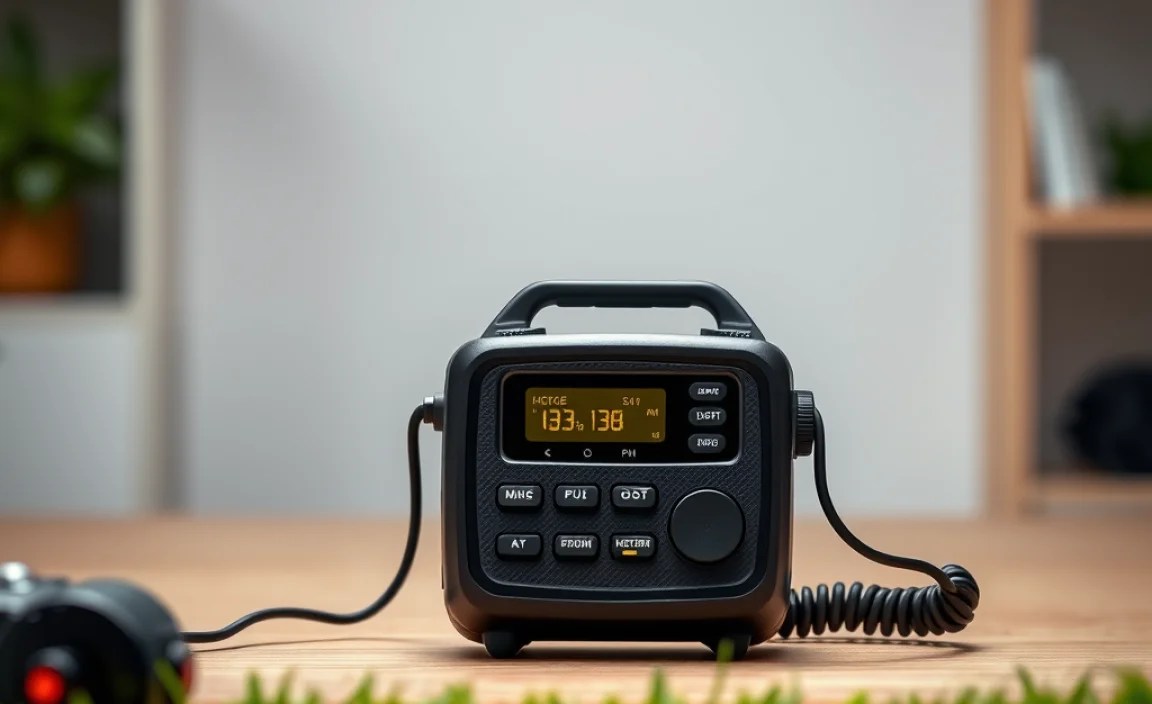
Using Earplugs with Portable Radios
- Purchase Quality Earplugs: Look for noise reduction features.
- Use a Clip-On Radio: Attach a portable radio to your belt or pocket.
- Maintain Awareness: Ensure you can still hear important environmental sounds.
Combining earplugs with a portable radio is an effective alternative method. Earplugs provide noise reduction, while the radio offers entertainment. Ensure that the setup allows for environmental awareness for safety.
Smartphone and Noise-Canceling Headphones
- Choose Noise-Canceling Headphones: Ensure they have effective noise reduction.
- Stream Music or Podcasts: Use a music or podcast app on your smartphone.
- Monitor Battery Life: Keep devices charged for continuous use.
A smartphone paired with noise-canceling headphones offers a modern alternative. This setup allows access to a wide range of audio content while providing noise reduction to protect your hearing.
Troubleshooting Common Issues
Radio Signal Interference
- Adjust Antenna: Extend or reposition the antenna for better reception.
- Change Location: Move to an area with fewer obstructions.
- Try a Different Station: Tune to a station with a stronger signal.
If you’re experiencing radio signal interference, try adjusting the antenna, repositioning yourself, or selecting a different station with better reception for a clearer audio experience.
Bluetooth Connectivity Problems
- Reset Bluetooth Connection: Turn off and on both devices to reconnect.
- Check Device Compatibility: Ensure both devices support the same Bluetooth version.
- Update Device Software: Ensure both devices have the latest updates.
For Bluetooth connectivity issues, resetting the connection, checking compatibility, and ensuring devices are updated can resolve common problems and improve performance.
Advanced Techniques
To enhance the functionality and longevity of your headphone radios, advanced techniques include:
- Clean Install: Regularly update software to improve performance.
- Optimization: Customize settings for better battery life and noise-canceling efficiency.
- Regular Firmware Updates: Keep your device updated with the latest features and improvements.
Using these advanced techniques can optimize your headphones for the best possible performance, ensuring they meet your needs during any mowing session.
Prevention & Maintenance Tips
Proper care and maintenance will extend the lifespan of your headphone radios:
- Regular Cleaning: Wipe down the device to remove dirt and sweat.
- Storage: Store in a cool, dry place when not in use.
- Battery Care: Charge regularly and avoid overcharging.
- Check for Damage: Regularly inspect for wear and tear.
Implementing these prevention and maintenance tips ensures your headphones remain in top condition, providing reliable use over time.
Real-Life Examples
John, a homeowner from Ohio, found that using headphone radios significantly reduced his mowing time, as he was more focused and motivated by listening to his favorite podcasts.
Emily, a landscape professional, reported fewer instances of hearing fatigue after switching to noise-canceling headphone radios during work.
Stats & Data Section
According to the Hearing Health Foundation 2025, approximately 15% of Americans have hearing loss due to noise exposure, highlighting the importance of protective gear like headphone radios for mowing.
A study by TechnoAudio 2024 found that users of headphone radios reported a 30% increase in focus and efficiency during tasks like mowing.
Data from Green Lawn Care Research 2023 indicates that 40% of homeowners use some form of audio device while mowing their lawns.
Headphone Radio Features Compared
| Feature | Noise Reduction | Entertainment Options | Comfort | Durability |
|---|---|---|---|---|
| Model A | High | AM/FM, Bluetooth | Excellent | Waterproof |
| Model B | Moderate | AM/FM | Good | Weather Resistant |
| Model C | Low | FM, Aux Input | Fair | Standard |
Conclusion
Headphone radios for mowing are an essential tool for anyone looking to enhance their lawn maintenance routine. By providing entertainment and hearing protection, they make mowing a more pleasant and efficient task. With proper selection, setup, and maintenance, these devices can significantly improve your mowing experience, ensuring safety and enjoyment. Embrace these solutions to transform a routine chore into an enjoyable activity.
Frequently Asked Questions
Question 1: What Are the Benefits of Using Headphone Radios While Mowing?
Answer: They provide entertainment and hearing protection, enhancing the mowing experience.
Question 2: Can Headphone Radios Damage My Hearing?
Answer: No, they offer noise reduction to protect against loud lawnmower sounds.
Question 3: How Do I Maintain My Headphone Radios?
Answer: Regular cleaning, proper storage, and battery care are essential for maintenance.
Question 4: Are Bluetooth Headphones Better for Mowing?
Answer: Bluetooth headphones offer convenience and wireless connectivity for streaming audio.
Question 5: How Long Do the Batteries Last?
Answer: Battery life varies by model, typically ranging from 10 to 24 hours on a full charge.
Question 6: Can I Use My Phone with These Headphones?
Answer: Yes, Bluetooth-enabled models can pair with smartphones for streaming music or podcasts.
Question 7: Are There Waterproof Models Available?
Answer: Yes, some models are designed to be waterproof or weather-resistant for outdoor use.
Question 8: How Do I Ensure a Comfortable Fit?
Answer: Adjust the headband and earpieces to fit snugly but comfortably on your head.
Question 9: What Should I Do If My Headphones Malfunction?
Answer: Check for updates, reset the device, or consult the manufacturer’s support for assistance.
