
Have you ever listened to your favorite song and wished it sounded clearer? Most people love to enjoy music with good sound quality. But did you know that the way you control the volume can change your listening experience? Finding the right balance is key.
Imagine sitting at home, putting on your headphones, and losing yourself in the music. But then, you notice something off. The sound is either too loud or too soft. This is a common issue. Many people face it, but few know how to fix it.
In this article, we’ll share essential tips to improve headphone sound quality. We’ll also explore different volume control options to enhance your experience. By the end, you’ll be ready for a sound journey that will blow your mind!
Did you know that using the right settings on your device can bring music to life? You’ll discover how small changes can make a huge difference. So, let’s dive in and unlock the amazing sound potential of your headphones!
Headphone Sound Quality Tips and Volume Control Options

Why does sound quality matter? Good headphones can change your listening experience. Start by adjusting the volume carefully. Too loud can hurt your ears, while too soft may hide details in your music.
Consider trying different settings and equalizer options on your device. You might discover new sounds! Lastly, keep your headphones clean. Dirty earbuds can mess with sound clarity. Enjoy clearer tunes with these simple tips!
Understanding Sound Quality in Headphones

Explanation of key factors that determine headphone sound quality. Importance of frequency response and soundstage in audio performance.
Many things shape how headphones sound. Drivers, the tiny speakers inside, play a big role. Different forces let you hear deep bass or crisp highs. Frequency response shows how well headphones handle different sounds. A wide range means better music quality. Soundstage helps you feel where sounds come from, making music richer and more lifelike. Good headphones mix these elements well, creating a fun listening experience!
What is frequency response in headphones?
Frequency response is the range of sounds headphones can play. Think of it as the musical rainbow, from low bass to high treble. A wider range means you hear every note clearly.
Key Factors for Sound Quality:
- Driver Size
- Frequency Response
- Soundstage
Types of Headphones and Their Impact on Sound Quality

Comparison of different headphone
types (overear, onear, inear). How design affects sound quality and user experience.
Headphones come in three main types: over-ear, on-ear, and in-ear. Each type shapes how sound reaches your ears. Over-ear headphones create a cozy sound bubble, blocking outside noise. On-ear ones sit on your ears, offering a balance of comfort and sound. In-ear headphones sneak right into your ear canals, making them portable and good at sealing off noise.
| Type | Sound Quality | Comfort Level |
|---|---|---|
| Over-Ear | Excellent | High |
| On-Ear | Good | Medium |
| In-Ear | Very Good | Variable |
The design impacts sound quality and how pleasant they feel. Keep in mind, the bigger the drivers, the better the sound. It’s like comparing a sports car to a bicycle—both ride well, but one will definitely have a *louder roar!* So, choose wisely and enjoy the music!
Equalization Techniques for Improved Sound Quality
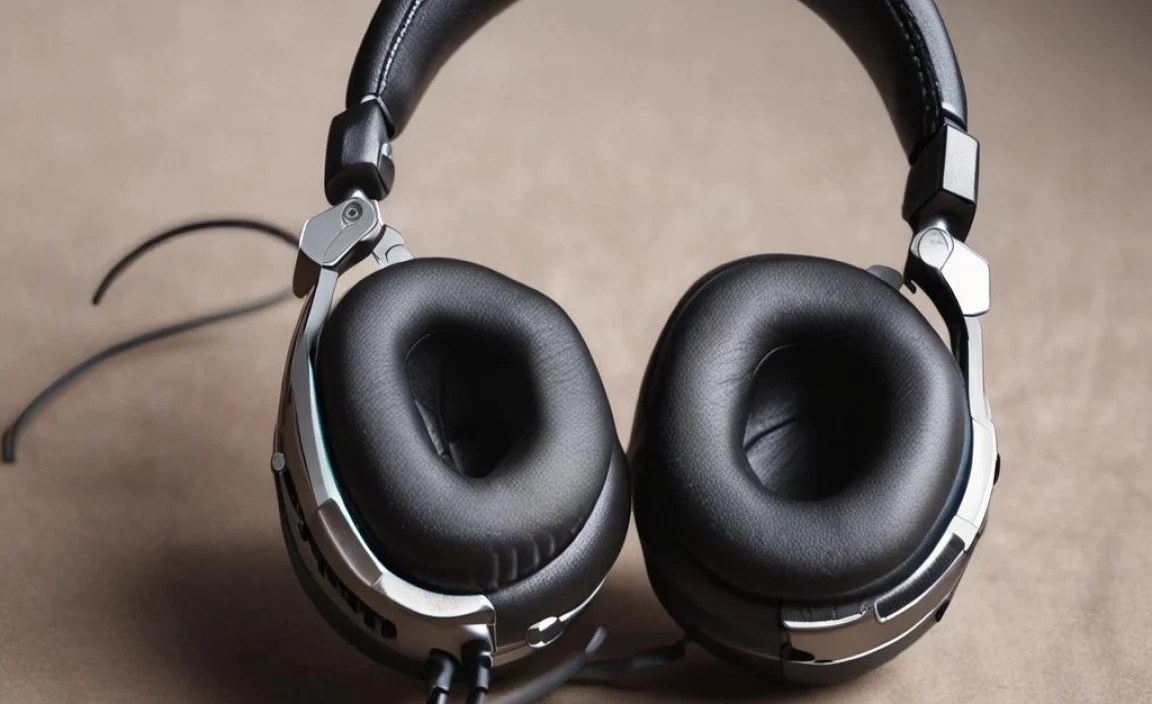
How to use EQ settings on devices to enhance audio output. Recommended EQ presets for different music genres.
To make your tunes sound better, play around with EQ settings on your device. It’s like giving your music a little makeover! For example, if you love rock, boost those mid frequencies to feel the guitars. Fans of hip-hop should crank up the bass for some heart-thumping beats. Check out the table below for a quick guide on EQ presets:
| Music Genre | Recommended EQ Settings |
|---|---|
| Pop | Boost highs for sparkle! |
| Classic | Clear mids for lovely vocals. |
| Jazz | Balanced settings for smooth sounds. |
Adjusting these settings can turn your listening experience from “meh” to “wow!” Who knew sound could be so fun?
Importance of Source Quality on Headphone Sound

How audio sources (streaming vs. local files) affect sound quality. Recommendations for highquality audio formats and devices.
The quality of sound from your headphones depends a lot on where the sound comes from. Streaming services often compress audio, making it less clear. In contrast, local files, especially in high-quality formats, keep more details. If you want to enjoy music like a chef savoring a gourmet dish, stick to formats like FLAC or WAV. They deliver crisp sound, unlike that old mystery meat in your fridge!
| Audio Source | Quality Level |
|---|---|
| Streaming (e.g., Spotify) | Medium |
| Local Files (e.g., FLAC) | High |
For a great experience, use good devices. Pair your quality audio files with headphones that bring out the best sound. Remember, bad sources can make even the best headphones sound like a broken record!
Tips for Maintaining and Optimizing Headphone Performance
Best practices for storing and caring for headphones. Routine maintenance and troubleshooting common sound issues.
To keep your headphones in top shape, store them safely. Avoid tangles by using a case or wrapping them neatly. Don’t toss them in the bottom of your backpack like a rogue potato! Regularly check the cables for wear and tear. If sound dips, clean the ear pads gently using a soft cloth. This can fix many sound issues. If they start acting like a picky cat and won’t connect, a quick restart often does the trick!
| Tip | What to Do |
|---|---|
| Store Properly | Use a case or wrap them up. |
| Check Cables | Look for frays or kinks. |
| Clean Wisely | Wipe ear pads with a soft cloth. |
| Restart | Try rebooting if connection fails. |
Upgrading Your Headphones: When and Why?
Signs that it may be time to invest in new headphones. Key features to look for in highquality headphones for better sound.
Ever feel like your favorite tunes sound like they’re underwater? That’s a sign your headphones might be getting old! If the bass sounds weak or the sound is tinny, it’s time for an upgrade. High-quality headphones can make a big difference. Look for options with noise cancellation and good frequency response. These features can give you crisp, clear sound. Remember, great music deserves great headphones!
| Sign You Need New Headphones | High-Quality Feature |
|---|---|
| Poor sound quality | Noise cancellation |
| Comfort issues | Adjustable ear cups |
| Regular wear and tear | Durable materials |
Community Recommendations and Reviews
Importance of checking user reviews for sound quality insights. How to find reliable sources for headphone recommendations and comparisons.
User reviews can be goldmines for headphone secrets! They often share real-life experiences about sound quality that you won’t get from shiny ads. Plus, you can find out if those trendy headphones are comfortable or just fancy-looking paperweights. For trustworthy advice, stick to dedicated tech websites and forums. They’re like wise old owls of the headphone world. Here’s a quick table to help you spot the good sources:
| Source Type | Reliability Level | Notes |
|---|---|---|
| Tech Websites | High | Expert reviews and comparisons. |
| User Forums | Medium | Real user opinions; watch for trends. |
| Social Media | Variable | Fun, but check for facts! |
Remember, finding top-notch headphones shouldn’t feel like a treasure hunt! A little trust in the community can lead you to sound heaven.
Conclusion
To improve your headphone sound quality, pay attention to volume control options. Keep the volume at a safe level to protect your ears. Experiment with equalizer settings to find what sounds best for you. Try different music genres to see how they compare. For more tips, explore articles on audio settings and headphone care. Enjoy your listening experience!
FAQs
Sure! Here Are Five Related Questions On The Topic Of Headphone Sound Quality And Volume Control Options:
Choose headphones with good sound quality. This means you will hear music clearly. Look for volume control features. These let you change the sound level easily. Good headphones make listening fun!
Sure! Please provide the question you would like me to answer.
What Are The Best Practices For Adjusting Headphone Volume To Maintain Sound Quality Without Risking Damage To My Hearing?
To keep your ears safe while enjoying music, start with a lower volume. You can always turn it up a little if you want more sound. Try to keep the volume at around 60% of the max. If you can hear people talking around you, it’s too loud. Take breaks from wearing headphones to give your ears a rest!
How Does An Audio Source’S Output Level Affect The Performance Of Different Headphone Types (E.G., Open-Back Vs. Closed-Back)?
The output level is how loud the sound coming from a device is. If it is too low, open-back headphones might sound weak and empty. Closed-back headphones can still be okay, but they need a good output level to sound their best. When the sound is just right, both types of headphones can make music and voices clear. So, it’s important to have a good output level for the best experience!
What Are The Potential Effects Of Using A Headphone Amplifier On Sound Quality And Volume Control?
Using a headphone amplifier can make your music sound clearer and richer. It helps you hear all the details better. You can also control the volume more easily and achieve louder sounds without distortion. This means you can enjoy your favorite songs the way they are meant to be heard!
Are There Specific Equalizer Settings That Can Enhance The Sound Quality Of Headphones While Preserving Balance And Clarity At Various Volume Levels?
Yes, we can use equalizer settings to make headphone sound better. Boost the bass a little for deep sounds. Then, raise the mid-range for clear voices. Finally, slightly increase the treble for bright sounds. These changes help keep everything balanced and clear, no matter the volume.
How Can I Tell If My Headphones Are Performing Optimally In Terms Of Sound Quality And Volume Control, And What Signs Should I Look For If They Are Not?
To see if your headphones sound good, listen for clear music and voices. If sounds are fuzzy or muddy, they might not be working well. Adjust the volume to make sure it gets loud enough without breaking up. If you hear crackling or if one side is quieter, your headphones might need fixing. Clean your headphones and check the cords for any damage if you notice problems.
