
Quick Summary: A headphone stand for multiple headphones keeps your audio gear tidy, prevents damage, and showcases your collection. This guide helps beginners choose and use the right stand for essential organization and a clutter-free listening space.
Headphone Stand for Multiple Headphones: Essential Organization
Hey there, fellow audio explorers! Edward Cavitt here from headphonehorizon. If you’ve found yourself accumulating a few pairs of fantastic headphones – maybe a noise-canceling pair for your commute, a studio monitor set for critical listening, and a casual pair for chilling at home – you know the struggle. They can start taking over your desk, your nightstand, or even the arms of your sofa! This is where a headphone stand for multiple headphones becomes less of a luxury and more of a necessity. It’s not just about looking neat; it’s about protecting your investment and ensuring your favorite audio companions are always within easy reach and in pristine condition. Let’s dive into how the right stand can seriously level up your headphone game!
Why You Need a Headphone Stand for Multiple Headphones

It might seem like a simple accessory, but a dedicated stand for your headphones offers a surprising number of benefits, especially when you have more than one pair. Let’s break down why this is essential for any serious or even casual listener who values their gear.
Protection Against Damage
Headphones, particularly over-ear models with delicate drivers and headband padding, can be susceptible to damage when left lying around. Cables can get tangled, drivers can be crushed if something heavy is placed on them, and earcups can get scratched. A headphone stand provides a designated, safe spot, preventing these accidental mishaps. The headband is also kept in its natural shape, avoiding unnecessary stress that can lead to wear and tear over time.
Organization and Decluttering
Let’s be honest, a desk or shelf cluttered with various headphones and their tangled wires isn’t exactly inspiring. A multi-headphone stand elegantly corrals them, creating a clean, organized look. This makes it easier to find the exact pair you need for a specific task or mood without rummaging through drawers or untangling a mess.
Showcasing Your Collection
For many of us, headphones are more than just tools; they’re a passion. If you’ve invested in some beautiful or high-performance models, why not display them proudly? A well-designed headphone stand can turn your collection into a stylish display piece, adding a touch of sophistication to your space. It’s like a mini-gallery for your ears!
Cable Management
Tangled cables are a universal annoyance. Many headphone stands come with built-in cable management features, like hooks or grooves, to keep your wires neatly wrapped and out of the way. This not only looks tidier but also prevents cable kinks and damage, extending their lifespan.
Preserving Headphone Shape and Comfort
Over time, if headphones are habitually placed in a way that puts pressure on their earcups or headband, they can lose their shape. This can affect comfort and even sound quality. A stand allows the headphones to rest naturally, preserving their structural integrity and ensuring a comfortable fit every time you put them on.
Types of Headphone Stands for Multiple Headphones

When you’re looking for a headphone stand that can handle more than one set of cans, you’ll find a variety of designs catering to different needs and aesthetics. Understanding these types will help you pick the perfect one.
Desk/Tabletop Stands
These are the most common. They sit on your desk, shelf, or bedside table and typically have multiple hooks or arms to hold headphones. They come in various materials like wood, metal, and acrylic, and in designs ranging from minimalist to elaborate.
Wall-Mounted Stands
If desk space is at a premium, a wall-mounted stand is a fantastic solution. These can be simple hooks or more elaborate shelves designed to hold several headphones securely. They keep your desk clear and offer a clean, integrated look, especially in smaller rooms.
Under-Desk Mounts
Similar to wall mounts, these are often small, U-shaped brackets that screw into the underside of a desk or shelf. They’re discreet and keep your headphones out of sight but readily accessible. They’re great for keeping surfaces completely clear.
Headphone Trees/Carousels
These are often rotating stands designed to hold numerous headphones efficiently. They are particularly useful if you have a large collection and want to see all your options at a glance. They usually have multiple arms or tiers extending from a central pole.
Integrated Stands (e.g., with wireless charging)
Some more advanced stands combine headphone storage with other functionalities. For example, you might find stands with built-in wireless charging pads for your phone or earbuds, or even additional USB ports for charging other devices. These are excellent for consolidating your tech accessories.
Choosing the Right Headphone Stand: Key Features to Consider

Now that you know the types, let’s get into the nitty-gritty of what makes a headphone stand a great choice for holding multiple headphones. Think of these as your checklist for making a smart purchase.
Capacity and Size
This is the most obvious factor. How many headphones do you plan to store? Do you have larger, over-ear models or smaller on-ear or earbuds? Make sure the stand can comfortably accommodate the size and number of your headphones without them being cramped or touching each other excessively. Measure your headphones and compare them to the stand’s dimensions if possible.
Material and Durability
Headphone stands come in various materials, each with its own pros and cons:
- Metal (Aluminum, Steel): Often very sturdy and durable, providing a premium feel. Can be heavier, offering great stability.
- Wood (Bamboo, Walnut, etc.): Offers a natural, aesthetic appeal and can be quite robust. Excellent for blending into home decor.
- Acrylic/Plastic: Typically lightweight and can be very affordable. May not offer the same level of durability or premium look as metal or wood.
- ABS Plastic: A common, durable plastic that balances cost and resilience.
Consider the weight capacity and overall build quality. You want something that feels stable and won’t easily tip over, especially if you have heavier headphones.
Design and Aesthetics
Your headphone stand will likely be visible, so its design matters. Does it match your desk setup or room decor? Whether you prefer a modern, minimalist look, a classic wooden aesthetic, or something more industrial, there are options to suit every taste. Some stands also feature padding on the arms to protect your headphone’s headband.
Stability and Base
A wobbly stand is the enemy of your headphones. Look for a stand with a wide, sturdy base or a secure mounting mechanism (for wall or under-desk options). Non-slip feet are a great feature for tabletop stands, preventing them from sliding on smooth surfaces.
Cable Management Features
As mentioned earlier, integrated cable management can be a lifesaver. Look for stands with built-in hooks, clips, or channels designed to keep your headphone cables neatly organized and out of the way. This prevents tangles and potential damage.
Ease of Assembly
Most headphone stands are designed for easy assembly, but it’s worth checking if it requires tools or extensive setup. For under-desk or wall mounts, ensure you have the necessary tools and can securely attach them, perhaps consulting guides on proper installation if needed, like those found on home improvement sites such as The Family Handyman for general mounting principles.
Portability (if applicable)
If you plan to move your stand around, perhaps between home and office, consider its weight and how easily it can be disassembled or transported.
Standout Headphone Stand for Multiple Headphones: A Comparative Look

To give you a better idea of what’s out there, here’s a look at some popular styles and what makes them great for organizing multiple headphones.
| Stand Type | Pros | Cons | Best For |
|---|---|---|---|
| Dual-Arm Tabletop Stand | Good for 2-4 headphones, stable, keeps them separated, various materials. | Takes up desk space, capacity limited. | Desk users with 2-3 headphones, good balance of accessibility and organization. |
| Headphone Tree/Carousel | High capacity (4+ headphones), space-efficient vertically, easy to see all options. | Can be tall, might require more surface area at the base. | Collectors with many headphones, those who want a central display. |
| Wall-Mounted Rack | Saves desk space, clean look, secure mounting. | Requires installation, headphones are visible (which can also be a pro). | Minimalist setups, small spaces, users who want surfaces cleared. |
| Under-Desk Mount | Completely hidden, maximizes surface space, very discreet. | Requires drilling, headphones are less accessible if you don’t have adjustable legs or easy reach. | Users prioritizing a minimalist, clutter-free desk appearance. |
| Composite Stand (e.g., with charging) | Multi-functional, consolidates devices, modern tech integration. | Can be more expensive, may require power source, specific compatibility. | Tech-savvy users looking to streamline their charging and storage. |
Step-by-Step Guide: Setting Up and Using Your Headphone Stand
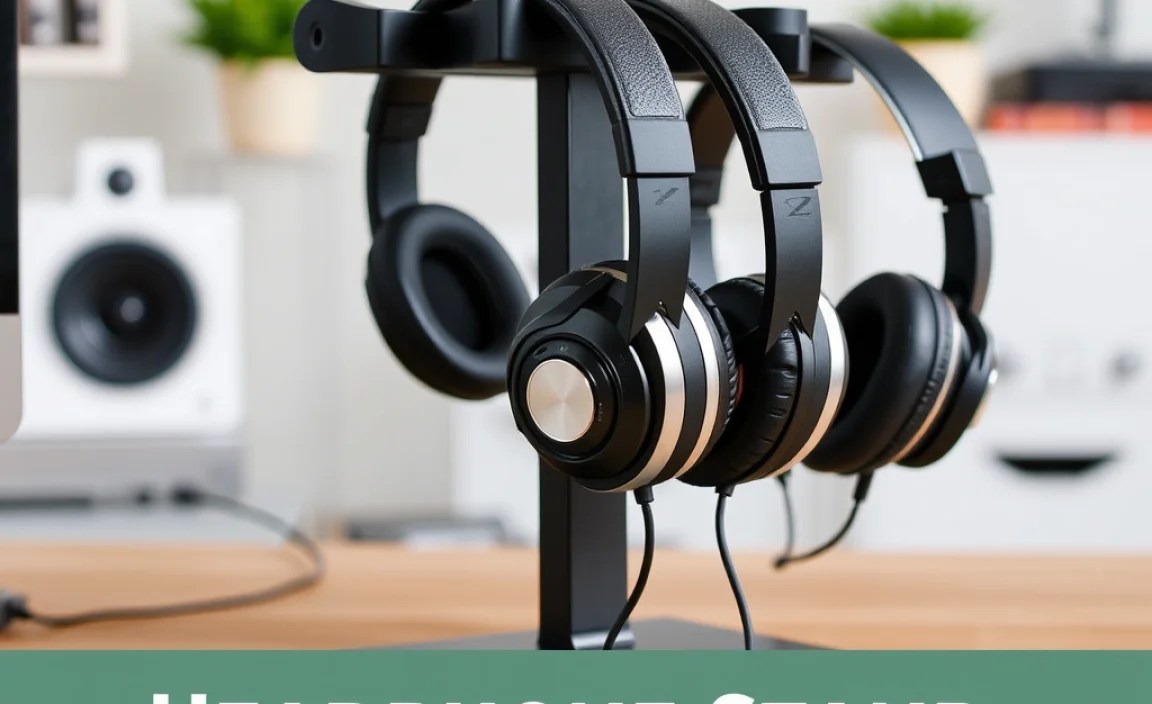
Getting your new headphone stand from the box to a fully organized state is usually a breeze. Follow these simple steps to ensure a smooth setup.
Step 1: Unboxing and Inventory
Carefully open the packaging and lay out all the parts. Ensure you have everything listed in the product manual. If anything is missing or damaged, contact the seller immediately. Check for any small pieces like screws, washers, or adhesive pads.
Step 2: Assembly (If Required)
- For Tabletop Stands: Many are pre-assembled or require simply screwing the arms into the base or a central pole. Use the provided tools or your own if necessary. Ensure all connections are snug and secure.
- For Wall/Under-Desk Mounts: You’ll typically need a drill, screwdriver, and possibly wall anchors. Follow the manufacturer’s instructions precisely. For wall mounting, ensure you’re drilling into a stud or using appropriate anchors for your wall type (drywall, plaster, etc.). Safety first!
Tip: If you’re unsure about wall mounting, check out resources like those from university facilities departments (e.g., guidelines for mounting equipment from an EHS department for principles of safe mounting).
Step 3: Placement
Choose a location for your stand. For tabletop models, a stable surface is crucial. Ensure there’s enough space around it for easy access to your headphones. For wall or under-desk mounts, confirm the chosen spot is convenient for you to grab and return your headphones without strain or obstruction.
Step 4: Adding Non-Slip Features (If Needed)
If your stand didn’t come with non-slip feet, or if it slides around, consider adding small rubber or felt pads to the base. These are inexpensive and can significantly improve stability.
Step 5: Arranging Your Headphones
Now for the fun part! Gently place your headphones onto the stand. Distribute the weight evenly if you have multiple heavy pairs. If your stand has cable management, take a moment to wrap your cables neatly around the designated hooks or channels. Avoid forcing cables into tight bends.
Step 6: Initial Test
Gently push or nudge the stand to ensure it’s stable. Try picking up and returning each pair of headphones to make sure they sit securely and are easy to retrieve. Make any adjustments needed for optimal placement and stability.
Maintaining Your Headphone Stand and Headphones
A little care goes a long way in keeping both your stand and your precious headphones in top condition.
Headphone Stand Care
- Dusting: Regularly dust your stand with a soft, dry cloth. For wooden stands, you might use a slightly damp cloth and then dry immediately.
- Cleaning: For tougher grime, use a mild soap and water solution on a damp cloth for most materials, then wipe dry. Avoid harsh chemicals that could damage the finish.
- Tightening: Periodically check that screws and connections are still tight, especially for assembled stands.
Headphone Care While on the Stand
- Cable Wrapping: Use the stand’s cable management or gently loop cables without harsh kinks to prevent wire damage.
- Earcups and Headband: Ensure headphones are placed so that their earcups and headbands aren’t being compressed or unnaturally bent.
- Environmental Factors: Keep stands and headphones away from direct sunlight, excessive heat, or high humidity, which can degrade materials over time.
Frequently Asked Questions (FAQ) About Headphone Stands for Multiple Headphones
Q1: How many headphones can a typical stand hold?
The capacity varies greatly. Simple dual-arm stands might hold two to four headphones, while larger headphone trees or racks can accommodate six or more. Always check the product description for the specified capacity.
Q2: Will a headphone stand damage my headphones?
A well-designed stand should not damage your headphones. Look for stands with smooth edges and, ideally, padded arms or hooks to prevent scratches. Proper placement, ensuring no excessive pressure on the headband or earcups, is key.
Q3: Are wall-mounted headphone stands secure enough for expensive headphones?
Yes, if installed correctly. Wall mounts, especially those designed to hold multiple headphones, are generally very secure. Ensure you use appropriate mounting hardware for your wall type and follow installation instructions carefully.
Q4: What’s the best material for a headphone stand?
The “best” material depends on your preference and needs. Metal offers durability and a modern look. Wood provides a warm, aesthetic appeal. Acrylic is lightweight and often budget-friendly. Each has its benefits, so consider durability, appearance, and cost.
Q5: Can I use a headphone stand for gaming headsets with large inline controllers?
It depends on the stand’s design and the headset. Some headsets have bulky inline controllers or thick cables that might not fit neatly onto all stands. Stands with wider hooks or generous spacing are usually better suited for bulkier gaming headsets.
Q6: How do I choose a stand if I have headphones of different sizes?
Opt for a stand with adjustable arms or generous spacing between headphone holders. Stands with a wider, flatter top surface or multiple tiers (like a tree) can often accommodate a mix of headphone sizes more easily than stands with fixed, narrow hooks.
Conclusion
Investing in a headphone stand for multiple headphones is a simple yet impactful step towards a more organized, protected, and enjoyable audio experience. Whether you’re a casual listener with a couple of go-to pairs or a dedicated audiophile with an extensive collection, the right stand provides a dedicated home for your gear, safeguarding them from damage, decluttering your space, and even adding a touch of style. By considering the types of stands available, key features like capacity, material, and stability, and following simple setup and maintenance tips, you can easily find the perfect solution. So, give your headphones the organized and protected home they deserve, and enjoy the peace of mind and enhanced accessibility that comes with it. Happy listening!
