
Have you ever wondered why some headphones feel so comfy while others pinch your ears? Choosing the right headphone type can make all the difference. Imagine listening to your favorite music or game without any discomfort. Sounds great, right?
In this comfort guide, we will explore various headphone types. From over-ear to in-ear, each has its own perks. Did you know that some headphone types have extra padding for long listening sessions? Others are designed to be lightweight. This means you can wear them for hours!
Whether you use headphones for studying, gaming, or just relaxing, comfort matters. This guide will help you pick the perfect pair. By the time you finish reading, you’ll be well on your way to enjoying music like never before. Get ready to find the headphones that fit just right for you!
Headphone Types Explained: Comfort Guide For Every Listener

Headphone Types Explained: Comfort Guide
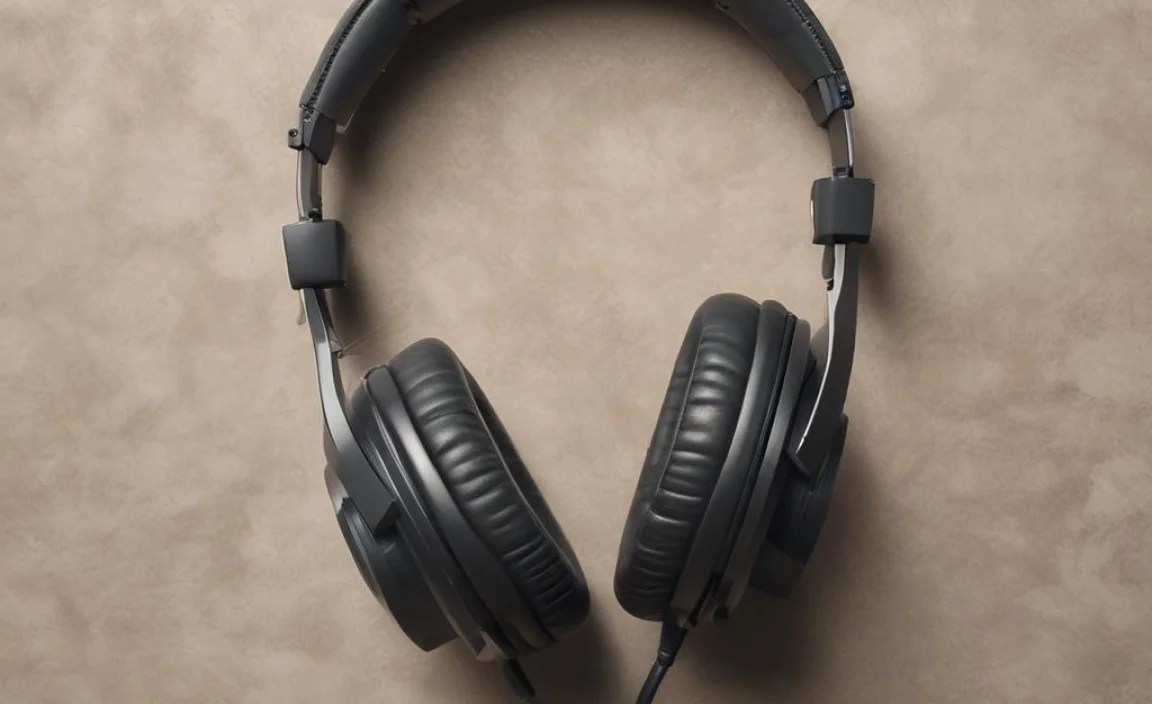
Headphones come in various types
, each designed for different needs. From over-ear to in-ear options, comfort plays a big role. Do you often find your headphones uncomfortable after a while? Discover how padding, weight, and ear shape affect your listening experience. Did you know that some headbands are made for long hours? Learning about headphone types can help you choose the right pair for your ears and enhance your enjoyment. Which type will you try next?
On-Ear Headphones

Definition and characteristics. Advantages and disadvantages of comfort.
On-ear headphones rest on your ears and are lighter than over-ear styles. They are portable and great for travel. However, they may not block outside noise well. Here are some characteristics:
- Lightweight and compact
- Good sound quality
- Comfortable for short use
But, they can be uncomfortable for long periods. The pressure on the ears may cause soreness. In short, they are perfect for short listening sessions.
Are on-ear headphones comfortable?
Comfort can vary by person, but many find them okay for short times. If you wear them longer, they can feel uncomfortable. Make sure to try them on before buying!
Over-Ear Headphones

Definition and characteristics. Impact on comfort and sound quality.
These headphones are like cozy pillows for your ears. They carefully wrap around your entire ear, making you feel snug and happy. Over-ear headphones block out noise quite well, letting you enjoy your favorite tunes without distractions. Plus, they often deliver great sound quality that feels like a concert in your head—minus the sweaty crowd!
| Characteristic | Impact on Comfort | Impact on Sound Quality |
|---|---|---|
| Design | Soft ear cushions provide a comfortable fit. | Offers richer bass and clear audio. |
| Size | Generally larger, creating a gentle hug around the ears. | Better sound isolation and balance. |
In short, over-ear headphones are perfect for long listening sessions. They can turn any boring day into a music festival in your living room!
In-Ear Headphones

Definition and characteristics. Comfort levels and ear fit considerations.
Inear headphones fit snugly inside your ears, making them lightweight and portable. They come in different shapes and sizes, often with soft tips that help block outside noise. This cozy fit improves sound quality and keeps the music in your ears and the outside world out—a bit like a secret party! Comfort levels vary, so it’s important to find the right size. Some people might feel like they’ve got a tiny elephant sitting on their ears if they choose the wrong fit!
| Type | Comfort Level | Fit |
|---|---|---|
| Silicone Tips | High | Sits comfortably inside |
| Foam Tips | Very High | Conforms to ear shape |
| Hard Plastic | Medium | May feel heavy |
With a good pair of inear headphones, you can enjoy your favorite tunes without feeling weighed down. Remember, a perfect fit equals a perfect vibe!
Wireless vs. Wired Headphones
Differences in comfort and usability. Battery life and impact on listening experience.
Choosing between wireless and wired headphones can feel like picking between cake and pie! Wireless headphones offer freedom. You wiggle, dance, and move without getting tangled up. However, you need to charge them. If your battery dies, suddenly, you’re back in the Stone Age. Wired headphones, on the other hand, don’t need batteries and are often more comfortable for long listening sessions, especially with their softer ear cushions. Here’s a quick comparison:
| Feature | Wireless Headphones | Wired Headphones |
|---|---|---|
| Comfort | Very comfortable; some may pinch a bit | Often softer and lighter |
| Usability | No cords for dancing! | Reliable and always ready |
| Battery Life | Limited; must charge | No batteries needed! |
| Listening Experience | Great sound, but may lag | Steady and consistent sound |
In summary, it’s all about personal preference. Some love the freedom of wireless. Others prefer the reliability of wired. Choose what tickles your ears!
Noise-Canceling Headphones
How noisecanceling technology affects comfort. Recommended uses for maximum comfort.
Noise-canceling headphones are like a superhero for your ears. They use special tech to block out annoying sounds, making your listening experience much better. This can really boost your comfort, helping you focus on your favorite music or that nail-biting podcast without distractions. For the best comfort, try using them in loud places like airplanes or busy coffee shops. Your ears will be grateful!
| Best Uses | Comfort Boost |
|---|---|
| Airplanes | Goodbye, engine roar! |
| Busy Cafés | Enjoy your drink in peace! |
| Studying | Focus on books, not chatter! |
So, if you’re tired of the noise, grab a pair of these headphones and enjoy a comfy sound experience!
Sports Headphones
Features designed for active use. Comfort considerations for physical activity.
When you’re on the move, your headphones should keep up! Sports headphones are made for action. They often come with features like sweat resistance and secure fits. That means you won’t drop them while sprinting like a gazelle. Plus, they’re super comfortable, so you can jam out without feeling like your ears are in a headlock. No one wants to break a sweat and their ear buds at the same time!
| Feature | Benefit |
|---|---|
| Sweat Resistance | Stay dry while you sweat it out! |
| Secure Fit | No more worrying about losing your tunes mid-run! |
| Lightweight Design | Forget you’re even wearing them! |
Sports headphones are designed for active users. With soft cushions and adjustable features, they make your workout a breeze. Here’s a tip: always check for a snug fit! You don’t want to do the “earbud dance” as you jog. So, grab a pair that keeps up with you and makes your music sound good—just like a good workout buddy should!
Choosing the Right Headphone for Comfort
Factors to consider (weight, padding, materials). Personal preferences and listening habits.
Picking the right headphones is easy if you think about comfort. Here are some key points to consider:
- Weight: Light headphones feel good during long listening sessions.
- Padding: More padding means more comfort on the ears.
- Materials: Soft materials can feel better against your skin.
Also, think about what you like. Do you listen to music daily or watch movies? Your preference helps you choose!
What are key factors for choosing comfortable headphones?
Weight, padding, and materials matter the most. Choose something light, well-padded, and soft for the best experience.
Testing Headphones for Comfort
How to properly test for comfort before purchase. Importance of fit and trial periods.
Finding the right headphones feels great! Start by putting them on for a few minutes. Do they feel snug but not too tight? Comfort is key. Many stores let you try headphones. Take advantage of this to check the fit and comfort level. Also, look for a trial period. This lets you use them at home and return if they don’t work out.
How can I test headphones for comfort?
To test headphones for comfort:
- Wear them for 15-30 minutes.
- Check the headband and ear cushions.
- Listen to different music types.
Why is fit important? A proper fit stops discomfort during long use. Good fit helps sound quality too!
Care and Maintenance for Comfort
Tips for maintaining headphone
comfort over time. Best practices for cleaning and storage.
Your headphones need care to stay comfy. Regular cleaning and proper storage help them feel good for longer. Here are some tips:
- Wipe ear pads with a soft cloth.
- Use a little soap and water for tougher dirt.
- Keep them in a case to protect them.
- Store them away from heat and moisture.
Doing this can help your headphones last longer and feel great every time you wear them!
How can I keep my headphones clean?
Cleaning your headphones regularly helps maintain comfort. Just use a soft cloth and some mild soap if needed. Avoid getting moisture in the openings.
Conclusion
In summary, choosing the right headphones can boost your comfort and listening experience. We explored different types, like over-ear, on-ear, and in-ear. Each type offers unique benefits for various activities. Now, think about what you need in headphones. Try some out to see what feels best for you. For more tips, check out other guides on headphone choices!
FAQs
Certainly! Here Are Five Related Questions On The Topic Of Headphone Types And Comfort:
Sure! Here are five questions about headphone types and comfort:
1. What are on-ear headphones?
On-ear headphones sit on your ears. They are smaller than over-ear headphones and feel lighter.
2. Why are over-ear headphones comfortable?
Over-ear headphones cover your whole ear. They have soft pads that help you listen without hurting your ears.
3. What are in-ear headphones?
In-ear headphones fit inside your ears. They are tiny and portable, making them easy to carry around.
4. Which type is best for kids?
On-ear or over-ear headphones are best for kids. They are comfy and stay on better during activities.
5. How can I make headphones more comfy?
You can adjust the headband or use soft covers. This helps the headphones fit better and feel nice.
Sure! Please tell me what question you’d like me to answer.
What Are The Main Differences Between Over-Ear, On-Ear, And In-Ear Headphones In Terms Of Comfort And Sound Quality?
Over-ear headphones cover your ears completely. They are very comfy and usually have good sound quality. On-ear headphones sit on your ears, so they can feel less soft but are still nice to wear. In-ear headphones fit inside your ear and can be great for sound, but they might not be as comfy for everyone. So, you can choose based on what feels best for you!
How Do Materials Used In Headphone Construction Affect Comfort During Extended Listening Sessions?
The materials in headphones can make a big difference in comfort. Soft padding feels nice on your ears during long listening. Lightweight materials help you not feel tired. Good airflow keeps your ears from getting warm. Using the right materials helps you enjoy your music for hours!
What Features Should I Look For In Headphones To Ensure Maximum Comfort For Long-Term Use?
To find comfortable headphones for long use, look for soft ear cushions. They should fit well without squeezing your head. Check for an adjustable headband so you can change the size. Lightweight headphones are easier to wear for a long time. Finally, consider over-ear styles, as they often feel better than on-ear ones.
Are There Specific Headphone Types That Are More Suitable For People With Glasses Or Larger Ears?
Yes, some headphones are better for people with glasses or larger ears. Over-ear headphones can be a good choice. They have big cushions that surround your ears and don’t press on your glasses. Look for headphones with soft padding for comfort. You can also try adjustable styles to fit your head better.
How Can I Determine The Right Size And Fit For Various Headphone Types To Enhance Comfort?
To find the right size and fit for headphones, you should try them on first. Many headphones have adjustable parts, so you can make them tight or loose. If the headphones feel snug but not too tight, that’s good! You should also check if they cover your ears fully for better comfort. Last, if they feel heavy after a while, you might need a lighter pair.
{
