
Quick Summary: Choosing the right headphones for your workouts is crucial for motivation and comfort. Look for sweat-resistant designs, secure fits, and reliable connectivity. This guide will help you understand the key features to consider for your perfect workout audio companion, ensuring your music keeps pace with your training.
Headphones for Working Out: Your Essential Gear Guide
Getting your workout playlist pumping can make all the difference, turning a tough session into an energizing one. But if your headphones are constantly falling out, getting ruined by sweat, or cutting out at the worst moment, they’re doing more harm than good. At headphonehorizon, we believe everyone deserves to enjoy their music without interruption. That’s why we’ve put together this straightforward guide to help you find the best headphones for working out, no matter your fitness routine or budget. Let’s dive in and get you set up with audio gear that keeps up with you!
Why Special Headphones for Workouts?
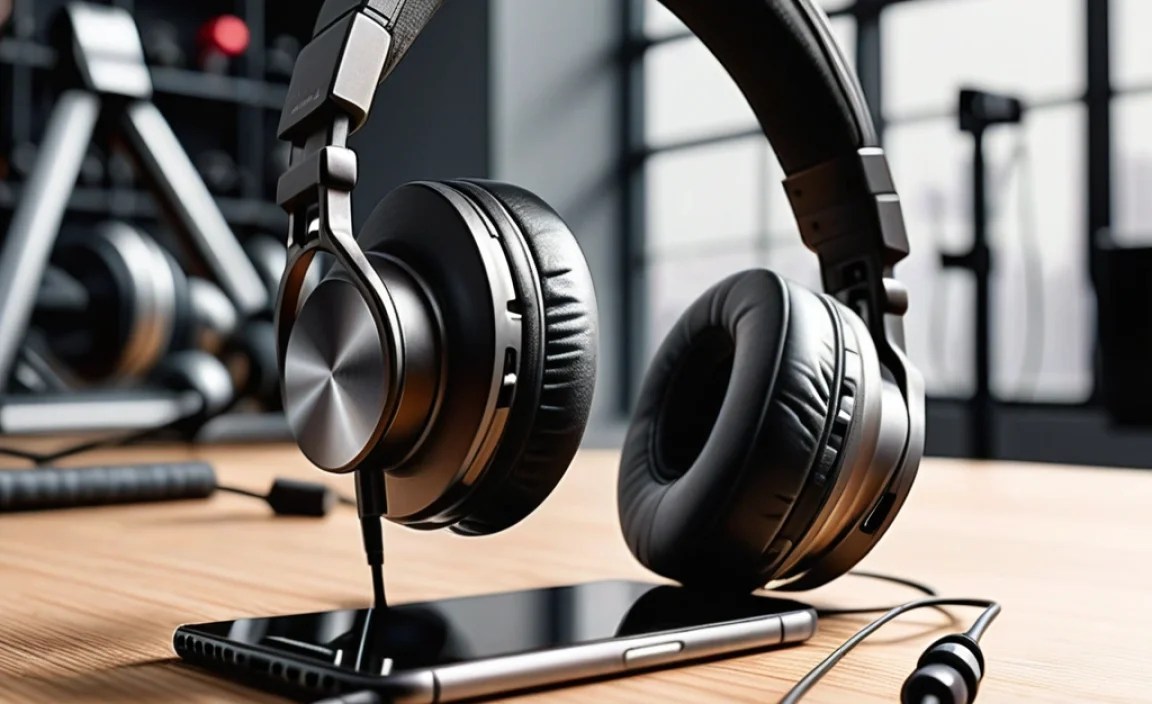
Your everyday headphones might be great for commuting or enjoying music at home, but they often aren’t built for the rigors of exercise. Sweating, bouncing, and movement can wreak havoc on delicate electronics and cause ill-fitting earbuds to dislodge. Dedicated workout headphones are designed with these specific challenges in mind. They prioritize durability, a secure fit, and often offer features like water resistance and robust connectivity to ensure they can handle your most intense training sessions. Investing in the right pair means less fuss and more focus on your performance.
Key Features to Look For in Workout Headphones

When you’re on the move, certain features become non-negotiable. Here’s a breakdown of what truly matters for headphones that will accompany you on runs, gym sessions, and outdoor adventures.
1. Fit and Comfort: Staying Put During Movement
This is arguably the most critical factor. Nothing disrupts a workout more than constantly readjusting your headphones. You need a secure fit that feels comfortable over extended periods and doesn’t budge when you’re sprinting, jumping, or lifting.
Types of Fits and How They Work:
- In-Ear Earbuds: These seat directly in your ear canal. For workouts, look for those that come with multiple ear tip sizes and materials (like silicone or foam) to achieve a seal and a snug fit. Some also have ear fins or hooks that loop over or tuck into your ear for added stability.
- On-Ear Headphones: These rest on your ears. While generally less secure for high-impact activities than in-ear options, some sport-specific designs feature tighter headbands and grippy materials to stay in place.
- Over-Ear Headphones: These fully enclose your ears. They offer comfort and good passive noise isolation but can be bulky and less ideal for intense activity due to heat buildup and potential for slipping. Sport-specific models might have lighter builds and more secure clamping force.
- Bone Conduction Headphones: These sit on your cheekbones, transmitting sound through vibrations. They leave your ear canal open, which is excellent for situational awareness during outdoor activities. Their secure, wrap-around design generally keeps them in place.
2. Sweat and Water Resistance: Battling the Elements
Your headphones will inevitably come into contact with sweat, and sometimes even rain. Look for headphones with a high Ingress Protection (IP) rating. The IP rating consists of two numbers: the first indicates protection against solid objects (like dust), and the second indicates protection against liquids.
A rating of IPX4 is generally considered the minimum for workout headphones, meaning they can withstand splashes of water from any direction. Higher ratings like IPX5, IPX6, or IPX7 offer even greater protection against water jets or even immersion, making them ideal for those who sweat heavily or train in wet conditions.
For more information on IP ratings, you can consult resources like the International Electrotechnical Commission (IEC), the body that sets these standards.
3. Durability: Built to Last
Workout headphones need to be tough. They should be able to withstand being tossed in a gym bag, bumped around, and subjected to your active lifestyle. Materials like reinforced plastics, flexible silicone, and robust wiring contribute to a longer lifespan. Check reviews for comments on how well the headphones hold up over time and with frequent use.
4. Connectivity: Wireless Freedom
Wired headphones can be a nuisance during exercise, with cables getting tangled or snagging. Wireless options, primarily Bluetooth, offer the freedom of movement. When choosing Bluetooth headphones, consider:
- Bluetooth Version: Newer versions (like Bluetooth 5.0 and above) offer better stability, faster pairing, and improved power efficiency compared to older versions.
- Pairing Stability: Look for headphones known for a reliable and consistent connection to your device, even with a bit of distance or through minor obstructions.
- Multi-point Pairing: Some headphones can connect to two devices simultaneously, which is handy if you want to pair with your phone and smartwatch at the same time.
5. Battery Life: Powering Your Entire Workout (and Then Some)
Failing headphones mid-run is demotivating. Ensure the headphones you choose offer enough battery life to cover your typical workout duration, plus a buffer. Many wireless earbuds offer a few hours of playback on a single charge, with charging cases providing multiple additional charges. Over-ear and on-ear headphones might offer longer single-charge battery life.
6. Sound Quality: Bringing Your Motivation
While not always the top priority for everyone, good sound quality enhances the workout experience. You want clear audio for your music or podcasts. For workouts, a slightly more energetic or bass-heavy sound profile can often be motivating. Some headphones also offer features like Active Noise Cancellation (ANC) for blocking out gym noise or Ambient Sound modes to let you hear your surroundings for safety.
Types of Workout Headphones and Their Pros & Cons

Let’s break down the different categories of headphones you’ll find, highlighting where they shine and where they might fall short for your fitness needs.
| Headphone Type | Pros | Cons | Best For |
|---|---|---|---|
| True Wireless Earbuds (TWS) |
|
|
Gym-goers, runners, HIIT enthusiasts who want ultimate freedom. |
| Wireless Neckband Earbuds |
|
|
Those who prefer a bit more security than TWS, and want long battery life. |
| Bone Conduction Headphones |
|
|
Runners, cyclists, hikers, and anyone who needs to stay aware of their surroundings. |
| Sport-Specific On-Ear/Over-Ear |
|
|
Weightlifters, those doing moderate cardio, or people who prefer on-ear comfort for less intense activities. |
Step-by-Step: Choosing Your Perfect Workout Headphones

Ready to find your ideal audio companion? Follow these simple steps:
Step 1: Define Your Workout Style
Think about what you do most often:
- High-Impact Activities (Running, Jumping, HIIT): You need something extremely secure that won’t budge. True wireless earbuds with ear hooks or fins, or bone conduction headphones are often best.
- Gym-Based Workouts (Weightlifting, Treadmill): A secure fit is still important, but you might have slightly more flexibility. Neckband earbuds, or even comfortable over-ear headphones designed for sport, could work.
- Outdoor Adventures (Cycling, Hiking): Situational awareness might be key. Bone conduction headphones are excellent here. If using in-ear, consider ambient sound modes.
- Water Activities (Swimming): You’ll need specifically waterproof headphones (IPX7 or higher) designed for swimming, often with onboard storage for music so you don’t need a connected device.
Step 2: Prioritize Fit and Security
No matter the type, wear them around or try them on if possible. Look for:
- Multiple ear tip sizes included for earbuds.
- Ear fins or hooks for extra stability.
- Adjustable headbands for on-ear/over-ear models.
- A design that feels comfortable without applying too much pressure.
Step 3: Check for Sweat and Water Resistance
Look for an IP rating. As mentioned, IPX4 is usually the minimum. For heavy sweaters or outdoor workouts, aim for IPX5 or higher. If you’re a swimmer, you need specific waterproof headphones.
Step 4: Evaluate Connectivity and Battery Life
For wireless, check the Bluetooth version and read reviews about connection stability. For battery, consider how long your longest workout is and choose headphones that offer at least that much playback time, plus extra from a charging case if applicable.
Step 5: Consider Comfort and Sound Preferences
Even the most secure headphone is no good if it’s uncomfortable. Read reviews about long-term comfort. Think about sound – do you want punchy bass, clear vocals, or the ability to block out noise? Some headphones have app controls that allow you to customize sound profiles.
Step 6: Set Your Budget
Workout headphones range from budget-friendly options to premium models. Determine how much you’re willing to spend. You can often find excellent value in the mid-range, offering a great balance of features, durability, and performance. Don’t feel pressured to buy the most expensive option; focus on features that best suit your needs.
Must-Have Features for Specific Workout Types
Let’s drill down into what makes certain headphones ideal for particular activities.
For Runners and Cyclists:
- Situational Awareness: Crucial for safety. Bone conduction headphones or earbuds with transparency/ambient sound modes are vital to hear traffic, people, and other environmental cues. Visit resources like NHTSA’s Bicycle Safety information for important safety reminders.
- Secure Fit: Must not fall out with vigorous movement. Ear hooks, fins, or a snug bone conduction band are essential.
- Water Resistance: To handle sweat and unexpected weather.
- Lightweight Design: You don’t want anything heavy or cumbersome.
For Gym-Goers:
- Secure Fit: To stay in place during sets and cardio bursts.
- Sweat Resistance: Gym environments can get humid and involve significant perspiration.
- Noise Isolation/Cancellation (Optional): Some prefer to block out gym noise and focus on their music. Others prefer to hear announcements or their trainers.
- Durability: Headphones might get bumped or stored carelessly in gym bags.
For Swimmers:
- Waterproof Rating: You need headphones specifically designed for swimming, typically with an IPX7 rating or higher, and often with an “underwater mode” that optimizes for listening through water.
- Onboard Music Storage: Many swimming headphones have built-in memory, allowing you to load music onto them directly, so you don’t need to carry a phone or player.
- Secure Fit: They must stay put while underwater. Small, streamlined designs are common.
Popular Workout Headphone Brands and Models to Consider
While specific models can change rapidly, some brands consistently offer great workout headphones. Here’s a look at those frequently praised for their sport-oriented offerings:
| Brand | Typical Strengths for Workouts | Notable Features to Look For |
|---|---|---|
| Jabra | Excellent durability, secure fit options (ear hooks), good sound, strong app integration. | Elite Active series (true wireless), Sport series. Look for IP rating and secure fit. |
| Jaybird | Known for robust build, sweatproof designs, customizable EQ via app, secure “wings” for fit. | Vista series (true wireless), Run series. Often good for running and intense training. |
| Beats (by Apple) | Punchy bass (great for motivation), good comfort, reliable connectivity. | Powerbeats Pro (true wireless with ear hooks), Beats Fit Pro (true wireless with wingtips). |
| Shokz (formerly AfterShokz) | Pioneers in bone conduction technology, providing superior situational awareness and a secure, comfortable fit. | OpenRun, OpenRun Pro. Ideal for outdoor athletes who need to hear their surroundings. |
| Bose | Comfortable designs, excellent sound quality, often with good ANC or transparency modes. | Sport Earbuds, QuietComfort Earbuds (though less sport-focused, some use them). |
| Anker (Soundcore) | Great value for money, good feature sets at competitive prices, often with decent water resistance. | Spirit X series, Liberty series. Excellent budget-friendly options. |
Maintenance and Care for Your Workout Headphones
Keeping your workout headphones in top condition ensures they last longer and perform better. Here’s how to care for them:
- Clean After Every Sweat Session: Use only a lightly damp, soft, lint-free cloth to gently wipe down the earbuds, ear tips, and any parts that came into contact with your skin. Avoid harsh chemicals or abrasive materials.
- Dry Ear Tips Thoroughly: If your headphones come with different ear tip materials, especially silicone, make sure they are completely dry before storing them, particularly if they are part of a charging case. Moisture can damage electronics.
- Inspect for Damage: Periodically check for any signs of wear and tear, such as frayed wires, damaged ear tips, or loose components.
- Store Properly: When not in use, store your headphones in their protective case. This shields them from dust, physical damage, and prevents them from getting lost.
- Charge Wisely: Avoid leaving headphones constantly plugged in after they are fully charged, as this can degrade battery health over time for rechargeable devices. Follow the manufacturer’s recommendations for charging.
For more detailed care instructions, always refer to the user manual that came with your headphones. Understanding how to properly clean Bluetooth earbuds, for instance, can significantly extend their life.
Frequently Asked Questions (FAQ)
Q1: Can I use my regular headphones for working out?
You can, but it’s not ideal. Regular headphones may not be sweat-resistant, meaning sweat could damage them. They also might not fit securely enough, leading to them falling out frequently during exercise, which can be frustrating and distracting.
Q2: Are true wireless earbuds good for running?
Yes, many true wireless earbuds are excellent for running, provided they have a secure fit (often achieved with ear hooks, fins, or multiple ear tip sizes) and are sweat and water-resistant (look for IPX4 or higher). Their completely wireless nature offers maximum freedom of movement.
Q3: What does an IPX4 rating mean for my headphones?
An IPX4 rating means the headphones are protected against splashing water. They can handle sweat and
