
Quick Summary: Finding the right headphones for a 10-year-old means balancing durability, comfort, and safe listening volumes. This guide explores top picks designed for young ears, focusing on features like volume limiting, adjustable fits, and kid-friendly designs, ensuring both fun and hearing protection.
Headphones for 10-Year-Olds: Your Ultimate Guide to the Best Selection

Hey there, audio adventurers! Edward Cavitt here from Headphone Horizon. As kids hit those awesome double-digit years, their world of music, games, and learning expands. What better way to dive in than with a great pair of headphones? But with so many options, how do you choose ones that are just right for a 10-year-old?
Fear not! We’re going to break down what makes a good pair of headphones for this age, focusing on the most important things: comfort, sound quality, and, crucially, protecting young ears. Let’s get them set up for a fantastic listening experience!
Why Specialized Headphones Matter for 10-Year-Olds

At 10 years old, kids are often more independent and might use headphones for a wider range of activities. They could be enjoying audiobooks for school, getting immersed in video games, or exploring their favorite music. Unlike adult headphones, those designed for children often come with specific features that cater to their unique needs.
The most critical of these is volume limiting. Young ears are more sensitive, and prolonged exposure to loud sounds can cause permanent hearing damage. According to the National Institute on Deafness and Other Communication Disorders (NIDCD), noise-induced hearing loss is entirely preventable, and volume-limiting headphones are a fantastic first step.
Durability is another huge factor. Kids can be, well, kids! A good pair of headphones for a 10-year-old should be able to withstand the occasional drop, bend, or vigorous tug. Comfort is also paramount. With adjustable headbands and soft earcups, they can ensure a good fit for longer listening sessions, whether for homework or extended playtime.
Key Features to Look For in Headphones for a 10-Year-Old

When you’re shopping, keep an eye out for these essential features:
- Volume Limiting: This is non-negotiable. Headphones marketed for kids usually have this built-in, keeping the sound output at a safe level (typically around 85 decibels or below). This prevents accidental listening at damaging volumes.
- Comfort and Fit: Look for adjustable headbands and padded earcups. A snug but not tight fit is ideal for comfort and also helps with passive noise isolation.
- Durability: Materials like BPA-free plastics, reinforced hinges, and flexible headbands are signs of a well-built pair that can handle daily use.
- Sound Quality: While extreme audiophile quality isn’t typically the focus, decent sound is still important for enjoyment. You want clear audio without distortion, especially at lower volumes.
- Connectivity: Most will offer a standard 3.5mm audio jack for wired connections, which is very versatile. Wireless Bluetooth options are also popular, offering freedom of movement.
- Microphone (Optional): If they use headphones for online gaming or video calls, a built-in microphone can be a great addition.
- Design and Aesthetics: Let’s be honest, kids like things that look cool! Many headphones come in vibrant colors or feature fun characters.
Top Picks: Best Headphones for 10-Year-Olds
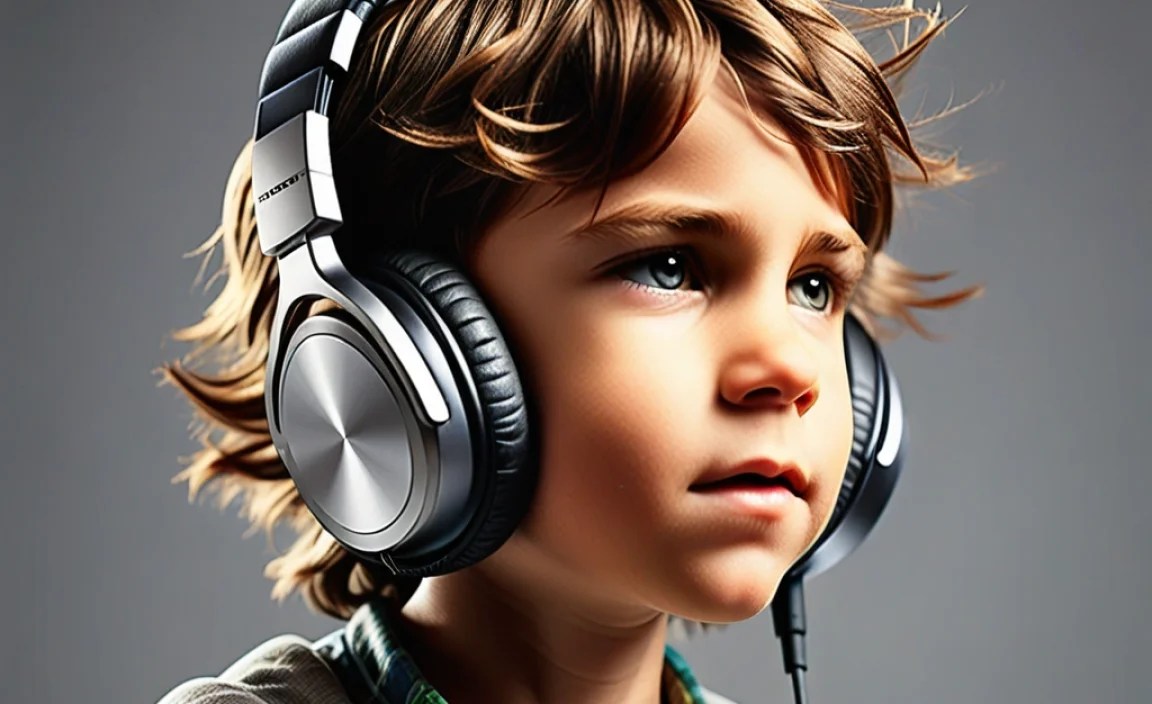
Based on these features, here are some of the best headphones that consistently impress for 10-year-old users:
1. Puro Sound Labs BT2200 Limited Volume Headphones
Puro is a brand that truly puts hearing safety first, and the BT2200s are a standout. They are designed with a strict 85 dB volume limit, which is the universally recommended maximum for hearing protection. They also offer excellent sound quality for the price, making them a fantastic all-around choice.
Pros:
- Strict 85 dB volume limiter for guaranteed hearing safety.
- High-quality sound with clear audio and good bass.
- Bluetooth connectivity for wireless freedom.
- Comfortable, padded earcups and an adjustable headband.
- Durable construction.
Cons:
- Can be a bit pricier than some basic kid headphones.
- Limited color options compared to some competitors.
2. JBL JR310BT Wireless On-Ear Headphones
JBL is a well-known name in audio, and their junior line is designed with kids in mind. The JR310BT offers a comfortable fit, fun designs, and that crucial safety feature of limiting volume to 85 dB. They are wireless, making them super convenient for use with tablets and other devices.
Pros:
- Safe listening with 85 dB volume limit.
- Wireless Bluetooth connectivity.
- Lightweight and comfortable for extended wear.
- Comes in various bright colors.
- Decent battery life for wireless use.
Cons:
- Sound quality is good, but not as premium as some higher-end options.
- Can sometimes slip if the child has a smaller head size.
3. LilGadgets Connect(+) Wireless Headphones
These are another excellent option that focuses on both safety and features. LilGadgets are known for their sturdy build and their unique “Share Port” feature, which allows another wired headphone to plug into these headphones to share audio from the same device. The volume is capped at 93 dB, which is still within safe limits for general use. For absolute best practice, ensuring the volume on the source device is also managed is key, but 93 dB is a good compromise for slightly more volume if needed in noisy environments compared to 85 dB devices.
Pros:
- Share Port for easy audio sharing.
- Comfortable, padded earcups and adjustable headband.
- Wireless Bluetooth functionality.
- Foldable design for portability.
- Durable construction.
Cons:
- Volume limit is 93 dB, which is safe but not as strict as 85 dB options.
- Microphone quality might not be ideal for serious gaming or calls.
4. Audio-Technica ATH-M20x (with caution and adult supervision)
Now, this is a bit of a curveball. The Audio-Technica ATH-M20x is a professional monitoring headphone, not specifically designed for children. However, if you have an older, more responsible 10-year-old who appreciates good sound and takes care of their gear, and you are diligent about managing the volume through the source device, these can offer superb sound quality and durability. This option requires careful adult oversight to ensure safe listening levels are maintained as these headphones do not have built-in volume limiting.
Pros:
- Exceptional sound quality for the price.
- Very durable and well-built.
- Comfortable over-ear design for extended listening.
- Excellent for music, podcasts, and even basic content creation.
Cons:
- Does NOT have built-in volume limiting. Requires strict adult supervision and management of playback volume.
- Wired only.
- Can be a bit bulky.
- Not as “fun” in terms of design.
Understanding Volume Limiting Technology
The technology behind volume limiting is pretty straightforward. These headphones are designed with built-in audio limiters that prevent the sound pressure level (SPL) from exceeding a certain decibel (dB) threshold. For most kid-focused headphones, this threshold is set around 85 dB. To put that into perspective, a normal conversation is about 60 dB, and sustained exposure to sounds above 85 dB can lead to hearing loss. This feature is your best ally in protecting your child’s hearing as they explore the world of audio.
You can learn more about safe listening levels from organizations like the World Health Organization (WHO), which provides comprehensive information on hearing loss prevention.
Wired vs. Wireless for Kids
Both wired and wireless headphones have their advantages for a 10-year-old:
Wired Headphones:
- Pros: Generally more affordable, no need to worry about charging batteries, simple plug-and-play operation, often more durable as there are fewer electronic components to fail.
- Cons: Cables can tangle and sometimes break if handled roughly, limited freedom of movement due to the cable.
Wireless (Bluetooth) Headphones:
- Pros: Great freedom of movement, no tangled wires, often easier to use with tablets and smartphones.
- Cons: Require charging, can be more expensive, potential for Bluetooth connectivity issues (though rare with modern tech), may have a slightly higher risk of failure due to more complex electronics.
For a 10-year-old, the choice often comes down to personal preference and how they primarily use their headphones. If they’re mostly sitting at a desk for online learning or gaming, wired might be fine. If they’re moving around the house or traveling, wireless offers a clear advantage.
Comfort and Fit: Making Sure They Stay On and Feel Good
A 10-year-old’s head is still growing, so adjustability is key. Look for:
- Adjustable Headbands: The headband should easily slide up and down to accommodate different head sizes.
- Padded Earcups: Soft, plush earcups that fully enclose the ear (over-ear) or rest gently on them (on-ear) provide comfort and can help block out external noise.
- Lightweight Design: Heavy headphones can become uncomfortable after a while.
A good fit not only enhances comfort but also helps the headphones stay in place, which is important if they’re active.
Durability: Building Them to Last
Kids can be tough on their belongings. When looking for headphones that will last, consider these material and design elements:
- Flexible Materials: Headbands made from flexible plastics or rubber can bend without snapping.
- Reinforced Cables: For wired headphones, look for thicker cables with reinforced stress points near the connectors.
- BPA-Free Plastics: Many kid-specific headphones use BPA-free plastics, which are generally safer and more durable.
- Sturdy Hinges: If the headphones fold, ensure the hinges feel robust.
Reading reviews specifically mentioning durability can be very insightful here.
Setting Up and Using Headphones Safely
Even with volume-limiting headphones, smart usage habits are important. Here’s how to ensure your child enjoys their audio safely:
- Check Volume Limits: Confirm the headphone’s maximum decibel level. If it’s not explicitly stated or you’re using non-child-specific headphones, always manage the volume through the source device (phone, tablet, computer).
- Start Low: Whenever you plug in new headphones or play new audio, start the volume at its lowest setting and gradually increase it until it’s comfortable – not loud.
- Take Breaks: Encourage your child to take listening breaks, especially during long sessions. Even safe volumes can cause fatigue over time.
- Keep Them Clean: Regular cleaning of earcups can prevent irritation and keep the headphones hygienic. A soft cloth and mild soap are usually sufficient.
- Store Properly: Teach your child to store their headphones carefully to prevent damage, perhaps in a dedicated pouch or case.
Headphones vs. Earbuds for 10-Year-Olds
For this age group, over-ear or on-ear headphones are generally preferred over earbuds. Here’s why:
| Feature | Over-Ear / On-Ear Headphones | Earbuds |
|---|---|---|
| Comfort at Safe Volumes | Excellent. Padded earcups are comfortable for long periods. | Can be less comfortable for long periods; poor fit can lead to needing higher volumes. |
| Durability | Generally more robust, less likely to be lost, can withstand more wear and tear. | Easily lost, can be fragile, cables can break. |
| Hearing Safety | Many models have built-in volume limiting. | Fewer models with volume limiting; harder to get a good seal which might lead to higher volume use. |
| Sound Quality | Often provides a richer, more immersive soundstage. | Can be good, but often lacks bass and clarity compared to headphones. |
| Ease of Use | Simple to put on, adjust, and wear. | Can be fiddly to insert correctly and keep in place during activity. |
While some earbuds do come with volume limits, the design of over-ear and on-ear headphones often makes them safer, more comfortable, and more durable for this age group’s primary use cases.
Frequently Asked Questions About Headphones for 10-Year-Olds
Q1: Do 10-year-olds really need special headphones?
Yes, it’s highly recommended. Their ears are still developing, making them more susceptible to noise-induced hearing loss. Volume-limiting headphones are designed to keep sound levels at a safe maximum, which is crucial for protecting their hearing long-term.
Q2: What is the safest volume level for a 10-year-old?
The generally accepted safe listening level is 85 decibels (dB) or below for prolonged periods. Many child-specific headphones are pre-set to this limit or lower.
Q3: Are wireless headphones safe for kids?
Wireless headphones are safe as long as they have a volume-limiting feature or the volume is carefully managed by an adult. The “wireless” aspect itself doesn’t pose a safety risk to hearing; it’s the volume of the sound that matters.
Q4: How can I tell if headphones are durable enough for a 10-year-old?
Look for flexible headbands, reinforced cables (if wired), sturdy construction made from quality plastics, and read reviews specifically mentioning durability and how well they hold up to daily use.
Q5: My child’s headphones don’t have a volume limiter. What should I do?
You’ll need to carefully manage the playback volume on the device they are using (tablet, computer, phone). Always start at the lowest setting and increase it only to a comfortable listening level. Avoid letting them control the volume themselves if you’re concerned.
Q6: Can these headphones be used for school?
Yes! Many schools integrate technology where headphones are beneficial for listening to lessons, educational videos, or quiet study time. Volume-limiting, comfortable, and durable models are ideal for school use.
Q7: What’s the difference between over-ear and on-ear headphones for kids?
Over-ear headphones completely surround the ear, offering more passive noise isolation and often better comfort for long sessions. On-ear headphones rest directly on the ear. For 10-year-olds, both can work well, but comfortability and how well they fit without being too tight is key.
Conclusion
Choosing the right headphones for a 10-year-old is an investment in their enjoyment and, more importantly, their hearing health. By prioritizing features like volume limiting, comfort, and durability, you can select a pair that will be a trusted companion for their digital adventures, learning endeavors, and musical explorations.
Whether they’re diving into a new game, listening to a favorite podcast, or enjoying music, the right headphones make all the difference. Remember to always encourage good listening habits, and you’ll set them up for a lifetime of clear, safe, and enjoyable audio experiences. Happy listening!
