
Quick Summary: Choosing headphones for your 5-year-old is about safeguarding their hearing and providing an enjoyable audio experience. Look for volume-limiting features, comfortable designs, and durable materials. This guide breaks down what makes headphones safe and essential for young children.
Headphones for 5 Year Olds: Essential & Safe Listening for Little Ears

As our little ones grow and explore the world around them, technology often plays a role in their entertainment and learning. From educational apps to their favorite cartoons, sound is a big part of the experience. But how do we ensure this auditory journey is also safe for their developing ears? That’s where headphones come in, especially for a 5-year-old. Finding the right pair means balancing fun with crucial safety features. We’ll dive into what makes a great pair of headphones for this age group, ensuring their listening is always enjoyable and, most importantly, safe for their precious hearing.
Why Headphones Are a Smart Choice for 5 Year Olds

At five years old, children are often engaging with tablets, computers, and even smart TVs for educational content, games, and entertainment. While these devices offer fantastic learning opportunities, the sound can sometimes interrupt others or lack the clarity needed for comprehension. Headphones offer a private listening bubble, allowing your child to immerse themselves without disturbing family or classmates. More importantly, they can protect sensitive young ears from potentially damaging high volumes.
According to the National Institute on Deafness and Other Communication Disorders (NIDCD), prolonged exposure to loud noise can cause irreversible hearing loss. Children’s ears are particularly vulnerable. Headphones designed specifically for kids often come with built-in volume limiters, a critical feature that prevents sound levels from exceeding safe decibels (dB), typically around 85 dB. This simple feature can significantly reduce the risk of noise-induced hearing loss as they grow.
Key Features to Look For in Headphones for 5 Year Olds

When you’re on the hunt for headphones for your 5-year-old, a few key features stand out as non-negotiable for safety and comfort. It’s not just about sound quality; it’s about making sure the headphones are safe, comfortable for small heads, and durable enough to withstand the rigors of childhood.
1. Volume Limiting Technology
This is the absolute most important feature. Safe listening levels for children are generally recommended to be at or below 85 decibels. Headphones with built-in volume limiters automatically restrict the maximum volume output, preventing accidental exposure to dangerously loud sounds. This is crucial because children may not realize when sound is too loud and can’t always articulate if it’s hurting their ears.
- What it does: Caps the maximum volume output.
- Why it matters: Protects developing ears from permanent hearing damage.
- Look for: Explicit mention of “volume limiting,” “85 dB limit,” or “kid-safe volume.”
2. Comfort and Fit
A 5-year-old’s head is smaller and their ears more sensitive. Ill-fitting headphones can be uncomfortable, causing pressure points, overheating, or even falling off. Comfort ensures they’ll actually wear them!
- Padded earcups: Soft, plush earcups that cover the ears gently without pressing too hard.
- Adjustable headband: Essential for growing heads and finding the right fit. Look for a sturdy yet flexible band.
- Lightweight design: Heavy headphones can be uncomfortable for extended wear.
- Over-ear vs. On-ear: Over-ear headphones typically offer better comfort and passive noise isolation, while on-ear can be more compact. For 5-year-olds, over-ear is often preferred for a gentler feel.
3. Durability and Build Quality
Let’s be honest, kids can be tough on their belongings. Headphones for this age need to be robust.
- Flexible materials: Headbands and earcups made from bendable plastics or fabrics that can withstand bending and occasional drops.
- Reinforced cables: Look for thick, sturdy cables that are less likely to fray or break. Some models even have detachable cables for easier replacement if damaged.
- Kid-friendly construction: Avoid small, detachable parts that could be a choking hazard.
4. Wired vs. Wireless
Both wired and wireless headphones have their pros and cons for younger children.
Wired Headphones:
- Pros: No battery charging needed, generally less expensive, often more durable cable connections can be expected.
- Cons: Cable can be a tripping hazard or get tangled; limited freedom of movement.
Wireless (Bluetooth) Headphones:
- Pros: No tangled cables, greater freedom of movement for active kids.
- Cons: Require charging, can be more expensive, and there’s always a small risk of the Bluetooth connection dropping. Ensure they also have a volume limiting feature!
For a 5-year-old, wired headphones often remain a reliable and safe bet due to their simplicity and lack of reliance on battery life. If opting for wireless, ensure the volume limiting feature is prominent.
5. Sound Quality (Secondary, but still important!)
While safety and comfort are paramount, decent sound quality ensures your child can clearly hear dialogue in shows or instructions in educational apps. You don’t need audiophile-grade sound, but clear, undistorted audio is a plus.
Top Considerations: A Comparison Table
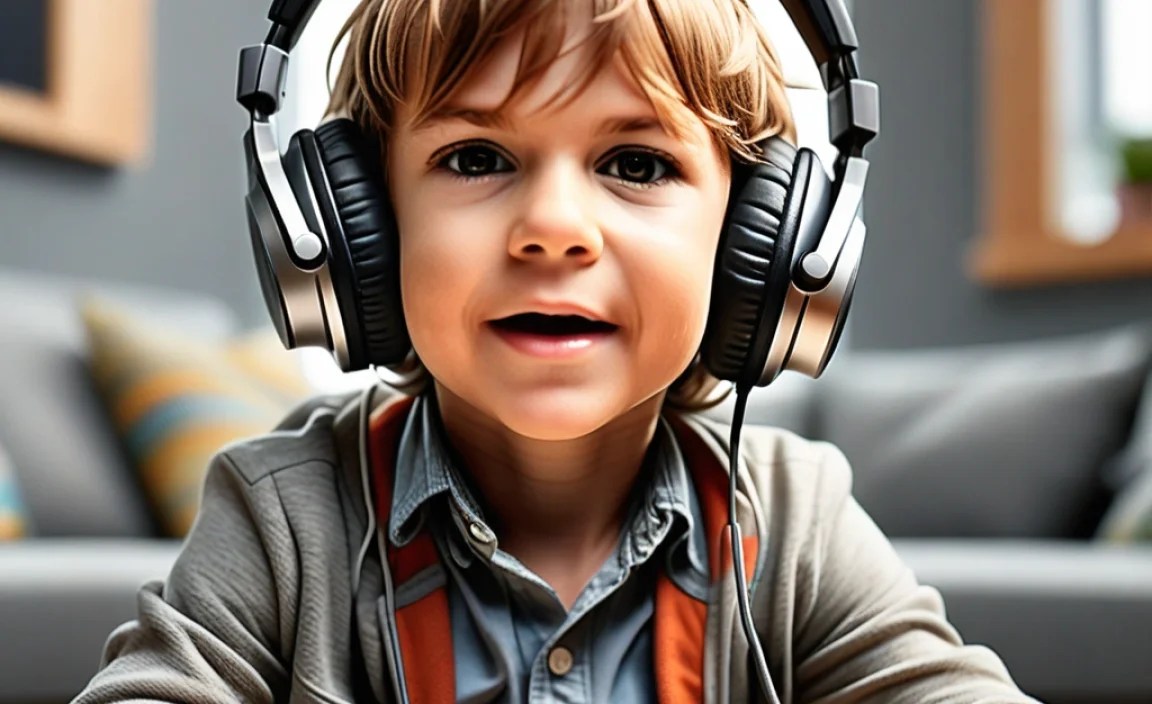
Here’s a quick look at how different types of kid-friendly headphones stack up:
| Feature | Wired Kid’s Headphones | Wireless Kid’s Headphones |
|---|---|---|
| Volume Limiting | Yes (Crucial for safety) | Yes (Ensure it’s present!) |
| Comfort & Fit | Good, focus on padding and adjustability | Good, focus on padding and adjustability |
| Durability | Generally good, cable is a potential weak point | Good, build quality varies by model |
| Ease of Use | Very easy, plug and play | Easy, requires pairing and charging |
| Portability | Cable can be bulky/tangly | No cables, usually fold for storage |
| Battery Life | Not applicable | Varies, typically 8-20+ hours |
| Price Range | Lower to mid-range | Mid to higher range |
How to Introduce Headphones to Your 5 Year Old

Even with the best headphones, a smooth introduction can make all the difference. Here’s a simple approach:
- Make it Fun! Let your child decorate their headphones with stickers (if appropriate for the model) or choose a fun color.
- Start Small: Begin with short listening sessions. Maybe just for a favorite song or a short video.
- Explain the “Why”: In simple terms, explain that headphones help them hear their favorite shows without making noise for others, and they help protect their ears like a kind of superhero shield.
- Practice Wearing: Encourage them to wear them for a few minutes at a time while doing quiet activities, even without sound, to get used to the feeling.
- Supervise Usage: Especially in the beginning, make sure they’re using the headphones as intended and that the volume is set appropriately.
Popular Brands and Models to Consider
While specific models change frequently, some brands consistently offer well-regarded headphones for children. When choosing, always verify the crucial features mentioned earlier.
- JLab JBuddies Volume Limit: Known for being budget-friendly and featuring a 85dB volume limit. They offer good comfort and durability for the price.
- BuddyPhones: These are specifically designed for children, often featuring multiple connection options, built-in volume limits, and often come with fun accessories or designs.
- Puro Sound Labs BT2200 / Puro Junior’s: While a bit more premium, Puro headphones are lauded for their excellent sound quality and their strict 85dB volume limit. They often have a more sophisticated look and feel.
- Belkin: Belkin offers a range of child-friendly headphones that are durable and have volume-limiting features, often at accessible price points.
Always check the product descriptions carefully for the explicit safety features, especially the decibel limit.
Safety Guidelines for Children’s Listening Habits
Headphones are a tool, and like any tool, they are safest when used correctly. Here are some essential guidelines:
- Set the Volume Appropriately: Even with volume-limiting headphones, teach your child to keep the volume at a comfortable, moderate level. A good rule of thumb is that if you can hear their audio from a few feet away, it’s too loud.
- Take Listening Breaks: It’s good practice for everyone, including children, to take short breaks from listening. A good interval is 60 minutes of listening followed by 15-30 minutes of silence or normal conversation. This gives their ears a rest. This recommendation is echoed by organizations like the Healthy Hearing.com, which provides resources for understanding noise-induced hearing loss.
- Supervise and Educate: As mentioned, keep an eye on how your child uses their headphones. As they get older, you can have simple conversations about why loud sounds aren’t good for their ears.
- Regularly Check Headphones: Inspect cables for wear and tear, and ensure earcups are still securely attached. Replace headphones if they show signs of damage.
When to Replace Your Child’s Headphones
Kids can be tough on their gear, and it’s important to know when it’s time for a replacement:
- Visible Damage: If the cables are frayed, the earcups are torn, the headband is cracked, or any parts are loose.
- Sound Issues: If the audio is distorted, crackly, or only comes out of one ear.
- Comfort Diminishes: If the padding is worn out or the fit is no longer secure.
- Outgrown: If the fit is too small, even at its largest adjustment.
Replacing damaged or worn-out headphones is a safety measure, as damaged electronics can pose their own risks.
Frequently Asked Questions About Headphones for 5 Year Olds
Q1: Are headphones safe for my 5-year-old’s ears?
Yes, headphones can be very safe, especially if they have a built-in volume limiter that caps sound at 85 decibels. This feature is crucial for protecting their developing hearing from potential damage caused by loud noises.
Q2: How do I know if headphones are truly volume-limiting?
Look for explicit claims in the product description or packaging stating “volume limiting,” “85 dB max volume,” or “kid-safe volume.” Reputable brands for children’s audio gear will clearly advertise this key safety feature.
Q3: My child’s headphones don’t have a specific volume limiter. Can I still use them?
While it’s not ideal, you can still use them by strictly supervising the volume control on the device your child is listening from. However, headphones with a built-in limiter are strongly recommended for peace of mind, as children may not recognize or can’t adjust when it’s too loud.
Q4: What’s the difference between on-ear and over-ear headphones for kids?
On-ear headphones rest on the ear, while over-ear headphones cup around the entire ear. For 5-year-olds, over-ear headphones are generally more comfortable for extended wear and provide a better seal, reducing the need to turn up the volume in noisy environments.
Q5: How long should my 5-year-old wear headphones at a time?
It’s a good practice to encourage listening breaks. Aim for around 60 minutes of listening followed by 15-30 minutes of quiet time to rest their ears. This helps prevent listener fatigue and potential long-term damage.
Q6: Can my child wear regular adult headphones?
While they might fit, regular adult headphones are not ideal. They often lack volume-limiting features, can be too large and uncomfortable for a child’s head, and may not be as durable. Children’s headphones are specifically designed with their safety and comfort in mind.
Q7: What if my child pulls on the headphone cable?
This is a common concern with wired headphones. Look for headphones with thicker, reinforced cables. Some models also feature breakaway cords that detach if pulled with excessive force, which can be a helpful safety feature.
Conclusion
Choosing the right headphones for your 5-year-old is an act of care, ensuring their digital explorations are both fun and safe. By prioritizing features like volume limiting, comfortable fits, and durable construction, you’re not just buying an accessory; you’re investing in their auditory health for years to come. Remember to supervise their usage, encourage regular breaks, and always opt for reputable brands that clearly state their safety standards. With these guidelines in hand, you can confidently select a pair that will bring joy and a sound sanctuary to your child’s world, one safe listen at a time.
