
Headphones for adults aren’t just accessories; they’re essential tools for focus, relaxation, and immersive sound. This guide helps you navigate the world of headphones, choosing the perfect pair for your needs, from noise-canceling wonders for commutes to comfortable options for long work sessions. Discover what makes a pair “genius” for everyday life.
Headphones for Adults: Genius Essential Gear

Welcome to Headphone Horizon! I’m Edward Cavitt, and I believe that the right pair of headphones can truly transform your daily experience. Whether you’re trying to concentrate in a busy office, unwind with your favorite playlist, or get lost in a podcast on the go, headphones are your personal sanctuary. But with so many options out there, how do you find the ones that are right for you?
This guide is designed to demystify headphone jargon and help you discover the “genius” features that make a pair truly essential for adults. We’ll cover everything from understanding different types to making a smart purchase, ensuring you get the most bang for your buck and the best sound possible.
Why Are Headphones So Essential for Adults Today?

In our increasingly connected and often noisy world, headphones have evolved from simple audio devices to indispensable tools for productivity, well-being, and entertainment. For adults, they serve multifaceted roles:
- Enhanced Focus and Productivity: In open-plan offices or shared living spaces, headphones create a personal bubble, allowing for deep concentration on work or study.
- Stress Relief and Relaxation: Immersive music, calming podcasts, or guided meditations can be powerful tools for de-stressing after a long day.
- Clear Communication: High-quality microphones and noise cancellation are crucial for professional calls and staying connected with loved ones.
- Personal Entertainment: Enjoying music, movies, or audiobooks without disturbing others provides a private entertainment experience.
- Travel Companion: Noise-canceling headphones make air travel, train commutes, and bus rides significantly more peaceful and enjoyable.
Decoding the Different Types of Headphones
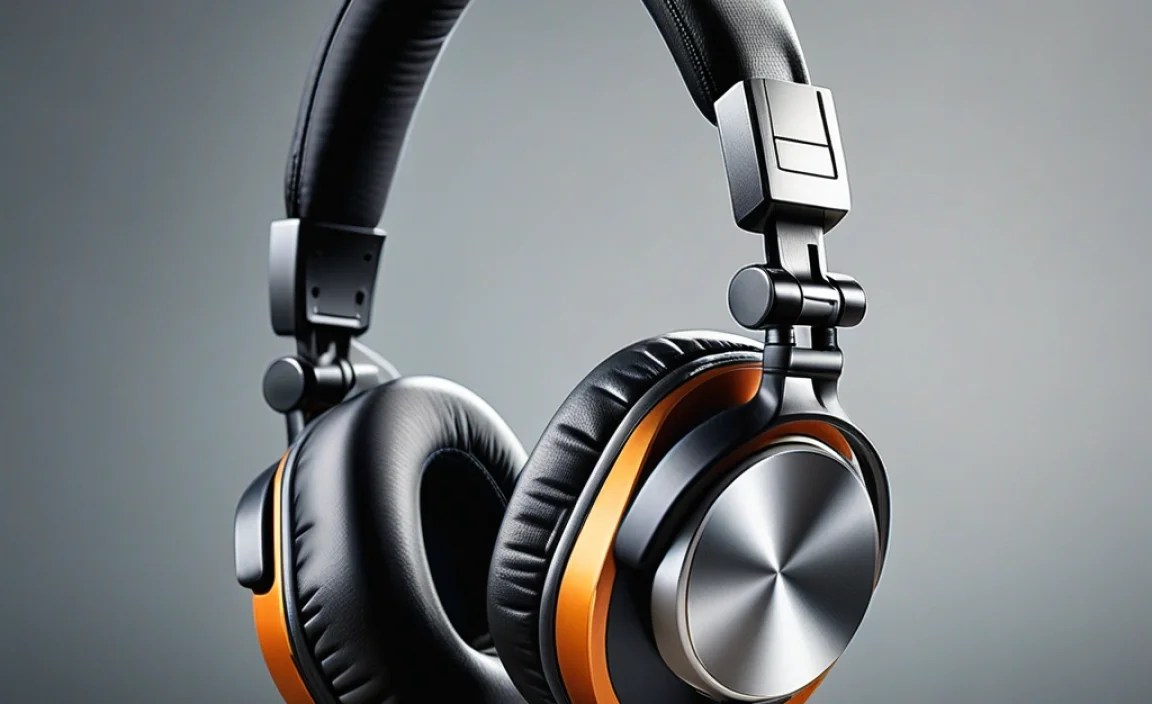
Before diving into specific features, it’s helpful to understand the basic designs. Each type has its strengths, making it a “genius” choice for different situations.
1. Over-Ear Headphones
These headphones fully enclose your ears. They are known for comfort and excellent sound quality, often providing a good seal against external noise. They are typically larger and less portable than other types.
- Pros:
- Superior comfort for long listening sessions.
- Excellent sound isolation and immersion due to ear enclosure.
- Often deliver richer bass and wider soundstage.
- Cons:
- Can be bulky and less portable.
- May cause ears to feel warm after prolonged use.
- Can be more expensive.
2. On-Ear Headphones
These rest directly on your ears without enclosing them. They offer a balance between portability and sound quality, though they may not isolate noise as effectively as over-ear models.
- Pros:
- More compact than over-ear headphones.
- Can be more breathable.
- Generally lighter.
- Cons:
- May not provide as good noise isolation.
- Comfort can vary, and some may find them pressing on ears.
- Sound leakage can be an issue at higher volumes.
3. In-Ear Headphones (Earbuds)
These fit directly into your ear canal. They are the most portable and discreet option, and many offer surprisingly good sound quality and noise isolation, especially with a good seal.
- Pros:
- Extremely portable and discreet.
- Excellent noise isolation when properly fitted.
- Good for workouts and active lifestyles.
- Cons:
- Fit can be personal and sometimes uncomfortable.
- Sound quality can be less nuanced than larger headphones.
- Can be easier to lose.
Key Features That Make Headphones “Genius” for Adults

Beyond the basic design, several advanced features can elevate a pair of headphones from good to truly genius. These are the details that make a real difference in your daily use.
1. Active Noise Cancellation (ANC)
ANC is the star of the show for many adults. It uses microphones to detect ambient noise and then generates opposing sound waves to cancel it out. This is a game-changer for commuting, air travel, or simply finding peace in a noisy environment. For instance, understanding how ANC works can help you appreciate why it’s worth the investment for focus. Organizations like the American-Speech-Language-Hearing Association (ASHA) highlight the importance of reducing noise exposure, and ANC is a fantastic way to do that.
- How it works: Built-in microphones listen to external sounds, and the headphones’ processors create an “anti-noise” signal to cancel them out.
- Benefits:
- Creates a quiet environment for focus or relaxation.
- Reduces listener fatigue from background noise, especially during long journeys.
- Improves perceived sound quality by allowing you to listen at lower volumes.
- Considerations: ANC is most effective against constant, low-frequency sounds like airplane engines or HVAC systems. It’s less effective against sudden, sharp noises like voices or alarms.
2. Sound Quality & Drivers
This is what it’s all about – how good the music, podcasts, or calls sound. Drivers are the actual speakers inside the headphones. Larger drivers generally offer a fuller sound, but the quality of the materials and tuning is just as important. Look for terms like “balanced armature” (common in high-end earbuds for clarity) or “dynamic drivers” (standard for most headphones, good for bass).
- What to listen for: Clear highs, present mids, and defined bass without being muddy.
- Audio Codecs (Wireless): For Bluetooth headphones, codecs like aptX or LDAC can offer higher-quality audio transmission than standard SBC.
3. Comfort and Fit
You can have the best sound in the world, but if your headphones are uncomfortable, you won’t wear them for long. For adult ears and heads, comfort is paramount. This includes:
- Earpad Material: Protein leather, velour, or memory foam can all offer different levels of comfort and breathability.
- Headband Padding: A well-padded headband distributes weight evenly, preventing pressure points.
- Clamping Force: For over-ear and on-ear headphones, the force with which they grip your head should be firm enough to stay put but not so tight as to cause discomfort.
- Ear Tip Options (In-ear): Many in-ear headphones come with multiple sizes of silicone or foam tips to ensure a secure and comfortable seal.
4. Battery Life & Charging
For wireless headphones, battery life is critical. Nobody wants their headphones dying mid-commute or mid-call. Look for headphones that offer at least 20-30 hours of playback on a single charge, especially if they have ANC. Fast charging is also a genius feature, giving you a few hours of listening time from just a short charge.
- Fast Charging Example: Some headphones can provide up to 5 hours of playback from a 10-15 minute charge.
5. Microphone Quality and Call Clarity
If you use your headphones for calls, a good microphone is a must. Look for headphones with multiple microphones, especially those featuring noise reduction technology to isolate your voice from background sounds. This ensures you sound clear and professional, even in noisy environments.
6. Durability and Build Quality
Adults often need headphones that can withstand daily wear and tear. Materials like metal hinges, reinforced plastics, and durable earcups contribute to a longer lifespan. If you plan to use them while commuting or traveling, a good carrying case is also a plus.
7. Connectivity Options
Bluetooth: The standard for wireless listening. Look for the latest Bluetooth versions (e.g., Bluetooth 5.0 or higher) for better stability, range, and power efficiency. Multipoint pairing is a genius feature that allows your headphones to connect to two devices simultaneously (e.g., your phone and laptop), seamlessly switching between them.
- Wired Option: Some wireless headphones also offer a 3.5mm audio jack, providing a reliable backup if the battery dies or for connecting to devices without Bluetooth.
Choosing Your Perfect Pair: A Step-by-Step Approach

Finding the “genius” headphones that fit your life involves a little self-reflection and understanding your priorities. Here’s a simple way to approach it.
Step 1: Identify Your Primary Use Case
Where and how will you use your headphones most often? This is the most crucial factor.
- For Commuting/Travel: Prioritize Active Noise Cancellation (ANC) and portability. Over-ear ANC headphones are excellent for flights, while compact true wireless earbuds are great for daily commutes.
- For Work/Study: Focus on comfort for long wear, good ANC for blocking distractions, and clear microphone quality for calls. Over-ear or comfortable on-ear headphones often excel here.
- For Exercise: Look for secure fit, sweat resistance (IPX rating), and durability. In-ear (true wireless) earbuds are typically the best choice.
- For Home Listening: Comfort and sound quality take center stage. Over-ear headphones, often wired, might be ideal for audiophiles.
Step 2: Set Your Budget
Headphones range from very affordable to quite expensive. Knowing your budget helps narrow down options. Generally, you’ll find:
- Entry-Level ($20-$70): Good for basic listening, often wired earbuds or simple Bluetooth on-ear models.
- Mid-Range ($70-$200): Excellent value, often with ANC, better build quality, and improved sound. This is where many “genius” everyday options lie.
- Premium ($200+): Top-tier sound, advanced ANC, premium materials, and often specialized features.
Step 3: Consider Wired vs. Wireless
Wireless (Bluetooth): Offers freedom of movement, convenience, and is the modern standard. Battery life and potential audio compression (though less noticeable with good codecs) are factors.
Wired: Provides the highest potential for audio fidelity, no battery concerns, and no pairing headaches. However, it restricts movement.
Step 4: Read Reviews and Compare Features
Once you have an idea of the type, budget, and key features (like ANC), it’s time to research. Look for reputable tech reviewers and user feedback. Pay attention to how reviewers discuss:
- Sound signature (how balanced the bass, mids, and treble are)
- Comfort during extended wear
- Effectiveness of ANC
- Call quality
- Build quality and apparent durability
A useful resource for understanding audio and hearing health is the National Institute on Deafness and Other Communication Disorders (NIDCD), which provides information on protecting your hearing, relevant when considering how loudly you listen.
Step 5: Try Them On (If Possible)
If you can, visiting a store to try on over-ear or on-ear headphones is invaluable. How they feel on your head and ears will tell you more than any specification sheet. For earbuds, while you can’t try them, looking for models with multiple tip sizes is key.
Top Headphones for Adults: Different Needs, Genius Solutions
While specific models change rapidly, here are categories and examples of what to look for, highlighting their “genius” aspects:
| Category | Genius Features for Adults | Typical Use Case |
|---|---|---|
| Ultimate Commuter/Traveler | Industry-leading Active Noise Cancellation, plush earcups, long battery life, excellent call quality, compact folding design. | Airplanes, trains, busy city streets, open-plan offices. |
| Productivity Powerhouse (Work from Home/Office) | Superior comfort for extended wear, excellent ANC, crystal-clear microphone, multipoint Bluetooth connectivity. | Long work sessions, video conferences, blocking out home/office distractions. |
| Active Lifestyle Companion | Secure and ergonomic fit, sweat/water resistance (IPX4 or higher), decent battery life, good situational awareness modes (transparency mode). | Running, gym workouts, cycling, any sport. |
| Audiophile’s Delight | Exceptional sound fidelity, wide soundstage, comfortable design for long listening, high-resolution audio support (wired or wireless). | Critical music listening at home, studio monitoring. |
| Everyday Versatility | Balanced features: good ANC, comfortable, reliable wireless, decent battery, solid sound, and a reasonable price point. | A bit of everything – commuting, office, home, casual listening. |
Essential Maintenance for Longevity
Even the most genius headphones need a little care to keep them performing at their best. Simple maintenance can extend their life and ensure great sound.
- Cleaning the Earcups and Pads:
- For Leather/Protein Leather: Use a slightly damp, soft cloth (water only or with a tiny bit of mild soap if very dirty). Gently wipe down the material. Avoid soaking.
- For Velour: Use a dry brush to remove dust and debris. For tougher grime, a slightly damp cloth or a specialized fabric cleaner can be used, but test it on an inconspicuous spot first.
- For Cloth Pads: Vacuum them gently or use a lint roller. For deeper cleaning, remove the pads (if possible) and hand wash with mild soap and water, then air dry completely before reattaching.
- Cleaning the Ear Tips (In-ear):
- Remove the ear tips and wash them with mild soap and warm water.
- Rinse thoroughly and let them air dry completely.
- For foam tips, be very gentle; they are more delicate. Often, a damp cloth wipe is sufficient.
- Cleaning the Exterior:
- Use a dry or slightly damp microfiber cloth
