
Quick Summary: Selecting the right headphones for your Alesis Nitro Max kit ensures immersive practice and accurate sound. This guide breaks down key features like comfort, sound isolation, and impedance, recommending specific types and features that enhance your drumming experience without breaking the bank. Get ready to practice with clarity and enjoyment!
Essential Headphones for Your Alesis Nitro Max Drum Kit: Practice in Perfect Sound
Hello drummers! Edward here from Headphone Horizon, your friendly guide to all things audio. If you’ve recently acquired the fantastic Alesis Nitro Max electronic drum kit, you’re in for a treat! This kit offers an incredible way to hone your skills, whether you’re a beginner just starting out or an experienced player looking for a convenient practice solution. But to truly hear every nuance of your playing, and to avoid disturbing your household or neighbors, a great pair of headphones is absolutely essential. Don’t worry, picking the right ones doesn’t require a degree in audio engineering. We’re going to walk through exactly what makes a headphone a perfect match for your Nitro Max, making sure you get the best sound and comfort for every practice session.
Why Headphones Are a Must for Your Alesis Nitro Max

Let’s start with the obvious: electronic drum kits are designed for quiet practice. While they don’t produce the acoustic thundering of a traditional drum set, the built-in speakers can still be quite loud, especially when you’re really digging in. Headphones offer several crucial benefits:
- Privacy and Convenience: Practice anytime, anywhere, without disturbing anyone around you. This is a game-changer, especially for those living in apartments or sharing living spaces.
- Sound Isolation: Good headphones block out external noise, allowing you to focus solely on the sounds coming from your Nitro Max kit. This helps you identify subtle sonic details and improve your timing and feel.
- Accurate Sound Reproduction: The sounds produced by the Nitro Max module are carefully crafted. The right headphones will deliver these sounds with clarity and fidelity, giving you a true representation of your performance.
- Protection: By using headphones, you can control the volume more precisely, protecting your hearing from excessively loud sounds, which is much harder to manage with open-back speakers.
For an electronic drum kit like the Alesis Nitro Max, you’ll want headphones that can handle dynamic range, provide good isolation, and most importantly, are comfortable for extended playing sessions.
Key Features to Look For in Headphones for Electronic Drums

When diving into the world of headphones, you’ll encounter a lot of technical terms. Let’s break down the most important ones for your Alesis Nitro Max kit in plain English:
1. Type: Closed-Back vs. Open-Back
This is perhaps the most significant distinction. For electronic drums, closed-back headphones are generally the way to go.
- Closed-Back Headphones: These have earcups that completely seal around your ears.
- Pros: Excellent sound isolation (both letting you hear your drums and blocking outside noise), great for loud environments or when you need to focus. They also tend to have a more impactful bass response, which can make your electronic drums feel more “alive.”
- Cons: Can sometimes feel a bit warmer or hotter on your ears during long sessions. The soundstage (how “wide” the audio feels) might be slightly less natural than open-back designs.
- Open-Back Headphones: These have perforated earcups that allow air and sound to pass through.
- Pros: Offer a more natural, airy, and spacious soundstage, which can be fantastic for listening to music. They also tend to be more comfortable and less warm.
- Cons: Poor sound isolation. Your drumming sounds will leak out, and ambient noise will leak in. This makes them generally unsuitable for practicing electronic drums where isolation is key.
Recommendation for Nitro Max: Stick with closed-back headphones for optimal performance and privacy.
2. Comfort and Fit
You’ll be wearing these for potentially long practice sessions. Uncomfortable headphones are a major distraction.
- Earcup Material: Look for plush padding, usually made of faux leather or velour. These materials feel soft against your skin and provide a good seal.
- Headband: Ensure the headband is adjustable and well-padded to distribute weight evenly across your head.
- Clamping Force: Headphones shouldn’t feel like they’re squeezing your head off, but they also shouldn’t slip. A moderate, secure fit is ideal.
- Weight: Lighter headphones are generally more comfortable for extended wear.
3. Sound Quality and Frequency Response
This refers to how well the headphones reproduce the full range of sounds, from the low thud of a kick drum to the crisp sizzle of a cymbal.
- Frequency Response Range: While wider ranges (e.g., 20Hz – 20kHz) are often advertised, what matters more is how flat or balanced the response is. For drumming, you want to hear a good representation of lows, mids, and highs.
- Dynamic Range: Electronic drums can have sudden, impactful sounds. Headphones with good dynamic range can reproduce these without distortion.
- Clarity and Detail: You want to hear individual drum hits clearly, along with any subtle electronic effects.
4. Impedance and Sensitivity
These technical specs affect how loud the headphones can get with your Alesis Nitro Max module.
- Impedance (Ohms – Ω): This measures the electrical resistance.
- Low Impedance (under 50 Ω): These are easier to drive, meaning they will get loud enough from most devices, including drum modules, without needing a separate amplifier. They are generally a safe bet for beginners and most electronic kits.
- High Impedance (over 50 Ω): These often require more power to reach a sufficient volume. While they can sometimes offer superior sound quality, they might not get loud enough from a direct connection to your Nitro Max module unless your module has a particularly powerful headphone output.
- Sensitivity (dB): This indicates how loud the headphones will be for a given amount of power. Higher sensitivity means louder volume for the same input.
Recommendation for Nitro Max: Aim for headphones with low impedance (typically below 60 Ω) to ensure they play loud enough directly from your drum module.
5. Cable Length and Durability
Drumming involves movement, so a sturdy, long cable is important.
- Length: A cable of at least 6-10 feet (2-3 meters) is usually sufficient to give you some freedom of movement without being a tripping hazard.
- Detachable Cable: This is a great feature for durability. If the cable gets damaged, you can easily replace it instead of the entire headphone.
- Build Quality: Look for robust connectors and a cable that feels substantial, not flimsy.
Recommended Headphone Types for the Alesis Nitro Max

Based on the features above, certain categories of headphones consistently stand out as excellent choices for electronic drummers.
1. Studio Monitor Headphones
Designed for accuracy and detail, these are often the go-to for recording and practice. They typically offer a balanced sound profile and are built for comfort and durability.
- Why they’re great: They provide a very clear and uncolored sound, allowing you to hear exactly what the Nitro Max module is producing. Their closed-back design ensures good isolation, and they are generally built to withstand hours of use.
- Look for: Models known for neutrality and comfort. Models in the 32-80 Ω impedance range are usually perfect.
2. Professional DJ Headphones
DJ headphones are built for durability, isolation, and powerful sound. They often have rotating earcups, which can be handy, and are designed to be loud and clear even in noisy environments.
- Why they’re great: Excellent isolation, robust build, and can handle high input levels without distortion, which is great for those powerful snare hits. They tend to have a slightly more pronounced bass, which can make drumming feel more impactful.
- Look for: Swiveling earcups, strong build, and reasonable impedance (most DJ headphones are in the 32-60 Ω range).
3. General Closed-Back Over-Ear Headphones
Many well-regarded consumer-grade closed-back headphones can also serve admirably. The key is to ensure they meet the comfort and isolation criteria.
- Why they’re great: Often more affordable than their dedicated “studio” counterparts, yet still offer good sound and isolation.
- Look for: Over-ear (circumaural) designs for better comfort and seal, and positive reviews regarding sound clarity for bass-heavy or percussive content.
Top Picks in Categories (Examples)
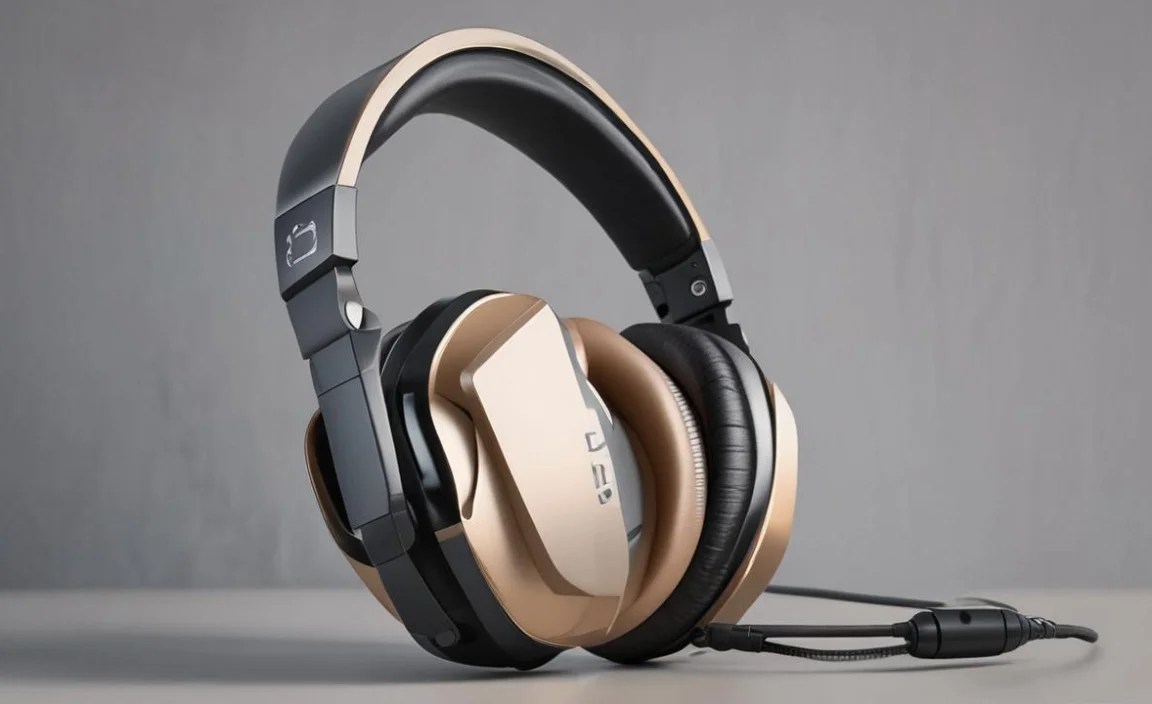
While specific models can change, here are some types and well-regarded lines that generally fit the bill. Remember to check impedance ratings!
| Headphone Type | Why it’s a Good Fit for Nitro Max | Typical Impedance Range | Example Brands/Series (Check Models!) |
|---|---|---|---|
| Studio Monitor (Closed-Back) | Accurate sound, excellent isolation, comfortable for long sessions. | 32-60 Ω | Audio-Technica ATH-M series, Sennheiser HD 280 Pro, AKG K270 Studio |
| Professional DJ (Closed-Back) | Durable, high volume capability, great isolation, punchy sound. | 32-60 Ω | Pioneer DJ HDJ-X series, Sennheiser HD 25, Decksaver Pro Series |
| Comfortable Over-Ear (Closed-Back) | Good balance of comfort, isolation, and sound, often at great value. | 16-50 Ω | Sennheiser HD 300, Beyerdynamic DT 240 PRO, Panasonic RP-HTX80 |
Important Note: Always check the specific model’s impedance rating before purchasing. Many professional headphones are designed for audio interfaces or mixers, some of which might have higher impedance outputs than your Alesis Nitro Max module. For direct connection to your drum module, sticking to models under 60 Ohms is generally the safest bet to ensure sufficient volume.
How to Connect Your Headphones to the Alesis Nitro Max

Connecting your headphones to the Alesis Nitro Max is straightforward. The Nitro Max module features a standard 1/4-inch (6.35mm) stereo headphone jack. Most headphones come with a 1/8-inch (3.5mm) plug, but almost all include a screw-on adapter to convert it to 1/4-inch.
- Locate the Headphone Jack: On the Alesis Nitro Max module, look for a jack labeled “PHONES” or with a headphone icon. It’s typically a larger, round socket.
- Check Your Headphone Plug: Your headphones will likely have a smaller plug (3.5mm). See if it has a metal adapter screwed onto it, making it a 1/4-inch plug.
- Remove the Adapter (If Needed): If your headphones have the 1/4-inch adapter and you need to use a device with a 3.5mm input, simply unscrew the larger adapter. For the Nitro Max, you’ll want the 1/4-inch adapter attached.
- Connect: Gently but firmly insert the 1/4-inch plug (with adapter) into the headphone jack on your Nitro Max module.
- Adjust Volume: Before putting on the headphones, turn the “Master Volume” knob on your Nitro Max module all the way down. Then, slowly turn it up while wearing the headphones until you reach a comfortable and safe listening level.
If your headphones only came with a 3.5mm plug and no adapter, you can purchase a separate 3.5mm to 1/4-inch adapter at most electronics stores. These are inexpensive and readily available.
Tips for the Best Practice Experience
Once you’ve got your headphones, here are a few tips to maximize your practice sessions:
- Start Low: Always start with the volume turned down and gradually increase it. This protects your hearing. The National Institute on Deafness and Other Communication Disorders provides excellent guidance on safe listening levels.
- Test Different Sounds: Experiment with the various drum kits and sounds on your Nitro Max module through your new headphones. See how different sounds translate.
- Metronome Practice: Use the built-in metronome or a separate app through your headphones. This is crucial for developing solid timing.
- Consider a Headphone Amplifier (Optional): If you find that even at maximum volume, your current headphones aren’t loud enough directly from the Nitro Max module, you might consider a dedicated headphone amplifier. However, with most recommended headphones and the Nitro Max module, this is usually not necessary.
- Cable Management: Keep your headphone cable tidy to avoid tangles and prevent it from getting unexpectedly pulled.
Frequently Asked Questions About Headphones for Alesis Nitro Max
Here are some common questions drummers have when choosing headphones:
Q1: Can I use wireless headphones with my Alesis Nitro Max?
A1: While the Nitro Max module has a standard headphone jack, it doesn’t natively support Bluetooth. To use wireless headphones, you would typically need a separate Bluetooth transmitter that plugs into the headphone jack of your module. However, this can introduce latency (a slight delay between hitting the pad and hearing the sound), which is generally undesirable for drumming. For the most responsive experience, wired headphones are highly recommended.
Q2: Do I need expensive headphones for the Alesis Nitro Max?
A2: Not necessarily. While high-end headphones can offer superior sound and comfort, many excellent mid-range and even budget-friendly studio or DJ headphones perform very well with electronic drum kits. Focus on the key features like closed-back design, comfort, and appropriate impedance (under 60 Ω is ideal).
Q3: My headphones don’t get loud enough. What should I do?
A3: First, ensure the headphone adapter is fully plugged into the Nitro Max module. Check that the Master Volume on the module is turned up appropriately. Your headphones might have a higher impedance than ideal for direct connection. In this case, a small, portable headphone amplifier could help provide more power. However, for the Nitro Max, aiming for headphones with lower impedance (below 60 Ω) is the primary solution.
Q4: What’s the difference between headphones for listening to music and headphones for drumming?
A4: While many headphones can do both, drumming demands specific qualities. Studio monitor or DJ headphones are often preferred for practice because they offer better sound isolation (essential for hearing yourself clearly), a more durable build to withstand physical movement, and a more accurate, uncolored sound reproduction that allows you to hear subtle details in your playing. Music listening can sometimes prioritize a more “hyped” or “fun” sound profile, whereas drumming benefits from neutrality
Q5: Can I use earbuds instead
