
In today’s digital age, headphones and microphones compatible with iPhones have become essential tools for communication, entertainment, and productivity. Whether for music lovers, content creators, or professionals working remotely, understanding how to choose and use these devices optimally is crucial.
Understanding the nuances of headphones and microphones for iPhones is essential in today’s tech-savvy world. These devices play a vital role in enhancing audio experiences, from listening to high-quality music to engaging in clear phone conversations. As Apple continues to innovate, compatibility and functionality with iPhones are key considerations. This guide will delve into the specifics of choosing and optimizing headphones and microphones for iPhones, ensuring you get the best possible audio experience.
Key Takeaways
- Compatibility: Ensure your headphones and microphones are compatible with the latest iPhone models.
- Quality: High-quality audio output and input are essential for an enhanced experience.
- Wireless vs Wired: Understand the pros and cons of wireless and wired options.
- Microphone Sensitivity: Choose a microphone with the right sensitivity for your needs.
- Noise Cancellation: Consider headphones with active noise cancellation for an immersive experience.
- Durability and Build: Look for durable materials that can withstand daily use.
- Price vs Performance: Balance your budget with the performance features you need.
What is headphones and microphone for iphone?

Headphones and microphones for iPhones are audio accessories designed to enhance the user experience of Apple’s smartphone devices. These tools are integral for a range of activities, including listening to music, making calls, gaming, and creating content. As the iPhone continues to evolve, so too do the accessories that enhance its functionality.
Features of Headphones and Microphones
- Lightning Connector: Many iPhone-compatible headphones use a Lightning connector, especially after the removal of the headphone jack in recent iPhone models.
- Bluetooth Compatibility: Wireless headphones and microphones often connect via Bluetooth, offering more freedom of movement.
- Active Noise Cancellation: This feature reduces ambient noise for a clearer listening experience.
- Built-in Microphone: Many headphones come with a built-in microphone for hands-free calling.
- Siri Integration: Some models allow voice control through Siri, Apple’s virtual assistant.
Understanding these features helps in making informed decisions when selecting audio devices for your iPhone.
Why headphones and microphone for iphone is Important?

The importance of headphones and microphones for iPhones cannot be overstated. These devices enhance the core functions of the phone, allowing users to maximize their device’s audio capabilities, whether for personal enjoyment or professional use. With iPhones being a central hub for media consumption and communication, having the right accessories is essential.
Benefits of Using High-Quality Headphones and Microphones
- Enhanced Sound Quality: Provides a superior audio experience, essential for music lovers and audiophiles.
- Improved Communication: Crystal-clear audio during calls, essential for both personal and professional communication.
- Portability and Convenience: Wireless options offer greater flexibility and ease of use.
- Professional Audio Recording: High-quality microphones enable better recording for podcasts and videos.
- Long-term Investment: Durable materials and cutting-edge technology ensure longevity.
By investing in quality headphones and microphones, users can significantly enhance their iPhone experience, making every interaction with the device more rewarding.
Step-by-Step Guide to headphones and microphone for iphone

Step 1: Determine Your Needs
- Identify Primary Use: Is it for music, gaming, calls, or professional recording?
- Consider Environment: Will you use them in a quiet office or a noisy commute?
- Budget Consideration: How much are you willing to spend?
Understanding your needs helps narrow down the options to find the perfect match for your requirements.
Step 2: Choose Between Wired and Wireless
- Wired Headphones: Generally offer better sound quality and no latency.
- Wireless Headphones: Provide more convenience and freedom of movement.
Deciding between wired and wireless is crucial based on your lifestyle and audio quality preferences.
Step 3: Evaluate Audio Quality
- Frequency Response: Check if it covers the full audible range (20 Hz – 20 kHz).
- Sound Profile: Look for headphones with a balanced sound for all music types.
Evaluating audio quality ensures that the sound meets your expectations and enhances your audio experience.
Step 4: Check Compatibility
- iPhone Model: Ensure the model is compatible with your iPhone version.
- Connector Type: Choose between Lightning and Bluetooth connections.
Confirming compatibility prevents potential issues with connectivity and ensures seamless integration with your device.
Step 5: Test Microphone Performance
- Clarity: Ensure the microphone captures clear audio without distortion.
- Sensitivity: Check if it picks up your voice well without unnecessary noise.
Testing the microphone performance assures effective communication and high-quality recordings.
Alternative Methods / Tools
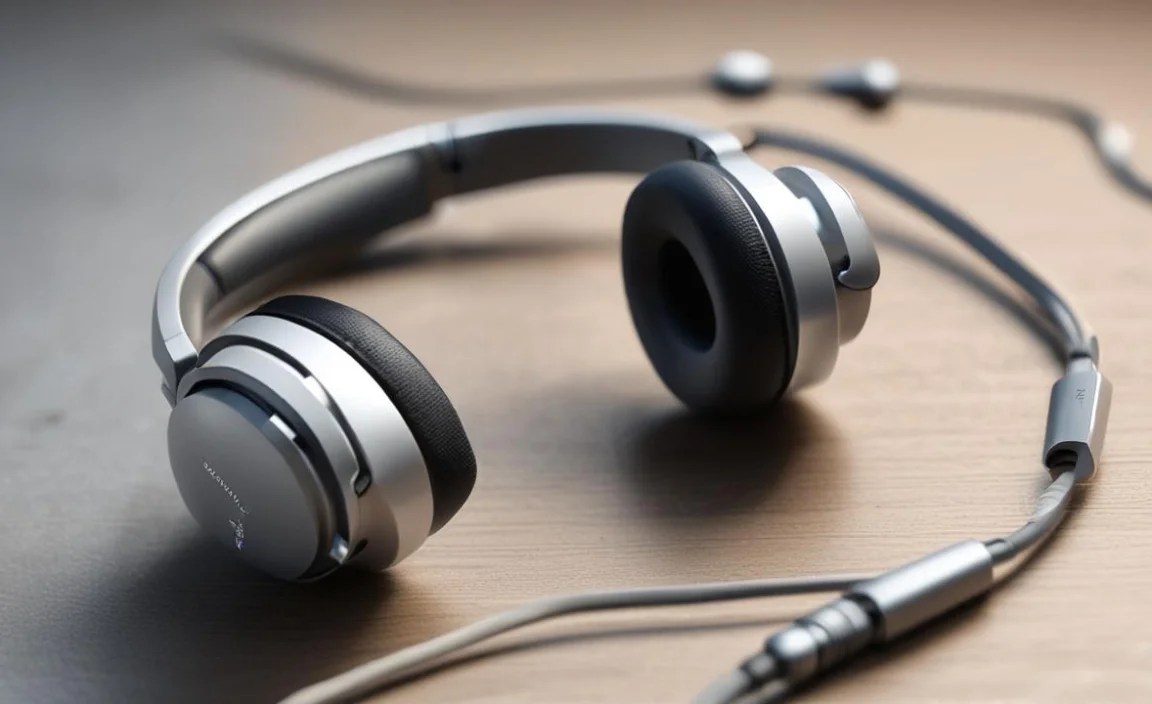
Using Adapters for Wired Headphones
- Lightning to 3.5mm Adapter: Allows connection of traditional headphones.
- USB-C to Lightning Adapter: For newer iPhone models with USB-C ports.
Adapters can be a cost-effective solution for using existing headphones with new iPhone models.
Dedicated Gaming Headsets
- Built-in Microphone: Optimized for in-game communication.
- Comfort Features: Padded ear cups for long gaming sessions.
Gaming headsets offer specialized features for gamers, enhancing both comfort and communication.
Troubleshooting Common Issues
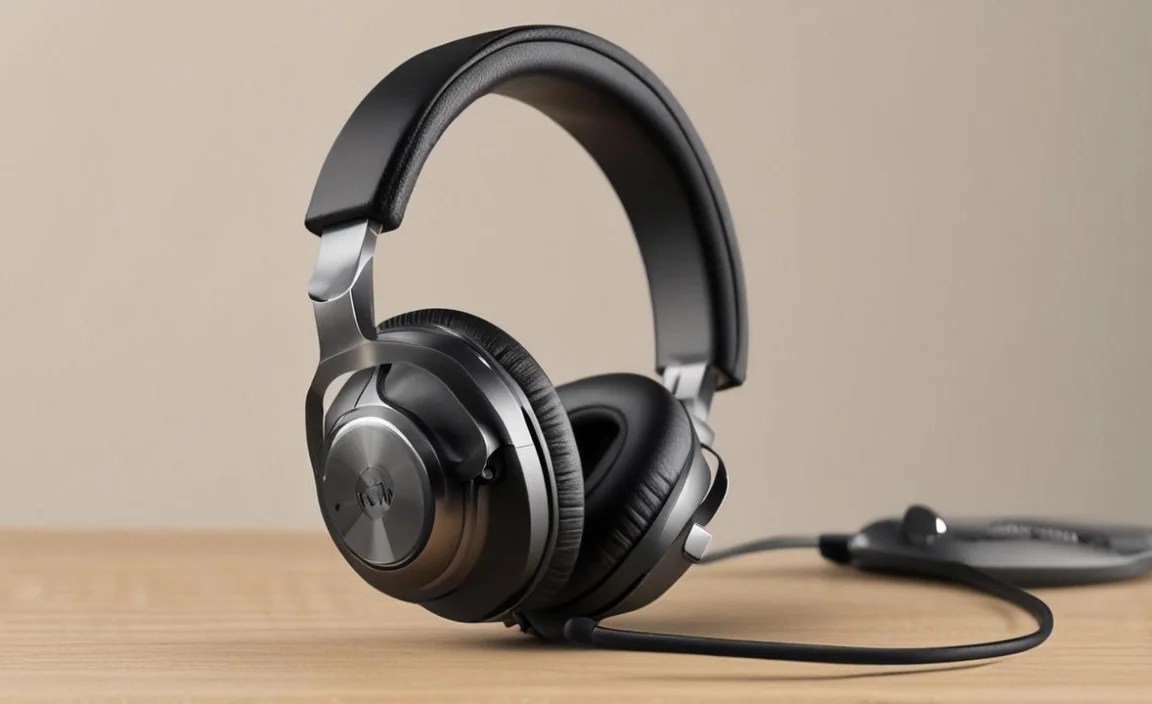
Pairing Issues with Bluetooth Headphones
- Ensure Bluetooth is On: Check if both devices have Bluetooth enabled.
- Re-pair Devices: Forget and reconnect the headphones in Bluetooth settings.
Addressing pairing issues ensures a seamless connection between your iPhone and Bluetooth headphones.
Static or Distorted Sound
- Check Connection: Ensure a secure connection with the Lightning port or Bluetooth.
- Inspect for Damage: Examine cables and connectors for wear and tear.
Identifying the source of sound distortion can help maintain the quality of your audio experience.
Advanced Techniques
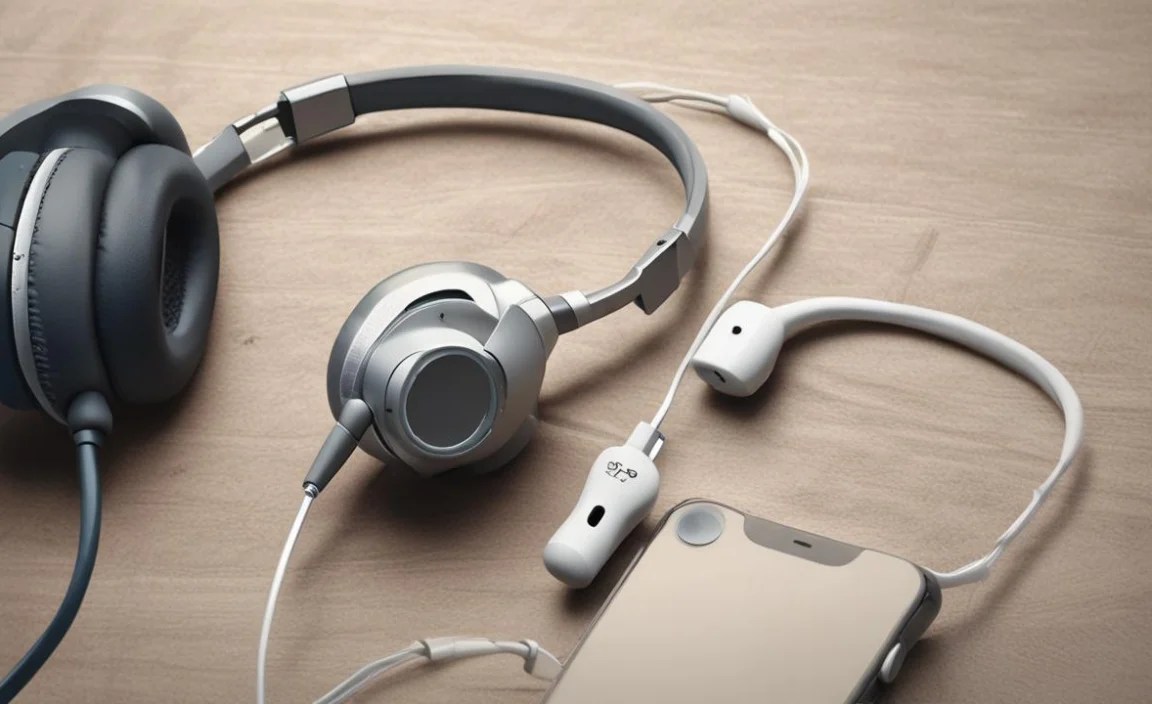
Optimizing Audio Settings
- Equalizer Settings: Adjust sound settings for enhanced audio output.
- Spatial Audio: Enable for a more immersive sound stage.
Advanced audio settings can significantly enhance your listening experience on an iPhone.
Prevention & Maintenance Tips
- Regular Cleaning: Clean your headphones and microphones to prevent dirt buildup.
- Safe Storage: Store them in a case to protect against physical damage.
- Firmware Updates: Keep your devices updated for optimal performance.
Proper maintenance of your audio equipment ensures longevity and consistent performance.
Driver Update Methods Compared
| Method | Difficulty | Speed | Best For | Notes |
|---|---|---|---|---|
| Manual Update | Medium | Slow | Experienced Users | Requires technical knowledge |
| Software Tools | Easy | Fast | General Users | Automated process |
| Professional Help | Easy | Variable | High-End Devices | Cost involved |
Conclusion
Headphones and microphones for iPhones are more than mere accessories; they are critical components that enhance your device’s functionality and user experience. By carefully selecting and maintaining these devices, you can enjoy superior audio quality and effective communication. Whether you are a casual listener or a professional content creator, understanding your needs and the available technology enables you to make the best choice.
Frequently Asked Questions
Question 1: What Type of Headphones Work Best with iPhones?
Answer: Both wired (Lightning) and wireless (Bluetooth) headphones designed for iPhones work well; choice depends on personal preference.
Question 2: Can I Use Non-Apple Headphones with My iPhone?
Answer: Yes, as long as they are compatible with iPhone’s Lightning or Bluetooth connections.
Question 3: How Do I Connect Bluetooth Headphones to an iPhone?
Answer: Enable Bluetooth on your iPhone and pair with the headphones via the Bluetooth settings menu.
Question 4: How Can I Improve Microphone Quality on My iPhone?
Answer: Use external microphones designed for iPhones or ensure your current mic is clean and unobstructed.
Question 5: Are Noise-Cancelling Features Worth It?
Answer: Yes, especially if you frequently use headphones in noisy environments.
Question 6: What Should I Do if My Headphones Aren’t Recognized?
Answer: Check for secure connections and consider restarting your iPhone.
Question 7: Do All iPhone Models Support Wireless Headphones?
Answer: Yes, all iPhones with Bluetooth support wireless headphones.
Question 8: How Often Should I Update My Audio Device’s Firmware?
Answer: Regularly check for updates to ensure optimal performance and security.
Question 9: Is There a Difference Between Headphones and Earbuds?
Answer: Yes, headphones typically cover the ear, while earbuds fit inside the ear canal. Choices depend on comfort and audio preference.
By following this comprehensive guide, users can optimize their audio experience with iPhones and enjoy superior sound quality and communication efficiency, tailored to their specific needs and environments.
