
Quick Summary: Finding the right headphones for individuals with Autism Spectrum Disorder (ASD) is crucial for managing sensory sensitivities, promoting focus, and enhancing comfort in various environments. This guide explores key features like noise cancellation, comfort, and sound quality, offering practical advice for selecting the best headphones for ASD needs.
Headphones For ASD: Essential Comfort & Focus

Navigating the world can sometimes feel like a sensory overload, especially for individuals on the Autism Spectrum Disorder (ASD). Everyday sounds – from busy cafes to humming fluorescent lights – can range from distracting to genuinely overwhelming. This is where the right pair of headphones can be a game-changer, offering a sanctuary of calm and a tool for enhanced focus. Think of them not just as music players, but as personal assistive devices. In this guide, we’ll break down what makes a pair of headphones “ASD-friendly,” what features to look for, and how to choose the best ones to create a more comfortable and focused experience for yourself or a loved one.
Understanding Sensory Sensitivities and Headphones

Autism Spectrum Disorder (ASD) is a complex developmental disability that affects communication, social interaction, and behavior. A common characteristic often experienced by individuals with ASD is heightened sensory sensitivity, meaning they may be more attuned to or overwhelmed by sensory input like sounds, sights, textures, and smells. For some, loud or unexpected noises can cause anxiety, distress, or even physical discomfort.
This is where headphones become incredibly valuable. They can act as a barrier, reducing the intensity of ambient noise to a manageable level. For individuals who struggle with sensory overwhelm, noise-canceling headphones can provide a much-needed sense of control over their auditory environment. Furthermore, for those who find it difficult to concentrate in noisy settings, headphones can create a personal soundscape, allowing them to focus on tasks, conversations, or simply enjoy a moment of quiet.
According to the Autism Speaks organization, sensory issues are very common among autistic individuals. Managing these sensitivities is a key aspect of supporting their well-being and daily functioning. Headphones offer a practical and accessible way to achieve this, empowering individuals to engage more comfortably in a wider range of environments.
Key Features to Consider for ASD Headphones

When selecting headphones for someone with ASD, it’s essential to go beyond just brand names and generic features. We need to focus on what truly enhances comfort and aids focus. Here are the most important aspects to look for:
Active Noise Cancellation (ANC)
Active Noise Cancellation (ANC) is a technology that uses microphones to detect ambient sounds and then generates an opposing sound wave to cancel them out. This is incredibly effective at reducing low-frequency, constant noises like airplane engines, air conditioners, or general background chatter. For individuals sensitive to these sounds, ANC can be a lifesaver, creating a much calmer environment.
Pros of ANC:
- Significantly reduces constant, low-frequency background noise.
- Creates a quieter, more controlled auditory environment.
- Can help prevent sensory overload and reduce anxiety.
- Improves focus by minimizing distractions.
Cons of ANC:
- Can sometimes alter the perceived sound quality of music or other audio.
- May not be as effective against sudden, sharp noises.
- Adds to the cost of the headphones.
- Some people may experience a slight pressure sensation from ANC.
Passive Noise Isolation
Passive noise isolation, often achieved through a good seal around the ear, physically blocks out external sounds. This relies on the materials and design of the earcups and ear tips. Over-ear headphones with plush earcups that create a snug fit generally offer better passive isolation than in-ear earbuds.
Pros of Passive Noise Isolation:
- Effective at blocking out a range of frequencies, especially higher-pitched sounds.
- Doesn’t require batteries or electronic processing.
- Generally less expensive than ANC.
Cons of Passive Noise Isolation:
- Effectiveness depends entirely on the seal and materials.
- May not completely eliminate persistent low-frequency hums.
Comfort and Fit
Sensory comfort is paramount. Headphones worn for extended periods must be comfortable to avoid adding another layer of sensory discomfort. Lightweight materials, soft earcups, and an adjustable headband are critical. Some individuals may have specific sensitivities to material textures (e.g., faux leather vs. velour) or pressure points.
Consider these comfort factors:
- Earcup Material: Soft, breathable materials like velour or memory foam can be more comfortable than stiff leatherette.
- Headband Padding: Adequate padding prevents pressure on the top of the head.
- Weight: Lighter headphones are generally easier to wear for long durations.
- Clamping Force: The pressure exerted by the headphones on the head. Too much can be uncomfortable; too little can lead to them slipping.
- Ear Size: For over-ear headphones, ensure the earcups are large enough to fully enclose the ear without pressing on it.
Sound Quality and Volume Control
While noise reduction is key, the sound quality itself matters. Some individuals may prefer a more neutral sound profile, while others might find certain frequencies more pleasant or less jarring. Crucially, the ability to control volume precisely is vital. Headphones with a wide range of volume control and clear sound at lower volumes can prevent accidental overstimulation.
Wireless vs. Wired
Wireless (Bluetooth) headphones offer freedom of movement, which can be beneficial for some. However, Bluetooth connections can sometimes introduce a slight delay (latency) or a faint hissing sound that some highly sensitive individuals might notice. They also require charging.
Wired headphones offer a direct connection, often with no latency and no need for charging. However, the cable can be a snagging hazard or feel restrictive to some users.
Design and Aesthetics
For some individuals with ASD, the visual appearance of headphones can also be a factor. Some may prefer discreet designs, while others might opt for brighter colors or unique patterns. It’s always a good idea to consider personal preferences.
Types of Headphones Best Suited for ASD

Let’s look at the common types of headphones and how they stack up for ASD needs:
Over-Ear Headphones:
These headphones completely enclose the ear. They generally offer the best combination of comfort and passive noise isolation due to their larger earcups. Many over-ear models also feature excellent Active Noise Cancellation (ANC). The plush padding can be very comfortable for extended wear.
On-Ear Headphones:
These headphones rest directly on the ear. They tend to be lighter and more compact than over-ear models but offer less passive noise isolation. They can sometimes cause discomfort on the ears themselves if the padding is too thin or the clamping force is too high. ANC is less common in this category.
In-Ear Headphones (Earbuds):
These fit inside the ear canal. While very portable, their ability to passively isolate noise depends heavily on the quality of the ear tips and achieving a good seal. Some people find the sensation of something being inside their ear canal uncomfortable. True wireless earbuds offer the most freedom but can be lost easily and often have less powerful ANC than over-ear counterparts.
Recommendation Categories
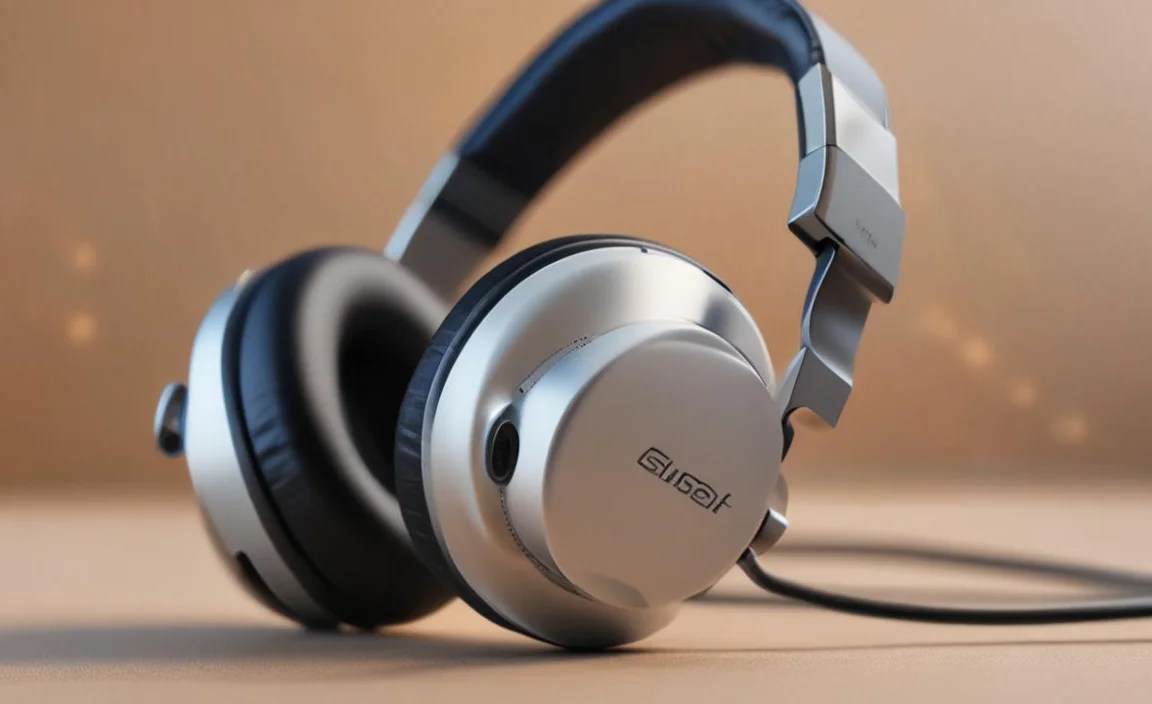
Here are some examples of headphone types and specific recommendations that often work well, keeping ASD sensitivities in mind. It’s important to remember that individual needs vary greatly, so these are starting points.
Best for Maximum Noise Cancellation: Over-Ear ANC Headphones
These are often the go-to choice for individuals seeking the strongest defense against overwhelming ambient noise.
| Feature | Description | Why it’s good for ASD |
|---|---|---|
| Active Noise Cancellation (ANC) | Industry-leading ANC technology that significantly reduces ambient sound. | Creates a serene environment by filtering out disruptive background noise, promoting calm and focus. |
| Comfortable Earpads | Plush, memory foam earcups that provide a gentle seal and are comfortable for long wear. | Reduces pressure points and avoids irritation from rough materials, essential for sensory comfort. |
| Adjustable Headband | Ergonomically designed for a secure yet comfortable fit without excessive clamping. | Ensures the headphones stay in place without causing discomfort or headaches. |
| Ambient Sound Modes | Features that allow specific external sounds (like voices) to be heard if needed, for safety or brief interactions. | Provides an option to stay aware of important sounds without sacrificing overall noise reduction. |
Example Models: Sony WH-1000XM series, Bose QuietComfort series. These are premium options, but their performance in noise cancellation and comfort is often cited by users with sensory needs. Many users report finding these models invaluable for reducing overload in public spaces.
Best for Comfort and Mild Isolation: Velour-Cushioned Closed-Back Headphones
For those who don’t need extreme ANC but prioritize comfort and a good seal, closed-back designs with soft materials are excellent.
| Feature | Description | Why it’s good for ASD |
|---|---|---|
| Velour Earcups | Soft, fabric-like earcups that are breathable and less prone to causing heat or irritation. | Superior comfort compared to synthetic leather, reducing tactile sensitivities. |
| Closed-Back Design | Encloses the earcups, providing good passive noise isolation by physically blocking sound. | Reduces distracting external noises without the need for active electronics, suitable for those sensitive to perceived “pressure” from ANC. |
| Lightweight Build | Constructed with materials that minimize overall weight. | Reduces physical strain during prolonged use, enhancing overall comfort. |
| Neutral Sound Profile | Reproduces audio accurately without over-emphasizing certain frequencies. | Less likely to cause auditory fatigue or be perceived as harsh, providing a more balanced listening experience. |
Example Models: Beyerdynamic DT 770 PRO (various impedance options), Sennheiser HD 560S (though often open-back, good alternative if comfort is top priority and isolation less so). The Beyerdynamic DT 770 PRO, in particular, is often praised for its plush velour pads and comfortable fit, making it a staple for long studio sessions and many with sensory needs.
Best for Portability and Situational Use: High-Quality Noise-Isolating Earbuds
For on-the-go needs where a full headset might be too much, well-fitting earbuds can offer a discreet solution.
| Feature | Description | Why it’s good for ASD |
|---|---|---|
| Multiple Ear Tip Sizes/Materials | Comes with various silicone or foam tips to ensure a customized, snug fit. | Achieves better passive noise isolation and a more comfortable, secure fit. Foam tips can offer superior noise blocking. |
| Good Passive Isolation | Design that creates an effective seal within the ear canal. | Physically blocks out a significant amount of ambient noise, useful for quieter environments or as a supplement to ANC. |
| Compact and Discreet | Small form factor that is less conspicuous than over-ear headphones. | Ideal for situations where a full headset might feel overwhelming or draw unwanted attention. |
| Optional ANC (in some) | Some premium earbuds offer active noise cancellation. | Provides an enhanced noise-reduction capability, although often not as powerful as over-ear ANC. |
Example Models: Apple AirPods Pro (for their ease of use and good ANC, though some find Siri intrusive), Sony WF-1000XM series (for excellent ANC in an earbud format), Bose QuietComfort Earbuds (renowned for comfort and ANC). The inclusion of various ear tip sizes is key here; finding the right fit is critical.
How to Choose the Right Pair: A Step-by-Step Approach
Selecting headphones can feel overwhelming, but by following these steps, you can find a pair that makes a real difference.
- Assess the Primary Need:
- Is the main goal reducing loud, overwhelming noises (e.g., public transport, busy streets)? Prioritize strong ANC.
- Is it about creating a calm personal space at home or in a quieter office? Comfort and passive isolation might be enough.
- Is it for focus during study or work in a moderately noisy environment? Balanced ANC and comfort are key.
- Consider the Environment:
- Will they be used mostly at home, at school, at work, or while traveling?
- Are there specific sounds that are particularly bothersome? (e.g., constant hums, sudden sharp noises, voices).
- Prioritize Comfort Above All Else:
- If possible, try headphones on. Pay attention to:
- Weight
- Earcup material and fit
- Headband pressure
- Temperature (do they make your ears too hot?)
- Read reviews specifically mentioning comfort for long wear or for users with sensory sensitivities.
- If possible, try headphones on. Pay attention to:
- Evaluate Noise Reduction Features:
- ANC: Look for reviews detailing the effectiveness of ANC against different types of noise. For some, the “pressure” some ANC headphones create can be a new sensory issue, so this is worth researching.
- Passive Isolation: Ensure a good seal. For over-ear, this means the earcups fully surround the ear. For earbuds, this requires the right ear tips.
- Check Sound Quality and Volume Controls:
- Listen to samples if possible, or read reviews about the sound profile. Some prefer balanced, others might find brighter sounds clearer or less fatiguing.
- Ensure volume controls are easily accessible and offer fine-tuning.
- Decide Between Wired and Wireless:
- Wireless: Convenience, but consider battery life and potential for Bluetooth quirks.
- Wired: No battery worries, direct connection, but a cable can be a limiting factor.
- Read Reviews from the ASD Community:
- Search for reviews or forum discussions from other individuals with ASD who have used the headphones you’re considering. Their experiences can be invaluable. Websites like Reddit (e.g., r/autism, r/headphones) or dedicated autism forums can be great resources.
- Budget Considerations:
- High-end ANC headphones can be expensive. Determine your budget and look for the best balance of features within that range. Sometimes, slightly older models of premium headphones offer great value. Entry-level ANC might not be as effective, but some brands offer budget-friendly options.
When Are Headphones Not the Best Solution?
While headphones are fantastic tools, they aren’t always the perfect fit for every situation or individual. It’s important to acknowledge their limitations and consider alternatives:
- Sudden, Sharp Noises: ANC is best for constant, low-frequency sounds. It’s less effective against quick, unpredictable noises like a door slamming or a sudden shout. For these, passive isolation and good reaction time are needed.
- Situational Safety: In environments where situational awareness is critical (e.g., crossing busy streets, navigating unfamiliar areas), wearing noise-canceling headphones can be a safety hazard. Some headphones offer “transparency” or “ambient sound” modes that can mitigate this, but they require conscious activation.
- Social Overwhelm: While headphones can reduce auditory input, they don’
