
Quick Summary: Finding the best headphones for athletes requires focusing on secure fit, sweat resistance, and durability. Top options include wireless earbuds with ear hooks/fins, bone conduction headphones for situational awareness, and sport-specific over-ear models. Prioritize comfort and battery life for an uninterrupted, motivating workout experience.
Headphones for Athletes: Your Ultimate Workout Soundtrack Essential
Hey there, fitness enthusiasts and music lovers! It’s Edward Cavitt from Headphone Horizon, and I’m thrilled to guide you through the exciting world of headphones for athletes. Whether you’re pounding the pavement, crushing it in the gym, or finding your flow on the yoga mat, the right pair of headphones can transform your workout from a chore into an energizing experience. But with so many options out there, how do you pick the ones that will stay put, survive your sweat sessions, and deliver that motivating beat? Don’t worry, I’ve got you covered. We’ll break down everything you need to know to find your perfect workout companion.
Why Are Specialized Headphones Crucial for Athletes?

Let’s be honest, not all headphones are created equal, especially when it comes to supporting your active lifestyle. Standard earbuds can easily slip out during vigorous movement, and many aren’t built to withstand the moisture from sweat – a fast track to electronic failure. Athletes need gear that’s not just about sound quality, but also about reliability, comfort, and safety. Specialized sports headphones are designed with these specific demands in mind, offering features like:
- Secure Fit: Designed to stay in place no matter how intense your workout gets.
- Sweat and Water Resistance: Built to handle moisture, protecting your investment.
- Durability: Made with robust materials to withstand bumps and drops.
- Situational Awareness (for some types): Allowing you to hear your surroundings, which is vital for outdoor safety.
- Comfort: Lightweight and ergonomically designed for long-wearing comfort.
Types of Headphones for Athletes: Finding Your Perfect Match

The “best” headphones for athletes really depend on your activity, personal preference, and what you prioritize. Let’s dive into the most popular categories:
1. True Wireless Earbuds (with Sport-Specific Features)
These have exploded in popularity, and for good reason! True wireless earbuds offer ultimate freedom with no wires to snag or tangle. For athletes, look for models with:
- Ear Hooks or Wingtips: These secure the earbuds in your ear canal, preventing them from falling out during high-impact activities.
- High IPX Rating: An IPX rating (like IPX4, IPX7) indicates water and dust resistance. For sweating, aim for at least IPX4.
- Comfortable Fit: They should come with multiple ear tip sizes to ensure a snug, comfortable seal.
Pros:
- Maximum freedom of movement.
- Compact and portable.
- Often include features like active noise cancellation (ANC) for focused workouts, though this can reduce situational awareness.
Cons:
- Can be lost more easily due to their small size.
- Battery life per charge is typically shorter than other types, though charging cases extend overall playtime.
- Not ideal for activities where you need to hear your surroundings clearly.
2. Neckband Wireless Earbuds
A great middle-ground, neckband earbuds still offer wireless convenience but with a physical connection around your neck. This makes them harder to lose and often provides a more secure fit.
- Bulit-in stability: The neckband helps distribute weight and can prevent the earbuds from falling out if one dislodges.
- Easier to manage: Less likely to be misplaced than true wireless buds.
- Often have longer battery life: The neckband housing can accommodate larger batteries.
Pros:
- Less likely to be lost.
- Often more durable than basic earbuds.
- Good battery life.
- Some models offer good sweat resistance.
Cons:
- The neckband can sometimes be felt or shift during intense workouts.
- Not as completely wire-free as true wireless options.
3. Bone Conduction Headphones
These are a game-changer for outdoor athletes, especially runners, cyclists, and triathletes. Instead of delivering sound through your ear canal, bone conduction headphones rest on your cheekbones and transmit sound vibrations through your skull to your inner ear.
Why they are great for athletes:
- Situational Awareness: This is their biggest selling point. Because your ear canals remain open, you can hear traffic, other people, and environmental sounds, significantly improving safety during outdoor activities. According to the National Highway Traffic Safety Administration (NHTSA), being aware of your surroundings is paramount for pedestrian and cyclist safety.
- Comfort: Most athletes find them very comfortable as they don’t go inside the ear.
- Sweat and Water Resistance: Many models are built to withstand the elements.
Pros:
- Excellent situational awareness for outdoor safety.
- Comfortable for long-duration wear.
- Good for people who find in-ear buds uncomfortable.
- Typically durable and sweat-resistant.
Cons:
- Sound quality is generally not as rich or immersive as traditional headphones.
- Can sometimes cause vibrations that some users find noticeable or slightly annoying at higher volumes.
- Not ideal for noisy environments where you want to block out external sounds.
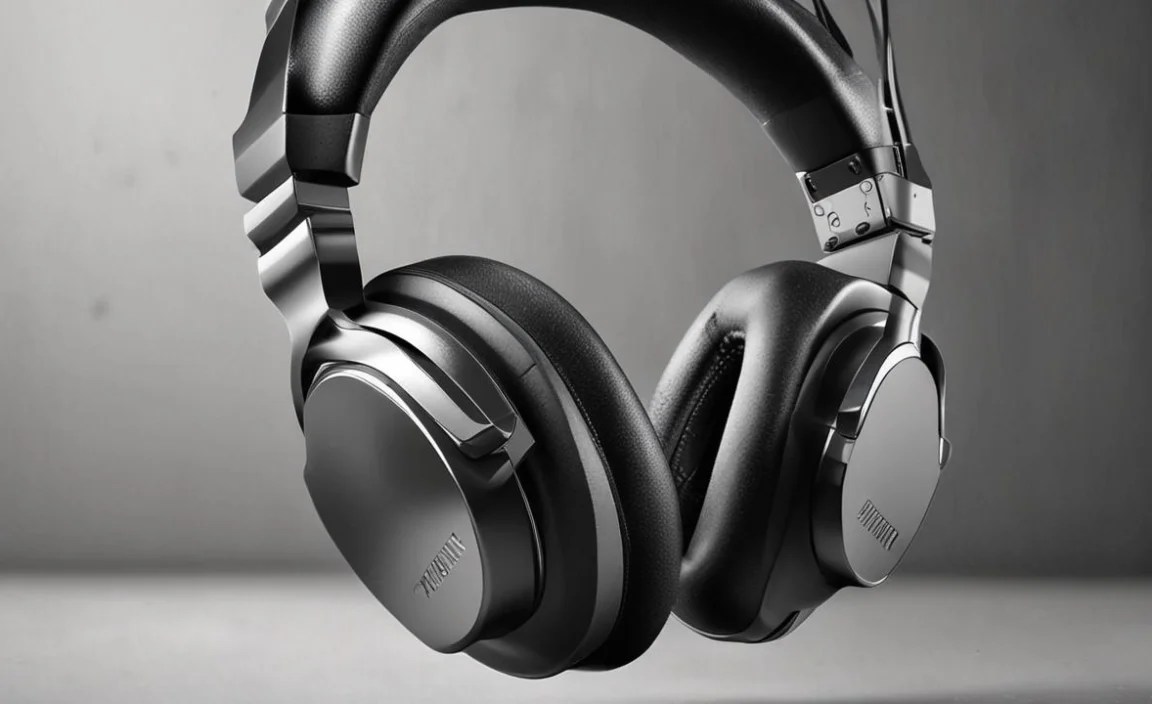
4. Sport-Specific Over-Ear Headphones
While less common for high-impact activities due to their size and potential to slip, some athletes prefer over-ear headphones for weightlifting or lower-impact gym workouts where they can stay put. Look for:
- Secure, comfortable headband: Should be adjustable and have good grip.
- Breathable earcups: To prevent overheating and excessive sweat buildup.
- Durable materials.
Pros:
- Often offer superior sound quality and bass.
- Can provide better noise isolation if desired.
- Comfortable for extended wear in non-sweaty conditions.
Cons:
- Can be bulky and less convenient for dynamic activities.
- May get too hot and sweaty during intense workouts.
- Less situational awareness.
Key Features to Consider When Buying Sport Headphones

Beyond the type, several features are critical for headphones designed for athletes. Let’s break them down:
1. Fit and Stability
This is arguably the most important factor. Headphones that constantly fall out are frustrating and can cut your workout short. If you’re going for earbuds, prioritize;
- Ear Hooks: These wrap around the top of your ear for a secure hold.
- Wingtips/Fins: These small extensions tuck into the contours of your ear for added stability.
- Multiple Ear Tip Sizes: A good seal is crucial for both comfort and fit.
For bone conduction, ensure they sit comfortably and securely on your cheekbones. For neckbands, check that the band doesn’t bounce excessively.
2. Sweat and Water Resistance (IP Rating)
Sweat is corrosive! You need headphones that can handle moisture without failing. Look for an IPX rating (Ingress Protection). The first digit usually refers to particle protection (dust), and the second to liquid protection (water). For headphones:
The second digit is what matters most for sweat and water.
- IPX4: Protected against splashes of water from any direction. This is the minimum you should look for in sport headphones.
- IPX5: Protected against low-pressure jets of water. Good for moderate sweat.
- IPX7: Can be submerged in water up to 1 meter for 30 minutes. Excellent for heavy sweaters and can even handle rain.
Anything higher is generally overkill for typical workouts but ensures maximum protection.
3. Durability and Build Quality
Your headphones will likely get tossed in gym bags, potentially dropped, and endure rigorous use. Look for:
- Robust plastic construction.
- Flexible and sturdy cables (if applicable).
- Protective carrying cases.
4. Battery Life
There’s nothing worse than your music cutting out mid-run because your headphones died. Consider:
- Headphone Battery: How long do they last on a single charge? 6-8 hours is good, but some offer more.
- Charging Case Battery (for TWS): This can significantly extend total listening time. A case that provides 2-3 extra charges is common and very useful.
- Quick Charging: Many sport headphones offer a quick charge feature (e.g., 15 minutes of charging for an hour of playback) which can be a lifesaver.
5. Comfort and Ergonomics
You’ll be wearing these for extended periods. They should feel comfortable and lightweight without causing pressure points or irritation. Try them on if possible, or read reviews focusing on long-term comfort. For in-ear types, ensuring you have the right size ear tips is critical.
6. Connectivity (Bluetooth Version)
Look for Bluetooth 5.0 or higher. Newer versions offer:
- More stable connections.
- Better power efficiency.
- Longer range.
- Faster pairing.
7. Situational Awareness (for Outdoor Athletes)
As highlighted with bone conduction, this is vital for safety. If you’re a runner or cyclist, you need to hear your surroundings. Even some earbuds offer “transparency modes” that let in ambient sound. For maximum safety, bone conduction is often the way to go.
The Centers for Disease Control and Prevention (CDC) reports a significant number of motorcycle and bicycle fatalities involve collisions with other vehicles, underscoring the importance of auditory cues in preventing accidents.
Top Picks: Headphones for Athletes in Action

To give you a head start, here are a few popular and highly-regarded options across different categories. Remember, personal fit and preference are key!
True Wireless Earbuds for Sport
Example: Jabra Elite 7 Active
- Key Features: Excellent secure fit with ShakeGrip technology, IP57 water and sweatproof rating, good battery life (up to 8 hours, 30 with case), robust sound quality, HearThrough mode for awareness.
- Best For: Runners, gym-goers who need a secure, all-around performer.
Example: Jaybird Vista 2
- Key Features: Military-grade durability (IP68), secure fit with sport fins, good 8-hour battery life (24 total with case), customizable EQ, decent transparency mode.
- Best For: Rugged activities, those who need extreme durability.
Bone Conduction Headphones for Safety
Example: Shokz OpenRun Pro (formerly AfterShokz)
- Key Features: Premium bone conduction sound quality, IP55 water and dust resistance, comfortable wraparound titanium frame, 10-hour battery life, excellent situational awareness.
- Best For: Runners, cyclists, trail runners, anyone prioritizing safety outdoors.
Example: AfterShokz OpenMove
- Key Features: More budget-friendly option, IP55 rated, still offers great situational awareness and a stable fit. 6-hour battery life.
- Best For: Beginners to bone conduction, budget-conscious athletes.
Neckband Wireless Earbuds for Convenience
Example: JBL Endurance RUN+ BT
- Key Features: TwistLock™ technology for a secure fit that’s easy to insert and stays put, IPX5 sweatproof, 6-hour battery life, integrated microphone.
- Best For: Gym workouts, running, those who prefer the security of a neckband.
Note: Availability and specific models may vary. Always check the latest reviews and specifications.
Tips for Using Headphones During Your Workout
Here are a few best practices to ensure you get the most out of your headphones and have a safe, enjoyable workout:
1. Test the Fit Before Your Main Workout
Before a long run or intense gym session, wear your headphones for a shorter activity. Jog in place, do a few jumping jacks, or even just shake your head around to ensure they stay put. Adjust ear tips, hooks, or the band as needed.
2. Clean Your Headphones Regularly
Sweat and earwax can build up, affecting sound quality and potentially causing ear infections. Gently wipe down your headphones and ear tips after each workout with a slightly damp cloth or an alcohol wipe. For bone conduction, clean the contact points. Always refer to the manufacturer’s cleaning instructions.
3. Be Mindful of Volume Levels
While it’s tempting to crank up the tunes to push yourself, protecting your hearing is crucial. Prolonged exposure to loud noise can lead to permanent hearing damage. The National Institute on Deafness and Other Communication Disorders (NIDCD) recommends limiting exposure to noise above 85 decibels. A good rule of thumb is to keep the volume at 60% of the maximum. Your music should be loud enough to be motivating but not so loud that you can’t hear important environmental sounds (especially if you’re outdoors).
4. Know Your Surroundings
If you’re using headphones that block out external noise, be extra vigilant. Take them out or use a transparency mode when crossing roads, cycling in traffic, or in any situation where auditory cues are critical for your safety. Bone conduction headphones excel here by design.
5. Charge Them Up!
There’s no worse workout killer than dead headphones. Make it a habit to charge your headphones (and their case, if applicable) after each use or at least every few days, depending on your usage. Utilize quick charge features when you’re in a pinch.
Frequently Asked Questions (FAQ)
Q1: What is the most important feature in headphones for athletes?
The most important feature is a secure fit that prevents the headphones from falling out during movement. This needs to be combined with good sweat and water resistance to ensure durability.
Q2: Are bone conduction headphones good for all sports?
Bone conduction headphones are excellent for outdoor sports like running, cycling, and hiking where situational awareness is critical for safety. They are less ideal for indoor environments or sports where you might want to block out external noise completely, such as weightlifting in a loud gym or air travel.
Q3: How do I clean my sports headphones?
Always refer to the manufacturer’s instructions. Generally, you can use a slightly damp, soft cloth or an antiseptic wipe to clean the exteriors and ear tips. Avoid getting moisture into any ports. For bone conduction headphones, ensure the contact points are clean and dry. Never submerge them unless the IP rating specifically allows it.
Q4: Can I use regular headphones for working out?
For very light activities like stretching or walking, you might get away with regular earbuds if they fit securely. However, for most sports involving significant movement or sweat, regular headphones are not designed to stay in place or withstand moisture and are likely to fail quickly or become a nuisance.
Q5: What does an IPX rating of IPX7 mean for headphones?
An IPX7 rating means the headphones are protected against the effects of temporary immersion in water. Specifically, they can withstand being submerged in up to 1 meter (about 3.3 feet) of water for up to 30 minutes. This is excellent protection against heavy sweat and even accidental drops into water.
Q6: How much should I expect to spend on good sports headphones?
You can find decent sports headphones starting around $50-$80, with premium models featuring advanced technologies, superior sound, and enhanced durability costing anywhere from $100 to $200 or more. The best value often lies in the mid-range ($80-$150), offering a great balance of features and performance.
