
Quick Summary: Choosing the right headphones for bass guitar is key for practice and monitoring. Focus on comfort, sound isolation, and a frequency response that highlights bass frequencies without muddying the mix. Over-ear, closed-back designs are generally best for isolating sound and protecting hearing.
Hey there, bassists! Edward Cavitt here from headphonehorizon. If you’re serious about your bass playing, whether you’re just starting out or looking to refine your practice sessions, you know that hearing every nuance is crucial. But sometimes, cranking up your amp isn’t an option. That’s where headphones come in. They’re not just for chilling with your favorite tunes; they can be an indispensable tool for bass guitarists. In this guide, we’ll explore exactly what makes a pair of headphones great for bass, what to look for, and how to get the most out of them. Let’s dive in!
Why Headphones Are Essential for Bass Guitarists

Practicing bass guitar with headphones offers a fantastic way to hone your skills without disturbing anyone. It allows for focused listening, helping you identify subtle intonation issues, rhythmic inconsistencies, and the precise tone of your instrument. For many, headphones provide a critical link to understanding how their bass sounds in a mix, especially when practicing along with backing tracks or drum loops. This direct connection ensures you can hear yourself clearly, make necessary adjustments, and develop a better ear for your instrument’s role.
Consider this: when you play through an amplifier, the sound you hear is a blend of your bass, the amplifier’s tone, and the room’s acoustics. While this is important for live performance sound, it can sometimes mask flaws or make it harder to discern specific frequencies. Headphones bypass the room and the amp’s speaker emulation (unless you’re using amp modeling headphones), offering a more direct and often more revealing representation of your bass signal. This is invaluable for detailed practice and learning.
Understanding Key Headphone Features for Bass
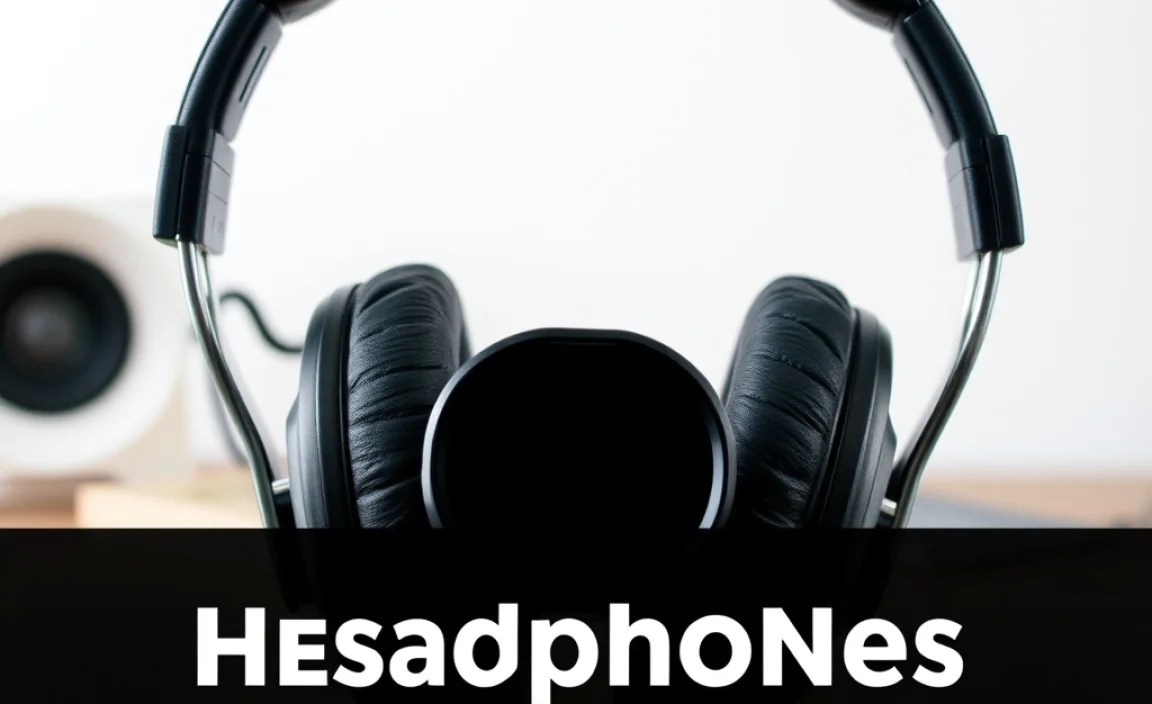
When we talk about headphones for bass guitar, we’re not just looking for something that sounds “good.” We need features that serve your specific needs as a player. Here’s a breakdown of what matters most:
1. Frequency Response: Where the Bass Lives
This is likely the most critical factor for bass guitarists. Frequency response refers to the range of sound frequencies a speaker (or headphone driver) can reproduce, measured in Hertz (Hz). For bass, you want headphones that can accurately reproduce the low-end frequencies, typically from around 20 Hz (the lowest limit of human hearing) up to a few hundred Hz.
What to Look For:
- Extended Low-End: Look for headphones that advertise a frequency response extending well into the lower Hz range (e.g., 20 Hz or lower).
- Balanced Mid-Range: While big bass is fun, an overly emphasized low-end can make your bass sound muddy and indistinct, drowning out the higher harmonics that give your bass its character and definition. Good bass headphones will have a relatively flat or slightly boosted low-end with a clear mid-range.
- Clarity in Higher Frequencies: You also need to hear the attack of your pick or fingers, finger noise, and the overall articulation of your playing, which reside in the mid to higher frequencies.
It’s important to note that subjective “bass-heavy” headphones (often marketed for casual listening) might boost the bass so much that they obscure the details you need for practice. For bass guitar, accuracy and definition in the low-end are more important than just sheer boom.
For a deeper dive into how sound frequencies work, resources like the University of California, Irvine’s Physics Department notes on sound waves offer a great educational background.
2. Sound Isolation: Keeping the Outside Out (and In)
This refers to how well the headphones block out ambient noise and, conversely, how much sound leaks out. For bass practice, good isolation is crucial for a few reasons:
- Focus: It helps you concentrate on your playing and the nuances of your tone without distractions from your environment.
- Hearing Protection: Good isolation means you don’t have to turn the volume up as high to overcome external noise, which is vital for protecting your hearing during extended practice sessions.
- Avoiding Annoyance: If you’re practicing in a shared space, minimal sound leakage ensures you’re not disturbing others.
The type of headphone design plays a big role here:
- Closed-Back Headphones: These have a sealed enclosure behind the earcups. They are excellent at providing sound isolation, both for blocking outside noise and preventing your bass signal from bleeding out. This makes them the go-to choice for most bass guitar practice.
- Open-Back Headphones: These have vents or grilles on the back of the earcups, allowing air and sound to pass through. They offer a more natural, spacious soundstage but provide very little isolation. They are generally not recommended for bass guitar practice where isolation is key.
3. Comfort: For Long Practice Sessions
You might be wearing these headphones for an hour or more at a time. Comfort is paramount to avoid distractions and fatigue. Key comfort factors include:
- Earcup Material: Soft, breathable padding (like velour or high-quality faux leather) prevents ears from getting too hot.
- Clamping Force: The headphones should feel secure but not painfully tight on your head.
- Weight: Lighter headphones are generally more comfortable for extended wear.
- Adjustability: A well-designed headband that adjusts easily and stays put is essential.
4. Impedance: Matching Your Gear
Impedance is measured in Ohms (Ω) and tells you how much electrical resistance the headphones have. This affects how much power they need to produce sound at a given volume.
- Low Impedance (< 50 Ohms): These are easier to drive and will work well with almost any audio source, including most bass guitar amps with headphone jacks or interfaces.
- High Impedance (> 50 Ohms): These require more power and might sound quiet or lack dynamic range when plugged directly into a standard headphone jack. They often sound best when used with a dedicated headphone amplifier or a high-output amplifier.
For bass guitar practice straight from an amp’s headphone out or a simple audio interface, low to medium impedance headphones (around 32-80 Ohms) are usually the safest and most effective bet. If you’re using a dedicated headphone amp for more critical listening or mixing, you might explore higher impedance options for potentially better sound quality, but it’s generally not necessary for most practice scenarios.
5. Driver Size: The Heart of the Sound
Drivers are the small speakers inside the headphones. While not a definitive measure of quality, larger drivers (typically 40mm or more) are often associated with a wider frequency response and more robust bass reproduction. However, driver design and material are just as important as size.
Types of Headphones Best Suited for Bass Guitar

When selecting headphones for your bass guitar journey, certain types stand out. Here’s a look at the most relevant options:
Over-Ear (Circumaural) Headphones
These headphones fully encompass your ears. They are known for their comfort and excellent sound isolation, making them the top choice for bass practice, especially in closed-back designs.
- Pros:
- Superior sound isolation.
- Comfortable for long sessions.
- Often provide a wider soundstage.
- Excellent for bass frequencies.
- Cons:
- Can be larger and less portable.
- May cause ears to get warm after prolonged use.
Closed-Back Headphones
As discussed, closed-back designs are sealed, preventing sound leakage and blocking out ambient noise. This is crucial for both focused practice and ensuring you don’t disturb others.
- Pros:
- Excellent sound isolation (blocks external noise).
- Minimal sound leakage (prevents disturbing others).
- Often result in more pronounced bass response due to the sealed environment.
- Cons:
- Soundstage can feel less open or natural compared to open-back.
- Can sometimes lead to a “closed-in” listening experience if not well-designed.
Recommendation: For bass guitar practice, a closed-back, over-ear headphone is almost always the best combination. It provides the isolation needed for focused playing and hearing yourself clearly, along with the comfort for extended sessions.
Essential Features to Look for in Bass Guitar Headphones

Beyond the basic types, here are specific features that will make your headphone experience for bass guitar truly shine:
Durability and Build Quality
Bass amps and practicing can sometimes involve a bit of wear and tear. Headphones that are built to last will save you money and frustration in the long run. Look for sturdy construction, robust hinges, and a reliable cable. Detachable cables are a huge plus, as they can be easily replaced if damaged without needing to buy a whole new pair of headphones.
Comfortable Earpads and Headband
We touched on this, but it’s worth reiterating. You’ll be wearing these for potentially long periods. Check for plush earpads that are either replaceable or made from durable, comfortable materials. An adjustable headband with good padding will ensure a good fit for any head size.
Detachable Cable
This is a feature that many musicians swear by. If the cable frays, gets damaged, or simply wears out, you can buy a replacement cable instead of discarding the whole headset. This saves money and reduces electronic waste.
Low Latency (Especially for Digital Setups)
Latency is the slight delay between when you play a note and when you hear it. This is usually a concern with wireless headphones or digital audio interfaces. For bass, where timing is absolutely critical, low latency is essential. If you’re practicing with a digital amp modeler or an audio interface connected to a computer, ensure your headphones (or your setup) minimize this delay.
Wired vs. Wireless:
For practicing bass guitar, wired headphones are generally preferred due to their zero-latency performance and often superior sound quality for the price. Wireless headphones can introduce noticeable latency, though many modern options have made significant strides. If you opt for wireless, look for models that support low-latency codecs like aptX Low Latency. For crucial practice where every millisecond counts, wired is king.
Top Considerations: What to Spend and What to Expect

The world of headphones ranges from budget-friendly options to high-end professional gear. For bass guitar practice, you don’t necessarily need the most expensive pair, but investing a little more can yield significant improvements in sound quality, comfort, and durability.
Budget Headphones (Under $100)
You can find perfectly functional headphones in this range. They might not have the most refined sound or the most premium build, but they will get the job done for basic practice. Focus on brands known for solid value and check reviews specifically mentioning bass response and comfort. These are great for beginners or as a backup pair.
Mid-Range Headphones ($100 – $300)
This is often the sweet spot for most musicians. You’ll find headphones with better build quality, more accurate frequency responses (especially in the low-end), improved comfort, and features like detachable cables. Many professional studio monitor headphones fall into this category, offering sound quality that’s clear, detailed, and balanced enough for critical listening and practice.
High-End Headphones ($300+)
These headphones offer superior sound fidelity, build materials, and comfort. They can provide an incredibly detailed and accurate representation of your bass tone, which is invaluable for advanced players looking to perfect their sound. However, for pure practice, the gains might be diminishing compared to mid-range options, unless you’re also using them for recording or detailed sound design.
Recommended Headphone Brands and Models (Beginner-Friendly Insights)
While specific model recommendations can change rapidly, some brands consistently deliver quality headphones suitable for musicians. It’s always a good idea to read recent reviews and check current offerings. Here are a handful of brands to investigate, known for their value and performance in the musician-friendly headphone space:
Popular Brands to Consider:
- Audio-Technica: Known for their reliable monitoring headphones, often with a balanced sound that’s great for detail. Models like the ATH-M series are widely used.
- Sennheiser: A giant in audio, Sennheiser offers a range of headphones, some of which are excellent for monitoring and practice, providing clarity and good bass definition.
- AKG: Another professional audio staple, AKG headphones are often praised for their accurate sound reproduction.
- Beyerdynamic: Famous for durable German engineering and excellent studio headphones that provide detailed sound and robust build quality.
Example Table: Entry to Mid-Range Studio Monitor Headphones
These are often highly suitable for bass guitar practice due to their balanced sound and focus on detail.
| Brand & Model (Example) | Type | Impedance (Approx.) | Key Strengths for Bass | Typical Price Range |
|---|---|---|---|---|
| Audio-Technica ATH-M40x | Closed-Back, Over-Ear | 35 Ohms | Balanced sound, good low-end detail, durable, detachable cable. | $90 – $130 |
| Sennheiser HD 280 PRO | Closed-Back, Over-Ear | 64 Ohms | Excellent isolation, robust build, clear bass response. | $100 – $140 |
| AKG K271 MKII | Closed-Back, Over-Ear | 55 Ohms | Good isolation, comfortable, clear and present bass. | $120 – $160 |
Note: Prices are approximate and can vary by retailer and region. Always check current specifications and reviews.
How to Connect Your Headphones to Your Bass Gear
Connecting your headphones is usually straightforward, but the exact method depends on your equipment. Here are the common scenarios:
- Directly to Your Bass Amplifier: Many bass amplifiers, especially practice amps, have a dedicated headphone output jack (usually a 1/4-inch or 3.5mm stereo jack). Simply plug your headphones into this port. The amplifier will automatically mute its speaker when headphones are plugged in, preventing feedback and protecting your hearing.
- To an Audio Interface: If you’re practicing with a computer or using your bass with a digital audio interface for recording or amp modeling software, you’ll typically plug your headphones into the headphone jack on the interface.
- To a Preamp Pedal or Multi-Effects Unit: Many bass preamp pedals and multi-effects processors include a headphone output. This is a great way to practice with your effects chain.
- Using an Adapter: You might have headphones with a 3.5mm (1/8-inch) plug and your amp or device has a 1/4-inch (6.35mm) jack. In this case, you’ll need a simple 1/4-inch to 3.5mm adapter.
Important Note on Volume: Always start with the headphone volume extremely low and gradually increase it. Bass frequencies require less perceived volume to sound “loud” compared to higher frequencies, and it’s easy to accidentally turn them up too high, risking hearing damage.
Tips for Getting the Best Sound from Your Bass Headphones
Once you have your ideal headphones, follow these tips to ensure you’re getting the most out of them:
1. Start with a Clean Signal
Before you start tweaking EQ or adding effects, listen to your raw bass tone through the headphones. This helps you understand the fundamental sound of your instrument and identify any issues with your technique or setup.
2. Use Your Amp’s EQ (and Headphone EQ if Available)
Most bass amps have EQ controls (Bass, Mid, Treble). Use these to shape your tone. If your amp or audio interface has separate EQ controls for the headphone output, take advantage of them to fine-tune what you hear without affecting your main amp sound.
3. Practice Along with Backing Tracks
This is where headphone practice truly shines. Playing along to drum machines, backing tracks, or even your favorite songs (carefully mixed to be audible but not overpowering) is an excellent way to develop your timing, learn song structures, and understand how your bass fits into a full mix.
