
Quick Summary: Choosing the right headphones for bass practice means finding a balance of comfort, durability, and accurate sound reproduction, especially for low frequencies. This guide helps beginners understand essential features, types of headphones, and key considerations to make a smart choice that enhances your practice sessions without breaking the bank.
Headphones for Bass Practice: Your Essential Guide

Hey there, fellow music lovers and aspiring bassists! Edward Cavitt here from headphonehorizon.com. Diving into the world of bass guitar is incredibly exciting, and having the right gear can make all the difference in keeping that motivation high. One piece of equipment that’s often overlooked but is absolutely crucial for effective bass practice is a good pair of headphones.
Whether you’re in a shared living space, practicing late at night, or just want to immerse yourself completely, headphones are your secret weapon. But with so many options out there, how do you pick the best ones for your bass? Don’t worry, I’ve got you covered. This guide is designed to break down everything you need to know, no confusing jargon, just practical advice to help you find headphones that will make your practice sessions more productive and enjoyable.
Why Are Specific Headphones Important for Bass Practice?

Playing bass is all about feeling those low-end frequencies. Unlike other instruments, the bass guitar’s primary role is to provide the rhythmic and harmonic foundation, which lives in the lower spectrum of sound. Standard consumer headphones, often tuned for a brighter, more “exciting” sound with boosted treble, might not accurately reproduce the nuances of your bass. They can also struggle to handle the power and depth of bass frequencies, leading to muddy or distorted sound. This can make it hard to hear your tone, identify subtle flaws in your playing, or even just enjoy the practice. Headphones designed for monitoring or with a frequency response that favors accuracy in the bass region will give you a clearer picture of what you’re actually playing, helping you develop a better ear and a better sound.
Key Features to Look For in Bass Practice Headphones

When you’re looking at headphones for bass practice, keep these essential features in mind. They’ll steer you towards options that offer the best bang for your buck and the most effective practice experience.
1. Frequency Response
This is probably the most critical factor for bass practice. Frequency response tells you the range of sounds a headphone can reproduce, measured in Hertz (Hz). For bass, you want headphones that can accurately reproduce low frequencies, generally from 20Hz up to around 200Hz. A “flat” or “neutral” frequency response is ideal for monitoring, meaning it doesn’t artificially boost or cut any particular range of frequencies. This allows you to hear your bass exactly as it sounds, without coloration. Some headphones might have a slight emphasis on the low-end, which can be enjoyable for practice, but avoid anything with an extreme bass boost, as it can mask details.
2. Comfort and Fit
You’ll likely be wearing these headphones for extended periods during practice. Therefore, comfort is paramount. Look for:
- Earpad Material: Plush, breathable materials like velour or soft leatherette are more comfortable than hard plastic. They should also provide a good seal around your ears.
- Headband Padding: A well-padded headband distributes weight evenly, preventing discomfort on your head.
- Clamping Force: The headphones should feel secure without being too tight. They shouldn’t slip off when you move your head, but they shouldn’t cause headaches either.
- Over-Ear (Circumaural) vs. On-Ear (Supra-aural): Over-ear headphones typically offer better comfort and passive noise isolation, surrounding your entire ear. On-ear headphones rest directly on your ears, which some find less comfortable for long sessions and can sometimes leak sound.
3. Durability and Build Quality
Bass practice can sometimes involve more vigorous movements, and headphones need to withstand regular use. Opt for headphones that feel robust. Features like metal headbands, sturdy hinges, and thick, replaceable cables are good indicators of durability. Read reviews to see if users report issues with weak points.
4. Impedance and Sensitivity
These technical terms relate to how loud the headphones can get with a given power source. For bass practice, especially if you’re plugging directly into a bass amp’s headphone jack or a dedicated practice amp, you generally want headphones with lower impedance (typically 32 ohms or less) and good sensitivity. This ensures they’ll play loud enough without needing a separate amplifier.
5. Open-Back vs. Closed-Back
This is a significant design difference that impacts sound and isolation:
- Closed-Back Headphones: These have a sealed design. They offer excellent sound isolation, preventing sound from leaking out and keeping external noise from disturbing your practice. This is usually the preferred type for bass practice, especially if you need to keep the volume down for others.
- Open-Back Headphones: These have vents or open backs, allowing air to pass through. They typically provide a more natural, spacious soundstage, which can be great for critical listening. However, they leak sound significantly, both inwards and outwards, making them unsuitable for quiet environments or if you need to block out distractions.
For bass practice, closed-back headphones are almost always the way to go due to their isolation properties.
Types of Headphones for Bass Practice

Let’s break down the categories of headphones that are most relevant to your bass practice journey.
1. Studio Monitor Headphones
These are designed for accuracy and neutrality, making them a top choice for musicians. They aim to provide a true representation of the sound without artificial enhancements. For bass, this means you’ll hear the full character of your instrument. They are typically over-ear and closed-back for isolation.
Pros: Highly accurate sound, great for learning your tone, durable build, excellent for all types of music production and practice.
Cons: Can sometimes sound less “exciting” to casual listeners due to their neutral sound profile, may be more expensive than consumer headphones.
2. Bass-Specific Headphones
A niche category, some manufacturers create headphones specifically marketed for bassists. These often feature enhanced low-frequency response, designed to deliver a powerful and satisfying bass experience. While appealing, be cautious: too much emphasis on boosted bass can sometimes obscure important mid-range frequencies that are crucial for developing tone and technique.
Pros: Powerful low-end, can be very satisfying for the player, often tuned to complement bass guitar frequencies.
Cons: Can sometimes be overly boomy, may mask subtle tonal details, less versatile for other audio listening.
3. General Over-Ear Headphones
Many high-quality general consumer over-ear headphones can also be suitable for bass practice. If they have a relatively neutral sound profile or a balanced, full-range response that extends well into the bass, they can serve the purpose. Avoid headphones heavily marketed for “thumping bass” or extreme bass boosts, as they tend to color the sound too much.
Pros: Widely available, can offer good comfort and sound quality, often more affordable.
Cons: Sound signature varies greatly, may not provide the accuracy of dedicated monitor headphones, isolation can vary.
Essential Features Comparison Table
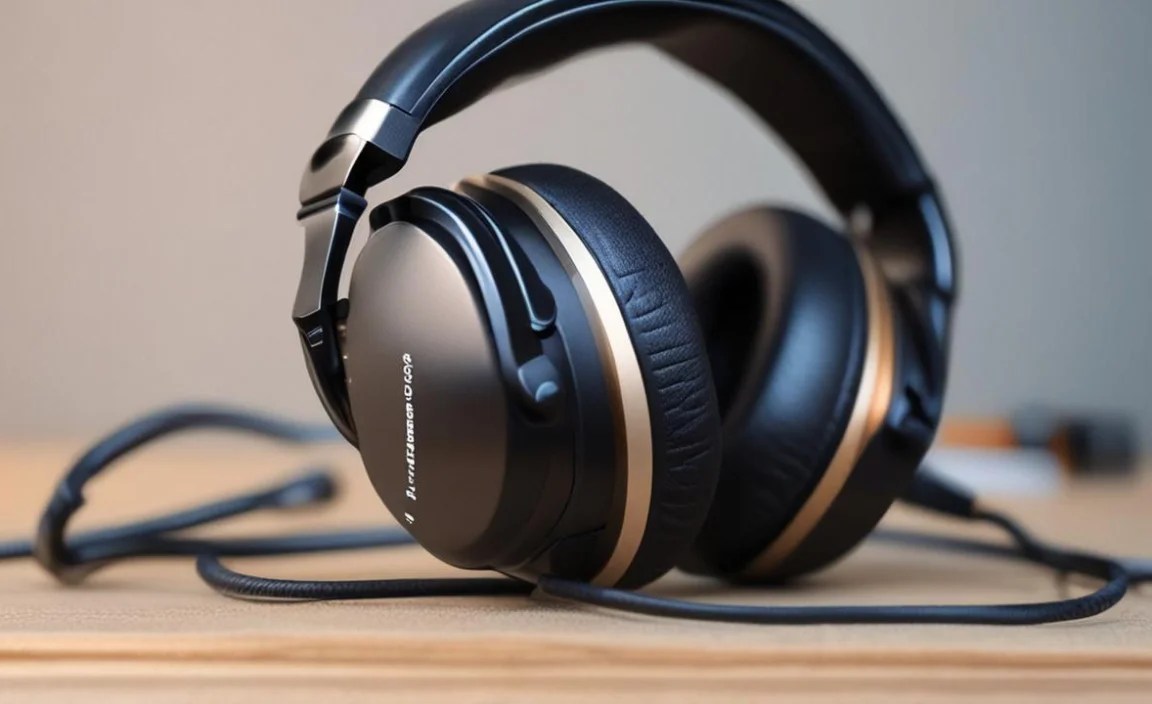
To help you visualize the differences, here’s a quick look at how different headphone types stack up for bass practice:
| Feature | Studio Monitor (Closed-Back) | Bass-Specific | General Over-Ear (Balanced) |
|---|---|---|---|
| Frequency Response | Neutral, accurate, good bass extension | Often boosted low-end | Varies, look for good bass presence |
| Sound Isolation | Excellent | Good to Excellent | Varies, usually Good |
| Comfort for Long Sessions | Typically very good | Typically good | Varies, check reviews |
| Durability | Often high | Varies, often good | Varies, check reviews |
| Primary Use Case for Bass Practice | Highly recommended for learning tone | Potentially good for feel, use with caution | Viable if balanced |
How to Connect Your Headphones for Practice
Connecting your headphones to your bass setup is usually straightforward:
1. Bass Amplifier with Headphone Jack
Most modern bass amplifiers, even practice amps, include a dedicated headphone output jack. Typically, this is a 1/4-inch or sometimes a 1/8-inch (3.5mm) jack. Your headphones will likely have a 1/8-inch plug, so you might need a 1/4-inch to 1/8-inch adapter. Always check your amp’s manual for the specific jack size and remember to turn the amp’s volume down before plugging in your headphones to avoid sudden loud noises.
2. Audio Interface or DI Box
If you’re using an audio interface to connect your bass to a computer or tablet for recording or practice apps, the interface will have a headphone output. Similarly, some DI (Direct Injection) boxes have headphone monitoring capabilities. These typically use a 1/8-inch or 1/4-inch jack.
3. Headphone Amplifier (Optional but Recommended)
For the best experience, a dedicated headphone amplifier can be beneficial. These devices take an audio input (from your amp’s pre-out, an audio interface, or even directly from some basses with active electronics) and provide a clean, strong signal specifically for your headphones. This is especially useful if your amp’s headphone out is weak or noisy, or if you’re using higher-impedance headphones. You can find simple, portable headphone amps designed for practice, often connecting via a 1/4-inch instrument cable or RCA inputs.
Step-by-Step Guide to Choosing and Using Headphones for Bass Practice
Ready to find your perfect pair? Follow these steps:
-
Assess Your Needs and Environment:
Where will you be practicing? Do you need to be quiet? Do you live with others? This will heavily influence whether you need excellent sound isolation (closed-back) or if a more open sound is acceptable.
-
Set Your Budget:
Headphones can range from $20 to over $300. For effective bass practice, aiming for a mid-range set ($70-$150) will likely offer the best balance of quality, durability, and features. You can find very capable studio monitor headphones in this range.
-
Prioritize Closed-Back, Over-Ear Designs:
As discussed, these offer the best combination of comfort and sound isolation for practice. This significantly narrows down your options.
-
Look for Accurate Frequency Response:
Even within closed-back options, check reviews and specifications for frequency response. Look for terms like “flat response,” “neutral,” or a bass extension that doesn’t sound artificially hyped. Avoid descriptions like “extra bass boost” or “boomy.”
-
Read Reviews Specifically for Musicians or Bassists:
User reviews, especially from other bass players or musicians, can offer invaluable insights into how a headphone performs for practice and its tonal characteristics. Look for comments on comfort, durability, and sound accuracy.
-
Consider Detachable Cables:
Headphone cables can be a weak point and are often the first thing to break. A detachable cable means you can replace it easily and cheaply if it gets damaged, extending the life of your headphones.
-
Test if Possible (Though Often Online):
If you can, try headphones on in a store. Feel their weight, the earcups, and the clamping force. However, most specialist audio gear is bought online. If so, rely heavily on reviews.
-
Make the Purchase and Connect:
Once you’ve chosen, purchase your headphones. Connect them to your bass amp, audio interface, or headphone amplifier. Remember to start with the volume very low!
-
Start Practicing and Listen Critically:
Play your bass. Listen to your tone, your articulations, and the overall sound. Does it feel accurate? Can you hear yourself clearly? This is where the payoff happens!
Top Considerations for Different Budget Levels
Your budget plays a significant role in what you can expect to get. Here’s a general breakdown:
Under $50: Entry-Level Gear
At this price point, you’ll be looking at basic closed-back headphones. Options might be limited, and durability can be a concern. Prioritize comfort and something that provides a reasonably clear sound without excessive muddiness. Brands like JVC, Samson, or some entry-level Sennheiser models might have suitable options. These will get the job done for basic practice but won’t offer the nuanced detail of higher-end models.
$50 – $150: Sweet Spot for Value
This is where you’ll find the best value for bass practice. Studio monitor headphones from brands like Audio-Technica (e.g., ATH-M30x, ATH-M40x), Sennheiser (e.g., HD 280 Pro), or AKG can be found here. They offer excellent sound accuracy, good comfort, and solid build quality. These are fantastic for developing your ear and understanding your tone.
$150+ : Professional Grade
In this range, you’re looking at top-tier studio monitors with exceptional build quality, comfort, and sound fidelity. Models like the Audio-Technica ATH-M50x, Beyerdynamic DT 770 Pro, or Sennheiser HD 300 Pro offer professional-level performance. While excellent, ensure you truly need this level of fidelity for your current practice needs, as the benefits might be more pronounced for recording or mixing.
Maintaining Your Headphones
To ensure your headphones last and sound their best, follow these simple maintenance tips:
- Keep them clean: Wipe down the earcups and headband periodically with a soft, dry cloth. For tougher grime, a slightly damp cloth (water only) can be used, but let them air dry completely before use.
- Store them properly: When not in use, store your headphones in a safe place where they won’t get crushed. Many headphones come with a carrying pouch or case, which is ideal. Avoid leaving them tangled with cables.
- Handle cables with care: Don’t yank on the cable to unplug them. Coil them gently, avoiding sharp bends or kinks. If your headphones have detachable cables, uncouple them rather than yanking on the wire itself.
- Protect from moisture: Avoid exposing your headphones to excessive sweat, rain, or humidity. If they get damp, dry them off immediately.
- Regularly check for wear and tear: Keep an eye on ear pads, which can wear out over time. Many headphones have replaceable ear pads, which is an easy and affordable way to refresh your headphones.
Common Pitfalls to Avoid
As you navigate the world of headphone shopping for bass practice, steer clear of these common mistakes:
- Buying “Gaming” Headphones: While some might provide good bass, they are often designed for immersion in game audio and can have an overly processed or artificial sound that isn’t ideal for critical musical practice.
- Focusing Purely on Bass Boost: The temptation to get headphones with “super bass” is strong. However, excessive bass boost will muddy your sound, making it harder to hear your actual tone and subtle mistakes. Accuracy is key for learning.
- Ignoring Comfort: It doesn’t matter how good they sound if you can’t wear them for more than 30 minutes without discomfort or ear fatigue. Prioritize a good fit and comfortable materials.
- Overlooking Closed-Back Isolation: If you practice in a shared space, open-back headphones will be disruptive to others and likely lead to you turning the volume up too high, risking hearing damage.
- Not Checking Impedance/Sensitivity for Your Gear: While less of an issue with modern amps, very high impedance headphones might not get loud enough from a standard amp headphone jack. Always check compatibility if you’re unsure, especially if you plan to use them with older gear.
Understanding “Latency” in Practice
Latency refers to the delay between when you play a note and when you hear it through your headphones. For passive headphone use plugged directly into an amp or simple device, latency is almost non-existent. However, if you are using headphones in conjunction with a computer, phone, or tablet via an audio interface or Bluetooth, latency can become an issue.
This delay can be very disorienting and make playing in time incredibly difficult. Bluetooth headphones, in particular, can suffer from noticeable latency. For serious bass practice where timing is
