
Quick Summary: This guide helps iPhone users find and connect wireless Bluetooth headphones. Learn about key features to look for, simple pairing steps, and tips for enjoying great sound. It’s designed for beginners, making the process easy and stress-free.
Welcome to headphonehorizon! Choosing the right pair of headphones Bluetooth for iPhone can feel like navigating a maze, but don’t worry – I’m here to help you find your perfect audio companion. Whether you’re a music aficionado, a podcast lover, or just need to take calls on the go, a good pair of wireless headphones can truly elevate your iPhone experience. We’ll break down what to look for, how to connect them seamlessly, and some handy tips to make sure you’re getting the best possible sound. Let’s dive in!
Why Go Wireless with Your iPhone?
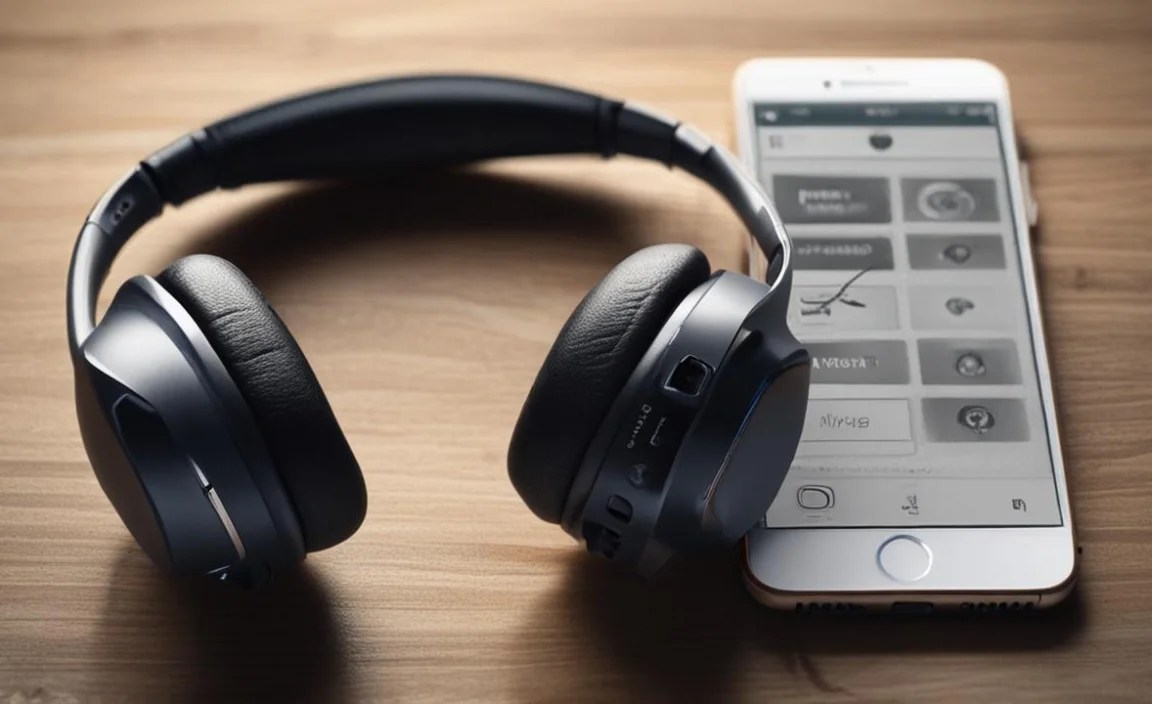
Bluetooth headphones offer unparalleled freedom. No more tangled wires snagging on your bag or desk! For iPhone users, the integration with Apple’s ecosystem is often seamless, making connection and usage a breeze. The convenience of simply popping them in and having them instantly ready to play your favorite tunes or take an important call is a game-changer for busy lifestyles. Plus, the technology has advanced so much that the sound quality is now on par with, and sometimes even better than, many wired options.
What to Look For in Bluetooth Headphones for iPhone

When you’re browsing for your next pair of wireless headphones, there are a few key features that will make a big difference in your listening experience. Think about how you’ll use them most, and let that guide your choices. Here’s a breakdown of what matters:
1. Sound Quality
This is arguably the most important aspect. For an iPhone, you want headphones that can deliver clear highs, rich mids, and satisfying bass. Look for specifications like driver size (larger drivers often mean richer sound) and support for high-quality audio codecs. While Apple’s proprietary systems like AAC are well-supported, some headphones might also supportaptX or LDAC for even better audio fidelity, though your iPhone may need to support these as well.
2. Comfort and Fit
You’ll be wearing these for hours, so comfort is non-negotiable. Consider:
- Earbud styles: Do you prefer buds that sit in your ear canal (in-ear), or those that rest just outside?
- Over-ear vs. On-ear: Over-ear headphones cup your entire ear for better isolation and comfort, while on-ear headphones rest on your ears (can be less comfortable for long periods).
- Weight: Lighter headphones generally mean more comfort.
- Materials: Plush earcups and adjustable headbands are key for over-ear and on-ear designs.
3. Battery Life
Nobody wants their headphones to die mid-commute or during a crucial work call. Check the quoted battery life for both the headphones themselves and the charging case (if applicable for earbuds). Many earbuds offer 4-8 hours on a single charge, with the case providing additional charges for a total of 20-30 hours or more.
4. Noise Cancellation (ANC) and Transparency Mode
Active Noise Cancellation (ANC) is fantastic for blocking out ambient noise, perfect for flights, noisy offices, or busy streets. It uses microphones to detect external sounds and generate anti-noise waves to cancel them out. On the flip side, Transparency Mode (or ambient sound mode) lets you hear your surroundings without taking your headphones off, which is great for staying aware of traffic or hearing announcements.
5. Durability and Water Resistance
If you plan to use your headphones for workouts or in potentially wet conditions, look for an IP (Ingress Protection) rating. For instance, an IPX4 rating means they can withstand splashes of water. Higher ratings indicate better protection against dust and water.
6. Microphone Quality
For calls, the microphone is crucial. Some headphones boast advanced microphone arrays designed to isolate your voice and reduce background noise, ensuring you sound clear to the person on the other end. This is especially important for professionals who often take calls on the go.
7. Connectivity and Ease of Use
Bluetooth version matters, with newer versions (like 5.0 and above) offering better range, stability, and power efficiency. For iPhones, look for headphones that pair easily and quickly. Some even support multipoint connectivity, allowing you to connect to two devices simultaneously (e.g., your iPhone and your laptop).
Popular Bluetooth Headphone Types for iPhone Users
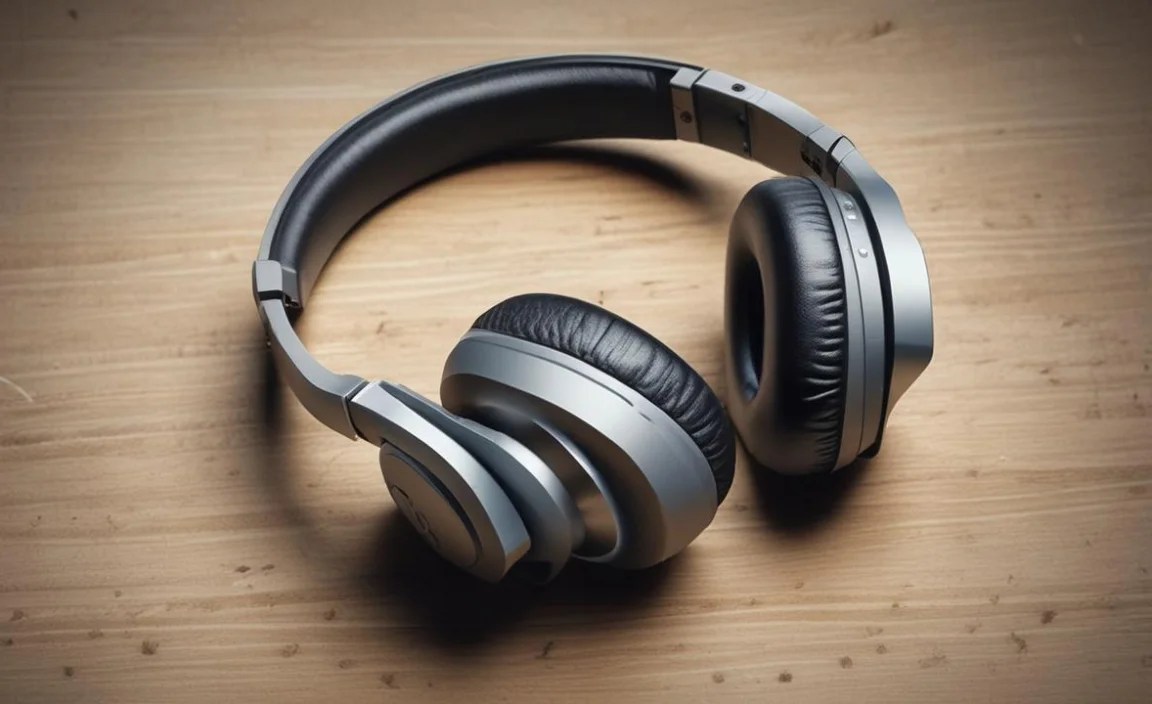
The world of Bluetooth headphones is vast, but they generally fall into a few categories, each with its own strengths for iPhone users.
True Wireless Earbuds
These are completely wire-free, with two separate earbuds. They are incredibly popular for their portability and discreet design. Many models offer excellent ANC and smart features.
- Pros: Ultimate portability, no wires at all, often come with compact charging cases.
- Cons: Can be easier to lose, battery life per bud might be shorter than over-ear, fit can be finicky for some.
Wireless Neckband Earbuds
These have two earbuds connected by a flexible band that rests around your neck. They offer a good balance of convenience and security.
- Pros: Less likely to be lost than true wireless, often have better battery life than individual buds, easy to pause and wear around the neck.
- Cons: The neckband can be noticeable, not as sleek as true wireless for some.
On-Ear Bluetooth Headphones
These sit directly on your ears. They are generally more compact than over-ear models.
- Pros: More portable than over-ear, less ear fatigue for some compared to in-ear.
- Cons: Can press too hard on the ears for long listening sessions, less passive noise isolation than over-ear.
Over-Ear Bluetooth Headphones
These completely enclose your ears, offering excellent comfort, immersive sound, and superior noise isolation.
- Pros: Best soundstage and immersion, most comfortable for long wear, highest potential for ANC effectiveness.
- Cons: Bulkiest, can be warm in hot weather, less portable.
How to Connect Your Bluetooth Headphones to Your iPhone: A Step-by-Step Guide

Pairing your Bluetooth headphones with your iPhone is usually a straightforward process. Here’s how to do it:
Step 1: Charge Your Headphones
Before you begin, ensure your Bluetooth headphones are sufficiently charged. Low battery can sometimes interfere with the pairing process.
Step 2: Put Your Headphones in Pairing Mode
This is the most crucial step and varies by headphone model. Usually, you’ll need to:
- For most headphones: Press and hold the power button or a dedicated Bluetooth button for several seconds.
- Look for an indicator: Your headphones will typically flash a blue or white light, or emit an audio cue, to let you know they are in pairing mode.
- Check your manual: If you’re unsure, always refer to your headphone’s user manual.
Step 3: Open Bluetooth Settings on Your iPhone
On your iPhone, navigate to the Settings app. Tap on Bluetooth.
Step 4: Enable Bluetooth
Make sure the Bluetooth toggle switch is turned ON (it will be green). Your iPhone will then start searching for nearby Bluetooth devices.
Step 5: Select Your Headphones from the List
Under the “Other Devices” or “My Devices” section, you should see the name of your Bluetooth headphones appear. It might be the brand name or a specific model number. Tap on the name of your headphones to initiate the pairing process.
Step 6: Confirm Pairing (If Prompted)
In most cases, your iPhone and headphones will pair automatically. However, some devices might ask you to confirm a pairing code or a “Pairing Request.” If prompted, tap “Pair.”
Step 7: Connected! Enjoy Your Audio
Once successfully paired, your headphones will move to the “My Devices” list and show “Connected” next to their name. You can now play music, take calls, or do anything else that requires audio output through your new Bluetooth headphones!
Troubleshooting Pairing Issues
If you encounter problems, here are a few quick fixes:
- Restart both devices: Turn off Bluetooth on your iPhone, then turn it off and back on again for your headphones.
- Forget the device: If you’ve previously paired the headphones, go to Settings > Bluetooth, tap the ‘i’ icon next to your headphones, and select “Forget This Device.” Then, try pairing again from scratch.
- Check for Interference: Other Bluetooth devices or Wi-Fi signals can sometimes cause interference. Move to a different location to try pairing.
- Update your iPhone software: Ensure your iPhone is running the latest version of iOS. You can check this in Settings > General > Software Update.
Using Your Bluetooth Headphones with iPhone Features
Modern Bluetooth headphones often integrate with iPhone features for a smoother experience. Here’s what you might encounter:
Automatic Reconnection
Once paired, your headphones should automatically connect to your iPhone whenever they are turned on and within range. This makes using them incredibly convenient for daily tasks.
Siri Integration
Many Bluetooth headphones, especially those from Apple (like AirPods), allow you to activate Siri hands-free. You can usually do this by saying “Hey Siri” or by long-pressing a button on the headphones.
For example, you could say, “Hey Siri, play my chill playlist,” or “Hey Siri, what’s the battery level on my headphones?” For more on using Siri, Apple provides excellent resources on their official support site like how to use Siri on your iPhone.
Audio Controls
Most headphones will have built-in controls for volume, play/pause, skipping tracks, and answering calls. These are usually accessible via buttons or touch-sensitive surfaces on the earbuds or earcups.
Apple’s Handoff Feature (for AirPods and some Beats)
If you own AirPods or certain Beats headphones, you might experience Apple’s Handoff feature. This allows your headphones to seamlessly switch audio between your Apple devices (iPhone, iPad, Mac) that are signed into the same Apple ID. For instance, if you’re watching a video on your iPad and then take a call on your iPhone, your AirPods can automatically switch to the iPhone.
Maintaining Your Bluetooth Headphones
Keeping your headphones in good condition ensures they last longer and perform at their best. Here are some simple maintenance tips:
1. Regular Cleaning
- Earbuds: Gently wipe the earbuds with a dry, soft cloth. For stubborn grime, use a slightly damp cloth (make sure it’s not wet) and alcohol-free cleaning wipes for electronics. Clean the mesh grilles with a dry, soft brush (like a toothbrush or a specialized cleaning brush) and ensure no earwax or debris builds up.
- Over-ear/On-ear: Wipe down the earcups and headband with a soft, dry cloth. If they are made of synthetic leather or PU leather, a slightly damp cloth can be used, followed by drying. For fabric earcups, use a lint roller or a soft brush.
- Charging Ports: Keep charging ports clean. Use a dry cotton swab to gently remove any dust or debris.
2. Proper Storage
When not in use, store your headphones in their original case or a protective pouch. This prevents them from getting scratched, dusty, or damaged. Avoid leaving them in direct sunlight or extreme temperatures.
3. Battery Care
Avoid fully draining the battery regularly if possible. Modern lithium-ion batteries (used in most headphones) perform best when kept between 20% and 80% charge, though this is often hard to manage with wireless devices. Avoid extremely high temperatures, as this can degrade battery health faster. For more on battery health, resources like those from the U.S. Department of Energy’s Energy Efficiency & Renewable Energy division often provide insights into battery technologies: Lithium-Ion Batteries.
4. Firmware Updates
Many Bluetooth headphones, especially those from major brands, receive firmware updates that can improve performance, fix bugs, or add new features. Check the manufacturer’s app or website periodically to see if an update is available for your model.
Comparing Popular Bluetooth Headphone Features for iPhone
To give you a clearer picture of what’s available, let’s look at a sample comparison of features you might find in different types of Bluetooth headphones. This is a general overview, and specific models will vary greatly.
| Feature | True Wireless Earbuds (e.g., AirPods Pro, Sony WF-1000XM4) | Over-Ear Headphones (e.g., Bose QuietComfort 45, Sony WH-1000XM5) | On-Ear Headphones (e.g., JBL Tune 510BT) |
|---|---|---|---|
| Portability | Excellent (pocketable case) | Good (foldable designs available) | Very Good (compact) |
| Comfort (Long Duration) | Varies by fit, can be excellent | Excellent | Good (some may find pressure) |
| Sound Quality Potential | Very Good to Excellent | Excellent | Good to Very Good |
| Active Noise Cancellation (ANC) | Commonly Excellent | Typically the best | Less common or less effective |
| Battery Life | 4-8 hrs per charge; 20-30+ hrs with case | 20-40+ hrs | 15-30+ hrs |
| Microphone Quality for Calls | Varies greatly; high-end models are good | Often very good | Fair to Good |
FAQ: Your Bluetooth Headphone Questions Answered
Here are some common questions beginners have about Bluetooth headphones for their iPhone:
-
Q: Do all Bluetooth headphones work with my iPhone?
A: Yes, generally. Apple’s iPhones use the
