
Quick Summary: Choosing the right headphones for your cassette player enhances your listening experience by ensuring compatibility and delivering clear, balanced audio. This guide will help you understand the key factors, from connector types to sound quality, making it easy to find the perfect pair for your classic tapes.
Headphones for Cassette Player: Essential Audio for Your Retro Tunes

Rediscovering the charm of cassette tapes is a fantastic journey back in time for many music lovers. Whether you’ve unearthed an old Walkman or a classic boombox, the next crucial step to enjoying those analog sounds is connecting the right headphones. But with so many options available today, how do you find headphones that are perfect for your cassette player? It’s simpler than you might think! Understanding a few key things about connectors and sound profiles will lead you to an audio experience that’s both nostalgic and surprisingly rich. Let’s dive in and ensure your cassette tapes sound their absolute best!
Why the Right Headphones Matter for Cassette Players

Cassette players, especially vintage ones, have a unique audio signature. The magnetic tape recording process, the analog playback mechanism, and the original recording quality all contribute to a sound that’s often described as warm, sometimes a bit lo-fi, and distinctly different from digital audio. Connecting modern, high-fidelity headphones designed for pristine digital sources can sometimes reveal limitations or simply not do justice to the character of the tape. Conversely, using old, worn-out headphones can introduce hiss, distortion, or an unbalanced frequency response, masking the subtle nuances of your favorite cassettes. The goal is to find headphones that either complement the cassette’s inherent sound or offer a neutral canvas to appreciate its analog warmth.
Understanding the Connector: The 3.5mm Jack is Your Friend

The most critical aspect when choosing headphones for any portable audio device, including cassette players, is the headphone jack. Thankfully, most cassette players, from the earliest portable models to later iterations, utilize a standard 3.5mm (or 1/8-inch) headphone jack. This is the same connector found on virtually all smartphones, MP3 players, and modern audio devices. However, it’s always good to double-check your specific cassette player model to be certain. Some very early or specialized players might have used a different, larger connector (like a 6.35mm or 1/4-inch jack, more common on stereo equipment), but this is rare for portable cassette devices.
What is a 3.5mm Jack?
- It’s a small, circular audio connector.
- It’s the standard size for most personal audio devices.
- It typically supports stereo audio (left and right channels).
- Many 3.5mm jacks can also carry microphone signals if the headphones have a built-in mic (though not all cassette players will utilize this feature).
If your cassette player happens to have a larger 1/4-inch jack, don’t despair! You can purchase an inexpensive adapter to convert the 1/4-inch jack to a 3.5mm jack. This opens up a world of headphone choices.
Adapters You Might Need:
- 1/4-inch to 3.5mm Adapter: Essential if your cassette player has a large headphone port.
- 3.5mm to 6.35mm (1/4-inch) Adapter: Less common for connecting to cassette players, but useful for connecting modern devices to older stereo systems.
What Type of Headphones Should You Choose?
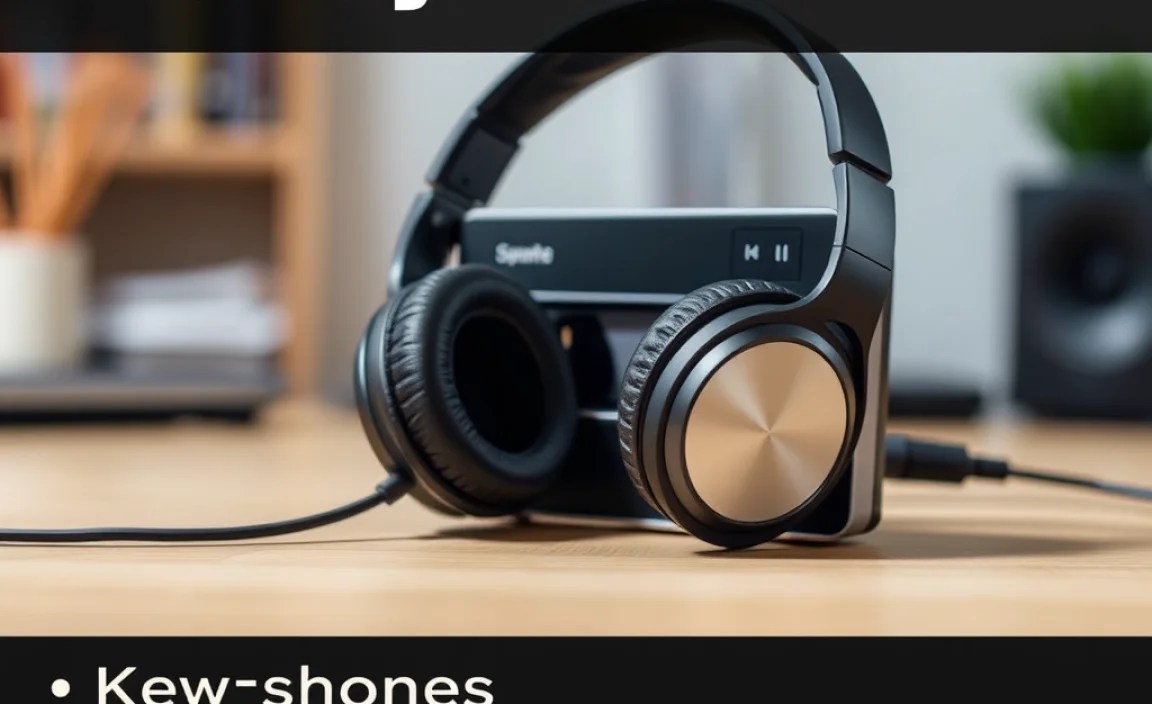
Once you’ve confirmed the connector, the next step is deciding on the type of headphones. The main categories are:
1. Over-Ear Headphones (Circumaural)
These headphones completely enclose your ears. They often provide the best sound isolation and can deliver rich, full-bodied sound, which can be great for enjoying the warmth of analog tapes. They can also be more comfortable for extended listening sessions.
Pros:
- Excellent sound quality and bass response.
- Superior noise isolation, blocking out ambient sounds.
- Comfortable for long-term wear.
Cons:
- Can be bulky and less portable.
- May cause ears to get warm after prolonged use.
- Can be more expensive.
2. On-Ear Headphones (Supra-aural)
These headphones rest directly on your ears. They offer a balance between portability and sound quality, though they typically provide less noise isolation than over-ear models. Some people find them less comfortable than over-ear variants due to pressure on the ears.
Pros:
- More portable than over-ear headphones.
- Generally lighter and more compact.
- Can offer a good soundstage.
Cons:
- Less effective at blocking external noise.
- Can cause ear discomfort for some users over time.
- Sound leakage can be an issue for others nearby.
3. In-Ear Monitors (IEMs) / Earbuds
These small headphones fit directly into your ear canal or sit just outside of it. They are the most portable option and, when fitted properly, can offer excellent noise isolation. Modern IEMs often deliver surprisingly detailed audio reproduction.
Pros:
- Extremely portable and discreet.
- Great noise isolation (especially with silicone tips).
- Often more affordable.
Cons:
- Can be less comfortable for some people.
- Sound quality can vary widely; beware of overly bassy or tinny models.
- Risk of earwax buildup if not cleaned regularly.
Key Features to Consider for Cassette Playback
When pairing headphones with a cassette player, a few specific features can make a significant difference in your listening enjoyment.
1. Impedance (Ohms)
Impedance refers to the electrical resistance of the headphones. Cassette players, being older portable devices, often have lower power output compared to modern digital audio players. This means they generally perform best with headphones that have a lower impedance, typically between 16 and 64 Ohms. Higher impedance headphones (like 250 Ohms or more) often require an amplifier to drive them properly, which might not be available with your cassette player.
Impedance and Cassette Players:
- Low Impedance (16-32 Ohms): Ideal for most portable devices, including cassette players. They get loud enough easily without draining power.
- Medium Impedance (33-64 Ohms): May work fine with some of the more powerful cassette players, but could sound quieter.
- High Impedance (64+ Ohms): Generally not recommended for direct connection to standard cassette players, as they will likely sound too quiet or lack bass.
2. Sound Signature / Frequency Response
The sound signature is how the headphones reproduce different frequencies (bass, mids, treble). While highly neutral or “flat” headphones are prized by audiophiles for accuracy, for cassette tapes, a slightly warmer sound signature might be more forgiving and enjoyable. Cassette recordings can sometimes lack the crispness or bass impact of modern digital files. Headphones that emphasize a bit of warmth and mid-bass can make these recordings sound fuller and more engaging.
Think about what you value:
- Warmth: A slight boost in the lower mids and bass. This can make instruments sound richer and more natural.
- Clarity: Good separation of instruments and clear vocals.
- Bass: Do you want deep, thumping bass, or a more subtle, natural low-end? Cassette recordings often have a less pronounced bass than modern music, so overly bass-heavy headphones might exaggerate this.
- Treble: High frequencies. Too much can sound harsh or sibilant, while too little can make the sound muddy.
Many reviews will describe a headphone’s sound signature. Look for terms like “balanced,” “warm,” “musical,” or “engaging.” Avoid terms like “analytical,” “bright,” or “clinical” if you’re aiming for a classic, warm cassette sound.
A good resource for understanding audio frequencies is the Audio Check website, which provides tools to test your speakers or headphones and understand frequency response.
3. Comfort and Durability
This is subjective and depends on your listening habits. If you’re planning long listening sessions with your cassette collection, comfort is paramount. For portable use, durability and how well they fold or store might be more important.
Recommended Headphone Types for Cassette Players
Based on the above, here are some general recommendations:
| Headphone Type | Best For | Considerations for Cassettes |
|---|---|---|
| Closed-Back Over-Ear | Immersive listening, noise isolation, rich sound. | Excellent for capturing the warmth of tapes, good for noisy environments. Look for models with a balanced or slightly warm sound profile (e.g., Audio-Technica ATH-M50x – though often need a DAC for modern clarity, the m50x is versatile enough when plugged directly well). |
| Open-Back Over-Ear | Natural soundstage, detailed audio, comfortable for home use. | Can reveal the nuances of well-recorded tapes, but offer poor isolation. Better for quiet environments. (e.g., Sennheiser HD 599) |
| Budget-Friendly Earbuds | Portability, casual listening, good value. | Choose models known for a pleasant, non-fatiguing sound. Avoid extremely bass-heavy or sharp-sounding earbuds. Classic earbuds like the Koss KSC75 (on-ear clip) or even well-regarded budget IEMs (JVC HA-FX1X for bass lovers, or general neutral ones) can be excellent companions. |
When looking at specific models, it’s helpful to consult reviews from reputable sites like Rtings.com or Head-Fi.org. They often provide in-depth measurements and subjective listening impressions. Remember to check the impedance ratings!
Connecting and Testing Your Headphones
Once you have your headphones, the connection is usually straightforward. Simply plug the 3.5mm jack (or your adapter) into the headphone port on your cassette player. Then, play your cassette tape and listen.
Step-by-Step Testing Process:
- Plug In: Connect your chosen headphones firmly into the cassette player’s headphone jack.
- Test Volume: Start with the cassette player’s volume at a low setting. Gradually increase it. You want to reach a comfortable listening level without the sound distorting or becoming excessively quiet, which might indicate an impedance mismatch.
- Listen for Clarity: Pay attention to the music’s details. Can you hear the individual instruments? Are the vocals clear? Is there any unwanted hiss or static that seems to come from the headphones themselves (beyond what’s inherent in the tape)?
- Check Bass and Treble: Does the bass sound muddy or too weak? Is the treble harsh or pleasant? A good pair of headphones will present a balanced sound that doesn’t overwhelm the cassette’s natural character.
- Assess Comfort: If you plan on listening for a while, ensure the headphones are comfortable. Adjust earcups, headbands, or ear tip sizes as needed.
- Isolate Noise: If your player is noisy or you’re in a slightly noisy environment, evaluate how well the headphones block out that external sound.
Maintaining Your Cassette Player and Headphones
To keep your audio system sounding its best, a little maintenance goes a long way.
Cassette Player Care:
- Clean the Heads: The playback heads can accumulate dirt and magnetic tape residue, leading to muffled or distorted sound. Use a dedicated cassette head cleaner (either a cleaning cassette or a head-cleaning fluid and cotton swabs) periodically. Refer to your player’s manual for specific instructions.
- Clean the Rollers and Capstan: These parts also get dirty and can affect tape speed and sound quality. Ensure they are clean and free of grime.
- Demagnetize Heads: Over time, the playback heads can become magnetized, which degrades sound quality. A head demagnetizer can help restore optimal performance. Tapeheads is a great community for deep dives into tape deck maintenance.
- Replace Belts: Older cassette players often suffer from stretched or broken rubber belts that drive the motors. If your player is running too slow, too fast, or not playing at all, belts are often the culprit. This is a DIY task that requires some patience and mechanical skill.
Headphone Care:
- Clean Earcups and Ear Tips: Regularly clean the parts that come into contact with your ears to maintain hygiene and sound quality. For over-ear and on-ear headphones, use a damp cloth (not wet) and mild soap if necessary. For earbuds, use a dry cloth or a brush for the mesh and replace silicone tips if they become clogged or worn.
- Tidy the Cable: Avoid tightly wrapping the headphone cable. Coil it loosely to prevent strain and damage to the internal wires, which can lead to one channel cutting out.
- Store Properly: When not in use, store your headphones in a protective case or a safe place where they won’t get crushed or tangled.
- Inspect the Jack: Ensure the headphone jack is clean and free from lint or debris, as this can affect the connection and sound.
Troubleshooting Common Issues
Even with the right gear, you might encounter a few common problems. Here’s how to tackle them:
Problem: Only One Channel Works ( or Sound is Mono)
- Check the Plug: Ensure the headphone plug is fully inserted into the jack. Sometimes, if it’s slightly loose, it can cause one channel to drop out.
- TWist the Plug: Gently twist the headphone plug while it’s plugged in. If the sound comes and goes, the issue is likely with the headphone cable itself (a broken wire or loose connection near the plug).
- Test With Other Headphones: Try a different pair of headphones. If those work fine, the problem is with your original headphones.
- Test on Another Device: Try your headphones on a known working device (like a smartphone). If they still only produce sound in one channel, the headphones are the problem.
- Cassette Player Issue: If multiple headphones have the same issue with the cassette player, the problem might be with the player’s headphone jack or internal wiring. This can be trickier to fix and might require professional repair.
Problem: Sound is Too Quiet or Lacks Punch
- Check Player Volume: Ensure your cassette player’s volume is turned up sufficiently.
- Check Headphone Impedance: Your headphones might have too high an impedance for the cassette player, meaning they require more power than the player can deliver. Stick to headphones rated 64 Ohms or lower, ideally closer to 16-32 Ohms for older portable players.
- Tape Quality: Very old or poorly preserved tapes can sound quieter naturally. So can recordings made at a lower volume.
- Headphone Sensitivity: Different headphones have different sensitivities, measured in dB/mW. Higher sensitivity means they produce more volume with the same amount of power.
Problem: Sound is Distorted or Hissy
- Tape Condition: The tape itself could be worn out, damaged, or poorly recorded. Try a different tape to see if the issue persists.
- Dirty Playback Heads: As mentioned in maintenance, dirty heads are a major cause of distortion and hiss. Clean them thoroughly.
- Headphone Quality: Cheap, low-quality headphones can introduce their own hiss or distortion, especially at higher volumes.
- Cassette Player Electronics: The internal audio components of the cassette player might be failing, leading to distortion.
