
Quick Summary: Choosing the right headphones for construction sites is crucial for safety and productivity. Prioritize noise reduction, durability, comfort for long hours, and clear communication. Look for features like high Noise Reduction Rating (NRR), water resistance, and secure fit to ensure your essential gear helps you stay safe and focused.
Headphones for Construction: Essential Gear to Protect Your Hearing and Boost Productivity
Hey there, audio explorers! Edward Cavitt here from Headphone Horizon. When you’re on a bustling construction site, the sounds can be overwhelming – the clang of metal, the roar of machinery, the constant chatter. Not only can these noises be distracting, but prolonged exposure can seriously damage your hearing. That’s where the right pair of headphones becomes more than just an accessory; it’s essential safety gear. We’re going to dive into what makes a pair of headphones truly construction-ready, breaking down the features that matter most so you can make a smart choice. Get ready to discover how the right headphones can keep your ears safe and your workday running smoothly.
Why Are Headphones So Important on a Construction Site?

Construction sites are noisy environments. The auditory landscape is often filled with sounds that can exceed safe listening levels. According to the Occupational Safety and Health Administration (OSHA), workplace noise exposure can lead to temporary or permanent hearing loss. In fact, construction is consistently identified as one of the industries with the highest rates of occupational hearing loss. Standard headphones, designed for casual listening, simply won’t cut it. They often fail to provide adequate protection and can be easily damaged by the harsh conditions. Specialized construction headphones are built to tackle these challenges head-on, offering a dual benefit: protecting your precious hearing and even enhancing your ability to communicate and stay focused.
Understanding Noise Reduction: The Nitty-Gritty

The most critical feature for construction headphones is their ability to block out or reduce ambient noise. You’ll see a rating called Noise Reduction Rating (NRR) on many protective devices, including headphones. This rating, typically in decibels (dB), tells you how much the product is designed to reduce noise. A higher NRR means more noise reduction.
What is NRR?
The OSHA website explains that NRR is a standardized measurement used to indicate the effectiveness of hearing protection. It’s determined by laboratory tests and represents the maximum noise reduction that can be achieved under ideal conditions. In real-world use, the actual noise reduction might be slightly lower due to factors like improper fit or the specific frequencies of the noise.
Types of Noise Reduction
- Passive Noise Isolation (or Noise Reduction): This is achieved through the physical design of the headphones, like thick earcups and snug-fitting seals, that physically block sound from entering your ears. Think of it like wearing earmuffs – they create a barrier.
- Active Noise Cancellation (ANC): This technology uses microphones to detect ambient noise and then generates an opposing sound wave to cancel it out. While fantastic for many environments, ANC might not be the primary focus for construction sites where blocking all noise is key, and the intense, varied noises might challenge ANC systems. Some construction headphones might offer a hybrid approach.
Key Features to Look For in Construction Headphones

Beyond noise reduction, several other factors make a pair of headphones ideal for the demands of a construction site. Let’s break them down:
1. Durability and Ruggedness
Construction sites are tough environments. Your headphones need to withstand dust, moisture, drops, and general wear and tear. Look for:
- Robust materials: Hard plastics, reinforced headbands, and sturdy earcups.
- IP Rating: An Ingress Protection (IP) rating indicates how well the device is protected against dust and water. For construction, aim for at least an IP54 rating, meaning it’s protected from dust ingress and water splashing from any direction. Higher ratings are even better!
- Impact resistance: Some headphones are specifically designed to withstand drops from a certain height.
2. Comfort for Long Wear
You might be wearing your headphones all day. Comfort is paramount to avoid headaches and fatigue. Consider:
- Padded earcups: Soft, breathable materials that don’t get too hot.
- Adjustable headband: A secure and comfortable fit that doesn’t pinch.
- Lightweight design: Less weight means less strain over long periods.
- Ergonomic fit: Earcups that contour naturally to your ears.
3. Communication Capabilities
Sometimes, you need to communicate on the job. Many construction headphones have built-in features for this:
- Integrated microphones: For taking calls or talking to colleagues.
- Voice passthrough/ambient sound mode: This allows you to hear important external sounds (like alarms or approaching vehicles) without taking off your headphones. This is an excellent safety feature.
- Push-to-talk (PTT) functionality: Some professional-grade headphones integrate with two-way radios or communication systems.
4. Power and Battery Life
If you’re opting for headphones with electronic features like ANC or Bluetooth, battery life is crucial. You don’t want your headphones dying mid-shift.
- Long battery life: Aim for models offering 20+ hours of use.
- Rechargeable batteries: Often via USB-C for convenience.
- Replaceable batteries: For some models, this offers the ultimate flexibility if you’re in a remote location.
5. Connectivity (Bluetooth vs. Wired)
This is a matter of preference and job requirements:
- Bluetooth: Offers wireless freedom, which can be convenient. Ensure it’s a stable connection.
- Wired: Typically more robust and reliable in extremely harsh environments. Often uses a standard 3.5mm jack or a proprietary connector.
Types of Headphones Best Suited for Construction
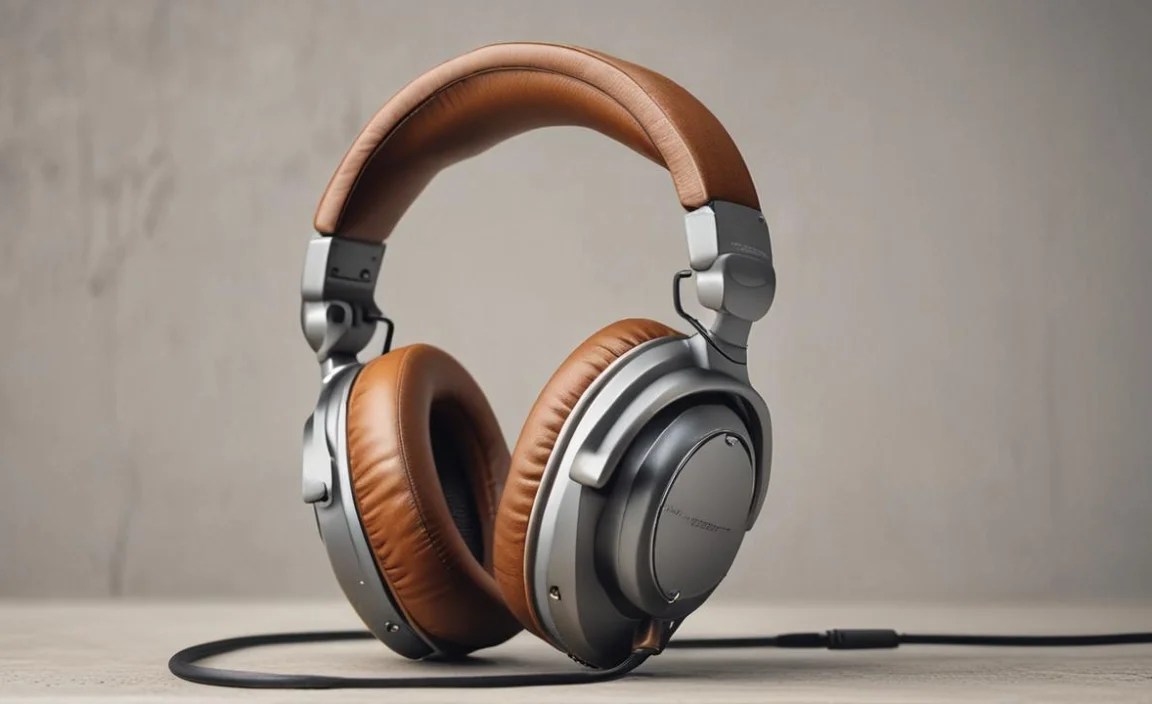
The “best” type often depends on your specific needs and the level of noise you’re dealing with. Here are the common categories:
1. Noise-Reducing Earmuffs with Communication
These are often the workhorses of the construction site. They look like high-end earmuffs but have integrated electronics.
- Pros: Excellent noise reduction, very durable, often designed for long-wear comfort, typically include reliable communication features like Bluetooth or built-in radios.
- Cons: Can be bulkier than other types, may have a heftier price tag.
Ideal for: Workers in extremely noisy environments, those who need reliable communication, and who value maximum hearing protection.
2. Rugged Bluetooth Headphones
These are more traditional-looking headphones but built with durability in mind. They often feature significant passive noise isolation.
- Pros: Offer wireless convenience, good noise isolation, some models are very robust and water-resistant, often deliver great audio quality for music or calls.
- Cons: Noise reduction might be slightly less than specialized earmuffs, durability can vary greatly by brand and model.
Ideal for: Less intensely noisy environments, workers who want to listen to music or podcasts while staying safe, and those who prioritize convenience.
3. Safety Earplugs with Integrated Audio/Bluetooth
Smaller and often less obtrusive, these combine earplugs with audio capabilities.
- Pros: Very discreet, lightweight, good for tight spaces where large earmuffs might be cumbersome.
- Cons: Noise reduction levels can vary, comfort for very long periods might be an issue for some.
Ideal for: Workers who need discrete protection, those working in confined spaces, or as a secondary option to traditional earmuffs.
Top Features Summarized: A Quick Reference
To help you weigh your options, here’s a table summarizing the key features and their importance:
| Feature | Importance (High/Medium/Low) | What to Look For |
|---|---|---|
| Noise Reduction (NRR) | High | High NRR rating (20+ dB), passive isolation |
| Durability & Ruggedness | High | IP rating (IP54+), impact resistance, robust materials |
| Comfort | High | Padded earcups, adjustable headband, lightweight |
| Communication Features | Medium/High (depending on job) | Microphone, ambient sound mode, PTT |
| Battery Life | Medium (for electronic features) | 20+ hours, quick charging |
| Connectivity | Medium | Stable Bluetooth or reliable wired connection |
| Safety Certifications | High | ANSI S3.19 or similar (look for markings on the product) |
Making the Right Choice: A Step-by-Step Approach
Not sure where to start? Follow these steps to pick the best headphones for your construction needs:
Step 1: Assess Your Work Environment’s Noise Levels
This is your starting point. Are you working near heavy machinery constantly (e.g., a jackhammer, concrete saw)? Or is your environment more about intermittent loud noises and general background buzz?
- Extremely Loud: If noise levels are consistently high (e.g., 90 dB or more), prioritize headphones with the highest NRR you can find (25 dB or higher).
- Moderately Loud: For environments with significant but not constant high noise, an NRR of 20-24 dB might suffice.
For a better understanding of noise levels, check out the NIOSH Noise and Hearing Conservation page.
Step 2: Consider Your Communication Needs
Do you often need to talk to coworkers, supervisors, or answer calls? If so, look for:
- Built-in microphone: Ensure it’s clear and picks up your voice well.
- Ambient sound/passthrough mode: This is crucial for safety if clear external awareness is needed without removing hearing protection.
- Noise-canceling microphone: This helps your voice cut through the background noise.
Step 3: Evaluate Durability and Protection Requirements
Think about the elements you face daily:
- Dust and water: Absolutely look for an IP rating. IP54 is a minimum, with IP65 or higher being excellent for dusty and wet conditions.
- Impacts: If you often work in areas where bumps and knocks are common, choose models specifically advertised as impact-resistant.
Step 4: Prioritize Comfort for Extended Wear
If your shift is 8-10 hours long, comfort is non-negotiable. Try to:
- Read reviews: Look for feedback on comfort during long workdays.
- Check materials: Soft, breathable earcups are a plus.
- Consider weight: Lighter headphones are generally more comfortable.
Step 5: Decide on Connectivity (Wired vs. Wireless)
This is largely personal preference and depends on what you use your headphones for.
- Wireless (Bluetooth): Great for freedom of movement, but ensure it’s a reliable connection. Battery life is key here.
- Wired: Often more rugged and don’t rely on battery power, but the cable can sometimes get in the way.
Step 6: Set Your Budget and Research Brands
Good construction headphones can range from under $50 to over $200. While it’s tempting to go for the cheapest option, investing a bit more often means better durability, comfort, and protection.
Reputable brands in the professional audio and safety gear space often include:
- 3M Peltor
- ISOtunes
- Honeywell
- Howard Leight (by Honeywell)
- Mack’s (for more budget-friendly options)
Real-World Scenarios & Recommendations
Let’s imagine a few scenarios to help illustrate the choices:
Scenario 1: The Heavy Equipment Operator
- Environment: Constant engine noise, grinding, hammering. Very high noise levels.
- Needs: Maximum hearing protection, clear communication, durability, comfort for 10+ hour days.
- Recommendation: A Peltor WorkTunes Pro or an ISOtunes Pro ADV with a high NRR (25+ dB), excellent passive isolation, Bluetooth for calls/music, and a good ambient sound mode.
Scenario 2: The Carpenter on a Residential Site
- Environment: Power tools, saws, nail guns, general chatter. High but sometimes intermittent noise.
- Needs: Good noise reduction, ability to talk to crew, durable enough for sawdust and occasional bumps.
- Recommendation: A Honeywell Howard Leight Impact Sport Earmuffs with Bluetooth, offering good protection and useful ambient sound amplification for communication.
Scenario 3: The Electrician Working in Walls
- Environment: Might be working in tight spaces, with intermittent loud noises from nearby equipment or fellow workers.
- Needs: Less bulky protection if possible, good noise reduction for specific loud tasks, ability to communicate easily.
- Recommendation: Perhaps ISOtunes Free ENTF (earplug style) for better fit in tight spaces, or a sleek Bluetooth headset like the 3M WorkTunes Wireless Hearing Protector if space allows.
Maintaining Your Construction Headphones
Just like any tool, your headphones will perform best and last longer with a little care:
- Cleaning: After each use, wipe down earcups and the headband with a damp cloth. For stubborn dust or grime, a mild soap and water solution can work, but ensure they are completely dry before the next use.
- Ear Cushion Replacement: Ear cushions can wear out over time, which affects both comfort and the seal (and thus, noise reduction). Many brands offer replacement kits. It’s a good idea to replace them every 6-12 months, depending on use.
- Storage: When not in use, store your headphones in a clean, dry place, away from direct sunlight and extreme temperatures. A small carrying pouch can protect them from dust and scratches.
- Cable Care (for wired models): Avoid kinking or sharply bending cables. Ensure connections are clean.
- Battery Care: For Bluetooth models, try not to let the battery sit completely drained for extended periods. Follow the manufacturer’s charging recommendations.
Frequently Asked Questions (FAQs)
Q1: Can I use regular noise-canceling headphones on a construction site?
While regular noise-canceling headphones can reduce some ambient sound, they are generally not designed for the extreme durability, intense noise levels, and safety standards required on a construction site. They might not offer sufficient hearing protection and could be easily damaged. Always opt for headphones specifically made for industrial or construction environments.
Q2: Are all construction headphones Bluetooth?
No, not all construction headphones are Bluetooth. Some models are purely passive noise reducers, while others might use wired connections. Many modern construction headphones do offer Bluetooth for convenience, but it’s an optional feature. If you don’t need wireless connectivity, you can find great, reliable wired or non-Bluetooth options.
Q3: How do I know if my construction headphones are providing enough protection?
Look for the Noise Reduction Rating (NRR) on the packaging or the product itself. A higher NRR (e.g., 25 dB or more) indicates greater protection. Also, ensure the headphones create a good seal around your ears – an improper fit significantly reduces their effectiveness. You should notice a considerable muffling of the ambient noise.
Q4: Do construction headphones help with conversations on site?
Some do! Headphones with an “ambient sound mode” or “situational awareness” feature use external microphones to pick up important sounds like voices or warning signals and play them to you at a safe volume. This allows you to stay protected from loud noises while still being able to hear essential communications. This is an extremely valuable safety feature.
Q5: How often should I replace my ear cushions?
It’s generally recommended to replace ear cushions every 6 to 12 months, depending on how frequently you use your headphones and the conditions they are exposed to. Worn-out ear cushions can compromise the seal, reducing noise reduction effectiveness and comfort. Check them regularly for signs of wear and tear.
