
Quick Summary: Discover headphones specifically designed for sleep. These comfort-focused devices offer gentle sound, plush materials, and unobtrusive designs, perfect for unwinding, blocking noise, or enjoying calming audio without disrupting your rest. Essential for peaceful nights.
Headphones Designed For Sleeping: Essential Comfort for a Restful Night
Tired of tossing and turning, struggling to find comfort with bulky headphones or waking up with sore ears? Achieving a truly restful night’s sleep can be a game-changer for your overall health and well-being. For many, the solution lies not just in a good mattress or a quiet room, but in the right audio companions. If you’re looking to drift off to calming nature sounds, guided meditations, audiobooks, or simply want to enjoy your favorite music without disturbing your partner, headphones designed specifically for sleeping might be exactly what you need. These aren’t your average headphones; they’re crafted with ultimate comfort and subtlety in mind, ensuring your sleep is undisturbed and rejuvenating.
Why Traditional Headphones Aren’t Ideal for Sleep

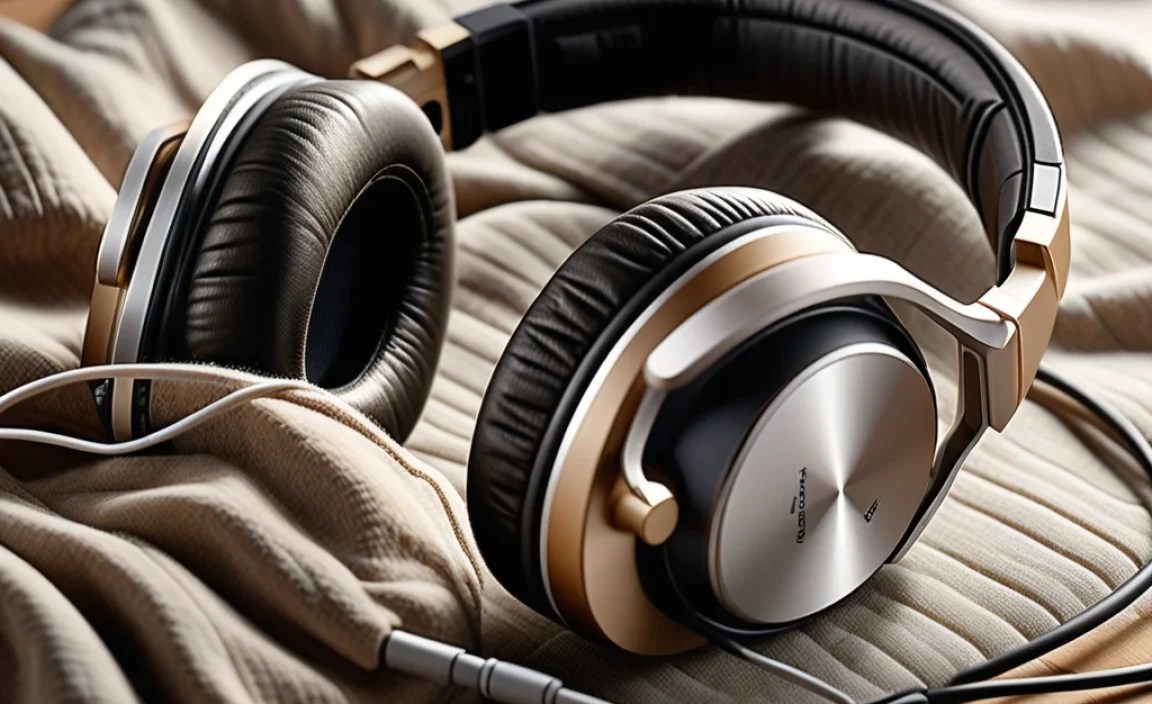
Before we dive into the world of sleep-friendly headphones, let’s quickly touch upon why your everyday over-ear or in-ear buds might not be the best choice for bedtime. Traditional headphones often come with hard plastic components, sharp edges, or bulky designs that press uncomfortably against your head and ears when you lie down. Over-ear models can be hot, and in-ear earbuds, while small, can cause pressure points or fall out during the night. They are typically designed for active listening, not for the prolonged, passive comfort required for sleep.
Introducing Headphones Designed for Sleeping: A New Kind of Comfort

Headphones designed for sleeping, often referred to as sleep headphones, sleep headbands, or sleep earbuds, are engineered from the ground up with your comfort at the forefront. They aim to deliver audio discreetly and comfortably, making them ideal for side sleepers, back sleepers, and anyone who finds traditional headphones disruptive.
Key Features to Look For:
- Soft, Breathable Materials: Look for plush fabrics like cotton, modal, or bamboo blends that won’t irritate your skin and allow for airflow.
- Low-Profile Design: The goal is minimal bulk. This means flat speakers embedded in headbands or very small, ergonomically shaped earbuds.
- Secure but Gentle Fit: They should stay in place without feeling constrictive, often achieved through elasticated headbands or secure earbud tips.
- Wireless Connectivity (Bluetooth): Most modern sleep headphones use Bluetooth for a wire-free experience, eliminating the hassle of tangled cords.
- Long Battery Life: For uninterrupted listening throughout the night or for multiple nights.
- Easy Controls: Simple buttons integrated into the headband or earbuds for play/pause, volume, and track skipping, so you don’t have to fumble around.
- Washable Design: Because hygiene is important, many headbands are designed to be easily cleaned.
Types of Headphones Designed for Sleeping

The market offers a variety of styles, each catering to different preferences. Understanding these options will help you choose the best fit for your unique sleeping habits and audio needs.
1. Sleep Headband Headphones
These are perhaps the most popular and versatile type. They consist of a soft, elastic headband with flat, built-in speakers that rest over your ears. The audio is delivered directly without anything needing to go inside your ear canal.
Pros of Sleep Headbands:
- Extremely comfortable for side sleepers.
- Blocks out ambient noise to a degree.
- Can also be worn during the day for light exercise or relaxation.
- Often feature washable covers.
- Available in various sizes and materials.
Cons of Sleep Headbands:
- May occasionally slip down if not fitted properly.
- Sound quality might be less immersive than traditional headphones.
- Can sometimes feel warm in very hot climates.
2. Ultra-Thin Sleep Earbuds
These are designed to be much smaller and more unobtrusive than standard earbuds. They often feature a very flat profile or a curved shape that sits flush within the ear, minimizing the pressure when lying down. Some even boast silicone or foam tips designed for extended ear comfort.
Pros of Ultra-Thin Sleep Earbuds:
- Very discreet and lightweight.
- Can offer a more direct and potentially better sound quality than headbands.
- Less likely to fall out if they have a good fit/seal.
- Less heat generated compared to headbands.
Cons of Ultra-Thin Sleep Earbuds:
- Still a possibility of discomfort for some ear shapes, especially for side sleepers.
- Can be harder to find and may have a higher price point.
- Risk of losing smaller earbuds.
3. Wired Sleep Headphones (Less Common)
While Bluetooth is dominant, some manufacturers still offer wired versions. These typically mimic the headband design but connect via a 3.5mm jack or USB-C. They can be a good option if you prefer to avoid Bluetooth or have devices without it.
Pros of Wired Sleep Headphones:
- No battery charging required.
- Potentially no audio latency issues.
- Often more budget-friendly.
Cons of Wired Sleep Headphones:
- The wire can be a nuisance and get tangled.
- Limited mobility.
- Less common in the market.
Making Your Choice: A Step-by-Step Guide
Selecting the right sleep headphones involves a few simple considerations. Let’s break it down.
Step 1: Assess Your Sleeping Position
This is crucial. Are you a:
- Side Sleeper: Headband headphones or very flat earbuds are typically best. You need something that compresses without creating a pressure point.
- Back Sleeper: You have more flexibility. Both headbands and earbuds can work, though headbands might offer better overall coverage and comfort.
- Combination Sleeper: Consider a headband for maximum versatility, or invest in both a good headband and a well-fitting set of flat earbuds.
Step 2: Determine Your Audio Needs
What will you be listening to?
- Calming Music/Nature Sounds: Most sleep headphones will do a fine job.
- Audiobooks/Podcasts: Clarity is more important here. Look for reviews that mention voice intelligibility.
- Guided Meditations/ASMR: Gentle, clear sound is key.
- White Noise/Sleep Sounds Apps: Essential for blocking out external disturbances.
Step 3: Check the Materials and Comfort Features
When looking at product descriptions, pay attention to:
- Fabric Type: Is it soft, breathable, hypoallergenic?
- Speaker Thickness: For headbands, how thin are the speakers?
- Earbud Shape: Are they ergonomic? Do they come with multiple tip sizes?
- Adjustability: How secure is the headband? Can the earbuds be adjusted?
Step 4: Consider Battery Life and Connectivity
For Bluetooth models:
- Battery Life: Aim for at least 8-10 hours to cover a full night, ideally more if you plan on multiple nights between charges.
- Bluetooth Version: Newer versions (e.g., Bluetooth 5.0 or higher) generally offer more stable connections and better power efficiency.
- Charging Method: USB-C is convenient and modern.
Step 5: Read Reviews and Compare Options
Don’t underestimate the power of user reviews. Look for feedback specifically mentioning comfort during sleep, sound quality for speech, and durability. Websites like Wirecutter, Sleep Foundation, and even major electronics retailers often have well-researched reviews.
Top Features Distinguishing Sleep Headphones

To help you visualize, let’s look at a comparative table of common features.
| Feature | Sleep Headband Headphones | Ultra-Thin Sleep Earbuds | Standard Earbuds/Headphones |
|---|---|---|---|
| Comfort for Side Sleepers | Excellent | Good (depending on design) | Poor to Fair |
| Speaker Thickness/Profile | Very Thin, flat speakers | Extremely Thin, flush fit | Moderate to Thick |
| Pressure Points on Ear | Minimal to None | Minimal to Moderate | Moderate to High |
| Noise Isolation (Passive) | Moderate (from headband) | Good (from ear seal) | Good to Excellent |
| Heat Generation | Moderate | Low | Moderate to High |
| Wire-Free Experience | Yes (Bluetooth) | Yes (Bluetooth/True Wireless) | Yes (Bluetooth) or No (Wired) |
| Washable Component | Often (fabric cover) | No | Rarely |
Using Your Sleep Headphones Effectively
Once you’ve chosen your perfect pair, here are some tips for getting the most out of them:
- Charge Them Fully: Before your first use, ensure they are fully charged to avoid interruptions.
- Pair Before Bed: Connect them to your device (phone, tablet) while you’re still awake and test the volume.
- Find the Right Fit: Adjust headbands for a snug but comfortable feel. For earbuds, try different tip sizes to find the most secure and comfortable seal.
- Positioning is Key: For headbands, make sure the speakers are centered over your ears. Experiment with slight adjustments to find the sweet spot.
- Use Sleep-Friendly Apps: Explore apps like Calm, Headspace, Spotify’s sleep playlists, or your preferred audiobook service. Many offer features to automatically fade out or set sleep timers.
- Set Volume Appropriately: You want to hear your audio clearly but not so loud that it’s disturbing or prevents you from hearing important sounds (like an alarm). A good guide is to keep it at a level that’s just audible.
- Clean Regularly: For hygiene, especially with headbands, wash the fabric covers according to the manufacturer’s instructions. For earbuds, gently wipe down the tips and surfaces.
Can Sleep Headphones Actually Help You Sleep Better?
Yes, they absolutely can! The benefits are multifaceted:
- Masking Distracting Noise: Whether it’s a partner’s snoring, street noise, or a noisy neighbor, calming audio at a low volume can effectively mask these disruptions. This concept is related to auditory masking, a well-known technique for improving focus and sleep quality. According to the National Sleep Foundation, a consistent, low-level sound can be more effective than complete silence for some individuals.
- Facilitating Relaxation: Guided meditations, deep breathing exercises, or calming music can significantly reduce stress and anxiety that often keep people awake. The dedicated nature of sleep headphones ensures this content is delivered directly and unobtrusively.
- Providing a Consistent Sleep Cue: For some, listening to the same audio content each night can create a powerful psychological association with winding down and falling asleep.
- Supporting Improved Sleep Quality: By reducing disturbances and promoting relaxation, these headphones can help users achieve deeper, more restorative sleep cycles.
Potential Downsides and How to Mitigate Them
While generally beneficial, there are a few minor drawbacks to be aware of:
- Over-Reliance: Some individuals might become dependent on audio to fall asleep. Try to vary your routine or take breaks if you notice this.
- Device Malfunction: Like any electronic device, they can fail. Ensure you have a reliable backup alarm on your phone or a separate clock.
- Cost: Specialized sleep headphones can be more expensive than basic earbuds. However, consider the investment in your sleep quality.
- Discomfort for Extremely Sensitive Individuals: Even the best designs might not work for everyone. Reading reviews about specific experiences can be helpful.
Frequently Asked Questions about Sleep Headphones
Q1: Can I use my regular headphones for sleeping?
While you can try, regular headphones are often too bulky and can cause discomfort or ear pain when lying down, especially for side sleepers. Headphones designed for sleeping are specifically engineered to be low-profile and soft for comfortable, extended wear.
Q2: Are Bluetooth sleep headphones safe to sleep with?
Yes, the Bluetooth technology used in these devices emits very low levels of radiofrequency energy, well within safety standards set by organizations like the Federal Communications Commission (FCC). There is no scientific evidence to suggest that these low levels pose a health risk during sleep.
Q3: How do I clean my sleep headband headphones?
Most sleep headbands have a removable inner module containing the electronics. You can then typically wash the fabric headband by hand or on a gentle cycle in a washing machine, following the manufacturer’s specific instructions. Ensure it’s completely dry before reinserting the electronics.
Q4: Will sleep headphones completely block out noise?
They offer a degree of passive noise isolation, especially earbuds that create a seal in the ear, or headbands that cover the ears. However, they are not active noise-canceling headphones designed for complete silence. Their primary function is to deliver audio and mask distracting sounds with calming content.
Q5: What if I’m a very light sleeper and I’m worried about the earbuds falling out?
For headbands, ensure the sizing is correct and it fits snugly around your head. For earbuds, look for models that come with multiple ear tip sizes (silicone or foam) and experiment to find the best, most secure fit. Some designs are more ergonomically shaped to stay put.
Q6: How long does the battery usually last on sleep headphones?
Most Bluetooth sleep headphones are designed to last between 8 to 12 hours on a single charge, which is typically enough for a full night’s sleep. Some premium models can offer even longer battery life.
Q7: Can I use sleep headphones for phone calls?
Many sleep headbands and some sleep earbuds include a built-in microphone, allowing you to take calls. The audio quality for calls can vary, but it’s often functional for quick conversations. Check product descriptions if this is a feature you require.
Conclusion: Invest in Your Rest with Comfortable Audio
Finding the perfect headphones designed for sleeping is an investment in your well-being. By prioritizing comfort, choosing the right style for your sleeping habits, and understanding the key features, you can transform your nights. No more struggling with uncomfortable earbuds or bulky headphones. With the right sleep-friendly audio gear, you can create a peaceful auditory sanctuary, helping you to drift off faster, sleep more soundly, and wake up feeling refreshed and ready to take on the day. Explore the options, read some reviews, and give yourself the gift of truly restful sleep. Sweet dreams!
