
Quick Summary: Discovering the right headphones for your dirt bike helmet enhances your riding experience with music or communication. This guide helps beginners choose comfortable, durable, and safe audio solutions that fit securely under a helmet, covering types, installation, usage tips, and essential considerations for clear sound and safety on the trail.
Headphones for Dirt Bike Helmet: Essential Gear for the Modern Rider
Hey everyone, Edward Cavitt here from headphonehorizon! If you’re hitting the dirt trails on your bike, you know that the right gear makes all the difference. We’re not just talking about protection; we’re talking about enhancing the whole experience. For many of us, that includes enjoying our favorite tunes or staying connected with our riding buddies. But how do you get good sound inside a noisy, bumpy dirt bike helmet? It’s simpler than you might think! Many riders overlook the importance of audio, but the right headphones can transform your rides from just a blast of wind and engine noise into an immersive adventure. Let’s dive into how to find the perfect audio companions for your helmet.
Why Consider Headphones for Your Dirt Bike Helmet?

Riding a dirt bike is an exhilarating experience. The roar of the engine, the crunch of tires on dirt, the whoosh of wind – it’s a symphony of the outdoors. However, this symphony can also drown out crisp music, important navigation cues, or crucial communication with your fellow riders. This is where headphones designed for dirt bike helmets come in. They aren’t just about listening to music; they can also be vital for:
- Enhanced Entertainment: Enjoying your favorite playlists or podcasts while you ride.
- Improved Communication: Connecting with other riders via Bluetooth intercom systems.
- Safety Alerts: Hearing GPS turn-by-turn directions or important notifications without pulling over.
- Reduced Fatigue: Familiar music or calming audio can help some riders feel less fatigued on longer rides.
It’s crucial to remember that safety always comes first. The goal is to integrate audio without compromising your situational awareness or the protective properties of your helmet. We’ll explore options that strike this balance.
Types of Headphones for Dirt Bike Helmets

Not all headphones are created equal, especially when it comes to fitting them inside a motorcycle helmet. The enclosed space, the need for a secure fit, and the environmental noise all play a part. Here are the most common types you’ll encounter:
1. In-Helmet Communication Systems (Intercoms)
These are often the most integrated and feature-rich solutions. They typically consist of small, flat speakers that fit snugly into the helmet’s ear pockets and a microphone boom. Many offer Bluetooth connectivity for pairing with your phone, GPS, or other devices, and some have mesh network capabilities for group communication. These are designed specifically for motorcycle helmets.
Pros:
- Designed for helmet fit and comfort.
- Often include microphones for calls and intercom.
- Integrated into the riding experience.
Cons:
- Can be more expensive.
- Installation might involve some minor wiring or attachment.
- Speakers might not offer audiophile-grade sound for music purists.
2. Universal Bluetooth Headsets
These are adaptable systems that can be mounted onto most helmets. They usually feature clip-on or adhesive mounts for the main unit and have built-in speakers and microphones. They offer Bluetooth connectivity for music and calls, and some may have basic intercom functions, though often limited to a pair of bikes. Smaller and more compact than full intercom systems.
Pros:
- Versatile and can be moved between helmets.
- Relatively easy to install.
- More affordable than dedicated intercom systems.
Cons:
- Mounting can sometimes feel less secure than integrated systems.
- Sound quality might vary significantly by brand.
- Microphone placement can be tricky for optimal voice capture.
3. Separate Earbud-Style Headphones
This involves using standard or specialized earbuds that you fit inside your helmet. For dirt biking, you’ll want small, low-profile earbuds that don’t protrude too much and have secure-fitting eartips to stay in place. Some companies offer flat, audio-only earbuds designed specifically for helmet use.
Pros:
- Can offer excellent sound quality if you choose good earbuds.
- Potentially the cheapest option if you already own earbuds.
- Very low profile.
Cons:
- Comfort can be an issue; earbuds can press uncomfortably against your ears over time.
- They won’t have microphones for communication unless you buy specialized models.
- Can be difficult to keep in place during vigorous riding.
- Not designed for helmet safety, so ensure they don’t interfere with the helmet liner or fit.
Key Factors to Consider When Choosing
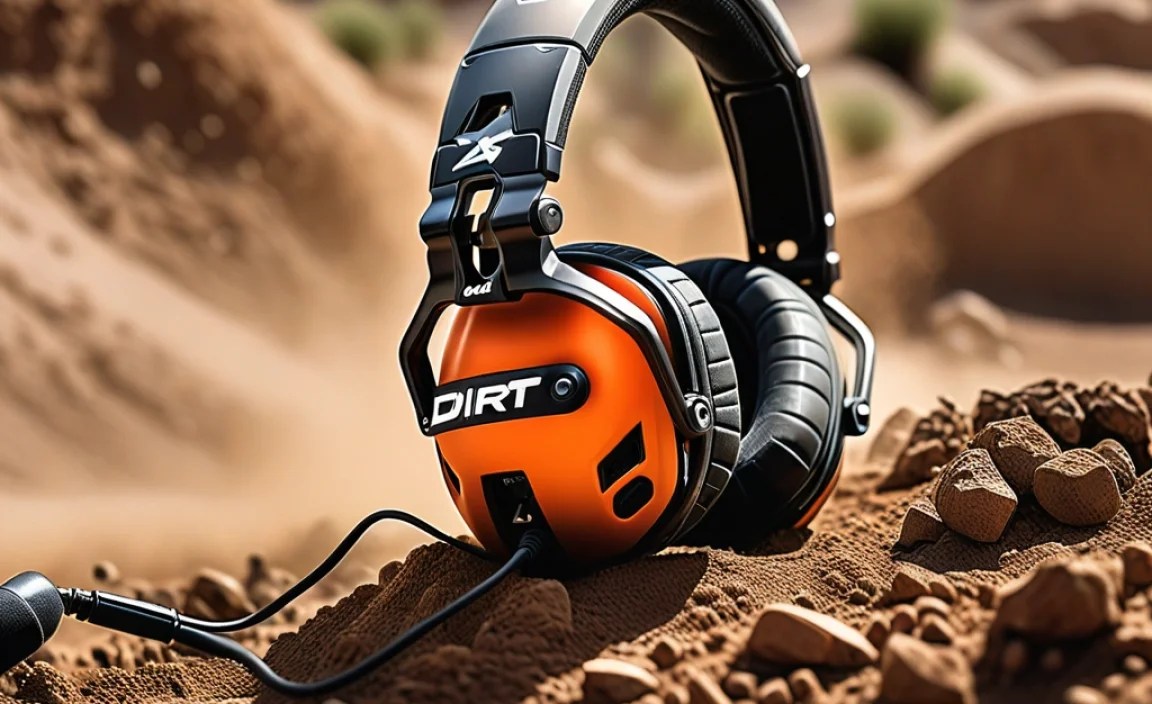
Selecting the right headphones for your dirt bike helmet involves more than just picking the cheapest or most popular option. Think about these vital features:
1. Comfort and Fit
This is paramount. Anything inside your helmet needs to be comfortable for extended periods. Look for:
- Low-Profile Speakers: Speakers that are thin and flat will minimize pressure points against your ears.
- Soft Ear Cushions: If the system has them, they should be soft and breathable.
- Secure Eartips (for earbuds): If you opt for earbuds, choose those with multiple sizes of silicone or foam tips for a snug, secure fit that won’t fall out.
2. Durability and Weather Resistance
Dirt biking is an outdoor activity, and your gear needs to withstand the elements. Check for:
- IP Rating: Look for a good Ingress Protection (IP) rating, indicating resistance to dust and water. For motorcycle use, an IPX5 or higher is recommended for water resistance against rain or splashed mud.
- Robust Construction: The materials should feel sturdy and be able to handle vibrations and impacts.
3. Sound Quality
While you won’t get concert-hall sound, you still want to enjoy your audio. Consider:
- Clarity: Can you hear voices and music clearly over wind and engine noise?
- Volume: Does it get loud enough without distortion?
- Bass Response: While not essential for communication, it enhances music enjoyment.
4. Battery Life
Long rides require long-lasting power. Most Bluetooth systems offer anywhere from 6 to 20 hours of battery life. Aim for a system that can last at least a full day of riding.
5. Connectivity (Bluetooth Version and Features)
For music and calls, reliable Bluetooth is key. Look for:
- Bluetooth Version: Newer versions like Bluetooth 5.0 offer better stability, range, and power efficiency than older ones.
- Multi-Point Connectivity: Allows you to connect to two devices simultaneously (e.g., phone and GPS).
- Intercom Functionality: If you ride with others who use similar systems, this is a major plus.
6. Ease of Installation and Use
You want to spend more time riding and less time fiddling with your gear. The installation should be straightforward, and the controls ideally accessible even with gloves on. Many systems use button controls on the side of the headset or integrated into the headset wire.
7. Microphone Quality
If you plan on making calls or using intercom features, a good microphone is essential. Look for:
- Noise Cancellation: This filters out much of the wind and engine noise, improving voice clarity for the person on the other end.
- Boom vs. Stick Microphone: Boom mics are generally better at isolating your voice, but stick mics can be less intrusive.
Installation: Getting Your Headphones into Your Helmet

The installation process will vary depending on the type of audio system you choose. Here’s a general breakdown:
For In-Helmet Communication Systems & Universal Bluetooth Headsets
- Access Ear Pockets: Most dirt bike helmets have dedicated pockets or padding in the ear areas. You might need to gently pull out the helmet liner padding or side panels to access these pockets. Consult your helmet’s manual if unsure.
- Position Speakers: Place the flat speakers into the ear pockets. Ensure they are centered over your ears for optimal comfort and sound. Many systems come with adhesive Velcro pads to help secure them in place.
- Mount the Main Unit: For universal headsets, this is usually a clip that fastens to the bottom edge of the helmet or an adhesive mount. For integrated systems, the main unit might attach to the side or back.
- Install the Microphone: If your system has a boom microphone, position it so it sits near your mouth. Some systems have included clips or adhesive strips for this.
- Manage Cables: Neatly tuck away any wires either under the helmet liner or using any provided cable management clips. This prevents discomfort and snagging.
- Test Connectivity: Once installed, pair your device (phone, GPS) via Bluetooth and test the sound and microphone.
For Separate Earbuds
- Select Eartips: Choose the best-fitting eartips for your ears. Foam tips offer excellent noise isolation and a secure fit.
- Insert Earbuds: Carefully insert the earbuds into your ears.
- Wear the Helmet: Gently put on your helmet. You may need to reposition the earbuds to ensure they don’t get dislodged by the helmet padding.
- Tuck the Cable: Run the earbud cable under your riding gear or helmet liner to prevent it from snagging on anything.
Important Safety Note: Always ensure that any installed audio system does not compromise the fit or protective integrity of your helmet. Headsets should not create pressure points that could lead to injury in an accident, nor should they prevent the helmet from sitting correctly. The National Highway Traffic Safety Administration (NHTSA) provides excellent guidance on helmet safety and proper fit.
Using Your Headphones Safely on the Trail

Having sound in your helmet is fantastic, but safety must remain the top priority. Wind noise can be deafening; consider that the sound of wind at highway speeds can exceed 100 decibels, which can cause permanent hearing damage over time. Headphones can offer both enjoyment and protection from this.
Volume Control is Key
Never blast your music at maximum volume. You need to be able to hear your surroundings, including other vehicles, trail hazards, and warning signals. A good rule of thumb is to keep the volume at a level where you can still hear ambient sounds clearly.
Situational Awareness
Be mindful of your environment. If you’re in a complex or busy trail system, you might choose to turn off your audio entirely to stay fully focused. For solo trail riding, music can be a great companion, but always be alert for unexpected obstacles or wildlife.
Communication Systems for Group Rides
If you ride with a group, an intercom system is invaluable. It allows riders to communicate warnings, coordinate stops, or just chat. This can significantly improve group safety and the overall enjoyment of the ride. Some systems, like Sena or Cardo, offer advanced Mesh Intercom technology for longer ranges and more stable group connections.
According to the National Institute on Deafness and Other Communication Disorders (NIDCD), prolonged exposure to loud noise can cause irreversible hearing loss. Using headphones at moderate volumes can actually protect your hearing from the constant roar of the wind and engine.
Maintenance and Care
To ensure your headphones last and perform well, a little care goes a long way:
- Cleaning: Wipe down the speakers, microphone, and exterior of the unit with a slightly damp cloth. Avoid harsh chemicals. If your earbuds have removable tips, clean those separately.
- Charging: Charge the battery regularly. Most systems use USB charging, which is convenient. Don’t let the battery sit uncharged for extremely long periods.
- Storage: When not in use, store your headphones and their components in a safe place, away from extreme temperatures and moisture.
- Cable Management: Be careful not to pinch or fray wires when installing or removing them.
Choosing the Right Audio for Your Dirt Bike Helmet: A Quick Comparison
To help you decide, here’s a table summarizing some popular options and their typical use cases. Note that specific models within brands vary greatly.
| Feature | In-Helmet System (e.g., Sena 50S, Cardo Packtalk) | Universal Bluetooth Headset (e.g., Sena SMH5, FreedConn T-COMVB) | Dedicated Audio Earbuds (e.g., Etymotic ER20XS, Flare Audio Isolate) |
|---|---|---|---|
| Primary Use | Full-featured communication, music, GPS | Music, calls, basic intercom | Music/audio enhancement, hearing protection (for passive ones) |
| Installation Difficulty | Moderate | Easy to Moderate | Very Easy |
| Comfort | Excellent (designed for helmets) | Good to Very Good | Variable; can cause pressure |
| Microphone Included | Yes (often with noise cancellation) | Yes (variable quality) | Rarely |
| Cost | $$$ | $$ | $ to $$ |
| Battery Life | 8-20+ hours | 6-15 hours | N/A (uses device battery) |
This table provides a general overview. Always check detailed reviews and specifications before purchasing to match specific needs and budgets. For instance, if your primary goal is crystal-clear communication with a riding buddy, a dedicated intercom system will be superior. If it’s just about having music on solo rides, good quality earbuds, carefully installed, might suffice.
Frequently Asked Questions (FAQ)
Q1: Can I use my regular headphones with a dirt bike helmet?
You can, but it’s often not ideal. Regular headphones and earbuds can be bulky, uncomfortable under a helmet, and may fall out. Look for low-profile options specifically designed for helmet use or consider dedicated motorcycle communication systems for the best experience and comfort.
Q2: Will headphones affect my helmet’s safety?
When installed correctly, good quality motorcycle-specific audio systems should not negatively impact your helmet’s safety. They are designed to fit within designated ear pockets and should not interfere with the helmet liner or strap system. However, poorly fitting components could potentially create pressure points. Always ensure the helmet fits snugly and comfortably after installation.
Q3: How do I connect my headphones to my phone?
Most modern motorcycle headphones use Bluetooth technology. You’ll typically put the headphones into pairing mode (usually by holding down a button) and then search for available Bluetooth devices on your smartphone. Select the name of your headset to connect. Consult your specific headphone manual for exact pairing instructions.
Q4: Can I listen to music and talk to my friends at the same time?
Many advanced Bluetooth intercom systems allow for this through features like “Audio Multitasking” or “Intercom/Audio Mixing.” This means you can listen to music at a lower volume while still being able to hear intercom conversations. Lower-end systems or older models might require you to switch between music and intercom manually.
Q5: How important is a microphone for dirt biking headphones?
If you plan on making phone calls, using GPS turn-by-turn directions with voice prompts, or communicating with other riders via intercom, a microphone is essential. For dirt biking, look for microphones with good noise cancellation to reduce wind and engine noise, ensuring clearer communication.
Q6: Are there any legal restrictions on using headphones while riding a dirt bike?
Regulations regarding headphone use vary by region and type of vehicle. For off-road riding on private property or designated trails, there are generally fewer restrictions. However, if you ride on public roads or trails where your dirt bike is legally considered a street-legal vehicle, you must check local laws. Some jurisdictions prohibit covering both ears with headphones.
Conclusion
Integrating quality audio into your dirt bike helmet setup is an achievable and rewarding upgrade. Whether you’re a music lover wanting to soundtrack your adventures, or a rider who values staying connected and informed, the right headphones can significantly enhance your experience. By considering factors like comfort, durability, sound quality, and safety, you can confidently choose gear that fits your helmet, your needs, and your budget. Remember to always prioritize situational awareness and safe riding practices, and your audio setup will become a valuable, enjoyable part of your dirt biking journey.</
