
Quick Summary: Using headphones for ear protection is crucial for safeguarding your hearing, especially in noisy environments. This guide explains how specific headphone types and features, like noise cancellation and lower volume settings, prevent hearing damage, ensuring you can enjoy your audio safely for years to come.
Headphones For Ear Protection: Essential Safety for Your Ears
Hey there, audio adventurers! Edward Cavitt here from headphonehorizon. We all love diving into our favorite music, podcasts, or audiobooks. But have you ever stopped to think about the volume we listen at, or the environments we use our headphones in? It’s a super important question, because our hearing is precious and, sadly, it doesn’t grow back once it’s gone. Using headphones wisely, and sometimes even headphones for ear protection specifically, is key to keeping those amazing soundscapes enjoyable for a lifetime. This guide is all about making sure your listening habits are as healthy as they are enjoyable, using everyday language to break down how headphones can be your first line of defense against hearing damage. Let’s make sure your ears stay happy and healthy!
Why Ear Protection Matters: The Silent Threat of Noise

It might seem counterintuitive, but how we use headphones can sometimes be detrimental to our hearing. Loud noises are the primary cause of noise-induced hearing loss, and this doesn’t just come from concerts or construction sites. Everyday activities like listening to music on public transport, using noisy appliances, or even prolonged exposure to moderately loud environments can contribute to irreversible damage over time. Our ears are complex and sensitive, and prolonged exposure to sounds above 85 decibels (dB) can start to wear them down. Think of it like this: if you have to shout to be heard over your headphones, they’re likely too loud.
The World Health Organization (WHO) highlights that exposure to excessive noise is a significant public health concern, affecting millions worldwide. They recommend that sustained exposure to noise levels above 85 dB should be avoided. Understanding these risks is the first step towards proactive ear protection. Fortunately, the audio technology we love also offers some fantastic solutions to help us listen safely. Let’s explore how you can leverage your headphones to protect your hearing.
Understanding Decibels and Their Impact

Decibels (dB) are the unit of measurement for sound intensity. To give you some perspective, here’s a quick comparison of everyday sounds:
| Sound Source | Approximate Decibels (dB) | Risk Level for Hearing |
|---|---|---|
| Whisper | 30 dB | Minimal |
| Normal Conversation | 60 dB | Minimal |
| Dishwasher/Washing Machine | 70 dB | Low (with long exposure) |
| Busy Street Traffic/Lawn Mower | 85 dB | High (with prolonged exposure) |
| MP3 Player at Maximum Volume | 90-115 dB | Very High (quick damage possible) |
| Rock Concert/Chain Saw | 110-120 dB | Extreme (immediate danger) |
| Jet Engine | 140 dB | Extreme (can cause instant damage) |
As you can see, even sounds we often encounter daily can pose a risk if we’re exposed for too long. Most smartphones and MP3 players can reach volumes that, if listened to continuously for a few hours, can start to cause damage. The key to prevention is managing the volume and duration of your listening sessions.
Types of Headphones and Their Role in Ear Protection

Not all headphones are created equal when it comes to ear protection, but many features can help you listen more safely. Let’s break down the common types:
1. Noise-Canceling Headphones (Active Noise Cancellation – ANC)
These are perhaps the most intuitive type of headphone for ear protection. ANC headphones work by producing an “anti-noise” sound wave that cancels out ambient noise. This is fantastic because it means you don’t have to crank up the volume to drown out background distractions like airplane engines, office chatter, or bus rumble. By reducing the need for higher volumes, ANC headphones significantly lower the risk of noise-induced hearing loss.
- Pros: Excellent at reducing ambient noise, allowing for lower listening volumes; great for travel and noisy environments.
- Cons: Can be more expensive; may not be ideal for situations where you need to hear your surroundings (e.g., crossing streets).
2. Noise-Isolating Headphones (Passive Noise Cancellation)
These headphones rely on their physical design to block out external noise. Think of earplugs, but for your ears and delivering sound. This typically involves snug-fitting earcups (over-ear or on-ear) or earbuds that seal tightly in your ear canal. Like ANC, noise-isolating headphones help by physically preventing external sounds from reaching your ears, again allowing you to listen at lower, safer volumes.
- Pros: Effective at blocking ambient noise through physical seal; generally more affordable than ANC; no batteries required for isolation.
- Cons: Effectiveness depends heavily on a good seal; can sometimes feel less comfortable for long periods; not as effective as ANC for consistent, low-frequency rumbles.
3. Open-Back Headphones
These headphones have earcups with openings, allowing sound to escape. While they offer a more natural and immersive soundstage, they also let in a lot of ambient noise and leak sound outwards. They are generally not the best choice for noisy environments or for protecting your ears at high volumes because you’ll naturally turn them up to compensate for lost audio detail or background noise. They are best suited for quiet, controlled listening environments.
- Pros: Natural soundstage, excellent for critical listening in quiet spaces.
- Cons: Poor noise isolation (both in and out); not recommended for loud environments or prolonged listening where you need to protect your ears from external noise.
4. Closed-Back Headphones
These headphones have solid earcups that provide a good degree of passive noise isolation. They seal sound in, preventing much of the external noise from entering. This makes them a solid choice for everyday listening, commuting, or any situation where you want to enjoy your audio without being constantly interrupted by ambient sounds. Like noise-isolating models, they help you maintain lower listening volumes.
- Pros: Good passive noise isolation; prevent sound leakage, making them suitable for shared spaces; widely available and come in various price points.
- Cons: Can sometimes feel less immersive than open-back headphones; may cause ear fatigue for some users over very long listening sessions.
Key Features for Safe Listening
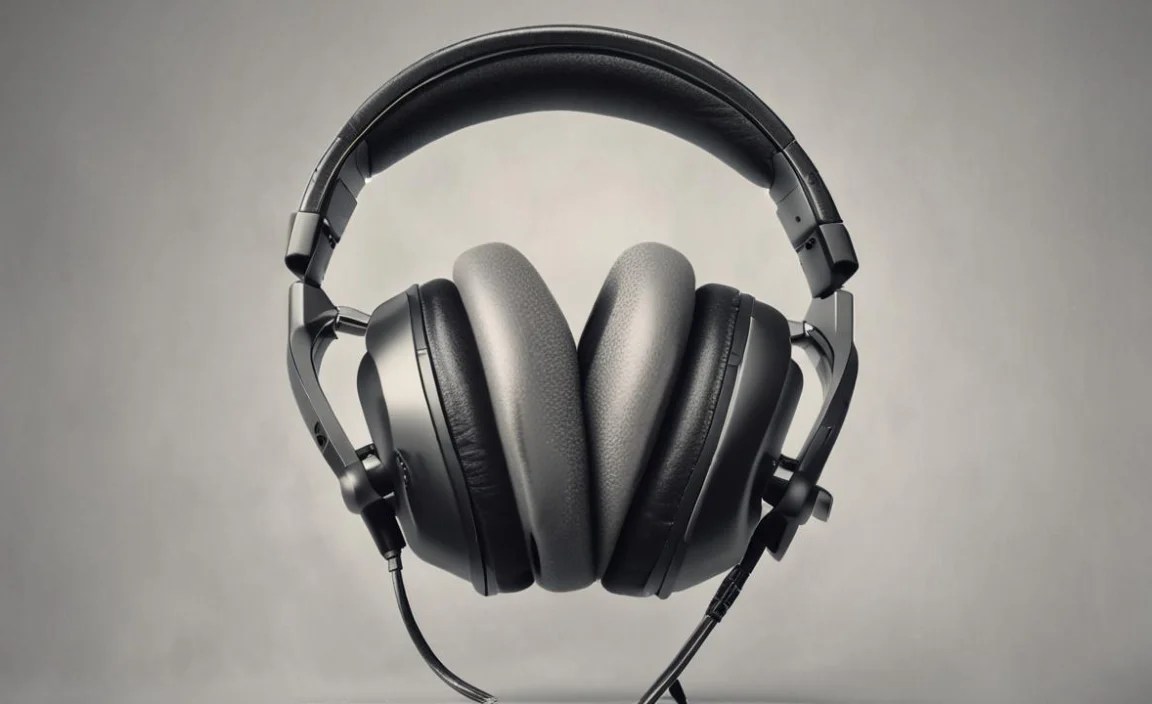
Beyond the type of headphone, there are specific features and practices that contribute to ear protection:
- Volume Limiting Features: Some headphones, especially those marketed towards children, have built-in volume limiters to cap the maximum output at around 85 dB. While adult-focused headphones rarely have this as a hard limit, many modern audio devices, including smartphones and dedicated music players, do offer “volume limiter” or “EU Volume Limit” settings in their accessibility or audio options. Make sure to explore your device’s settings!
- Sound Quality: While not a direct protection feature, headphones that produce clear, distortion-free sound at lower volumes can be more satisfying. This reduces the temptation to crank up the volume to compensate for poor audio quality or to “feel” the music’s impact.
- Comfort and Fit: Even the best headphones won’t protect your ears if they’re uncomfortable and you don’t use them. Ensure your headphones fit well and are comfortable for extended wear. This encourages consistent, safe listening habits.
- Awareness of Surroundings: This is crucial for safety, not just hearing. For activities that require situational awareness (like walking in traffic, cycling, or working in an environment where you need to hear instructions), consider using ambient sound modes on ANC headphones or opting for less isolating headphones, or even taking breaks from wearing them altogether.
Setting Up Your Headphones for Safe Listening: A Step-by-Step Approach

Protecting your hearing starts with conscious effort. Here’s how to set up and use your headphones wisely:
Step 1: Know Your Device’s Volume Controls
Most smartphones, tablets, and computers have built-in features to help manage volume levels. Explore the audio settings on your devices:
- iOS: Go to Settings > Sounds & Haptics > Headphone Safety. Here, you can enable “Reduce Loud Sounds” and set a decibel limit.
- Android: This varies by device, but generally, navigate to Settings > Sound & vibration > Volume or Advanced settings. Look for options like “Media volume limiter” or “EU Volume Limit.”
- Windows/macOS: While they don’t typically have explicit volume limiters, you can monitor your system’s volume slider and be mindful of the percentage. Some audio software might offer headphone protection settings.
Step 2: Choose the Right Headphones for Your Environment
Consider where you’ll be using your headphones most often:
- Noisy Commute/Travel: Active Noise Cancelling (ANC) or well-fitting noise-isolating headphones are ideal.
- Office/Shared Workspace: Closed-back or good noise-isolating earbuds can help you focus without bothering others or being bothered.
- Quiet Home Listening: Open-back headphones can offer an immersive experience, but always be mindful of the volume.
- Workouts/Outdoor Activities: Consider headphones designed for sports that offer a secure fit and perhaps less noise isolation for safety, or use ANC with awareness of ambient sounds.
Step 3: Practice the 60/60 Rule (or Similar Guidelines)
A widely cited advice is the “60/60 rule” for listening to personal audio devices: listen at no more than 60% of the maximum volume for no more than 60 minutes at a time. While this is a good starting point, remember that the 85 dB threshold can cause damage even with shorter exposure times if the volume is higher. It’s a good general guideline to keep your listening sessions safe and to build awareness.
Step 4: Take Listening Breaks
Even if you’re listening at a safe volume, giving your ears a rest is always a good practice. If you’re on a long flight or a lengthy study session with headphones on, try to take a break for at least 5-10 minutes every hour or so. This allows your auditory system to recover.
Step 5: Be Mindful of External Noise
If you’re using noise-isolating or noise-canceling headphones, ensure you can still hear important sounds. This includes traffic noise if you are walking or cycling, alarms, and people who might be trying to get your attention. You can achieve this by:
- Using the ambient sound or transparency mode on your ANC headphones.
- Opting for headphones with less aggressive noise isolation.
- Lowering the volume significantly or removing headphones when situational awareness is critical.
Understanding the Risks: When Headphones Can Be Harmful
It’s important to acknowledge that headphones, while capable of protecting our hearing, can also contribute to hearing damage if misused. The primary culprits are:
- Excessive Volume: The most common and direct cause of headphone-related hearing loss.
- Prolonged Exposure: Even moderately loud sounds can cause damage over extended periods.
- Listening in Already Loud Environments: Trying to overpower loud background noise by turning up headphone volume further exacerbates the risk.
- Poor-Quality Audio: Distorted or harsh audio at high volumes can be particularly damaging.
It’s vital to remember that noise-induced hearing loss is gradual and often painless. You might not notice the damage until it’s significant. This is why proactive measures are so important.
When to Consider Specialized Ear Protection
While standard headphones help manage listening volumes, there are times when you need more robust protection, and standard headphones aren’t sufficient. These situations involve extremely loud environments where even passive isolation or moderate volumes from your headphones won’t suffice or could be dangerous.
- Industrial/Construction Settings: For listening to music or podcasts on a noisy job site, regular headphones won’t cut it. You’ll need industrial-grade hearing protection like earmuffs or earplugs with high Noise Reduction Ratings (NRR). Some specialized work headphones integrate communication systems with hearing protection.
- Concerts and Live Music: For attending very loud concerts, consider high-fidelity earplugs designed for musicians. These allow you to hear the music clearly but at a reduced, safe volume. Standard earbuds or headphones would be overwhelmed and might encourage you to turn them up to an unsafe level to compensate for the ambient noise.
- Shooting Ranges: Extremely loud impulse noises from firearms require specialized hearing protection.
In these extreme scenarios, the priority is ear protection first and foremost. Enjoying audio simultaneously might be secondary or require specialized gear designed for dual purposes.
Tips for Maintaining Healthy Hearing Habits
Beyond just using headphones correctly, fostering overall healthy hearing habits is essential:
- Get Regular Hearing Check-ups: If you’re concerned about your hearing or expose yourself to loud noises frequently, consult an audiologist. They can perform tests and offer personalized advice.
- Listen at a Moderate Volume: This is the golden rule. Try to keep your daily listening volume at or below 60% of the maximum.
- Protect Your Ears in Loud Environments: Use earplugs, earmuffs, or step away from the noise source when possible.
- Be Aware of Tinnitus: Tinnitus is the perception of ringing or buzzing in the ears, often a symptom of hearing damage. If you experience it, it’s a sign to reduce your noise exposure.
Frequently Asked Questions About Headphones and Ear Protection
Q1: Can I damage my hearing even with noise-canceling headphones?
Yes, you can. Noise-canceling headphones reduce ambient noise, allowing you to listen at lower volumes, which is a protective benefit. However, if you still choose to listen at very high volumes through noise-canceling headphones, you can still cause hearing damage. The technology helps mitigate risk, but responsible listening habits are still paramount.
Q2: How do I know if my headphone volume is too loud?
A good indicator is if you have to raise your voice to speak to someone near you, or if you can hear your music/audio playback over significant background noise, it’s likely too loud. Another sign is any ringing or buzzing in your ears after listening (tinnitus), or temporary muffled hearing.
Q3: Are there specific “ear protection headphones” I should buy, or can my current ones do the job?
For most everyday situations, your current noise-canceling or noise-isolating headphones can help you protect your hearing by allowing lower listening volumes. However, if you work in extremely noisy environments (e.g., construction, factories) or attend very loud events regularly, you’ll need specialized industrial-grade hearing protection (like earmuffs with high NRR ratings) or high-fidelity earplugs designed for volume reduction.
Q4: What is the safe listening time at different volume levels?
There’s no single definitive chart as individual susceptibility varies. However, general guidelines suggest that continuous exposure above 85 dB can lead to damage. For instance, at 85 dB, damage can occur after about 8 hours. At 100 dB, it can happen in as little as 15 minutes. At 110 dB, even less than 2 minutes might be enough. The 60/60 rule (60% volume for 60 minutes) is a good, conservative starting point for safer listening.
Q5: Do the “volume limiters” on my phone actually protect my hearing?
Yes, they do. Volume limiters, often found in accessibility settings, are designed to cap the maximum output volume of your device, typically to a level around 85 dB or lower. This is a very effective tool for preventing accidental exposure to dangerously high volumes, especially from your primary listening device.
Q6: Is it possible to reverse hearing damage caused by loud music?
Unfortunately, noise-induced hearing loss is generally permanent and irreversible. The delicate hair cells in your inner ear, which convert sound vibrations into electrical signals for your brain, do not grow back once they are damaged or destroyed. This makes prevention through safe listening practices and proper ear protection absolutely critical.
Conclusion: Your Ears Are Worth Protecting
Taking care of your hearing is one of the most important, yet often overlooked, aspects of enjoying your audio. By understanding the risks associated with loud noise, choosing the right types of headphones for your needs, utilizing features like noise cancellation and volume limiters, and adopting mindful listening habits like the 60/60 rule and taking breaks, you’re making a significant investment in your long-term auditory health. Remember, our ears are our windows to the world of sound
