
Quick Summary: Choosing the right headphones for your electric piano is crucial for practice and enjoyment. This guide helps beginners understand key features like comfort, sound quality, and connectivity, making it easy to find headphones that enhance your playing experience without disturbing others.
Hey everyone, Edward Cavitt here from headphonehorizon! As someone who absolutely loves diving into the world of sound, from the subtlest whisper in a symphony to the punchy bass of your favorite track, I know how important it is to hear things just right. Today, we’re talking about a special kind of listening experience: one that connects you intimately with your electric piano.
Whether you’re just starting your musical journey or you’ve been playing for a while, understanding how to pick the perfect headphones can truly transform your practice sessions. It’s not just about blocking out noise; it’s about unlocking the full, rich sound of your instrument and ensuring you develop your musical ear with clarity. Let’s explore how to find those essential headphones that make your electric piano sound its absolute best!
Why Headphones Are a Game-Changer for Electric Piano Players

Playing an electric piano is fantastic because you can practice anytime, anywhere, without disturbing the household (or the neighbors!). But to truly connect with your instrument, the sound you hear is paramount. The “stock” speakers on many electric pianos are designed for convenience, not necessarily for audiophile-grade sound reproduction. This is where a good pair of headphones steps in. They create a private soundstage, allowing you to hear every nuance, every detail, and every subtle dynamic shift as if you were in a recording studio. This focused listening is invaluable for developing your technique, tuning into your tone, and simply enjoying the beautiful music you’re creating without external distractions.
Key Features to Look For: A Beginner’s Guide
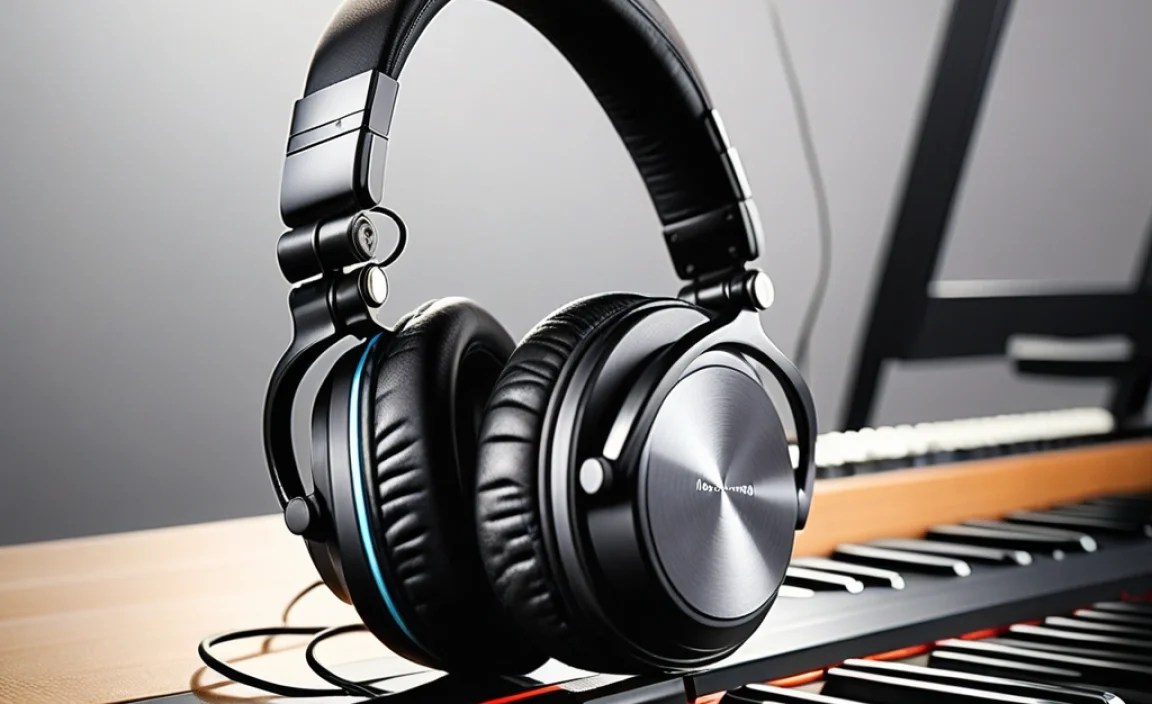
Navigating the world of headphones can seem a bit daunting with all the technical terms. But don’t worry, we’ll break down the essential features you need to consider for your electric piano. Think of these as your checklist for finding the perfect sonic match.
1. Comfort: Because Practice Sessions Can Be Long!
You’ll be wearing these headphones for extended periods while you practice scales, learn songs, or just jam. Therefore, comfort is king. There are two main types of headphones to consider:
- Over-Ear Headphones: These completely surround your ears. They generally offer the most comfort for long listening sessions and often provide better sound isolation. Look for plush earcups made from memory foam or soft leatherette. The headband should also be well-padded and adjustable.
- On-Ear Headphones: These rest directly on your ears. They can be lighter and more breathable than over-ear models but might become uncomfortable after a while for some people.
Pro Tip: If possible, try headphones on before you buy. Pay attention to how the earcups feel, if they pinch anywhere, and how the weight is distributed.
2. Sound Quality: Hearing Every Note Clearly
This is where the magic happens! For an electric piano, you want headphones that offer a balanced and clear sound profile. This means:
- Frequency Response: This refers to the range of sounds a headphone can produce, from deep bass to high treble. While specialized headphones for piano might have a flatter response for accuracy, for general playing and enjoyment, a broad and balanced frequency response is good. You want to hear both the low warmth of the lower keys and the crispness of the upper ones.
- Clarity and Detail: You need to hear every note distinctly, without muddiness. This is especially important for discerning your own playing errors and appreciating the subtle tonal variations of your digital piano.
- Soundstage: This is the perceived space and depth of the sound. A good soundstage makes the audio feel more natural and immersive.
Avoid headphones that overly boost the bass without enhancing the mids and highs, as this can make piano notes sound boomy and unclear.
3. Type of Headphones: Open-Back vs. Closed-Back
This is a critical distinction affecting sound and isolation:
- Closed-Back Headphones: These have a solid casing around the earcups. They are excellent at isolating sound, meaning they block out external noise effectively and prevent your playing sound from leaking out. This is usually the preferred choice for practicing an electric piano, especially in shared spaces.
- Open-Back Headphones: These have perforations or grilles on the earcups, allowing air and sound to pass through. They often offer a more natural, spacious soundstage and are less fatiguing for long listening sessions. However, they leak sound, meaning others can hear what you’re playing, and you can also hear your surroundings.
For electric piano practice where silence is golden, closed-back headphones are generally the way to go.
4. Impedance: Matching Your Piano’s Output
Impedance is measured in ohms (Ω) and relates to how much electrical resistance the headphones have. This affects how loud they can get when connected to a particular source.
- Low Impedance (under 50 Ω): These headphones generally don’t require a powerful amplifier and will work well directly from most electric piano headphone jacks. They are the easiest to drive.
- High Impedance (over 50 Ω): These require more power to reach satisfactory volume levels. They often sound better when driven by a dedicated headphone amplifier, but might not get loud enough from a standard piano output.
For beginners using a standard electric piano headphone jack, headphones with low impedance (e.g., 32 Ω or 64 Ω) are usually the safest bet. If your electric piano has a high-quality audio output or you plan to use a headphone amp later, higher impedance can offer benefits.
5. Connectivity: Wired vs. Wireless
Most electric pianos use a standard 1/4-inch (6.35mm) headphone jack. Some may also have a smaller 1/8-inch (3.5mm) mini-jack.
- Wired Headphones: These are generally more reliable with instruments, offering zero latency (no delay between playing a note and hearing it). Most wired headphones come with a 1/4-inch adapter or interchangeable cables.
- Wireless Headphones: While convenient for general listening, wireless headphones can introduce latency, meaning there’s a slight delay between pressing a key and hearing the sound. This delay can be very disruptive for playing music accurately. For serious practice, wired headphones are almost always recommended.
Note: Bluetooth headphones are convenient for casual listening or practicing with backing tracks via a separate device, but be mindful of potential latency. If using them for piano practice, look for models with very low-latency codecs like aptX Low Latency.
6. Durability and Build Quality
You want headphones that can withstand regular use. Check for:
- Sturdy construction, often with metal components in the headband or hinges.
- Replaceable cables, as cables are often the first thing to wear out.
- Good strain relief where the cable connects to the earcups and the plug.
Recommended Headphone Types for Electric Piano

Based on the features above, here are the types of headphones that generally excel for electric piano practice:
1. Closed-Back Studio Monitor Headphones
These are designed for accuracy and isolation, making them ideal for practice. They offer a flat, neutral sound profile, so you hear your piano exactly as it’s producing it, helping you identify subtle issues in your playing or tone. Their closed-back design means excellent sound isolation. Brands like Audio-Technica, Beyerdynamic, and Sennheiser offer fantastic options in this category.
2. Semi-Open Back Headphones (with caution)
While fully open-back headphones are generally unsuitable due to sound leakage, some semi-open designs offer a good balance. They might still leak a bit of sound, but less than fully open ones. They can provide a more natural listening experience than closed-back models, but only use these if you’re confident the sound leakage won’t disturb anyone.
3. Entry-Level DJ Headphones
Often built for durability and good isolation, many entry-level DJ headphones can be a great choice. They usually have a robust build, pivoting earcups for flexible monitoring, and a sound profile that’s lively enough to be engaging for practice, without being overly colored.
Considerations Based on Your Electric Piano Model
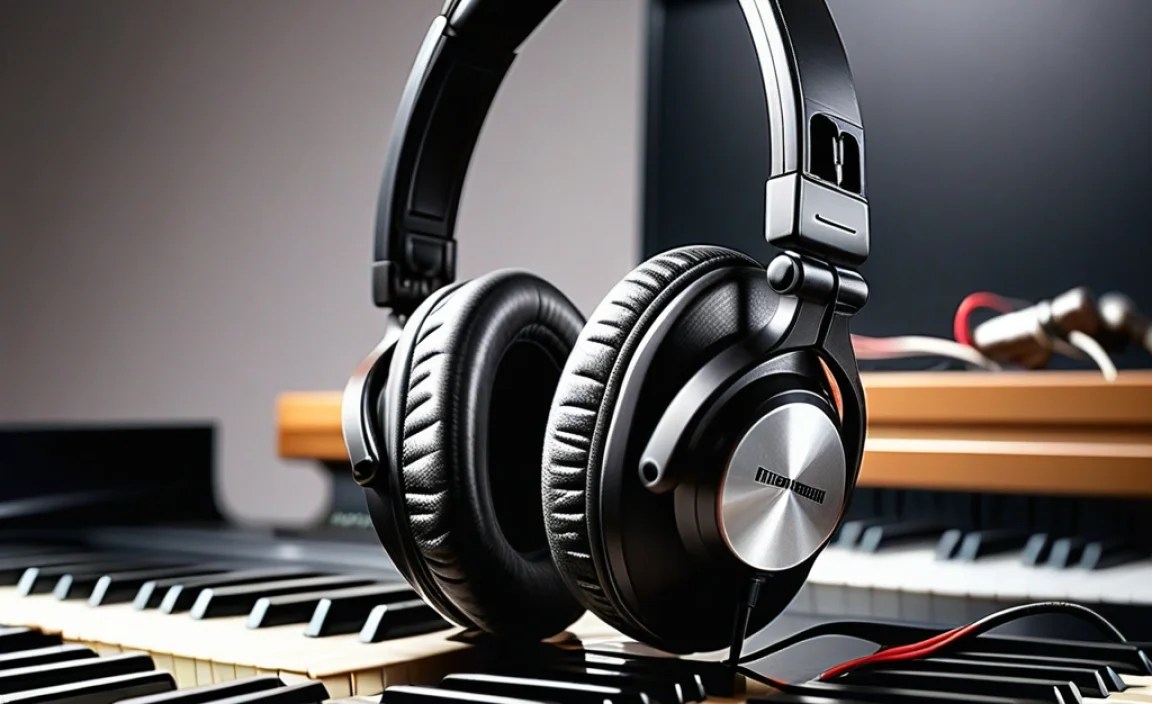
The specific model of your electric piano can also influence your headphone choice. Most digital pianos and keyboards have a standard headphone output. However, if you have a higher-end model or an electronic keyboard with a more advanced sound engine, you might want to pay closer attention to the impedance and overall sound reproduction capabilities of your headphones.
Electric Piano Headphone Jacks: What to Expect
Virtually all digital pianos and electronic keyboards designed for home use will feature at least one headphone jack. These can be either:
- 1/4-inch (6.35mm) TRS Jack: This is the most common size found on pianos and keyboards. You’ll likely need headphones with a 1/4-inch plug or a pair that comes with a 1/4-inch adapter.
- 1/8-inch (3.5mm) TRS Jack: Less common on pianos themselves, but you might find them on some smaller keyboards or digital pianos. If your piano only has this, you’ll need headphones with a 3.5mm plug or adapter.
Most professional and studio headphones designed for musical instruments will come with a screw-on 1/4-inch adapter, making them compatible with either jack size via a 1/8-inch to 1/4-inch adapter if needed.
Top Features Broken Down: What They Mean for You

Let’s clarify some common headphone terms you might encounter:
| Feature | What It Is | Why It Matters for Electric Piano |
|---|---|---|
| Sound Isolation | How well the headphones block out external noise and prevent your sound from leaking. | Essential for practicing without disturbing others and for hearing your piano’s details without distraction. Closed-back designs excel here. |
| Frequency Response (e.g., 20Hz-20kHz) | The range of audible sound the headphones can reproduce. A wider range can mean more detail, but accuracy is key. | Ensures you can clearly hear the full spectrum of your piano, from deep bass notes to crisp treble. A flat, neutral response is often preferred for accuracy. |
| Driver Size | The actual speaker component within each earcup. Larger drivers (e.g., 40mm, 50mm) can produce more powerful sound and better bass, but it’s not the only factor in quality. | Contributes to the overall richness and fullness of your piano’s sound. |
| Comfort (Earcups & Headband) | Materials and design of parts that touch your head and ears. | Crucial for long practice sessions. Over-ear designs with plush padding are usually best. |
| Portability & Foldability | Whether the headphones can be easily stored or transported. | Less critical for home practice but can be a plus if you move your electric piano around or practice in different locations. |
Step-by-Step: Finding and Buying Your Perfect Headphones
Ready to equip yourself with the ideal listening gear? Follow these simple steps:
Step 1: Assess Your Needs & Environment
Ask yourself:
- Where will I be practicing? (Quiet room, shared apartment, dorm? This dictates how much sound isolation you need.)
- How long do my typical practice sessions last? (Longer sessions demand more comfort.)
- What’s my budget? (Headphones range from $20 to $500+, so set a realistic price point.)
- Do I need them for anything else? (e.g., listening to music, gaming, mixing—though for piano, accuracy is key.)
Step 2: Prioritize Features
Based on your needs, rank the importance of features:
- Sound Isolation: High priority if you live with others.
- Comfort: High priority for extended practice.
- Sound Quality/Accuracy: Always high for musicians.
- Durability: Important for longevity.
- Portability/Wireless: Lower priority for home practice.
Step 3: Research Specific Models
Once you know your priorities, start looking at specific models. Check reviews from reputable audio sites like Rtings.com (they have excellent, detailed headphone reviews) or music gear publications. Look for:
- Closed-back, over-ear studio monitor headphones.
- Models known for comfort.
- Headphones with a balanced frequency response rather than heavy bass emphasis.
- Low impedance (ideally under 60 Ω) so they work well with your piano’s output.
Here are a few popular and well-regarded series often recommended for budding musicians:
- Audio-Technica ATH-M Series (e.g., ATH-M30x, ATH-M40x, ATH-M50x): Excellent all-rounders known for durability, comfort, and balanced sound. The M40x offers a flatter response than the M50x, which some prefer for critical listening.
- Sennheiser HD 280 Pro: Renowned for their superior sound isolation and robust build quality at an affordable price.
- Beyerdynamic DT 770 Pro: A long-standing favorite in studios, offering superb comfort and detailed sound. Available in different impedance versions (32 Ω, 80 Ω, 250 Ω) – the 32 Ω or 80 Ω versions are usually best for direct piano connection.
Step 4: Check Compatibility
Confirm the headphone jack type on your electric piano (usually 1/4-inch). Ensure the headphones you’re considering come with the necessary adapter or have the correct plug size. As mentioned, most studio headphones include a 1/4-inch adapter.
Step 5: Make the Purchase
Buy from authorized retailers to ensure you get a genuine product and can take advantage of return policies if something isn’t quite right. Many online music stores (Sweetwater, Guitar Center, Thomann) and electronics retailers are good sources.
Maintaining Your Headphones for Longevity
To keep your new headphones sounding and feeling great for years, follow these maintenance tips:
- Keep them clean: Wipe earcups with a soft, damp cloth. Microfiber cloths are great. Avoid harsh chemicals.
- Store them properly: When not in use, store them in a case or on a headphone stand to protect them from dust and physical damage. Avoid just tossing them into a bag.
- Manage the cable: Don’t wrap the cable too tightly around the headphones. Loosely loop it to prevent kinks, which can damage internal wires.
- Protect from moisture: Avoid using or storing them in very humid environments.
- Regularly check ear pads: Over time, ear pads can wear out or become compressed. If they’re uncomfortable or affect the seal, consider replacing them. Many manufacturers offer replacement pads. For example, studies on material degradation in audio equipment are available from institutions like NIST (National Institute of Standards and Technology), highlighting the importance of material care.
Frequently Asked Questions (FAQ)
Q1: Do I really need special headphones for my electric piano, or can I use my everyday earbuds?
While you can use earbuds, dedicated headphones designed for musical instruments are highly recommended. They typically offer better comfort for longer sessions, a more balanced sound profile for accurate playing and listening, and superior isolation to help you focus. Earbuds often lack the clarity and dynamic range needed to truly appreciate the nuances of your piano.
Q2: How important is impedance for electric piano headphones?
Impedance is quite important. Most electric pianos have a moderate audio output. Headphones with low impedance (generally under 50-60 Ohms) are easier to “drive” – meaning they will reach a good listening volume without needing a separate amplifier. If you buy headphones with very high impedance (e.g., 250 Ohms or more), they might sound too quiet even at the piano’s maximum volume setting.
Q3: Can I use wireless Bluetooth headphones for practicing my electric piano?
It’s generally not recommended for serious practicing due to latency (delay). The slight delay between pressing a key and hearing the sound can make it very difficult to play accurately rhythmically. While some newer Bluetooth technologies and headphones
