
Hey there, fitness fans and music lovers! Edward Cavitt here from Headphone Horizon. Getting your sweat on is fantastic, but let’s be honest, working out without your favorite tunes or an inspiring podcast can feel like a drag. That’s where the right pair of headphones comes in, transforming your exercise routine from mundane to marvelous. But with so many options out there, how do you pick the perfect pair that stays put, sounds great, and can handle your most intense workouts? Don’t worry, we’ll dive deep into what makes a great pair of exercise headphones, demystifying all the tech talk so you can make a confident choice. Let’s find your ultimate workout audio buddy!

Why the Right Headphones Matter When You’re Moving

It might seem simple – any headphones will do, right? Not quite! When you’re jumping, running, lifting, or stretching, your audio gear needs to perform differently than when you’re lounging on the couch. The best headphones for exercising aren’t just about delivering great sound; they’re built to withstand the rigors of physical activity. This means they need to:
- Stay Secure: Nothing kills your rhythm like headphones constantly falling out. A good fit is paramount for uninterrupted workouts.
- Handle Sweat: Moisture and electronics are not best friends. Exercise headphones are designed with sweat and water resistance in mind to protect them.
- Be Comfortable: You’ll be wearing them for the duration of your workout, so comfort is a must. You don’t want them to become a distraction.
- Offer Durability: From the gym bag to the trail, your headphones need to be tough enough to handle the wear and tear of an active lifestyle.
- Provide Immersive Sound: Great audio can be a huge motivator, helping you push harder and go further.
Key Features to Look For in Exercise Headphones

Now that we know why they matter, let’s break down the specific features that make a pair of headphones ideal for your fitness journey. Think of these as your checklist when you’re shopping:
1. Fit and Stability: The Foundation of Your Workout Sound
This is arguably the most crucial aspect. A loose earbud or slipping headband can ruin a workout faster than a skipped beat. Here’s what ensures a secure fit:
- Ear Hooks: Many sports earbuds feature wraparound ear hooks that loop over your ears, providing robust stability, especially for high-impact activities like running or HIIT.
- Wing Tips/Stabilizers: These are small, flexible fins that nestle into the concha of your ear, offering extra grip without being intrusive.
- Secure Earbuds: Look for earbuds with multiple tip sizes included. Finding the right size ensures a snug seal and prevents them from falling out. Silicone or foam tips can offer different levels of grip and comfort.
- Headband Design: For over-ear or on-ear headphones, a firm but comfortable headband with good clamping force is essential. Some might also have adjustable straps for a more personalized fit.
2. Sweat and Water Resistance: Battling the Elements
You’re going to sweat, and sometimes you might get caught in the rain. Your headphones need to be able to handle it. This is usually indicated by an IP (Ingress Protection) rating.
- IP Rating Guide: The first digit usually refers to dust protection, and the second to water protection. For exercise headphones, you’ll want at least an IPX4 rating, meaning they can withstand splashes of water from any direction. Higher ratings (like IPX5, IPX6, or IPX7) offer even more protection against rain and sweat.
- What IPX4 Means: Think of it as protection against sweat and light rain. Enough for most gym sessions and non-extreme outdoor activities.
- What IPX7 Means: This is much more robust, meaning the headphones can be submerged in up to 1 meter of water for 30 minutes. Great for intense, sweaty workouts and even swimming if they are specifically designed for it.
3. Durability and Build Quality: Built to Last
Your headphones will go through a lot. Look for materials that can withstand being tossed in a gym bag, exposed to different temperatures, and the general wear and tear of an active lifestyle.
- Robust Materials: Flexible plastics, rubberized coatings, and reinforced cables contribute to overall toughness.
- Knot-Free Cables: If you’re opting for wired headphones, look for flat or braided cables that are less prone to tangling and damage.
- Sturdy Construction: For over-ear headphones, check that the headband and ear cup hinges feel solid and not flimsy.
4. Comfort and Design: For Long-Haul Listening
You won’t enjoy your music if your headphones are painful or distracting. Comfort is key for both short jogs and long-distance marathons.
- Lightweight Build: Heavy headphones can cause fatigue and pressure points.
- Ergonomic Shape: The design should follow the natural contours of your head and ears.
- Soft Materials: For earcups, memory foam or plush synthetic leather provides comfort. For earbuds, soft silicone tips are usually best.
- Breathability: Some over-ear designs can get hot during intense workouts. Look for designs with ventilation or breathable materials if this is a concern.
5. Battery Life (for Wireless): Powering Your Playlist
If you’re going wireless, battery life is crucial. You don’t want your music cutting out mid-workout.
- Typical Playtime: Most wireless earbuds offer 4-8 hours of playback on a single charge. Over-ear headphones can offer much more, sometimes 20-40 hours or even longer.
- Charging Case: Many true wireless earbuds come with a charging case that provides multiple additional charges, extending your listening time significantly.
- Quick Charge Feature: Some models offer a quick charge function, giving you an hour or two of playback with just a few minutes of charging – a lifesaver when you’re in a hurry.
6. Connectivity: Seamless Sound
For wireless headphones, stable and reliable Bluetooth connectivity is a must. You don’t want audio dropouts or a connection that constantly disconnects.
- Bluetooth Version: Newer Bluetooth versions (like 5.0 or higher) generally offer better range, stability, and power efficiency.
- Multipoint Connectivity: This feature allows your headphones to connect to two devices simultaneously – for example, your phone and your smartwatch. Handy for switching between music and calls seamlessly.
Types of Headphones for Exercising

The world of exercise headphones isn’t one-size-fits-all. Different types suit different activities and preferences. Let’s explore the main categories:
True Wireless Earbuds
These are the most popular choice for many, thanks to their completely cable-free design. Each earbud is a separate unit that pairs wirelessly with your device.
- Pros:
- Maximum freedom of movement – no wires at all.
- Very portable and discreet.
- Often come with a compact charging case.
- Cons:
- Can be easier to lose due to their small size.
- Battery life per charge might be shorter than other types (though charging cases compensate).
- Fit is crucial; if they don’t fit well, they can fall out.
- Best For: Running, gym workouts, general fitness, people who hate wires.
Wireless Neckband Earbuds
These earbuds have short cables connecting them, with a band that rests around your neck. This band usually houses the battery, Bluetooth receiver, and controls.
- Pros:
- More secure than standard wireless earbuds as they can’t be lost individually.
- Often have longer battery life than true wireless earbuds.
- Controls are readily accessible on the neckband.
- Cons:
- The neckband can sometimes be felt or shift during intense movement.
- Less discreet than true wireless.
- Best For: Jogging, moderate gym sessions, those who prefer a bit more security without full over-ear coverage.
On-Ear and Over-Ear Headphones
These larger headphone styles sit on or around your ears. While often associated with casual listening, many sport-focused versions exist.
- Pros:
- Can offer superior sound quality and noise isolation.
- Often more comfortable for long listening sessions for some users.
- More durable build quality in many cases.
- Battery life can be exceptionally long.
- Cons:
- Can be bulkier and less portable.
- Can get hot and sweaty during intense workouts, especially over-ear models.
- May feel less secure for very dynamic movements compared to earbuds.
- Can block out ambient sounds, which can be a safety concern outside.
- Best For: Lighter workouts, stationary exercises, outdoor activities where ambient awareness isn’t a primary concern (or models with awareness modes), people who dislike in-ear designs.
Bone Conduction Headphones
These unique headphones don’t actually go into or over your ears. Instead, they rest on your cheekbones and transmit sound through vibrations. This leaves your ear canals open.
- Pros:
- Excellent for situational awareness – you can hear your surroundings perfectly (traffic, other people, etc.).
- Great for outdoor activities where safety is paramount.
- Comfortable for long periods, and they don’t cause ear fatigue.
- Cons:
- Sound quality is generally not as rich or detailed as traditional headphones.
- Can sometimes cause a slight vibration feeling.
- Not ideal for noisy environments where you want to block out external sound.
- Best For: Cycling, running outdoors, hiking, and any activity where hearing your environment is crucial for safety.
Step-by-Step: Finding Your Perfect Exercise Headphones

Ready to make a choice? Follow these steps to narrow down your options and find the ideal audio partner for your fitness journey.
Step 1: Identify Your Primary Activity
What kind of exercise do you do most often? This will heavily influence the type of headphone that’s best for you.
- High-Impact (Running, HIIT, Jumping): True wireless earbuds with secure fit features (ear hooks, wing tips) or bone conduction headphones are usually best.
- Moderate Gym Workouts (Weights, Cardio Machines): True wireless earbuds, neckband earbuds, or even secure on-ear headphones can work well.
- Low-Impact (Yoga, Walking, Stretching): Almost any type can work, but comfort and discreetness might be prioritized.
- Outdoor Activities (Cycling, Running): Bone conduction headphones are highly recommended for safety. If using traditional headphones, ensure they offer ambient sound modes.
Step 2: Prioritize Fit and Comfort
Once you know your activity, focus on how the headphones will stay in and feel. Read reviews specifically mentioning fit during exercise. For earbuds, check if they come with multiple tip sizes and ear fins.
Quick Tip: Some brands offer a “fit guarantee” or a trial period, which can be invaluable for ensuring a secure, comfortable fit.
Step 3: Check the Sweat/Water Resistance (IP Rating)
This is non-negotiable for sweaty workouts. Aim for at least an IPX4 rating. If you sweat profusely or work out in all weather, an IPX5 or higher would be more suitable.
According to the International Electrotechnical Commission (IEC), the official body for IP ratings, higher numbers indicate greater protection against dust and water.
Step 4: Consider Your Sound Preferences and Needs
Do you need noise cancellation to focus, or do you need to hear your surroundings? Some sport headphones have “ambient sound” or “transparency modes” that let in external noise when you need it.
Noise Cancellation (ANC): Great for blocking distractions in busy gyms or for commuting. However, it can be a safety hazard if you’re exercising near traffic or in public spaces where you need to be aware of your surroundings. (Studies highlight the safety implications of noise-canceling headphones in traffic).
Ambient Sound Modes: These actively pick up outside sounds and play them through your headphones, allowing you to stay connected to your environment without removing them. Essential for runners and cyclists concerned about safety.
Step 5: Evaluate Battery Life
For wireless options, look at the continuous playback time per charge and the total playtime offered by the charging case (if applicable). A minimum of 4-5 hours for earbuds is generally a good baseline for most workouts. If you do long runs or extended sessions, aim for 6-8 hours or more.
Step 6: Read Reviews and Compare Models
Once you have your criteria, dive into reviews. Look for specific mentions of how the headphones perform during various exercises. Compare features, prices, and brands.
Comparing Popular Features: A Quick Glance
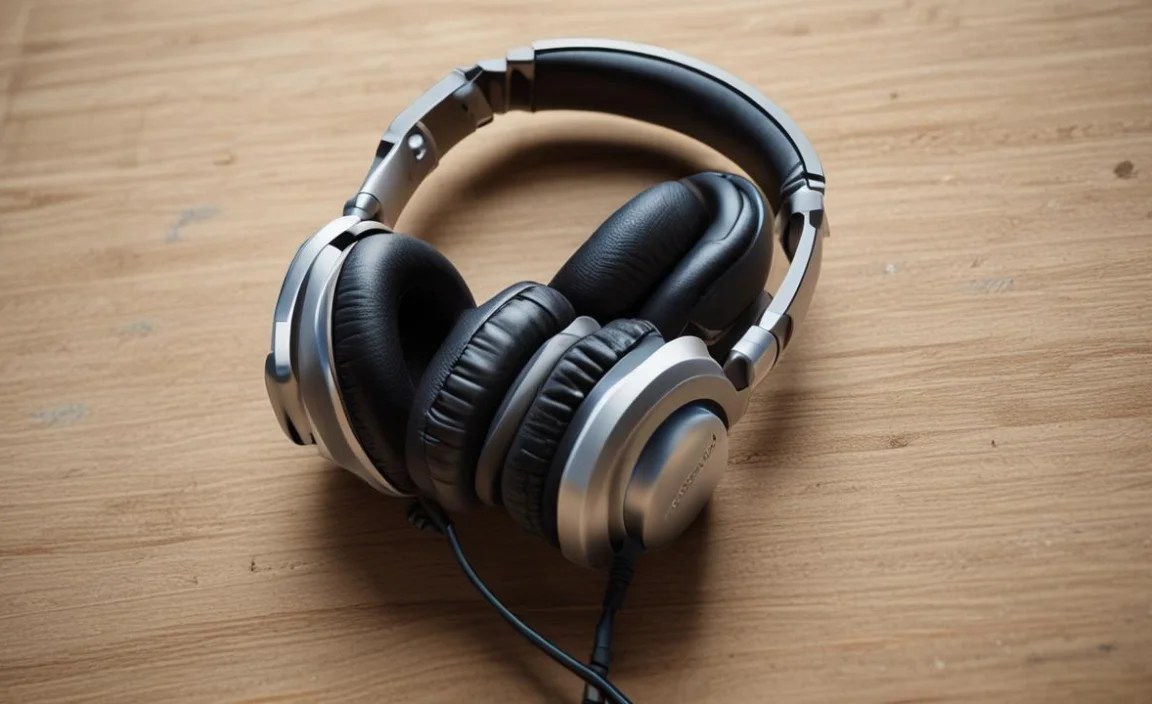
To help you visualize, here’s a comparison of common features across different headphone types for exercise.
| Feature / Headphone Type | True Wireless Earbuds | Neckband Earbuds | On/Over-Ear Headphones | Bone Conduction Headphones |
|---|---|---|---|---|
| Security of Fit | Variable (depends on design, tips, hooks) | High (neckband helps) | Moderate to High (clamping force) | Very High (rests on head) |
| Sweat Resistance (Typical) | IPX4 – IPX7 | IPX4 – IPX6 | IPX4 – IPX5 | IPX5 – IPX7 |
| Situational Awareness | Low (unless ambient mode) | Low (unless ambient mode) | Low (unless ambient mode) | Very High (open ears) |
| Portability | Very High | High | Moderate | High |
| Sound Quality Potential | Good to Excellent | Good to Very Good | Very Good to Excellent | Fair to Good |
| Battery Life (Typical Single Charge) | 4-8 hours | 6-12 hours | 20-50+ hours | 6-10 hours |
Maintaining Your Exercise Headphones
To get the most out of your investment, proper care is essential. Sweat, dirt, and moisture can degrade your headphones over time if not managed.
Cleaning Your Headphones
Regular cleaning will keep them performing their best and smelling fresh.
- Wipe Down After Every Use: Use a soft, dry microfiber cloth to wipe down the earbuds and any exposed parts of the headphones. For more stubborn sweat marks, lightly dampen the cloth with water or use a slightly diluted mild soap solution (ensure no liquid gets into ports or speaker grilles). Carefully dry them afterward.
- Clean Ear Tips/Earpads: Remove ear tips (if possible) and wash them gently with mild soap and water. Allow them to dry completely before reattaching. For on-ear and over-ear pads, wipe them with a damp cloth and let them air dry. Avoid harsh chemicals.
- Clean Charging Contacts: For wireless earbuds, ensure the charging contacts on the earbuds and inside the charging case are clean. Use a dry cotton swab or a pencil eraser to gently clean them. This ensures a proper connection for charging.
- Dry Out Properly: Never store damp headphones in their case or a bag. Let them air dry completely in a well-ventilated area before storing.
Storage Tips
- Use the
