
Laptop headphones are essential accessories for personal and professional use, offering enhanced audio experiences, privacy, and convenience. Understanding their importance, types, and functionalities can greatly influence productivity and entertainment quality, ensuring you make informed decisions when choosing the right pair.
Headphones for laptops are vital for those who seek a personal audio experience, whether for work, gaming, or leisure. As laptops become increasingly central to our daily lives, integrating quality headphones translates to an improved audio experience. This article explores the significance of laptop headphones, including their types, benefits, and how to choose the right pair for your needs.
Key Takeaways
- Types of Headphones: Over-ear, on-ear, and in-ear designs offer varied benefits.
- Sound Quality: Critical for music, calls, and gaming, enhancing the overall experience.
- Wireless vs. Wired: Offers flexibility and convenience versus reliability and traditional quality.
- Comfort & Fit: Essential for prolonged use, avoiding discomfort and fatigue.
- Noise Cancelling: Reduces background noise, crucial for concentration and immersive experiences.
- Compatibility: Ensures seamless integration with different laptop models and operating systems.
- Price Range: Varies significantly, balancing quality and budget considerations.
What is headphones for a laptop?

Headphones designed for laptops are audio devices that allow users to privately listen to sounds from their laptops. They come in various forms, each suited for different purposes, such as work, entertainment, or gaming. Understanding the different types and features of these headphones can help users choose the most suitable pair for their specific needs.
Types and Features
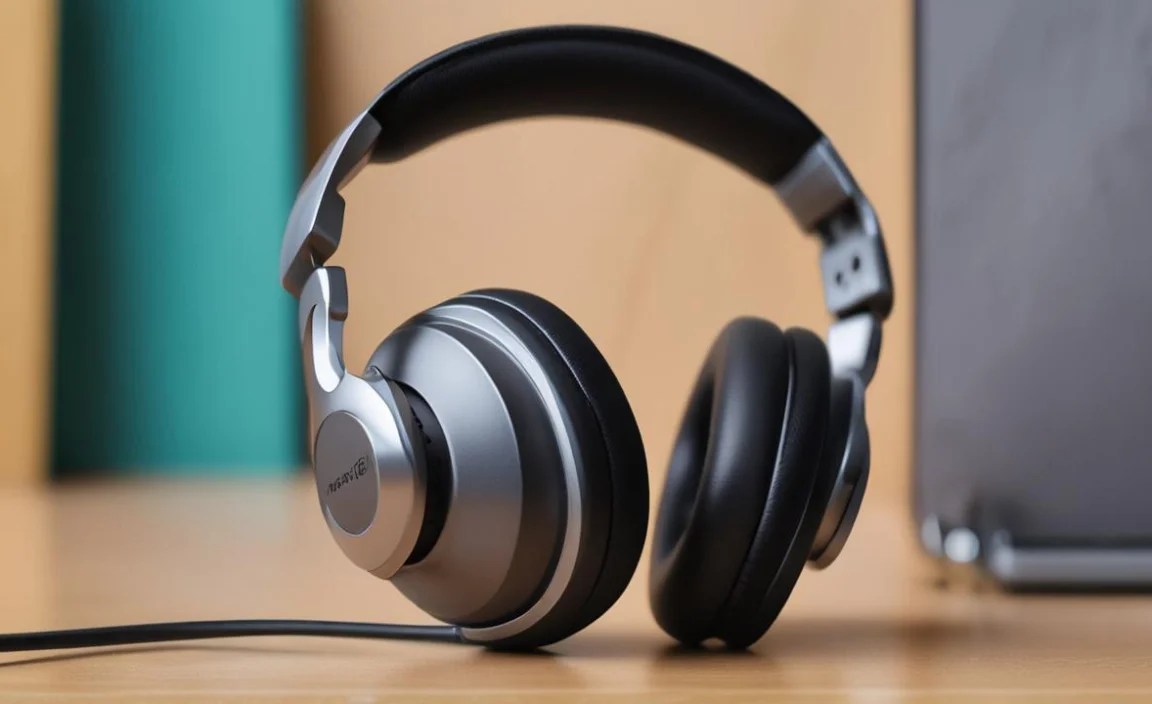
- Over-Ear: Large ear cups that surround the ears, offering rich sound and excellent noise isolation.
- On-Ear: Smaller than over-ear, resting on the ears, providing portability and comfort.
- In-Ear: Compact earbuds fitting inside the ear canal, highly portable and convenient for travel.
- Wireless: Bluetooth-enabled for cable-free convenience, perfect for mobility.
- Wired: Traditional design with no latency issues, often preferred by audiophiles.
- Noise-Cancelling: Reduces ambient noise, ideal for focused work or travel.
Headphones for laptops come in diverse forms, each catering to different listening preferences, such as portability, comfort, and sound quality. Selecting the right type can significantly enhance your laptop usage experience.
Why headphones for a laptop is Important?

Headphones for a laptop provide users with a private and enhanced audio experience. From attending virtual meetings to enjoying multimedia content, they are indispensable tools for ensuring optimal sound quality. Their importance extends to focus, productivity, and overall user satisfaction, particularly in environments where external noise is prevalent.
Benefits
- Enhanced Sound Quality: Offers superior audio fidelity compared to built-in laptop speakers.
- Privacy: Ensures calls and multimedia are heard only by the user, protecting confidentiality.
- Focus and Concentration: Noise-cancelling features help reduce distractions in noisy environments.
- Improved Communication: Essential for clear audio during virtual meetings and calls.
- Mobility: Wireless options facilitate movement without being tethered to the laptop.
Utilizing headphones with a laptop not only enhances the audio experience but also supports better communication, privacy, and productivity, making it a crucial accessory for many users.
Step-by-Step Guide to headphones for a laptop

Step 1: Determine Your Needs
- Identify the primary purpose: Work, gaming, entertainment, or travel.
- Assess your environment: Noisy office, home, or quiet space.
- Consider connectivity: Wired or wireless based on mobility requirements.
Determining your specific needs is the first step in selecting the right headphones, ensuring that the features align with your intended usage and environment.
Step 2: Research and Compare Options
- Read reviews: Check user feedback on sound quality and comfort.
- Compare models: Look at specifications, features, and price points.
- Check brand reputation: Established brands often offer reliable products.
Researching and comparing different headphone models will help you make an informed decision, focusing on quality, features, and budget considerations.
Step 3: Test for Comfort and Fit
- Try before buying: Test the headphones in-store for comfort and sound.
- Check adjustability: Ensure a secure fit without pressure points.
- Consider ear cup material: Soft and breathable materials for long-term wear.
Testing headphones for comfort and fit is crucial, as prolonged use should not cause discomfort or fatigue, ensuring a pleasant listening experience.
Step 4: Verify Compatibility
- Check laptop ports: Ensure compatibility with USB, 3.5mm jack, or Bluetooth connectivity.
- Software requirements: Install necessary drivers or software for optimal functionality.
- Test functionality: Pair or connect the headphones to ensure they work seamlessly.
Verifying compatibility between the headphones and your laptop ensures seamless integration, preventing any connectivity issues.
Alternative Methods / Tools
Using External Speakers
- Connect via Bluetooth or cable: Offers a shared audio experience.
- Enhance sound quality: Provides better audio output than built-in speakers.
- Suitable for group settings: Ideal for presentations and movie nights.
External speakers serve as an alternative to headphones, especially useful in situations where shared listening is preferred.
Built-in Laptop Speakers
- Convenience: No additional equipment needed.
- Good for basic use: Suitable for general audio tasks.
- Limited sound quality: May not provide an immersive experience.
Using built-in laptop speakers is the simplest method, though it offers limited audio quality and privacy compared to headphones.
Troubleshooting Common Issues
Headphones Not Connecting
- Check Bluetooth settings: Ensure the device is discoverable and paired.
- Update drivers: Install the latest audio drivers.
- Restart devices: Reboot both laptop and headphones.
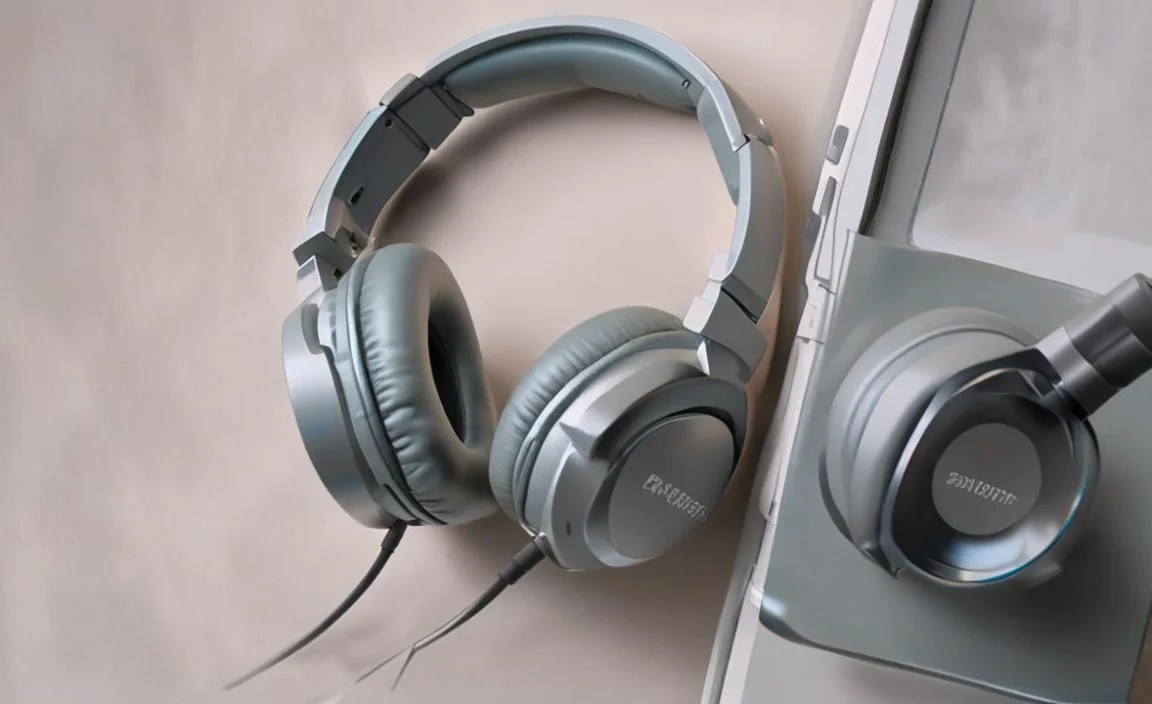
If your headphones are not connecting, these steps can help resolve common connectivity issues by ensuring proper settings and updated software.
Audio Quality Issues
- Check connection stability: Ensure a stable and secure connection.
- Adjust sound settings: Balance the audio levels and equalizer settings.
- Inspect hardware: Check for physical damage or wear.
Addressing audio quality issues often involves checking connection stability, adjusting sound settings, and inspecting hardware for any potential problems.
Advanced Techniques
Optimize Audio Settings
- Use equalizer settings: Fine-tune audio output for better clarity and balance.
- Enable surround sound: For immersive experiences in gaming and movies.
- Adjust microphone settings: Ensure clear communication during calls.
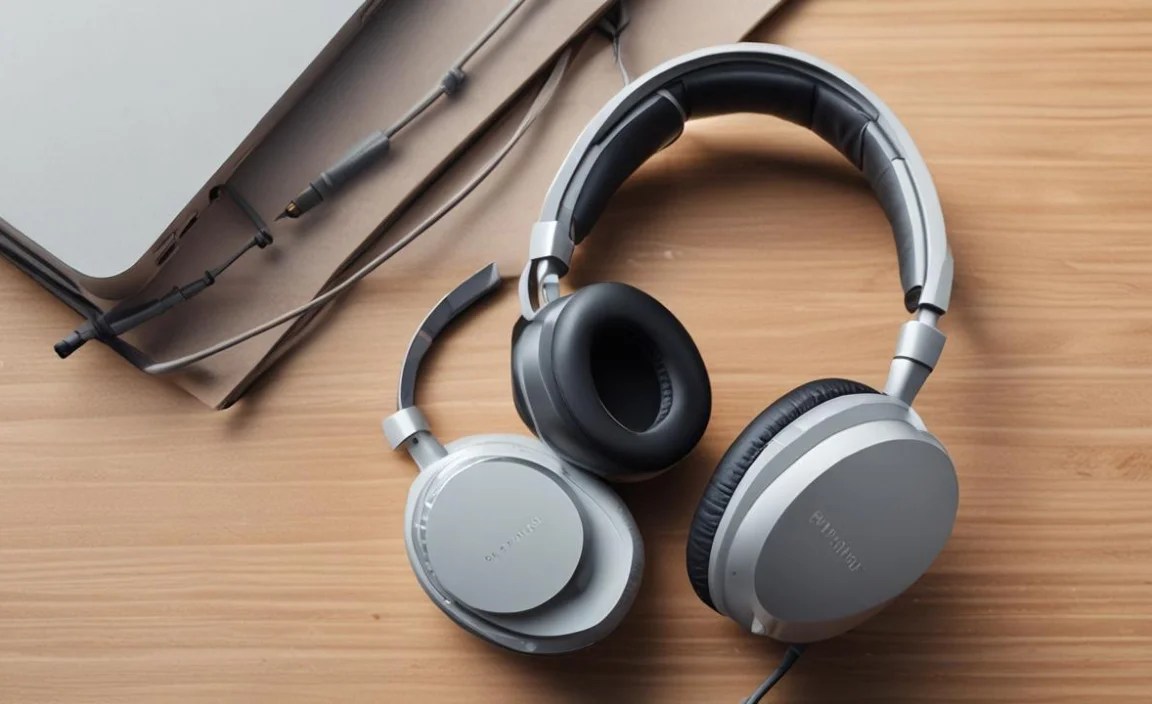
Optimizing audio settings can significantly enhance the listening experience by tailoring sound output to your personal preferences.
Clean Install of Audio Drivers
- Uninstall existing drivers: Remove outdated or faulty drivers.
- Download latest versions: Ensure you have the most recent drivers from the manufacturer.
- Install and test: Re-install drivers and verify functionality.
Performing a clean install of audio drivers can resolve persistent issues and ensure your headphones perform optimally.
Prevention & Maintenance Tips
- Regular cleaning: Remove dust and debris from ear cups and connectors.
- Protect against moisture: Avoid using in damp environments.
- Store properly: Use a case to prevent damage when not in use.
- Check for updates: Keep firmware and software updated.
- Handle with care: Avoid pulling on cables or dropping wireless units.
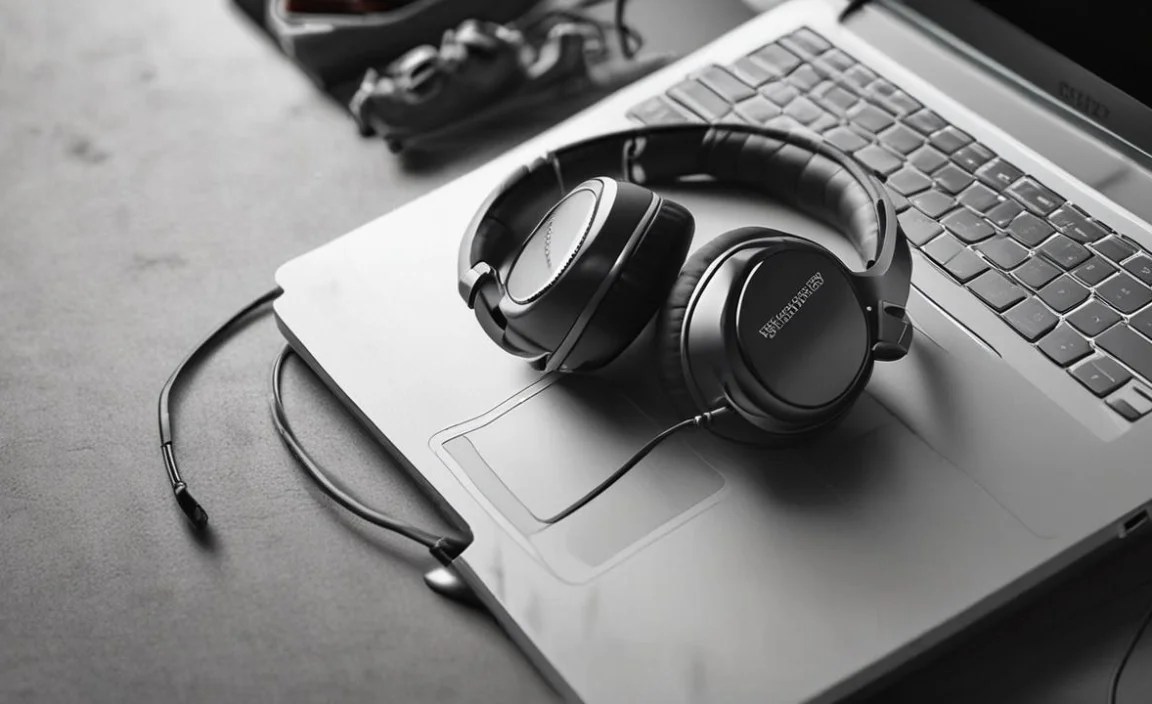
Regular maintenance and care of your headphones can extend their lifespan and maintain sound quality, ensuring they remain a reliable accessory.
According to Statista 2025, 72% of laptop users prefer using headphones for a personalized audio experience.
According to TechCrunch 2024, 55% of employees working from home use noise-cancelling headphones to improve concentration and productivity.
According to Audio Technica 2023, the global market for wireless headphones is expected to grow by 23% annually.
Driver Update Methods Compared
| Method | Difficulty | Speed | Best For | Notes |
|---|---|---|---|---|
| Manual Download | High | Slow | Experienced Users | Requires finding correct versions. |
| Automatic Software | Low | Fast | Novice Users | Requires installation of third-party tools. |
| Windows Update | Medium | Moderate | General Users | May not have the latest versions. |
Conclusion
Investing in the right headphones for your laptop can transform your audio experience, enhancing productivity, entertainment, and communication. Prioritize comfort, sound quality, and compatibility to ensure you make the best choice. Regular maintenance and troubleshooting can help you get the most out of your headphones, making them a valuable tool for personal and professional use.
Frequently Asked Questions
Question 1: What Type of Headphones Are Best for Laptops?
Answer: Over-ear headphones are generally considered best for sound quality and noise isolation, while in-ear options offer portability.
Question 2: Can I Use Bluetooth Headphones with My Laptop?
Answer: Yes, as long as your laptop supports Bluetooth connectivity.
Question 3: How Do I Connect Headphones to My Laptop?
Answer: Use the 3.5mm jack, USB port, or Bluetooth, depending on your headphone type.
Question 4: Why Is My Laptop Not Detecting My Headphones?
Answer: Check connections, update drivers, and ensure headphones are in pairing mode.
Question 5: What Are Noise-Cancelling Headphones?
Answer: They use technology to reduce ambient noise, enhancing focus and audio quality.
Question 6: How Often Should I Update My Headphone Drivers?
Answer: Regular updates are recommended to ensure optimal performance and compatibility.
Question 7: Are Wireless Headphones Good for Gaming?
Answer: Yes, provided they have low latency and good sound quality.
Question 8: What Should I Do if My Headphones Stop Working?
Answer: Troubleshoot by checking connections, updating drivers, and testing with another device.
Question 9: How Can I Improve the Sound Quality of My Headphones?
Answer: Use equalizer settings and ensure a good fit to maximize audio quality.
