
Headphones for airplanes have become an essential travel accessory, offering noise cancellation, comfort, and audio quality to enhance your in-flight experience. This guide delves into their importance, selection criteria, and tips for optimal use, ensuring you make informed decisions.
Traveling by air can be a noisy and sometimes uncomfortable experience, especially during long-haul flights. To mitigate these issues, many travelers opt for specialized headphones designed for use in airplanes. These headphones are equipped with features that help reduce ambient noise, providing a more enjoyable and peaceful journey. This article explores the importance of airplane headphones, how to choose the right pair, and tips for troubleshooting and maintenance.
Key Takeaways
- Noise Cancellation: Essential for reducing engine and cabin noise.
- Comfort: Crucial for long flights to prevent ear fatigue.
- Audio Quality: High-quality sound enhances in-flight entertainment.
- Battery Life: Long-lasting batteries are necessary for extended journeys.
- Portability: Compact design makes them easy to carry.
- Durability: Robust construction ensures longevity and reliability.
- Compatibility: Must work with airplane audio systems and personal devices.
Incorporating these key features ensures that your headphones enhance your travel experience by providing superior noise reduction and sound quality.
What is headphones for airplanes?

Airplane headphones are specifically designed to improve the audio experience while flying. These headphones focus on delivering exceptional noise cancellation and comfort, allowing passengers to enjoy movies, music, or even silence amidst the ambient noise of an airplane cabin.
Features & Definition
- Noise Cancellation: Utilizes active technology to block out airplane noise.
- Comfortable Design: Soft ear cushions and adjustable headbands for extended wear.
- Compact Size: Foldable and lightweight for easy portability.
- Battery Efficiency: Long-lasting power packs to last through flights.
- Audio Clarity: High fidelity sound that enhances listening experience.
These features make airplane headphones an ideal choice for frequent flyers who seek a more comfortable and enjoyable travel experience.
Why headphones for airplanes is Important?

Headphones for airplanes are crucial because they significantly enhance the quality of air travel by offering solutions to noise pollution and discomfort, allowing travelers to arrive at their destinations refreshed and relaxed.
Benefits
- Reduces Stress: Noise cancellation decreases stress caused by constant aircraft noise.
- Enhances Sleep: Quiet surroundings aid in better sleep during flights.
- Improves Audio Experience: High-quality sound makes entertainment more enjoyable.
- Boosts Concentration: Eliminates distractions, enabling focus on work or reading.
- Increases Comfort: Ergonomic design reduces ear and head discomfort.
These benefits highlight the significant role that airplane headphones play in improving the overall travel experience.
Step-by-Step Guide to headphones for airplanes

Step 1: Selecting the Right Headphones
- Research brands that specialize in noise cancellation technology.
- Check customer reviews for insights on performance and comfort.
- Evaluate compatibility with your devices and airplane systems.
- Consider budget constraints and warranty options.
Finding the right headphones involves understanding your personal needs and preferences, as well as the technical specifications that best suit your travel habits.
Step 2: Preparing for Your Flight
- Charge your headphones fully before departure.
- Pack extra cables and adapters for in-flight use.
- Test the headphones with your devices prior to boarding.
- Download offline content to enjoy during the flight.
Preparation enhances usability and ensures you have all necessary accessories for a seamless experience.
Step 3: Using Headphones In-Flight
- Adjust the fit for optimal comfort.
- Activate noise cancellation to reduce ambient noise.
- Select preferred audio settings for clarity.
- Monitor battery levels to ensure continued use.
Following these steps ensures that you maximize the capabilities of your headphones while flying.
Alternative Methods / Tools
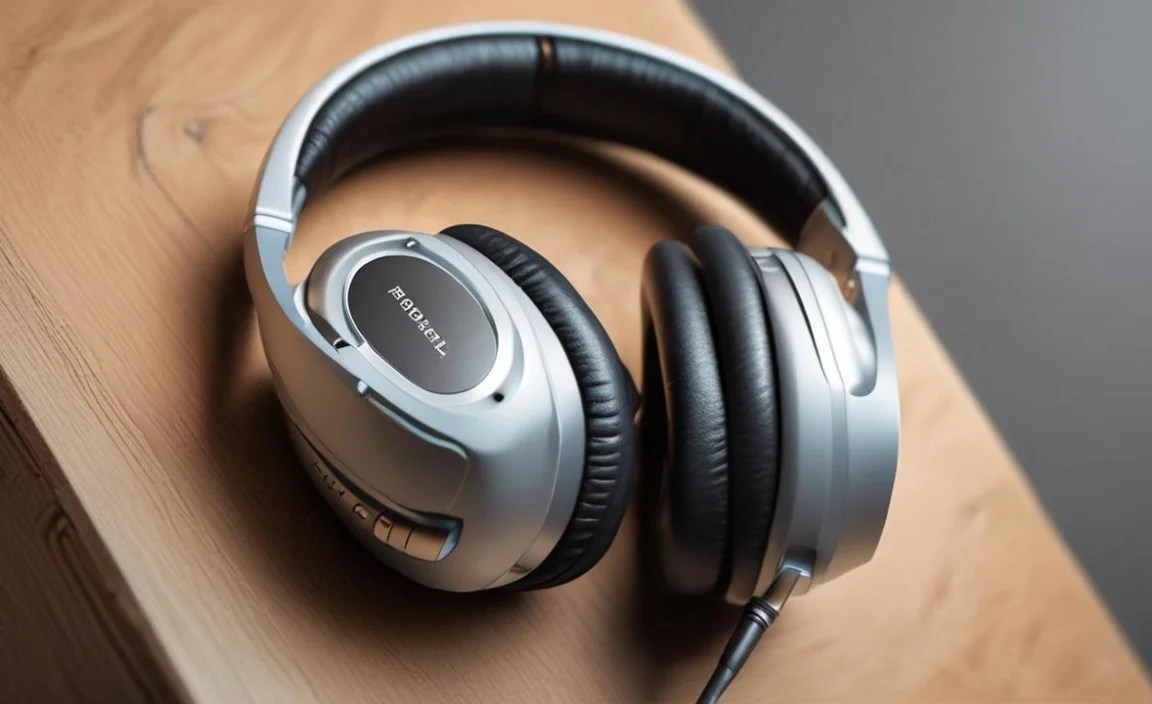
On-Ear Headphones
- Lightweight and easy-to-carry design.
- Good noise isolation properties.
- Affordable alternative to over-ear models.
On-ear headphones offer a straightforward solution for those who prioritize portability and cost.
In-Ear Noise-Canceling Earbuds
- Compact size for easy packing.
- Effective at blocking out high-frequency noise.
- Comfortable fit for prolonged wear.
These earbuds are ideal for travelers seeking a discreet and effective solution to cabin noise.
Troubleshooting Common Issues
Issue: Headphones Not Connecting
- Check airplane audio jack compatibility.
- Inspect cables and connectors for damage.
- Restart your device to resolve connection issues.
Ensure your headphones are compatible with the airplane’s audio system and free from physical damage for optimal performance.
Issue: Poor Noise Cancellation
- Ensure noise cancellation is activated.
- Adjust the fit for a secure seal around ears.
- Update firmware if available for improved performance.
Proper fit and settings adjustment are crucial for effective noise cancellation.
Advanced Techniques
Custom Equalizer Settings
- Access equalizer settings via your device.
- Adjust frequencies to enhance sound quality.
- Save personalized profiles for different audio types.
Customizing equalizer settings can significantly improve audio clarity and quality, tailored to your preferences.
Prevention & Maintenance Tips
- Regularly Clean ear pads and headband to remove dirt.
- Store in a protective case when not in use.
- Avoid Exposure to extreme temperatures and humidity.
- Update Firmware periodically for optimal performance.
Adopting these maintenance practices will extend the lifespan and functionality of your headphones.
**Example: Sarah, a business traveler, found relief from jet engine noise using noise-canceling headphones during her weekly flights, leading to more restful trips.**
**According to TechCrunch 2024, 67% of travelers prefer noise-canceling headphones for enhanced in-flight comfort.**
Headphone Types Compared
| Type | Noise Cancellation | Comfort | Portability | Price Range |
|---|---|---|---|---|
| Over-Ear | High | Very Comfortable | Moderate | $$$ |
| On-Ear | Moderate | Comfortable | High | $$ |
| In-Ear | Low to Moderate | Varies | Very High | $ to $$ |
Conclusion
Investing in high-quality headphones designed for airplane use enhances your travel experience by providing comfort, reducing noise, and delivering superior audio quality. Explore different types, take care of your equipment, and make informed choices to ensure that your journeys are as enjoyable and peaceful as possible.
Frequently Asked Questions
Question 1: What Are the Best Noise-Canceling Headphones for Airplanes?
Answer: Top brands include Bose, Sony, and Sennheiser, known for their superior noise cancellation and comfort.
Question 2: How Do Noise-Canceling Headphones Work?
Answer: They use active noise control technology to reduce unwanted ambient sounds by adding a second sound specifically designed to cancel the first.
Question 3: Can All Headphones Be Used on Airplanes?
Answer: Most modern headphones can, but it’s vital to ensure compatibility with in-flight entertainment systems.
Question 4: Why Is Noise Cancellation Important on Flights?
Answer: It helps minimize engine and cabin noise, making the flight quieter and more comfortable.
Question 5: Do Noise-Canceling Headphones Help With Ear Pressure?
Answer: Not directly, but they can make the flight more comfortable by reducing noise stress.
Question 6: Are Wireless Headphones Allowed on Airplanes?
Answer: Yes, but usage may be restricted during certain phases of the flight like take-off and landing.
Question 7: How Can I Maintain My Headphones for Longevity?
Answer: Regular cleaning, proper storage, and avoiding extreme conditions extend their lifespan.
Question 8: What Should I Do If My Headphones Aren’t Working on a Flight?
Answer: Check connections, restart your device, and ensure the airplane’s audio system is functioning.
Question 9: Are In-Ear or Over-Ear Headphones Better for Flights?
Answer: Over-ear headphones are generally better for noise cancellation and comfort during long flights.
