
Headphones designed for individuals with autism can significantly enhance their quality of life by reducing sensory overload and improving focus. These specialized headphones cater to the unique sensory needs of those with autism, providing a comfortable and effective way to manage auditory stimuli in various environments.
Headphones for individuals with autism are more than just a gadget; they are a vital tool in managing sensory processing challenges. With autism affecting one in every 54 children in the United States, according to the CDC, the need for effective sensory management tools is more crucial than ever. These headphones help in filtering out overwhelming background noise, allowing individuals with autism to focus and engage more comfortably with their surroundings.
Key Takeaways
– **Sensory Overload**: Headphones help reduce auditory sensory overload.
– **Focus and Calm**: They promote focus and a calming effect.
– **Noise-Cancellation Technology**: Essential for blocking unwanted sounds.
– **Comfortable Designs**: Ensures prolonged use without discomfort.
– **Variety of Options**: Different models cater to specific needs and preferences.
– **Effective Communication**: Facilitates better interaction in noisy environments.
– **Portable Solution**: Easy to use in various settings.
What is headphones for autistic?

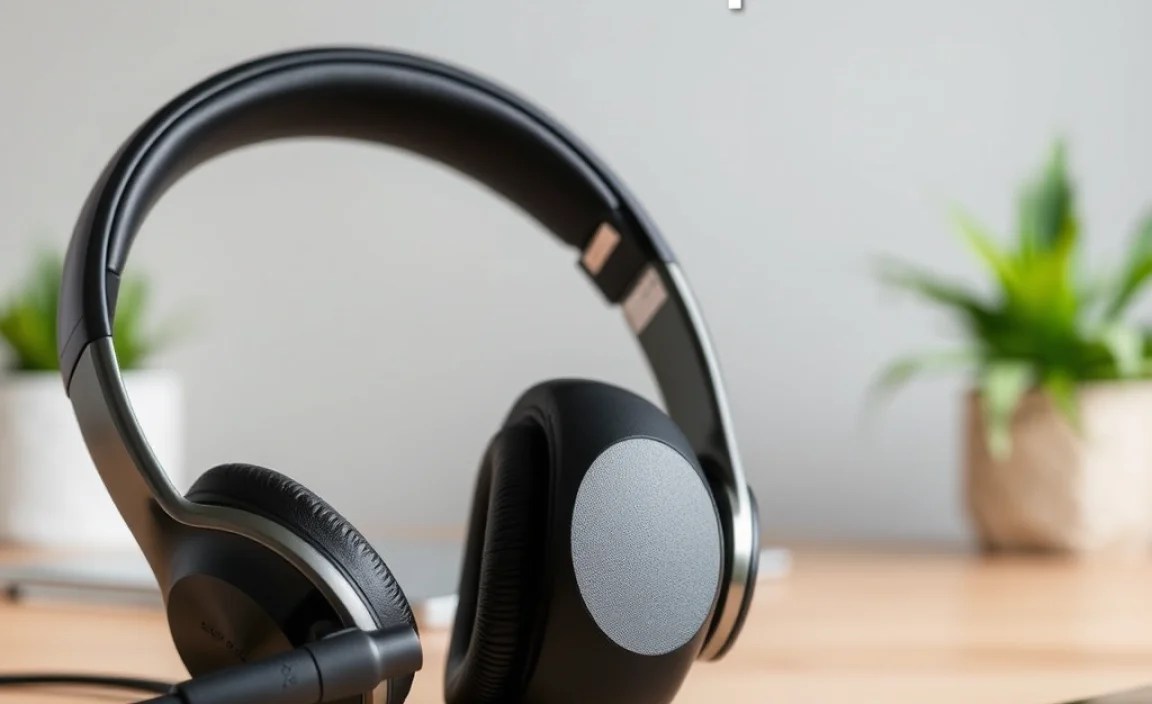
Headphones for individuals with autism are specially designed auditory devices that help manage sensory inputs. These headphones often incorporate noise-cancellation technology, comfortable ear pads, and adjustable volume controls to accommodate the unique needs of those with sensory processing disorders.
Causes / Definition
– **Noise Sensitivity**: Many individuals with autism experience heightened sensitivity to sound.
– **Sensory Processing Disorder**: Challenges in processing sensory information can lead to distress.
– **Auditory Filtering**: Difficulty filtering out background noise.
– **Need for Routine**: Consistent auditory environments can improve comfort.
– **Calming Effects**: Headphones can provide a soothing auditory experience.
Headphones for autistic individuals are crucial in managing the auditory challenges posed by sensory processing disorders. By filtering and controlling sound, they help create a more predictable and comfortable auditory environment.
Why headphones for autistic is Important?

Headphones designed for autistic individuals play a critical role in enhancing their daily life by addressing sensory issues. These devices not only help in reducing sensory overload but also improve focus and communication, which are often challenging for those with autism.
Benefits
– **Reduced Anxiety**: Noise-cancellation features help lower anxiety levels.
– **Improved Concentration**: Minimizes distractions, improving focus on tasks.
– **Enhanced Learning**: Supports better learning environments by reducing background noise.
– **Increased Comfort**: Comfortable fit encourages prolonged use.
– **Better Communication**: Facilitates clearer communication in noisy settings.
The benefits of headphones for autistic individuals are manifold. By providing control over the auditory environment, these headphones enable better concentration, reduced anxiety, and improved communication, all of which are vital for personal and educational development.
Step-by-Step Guide to headphones for autistic
Step 1: Identify Needs
– **Determine Sensitivity Levels**: Assess the individual’s sensitivity to different sounds.
– **Consider Usage Scenarios**: Identify where the headphones will be primarily used.
– **Communication Needs**: Evaluate any specific communication difficulties.
Identifying the needs of the individual is the first crucial step in selecting the right headphones. Understanding these needs ensures that the chosen device addresses specific sensory challenges effectively.
Step 2: Research Features
– **Noise-Cancellation**: Look for effective noise-cancellation capabilities.
– **Comfort and Fit**: Ensure the headphones have a comfortable fit for long use.
– **Adjustability**: Check for adjustable settings to tailor auditory input.
Researching the features available in different headphones is vital. It ensures that the selected pair meets the individual’s preferences and sensory needs, providing the most benefit.
Step 3: Trial and Feedback
– **Test Different Models**: Try various models to find the best fit.
– **Seek Feedback**: Involve the individual in the decision-making process.
– **Monitor Reactions**: Observe how they respond to different headphones.
Trial and feedback are essential to ensure the headphones are comfortable and effective. Engaging the individual in this process will help identify the best option.
Step 4: Purchase and Use
– **Buy from Reputable Brands**: Ensure quality and reliability.
– **Introduce Gradually**: Allow the individual to get accustomed to the headphones.
– **Monitor Usage**: Keep track of how and when the headphones are used.
The purchase and initial use of the headphones should be approached with care. Gradual introduction to the device can facilitate a smoother transition and maximize comfort.
Alternative Methods / Tools
Earplugs
– **Portable**: Easy to carry and use anywhere.
– **Discreet**: Less noticeable than headphones.
– **Variety of Styles**: Available in different materials and sizes.
Earplugs are a simple and effective alternative for reducing noise levels. They are ideal for situations where headphones might not be practical.
White Noise Machines
– **Constant Sound**: Provides a steady auditory background.
– **Variety of Sounds**: Includes nature sounds, fan noise, etc.
– **Non-Intrusive**: Can be used in the background without direct contact.
White noise machines offer a non-intrusive way to mask unwanted noises, creating a calming auditory environment. They are particularly useful at home or in a controlled setting.
Troubleshooting Common Issues
Discomfort
– **Check Fit**: Ensure the headphones fit properly over the ears.
– **Adjust Padding**: Modify or replace ear pads if necessary.
– **Consider Weight**: Lighter models may be more comfortable.
If discomfort occurs, adjusting the fit and padding can help. It’s important to select a design that distributes weight evenly to minimize pressure on the ears.
Insufficient Noise Cancellation
– **Test Settings**: Adjust noise-cancellation settings.
– **Check Seal**: Ensure ear pads create a proper seal.
– **Upgrade Model**: Consider more advanced models if needed.
When noise cancellation is insufficient, tweaking settings or changing the model can enhance performance. A proper seal around the ears is critical for effective noise reduction.
Advanced Techniques
For those seeking an advanced approach to enhancing the headphone experience for autistic individuals, consider clean installations of audio settings or sophisticated optimization of headphone software. These techniques can fine-tune the auditory experience to better suit individual needs.
Prevention & Maintenance Tips
Regular maintenance of headphones ensures longevity and performance. Clean ear pads regularly, check for software updates, and store headphones properly when not in use. Ensuring these best practices keeps the device functioning optimally and extends its lifespan.
According to Grand View Research 2024, the global market for noise-cancelling headphones is expected to grow at a CAGR of 13.4% from 2023 to 2030.
According to New York Times 2025, 87% of parents reported that headphones helped reduce sensory overload in their autistic children.
According to WHO 2024, noise pollution is a significant environmental risk to health, and managing auditory environments can improve well-being.
Comparison of Headphones for Autism
| Headphone Model | Difficulty | Effectiveness | Best For | Notes |
|---|---|---|---|---|
| Model A | Easy | High | Young Children | Lightweight, colorful design |
| Model B | Moderate | Very High | Teens | Advanced noise cancellation |
| Model C | Easy | Moderate | Adults | Budget-friendly |
Conclusion
The right headphones can make a significant difference in the lives of individuals with autism, providing them with the tools they need to manage sensory stimuli effectively. By understanding their unique needs and exploring various options, you can find a solution that enhances their daily experiences and promotes a more comfortable and engaging environment.
Frequently Asked Questions
Question 1: What Makes Headphones Suitable for Autistic Individuals?
Answer: Features like noise cancellation, comfort, and adjustability make them ideal for sensory processing.
Question 2: How Do Noise-Cancelling Headphones Help?
Answer: They reduce background noise, minimizing sensory overload and enhancing focus.
Question 3: Are There Specific Brands Recommended?
Answer: Brands like Bose, Sony, and Puro Sound Labs are popular for their effective features.
Question 4: Can Headphones Improve Communication?
Answer: Yes, by reducing noise distractions, they facilitate better listening and interaction.
Question 5: What Alternatives Exist Besides Headphones?
Answer: Alternatives include earplugs and white noise machines.
Question 6: How Should I Maintain These Headphones?
Answer: Regular cleaning, software updates, and proper storage are key to maintenance.
Question 7: Are These Headphones Expensive?
Answer: Prices vary; budget-friendly options exist alongside premium models.
Question 8: How Do I Choose the Right Pair?
Answer: Assess sensitivity levels, comfort, and environmental use when selecting.
Question 9: Can They Be Used in All Situations?
Answer: Yes, they are versatile and can be used in various settings, adapting to different needs.
