
When it comes to protecting a baby’s sensitive hearing, choosing the right headphones is crucial. These special headphones are designed to reduce noise levels and safeguard the delicate ears of infants and toddlers, ensuring they can enjoy a peaceful environment without harm.
Headphones for babies are specially designed devices that protect infants’ delicate ears from loud noises. As young children are exposed to various sounds in their environment, these headphones serve as essential tools to guard against hearing damage. Understanding the significance of this topic is crucial for parents who want to ensure their child’s auditory safety and comfort.
Key Takeaways
- Hearing Protection: Baby headphones help shield young ears from loud sounds.
- Comfortable Fit: Designed with soft materials for a snug, gentle fit.
- Developmental Benefits: Ensures a quiet environment conducive to healthy development.
- Portable Solution: Easy to transport and use in various settings.
- Variety of Designs: Available in multiple styles to suit different preferences.
- Safety Standards: Meets specific safety regulations for child products.
What is headphones for babies?

Headphones for babies are devices specifically crafted to protect infants’ hearing from potentially harmful loud noises. Unlike regular headphones, these are built with special materials and design features to ensure comfort and safety for young children. They are becoming increasingly popular among parents who recognize the importance of safeguarding their child’s auditory health.
Features of Baby Headphones
- Noise Reduction: Effective in reducing ambient noise levels.
- Adjustable Headbands: Designed to fit growing heads comfortably.
- Soft Cushions: Made from hypoallergenic materials for sensitive skin.
- Lightweight Construction: Easy for babies to wear without discomfort.
- Non-Toxic Materials: Safe for babies to use and chew on.
Baby headphones are engineered with specific features that cater to the unique needs of infants and toddlers. From noise reduction capabilities to hypoallergenic materials, these devices are designed to create a safe and comfortable auditory environment for little ones.
Why headphones for babies is Important?

The importance of baby headphones cannot be overstated, as they play a pivotal role in protecting a child’s hearing. Infants and toddlers are often exposed to high decibel levels in various settings, which can lead to potential hearing damage. By using headphones designed for babies, parents can mitigate these risks and ensure their child’s hearing is preserved for the future.
Benefits of Using Baby Headphones
- Hearing Protection: Shields sensitive ears from loud noises.
- Improved Sleep: Helps babies rest in noisy environments by reducing sound.
- Enhanced Focus: Allows children to concentrate without interruptions from background noise.
- Stress Reduction: Decreases anxiety caused by sudden loud sounds.
- Developmental Support: Provides a tranquil environment conducive to cognitive development.
By investing in baby headphones, parents can offer their children several benefits, from enhanced sleep quality to reduced stress levels. These advantages contribute to a healthier and more supportive environment for growth and development.
Step-by-Step Guide to headphones for babies

Step 1: Choosing the Right Model
- Research: Look for reputable brands with positive reviews.
- Safety Standards: Ensure the headphones meet safety regulations.
- Age Appropriateness: Select a model suitable for your child’s age.
Selecting the appropriate model involves careful research and consideration of safety standards. It’s essential to choose headphones that are designed for your child’s age group to ensure they provide the proper fit and protection.
Step 2: Testing Headphone Fit
- Adjust Headband: Ensure the band is snug but not tight.
- Check Cushions: Confirm that ear cushions are comfortable and cover the ears fully.
- Observe Reactions: Monitor your child’s comfort and adjust as needed.
Testing the fit of the headphones is crucial to ensuring your child’s comfort. Adjust the headband and ear cushions to make sure they provide a secure fit without causing discomfort.
Step 3: Usage in Various Environments
- Home Use: Apply during loud activities like vacuuming or cooking.
- Traveling: Useful for car rides or flights to reduce engine noise.
- Public Events: Ideal for concerts, parades, or other noisy gatherings.
Using baby headphones in different environments can protect your child’s hearing in numerous situations, from the everyday hustle at home to the louder noise levels found in public settings.
Alternative Methods / Tools
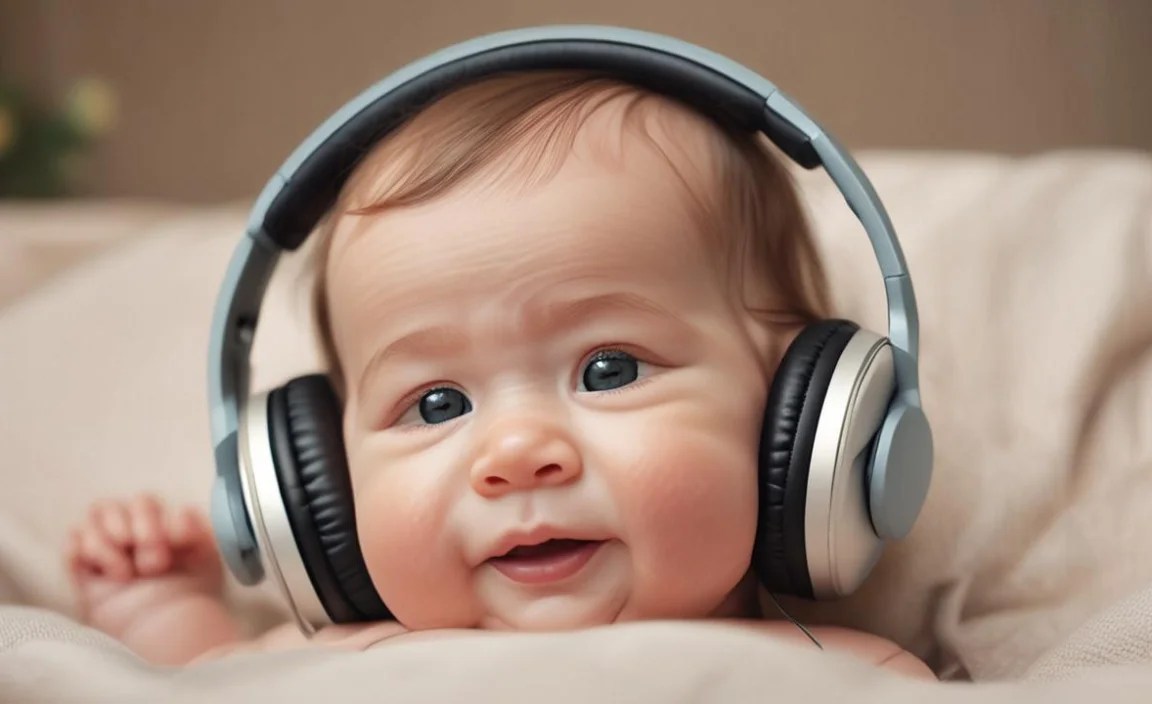
Noise-Cancelling Ear Muffs
- Portability: Easy to carry and use anywhere.
- Adjustability: Fits different head sizes as your child grows.
- Durability: Made from robust materials for long-term use.
Noise-cancelling ear muffs are a reliable alternative for reducing ambient sound without the use of electronic components. They offer a straightforward and effective way to protect your child’s hearing in various noise-prone environments.
Soundproof Room Accessories
- Soundproof Curtains: Block external noise from entering a room.
- Acoustic Panels: Installed on walls to absorb sound and reduce echo.
- Rug Pads: Help dampen noise created by footsteps or dropped objects.
Utilizing soundproof room accessories can create a quieter environment within the home, reducing the need for constant headphone use while ensuring your child is still protected from disruptive noise.
Troubleshooting Common Issues
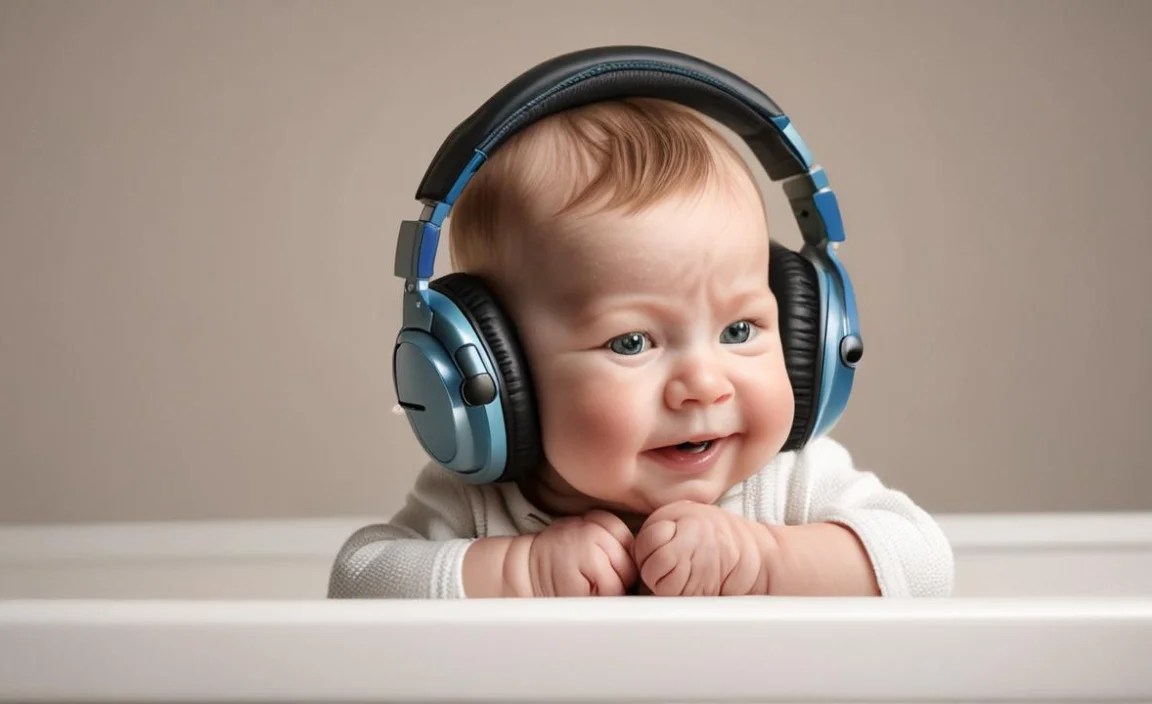
Discomfort With Wearing
- Adjust Fit: Make sure the headphones are not too tight.
- Check Material: Ensure the materials are hypoallergenic.
- Shorter Sessions: Allow breaks between headphone use.
If your child experiences discomfort, it’s essential to adjust the fit and check the materials for any allergic reactions. Taking breaks can also help alleviate any irritation.
Headphones Not Effective
- Inspect Seal: Make sure the ear cushions fully cover the ears.
- Battery Check: Ensure any electronics are charged if applicable.
- Model Suitability: Verify the model is appropriate for your child’s age.
If the headphones are not effectively reducing noise, check the fit and ensure that they are appropriate for your child’s age and needs. Also, ensure any electronic components are functioning correctly.
Advanced Techniques
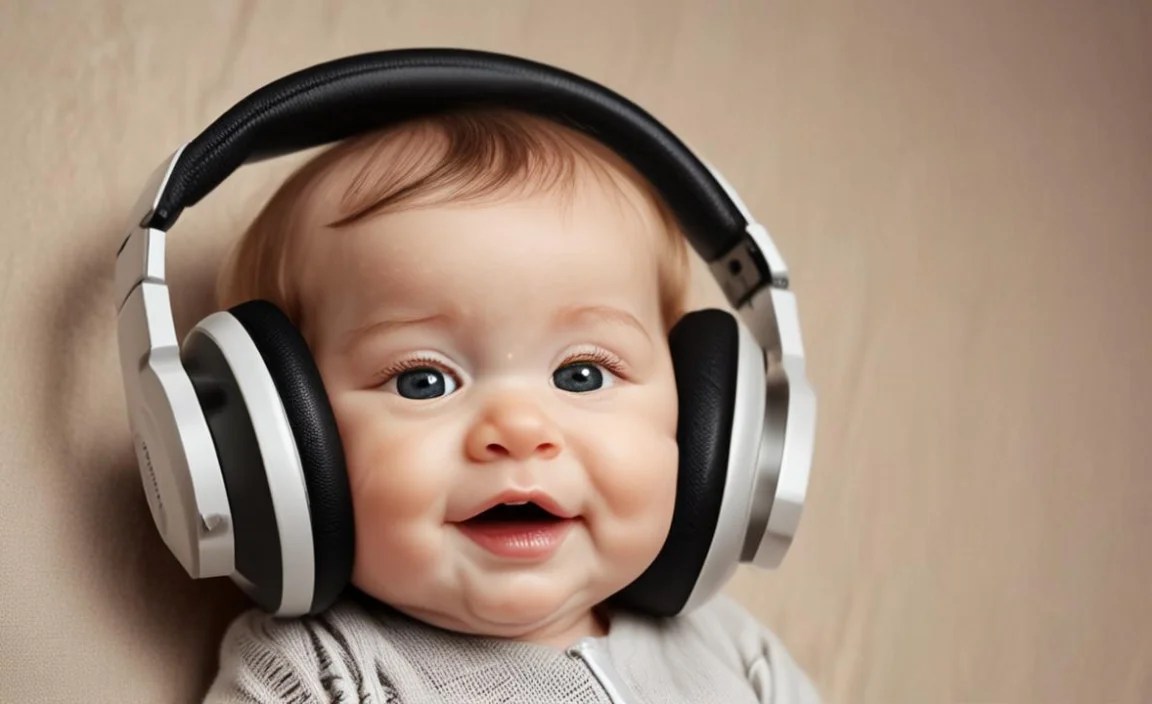
Custom-Fit Headphones
- Professional Molding: Get headphones custom-fitted by a professional.
- Personalized Adjustments: Tailor adjustments to your child’s specific needs.
- Premium Materials: Use high-grade materials for optimal comfort.
Custom-fit headphones offer a tailored solution for children who require a personalized fit. These advanced options are molded to fit your child’s ears perfectly, ensuring maximum comfort and noise reduction.
Noise Monitoring Technology
- Sound Level Alerts: Notifies when noise exceeds safe levels.
- App Integration: Monitor noise levels via smartphone apps.
- Automatic Adjustment: Headphones that adjust volume based on ambient noise.
Incorporating noise monitoring technology into baby headphones can provide additional safety by alerting parents when noise levels are too high, allowing them to take immediate action.
Prevention & Maintenance Tips
- Regular Cleaning: Clean headphones regularly to maintain hygiene.
- Routine Checks: Periodically check for damage or wear and tear.
- Proper Storage: Store in a safe place to prevent accidental damage.
- Replacement Parts: Replace worn-out cushions or headbands promptly.
- Monitor Usage Time: Ensure headphones are not worn for excessive periods.
Maintaining baby headphones involves regular cleaning and inspection to ensure they remain safe and functional. Proper storage and prompt replacement of parts will extend their lifespan and effectiveness.
Real-Life Examples
Jane, a mother from New York, discovered that using baby headphones helped her son sleep through busy city noises, significantly improving his nap times.
Mark, a father of twins, found that headphones allowed his children to enjoy family outings to sporting events without discomfort from the loud crowd noises.
Stats & Data Section
According to Statista 2025, 42% of parents reported using baby headphones to protect their children’s hearing during events like fireworks displays.
The CDC 2024 highlights that noise-induced hearing loss affects approximately 15% of children, making protective measures like baby headphones essential.
Pew Research 2025 indicates that 60% of new parents prioritize auditory protection devices as part of their baby care essentials.
Comparison of Baby Hearing Protection Methods
| Method | Difficulty | Speed | Best For | Notes |
|---|---|---|---|---|
| Baby Headphones | Easy | Fast | All Environments | Comfortable fit for long wear |
| Noise-Cancelling Ear Muffs | Moderate | Fast | Outdoor Activities | Durable and long-lasting |
| Soundproof Room Accessories | Challenging | Slow | Home Use | Requires installation |
Conclusion
Ensuring the auditory safety of infants involves selecting the right protection methods, like baby headphones, which offer numerous benefits from comfort to noise reduction. By implementing these devices, parents can create a safer, quieter environment conducive to their child’s health and development. Take proactive measures today to protect your child’s hearing and support their growth.
Frequently Asked Questions
Question 1: Are Baby Headphones Safe?
Answer: Yes, baby headphones are designed with safety in mind, using non-toxic materials and meeting safety standards.
Question 2: At What Age Can Babies Start Using Headphones?
Answer: Babies can start using headphones typically from 3 months old, depending on the model’s age recommendation.
Question 3: How Long Can Babies Wear Headphones?
Answer: To ensure comfort, it’s advised to limit headphone use to short periods, allowing breaks in between.
Question 4: Do Baby Headphones Block All Noise?
Answer: No, they significantly reduce noise but do not block it entirely, providing a safer listening level.
Question 5: Can Baby Headphones Be Used During Flights?
Answer: Yes, they are effective at reducing ambient noise such as engine sound, making flights more comfortable.
Question 6: How Do I Clean Baby Headphones?
Answer: Clean with a soft, damp cloth and avoid harsh chemicals that could damage materials.
Question 7: Are There Alternatives to Baby Headphones?
Answer: Yes, alternatives include noise-cancelling ear muffs and soundproof room accessories.
Question 8: What Material Are Baby Headphones Made Of?
Answer: They are typically made from hypoallergenic and non-toxic materials to ensure safety and comfort.
Question 9: Do Baby Headphones Affect Hearing Development?
Answer: No, they are designed to protect hearing, not to interfere with normal auditory development.
