
Choosing the right headphones for your cell phone can significantly enhance your audio experience, whether you’re listening to music, taking calls, or enjoying multimedia. This guide covers the importance, benefits, troubleshooting, and expert tips to ensure you make the best choice.
Understanding headphones for cell phones is crucial, as they bridge the gap between your digital audio content and how you experience it. With the evolution of technology, headphones have become more than just audio devices; they are now essential tools for communication, entertainment, and even work productivity. Knowing what to look for and how to maintain them can greatly enhance your experience.
Key Takeaways
Key Takeaways
- Types of headphones: Include wired, wireless, over-ear, on-ear, and in-ear.
- Importance of sound quality: Affects user experience significantly.
- Compatibility: Ensure headphones are compatible with your device.
- Comfort and fit: Critical for prolonged use.
- Advanced features: Noise cancellation, voice assistants, and more.
- Maintenance: Regular care can extend the lifespan of headphones.
Understanding the different aspects of headphones for cell phones can help you choose the right pair for your needs while maximizing their usability and longevity.
What is headphones for cell phone?

Headphones for cell phones are audio output devices designed to work seamlessly with mobile phones, providing users with high-quality sound for various purposes, including music playback, phone calls, and multimedia consumption. They come in various styles and configurations to suit different preferences and needs.
Types of Headphones
- Wired headphones: Connect via a 3.5mm jack or USB-C.
- Wireless headphones: Use Bluetooth for connectivity.
- Over-ear headphones: Cover the entire ear for immersive sound.
- On-ear headphones: Rest on the ears, often more portable.
- In-ear headphones: Fit snugly inside the ear canal.
Understanding the types of headphones available helps you determine which style best suits your lifestyle, whether it’s for commuting, working out, or home use.
Why headphones for cell phone is Important?

Headphones are an integral part of modern life, providing a private audio experience and allowing users to enjoy content without disturbing others. They are crucial for communication, entertainment, and productivity, making them an important accessory for any smartphone user.
Benefits of Using Headphones for Cell Phones
- Portability: Easy to carry and use on the go.
- Improved sound quality: Enhanced audio for music and calls.
- Noise cancellation: Reduces ambient noise for better focus and immersion.
- Hands-free communication: Facilitates safer phone use while multitasking.
- Versatility: Suitable for various activities, such as sports, travel, and work.
The benefits of headphones extend beyond simple audio playback, providing convenience and quality for diverse uses in everyday life.
Step-by-Step Guide to headphones for cell phone

Step 1: Determine Your Needs
- Consider usage: Music, calls, gaming, etc.
- Set a budget: Range from budget-friendly to premium.
- Evaluate lifestyle: Active lifestyle may require wireless or sports-specific designs.
Identifying your specific needs and constraints will help you narrow down the options and find headphones that best fit your lifestyle.
Step 2: Research and Compare
- Read reviews: Check user feedback and expert reviews.
- Compare models: Look at specifications and features.
- Test sound: If possible, try before you buy to assess sound quality.
Thorough research ensures you make an informed decision, leading to better satisfaction with your purchase.
Step 3: Purchase and Setup
- Choose a retailer: Buy from a reputable store or online platform.
- Ensure compatibility: Check that headphones are compatible with your device.
- Follow setup instructions: Pair or connect according to the manual.
Following these steps ensures that you get the best performance out of your new headphones.
Alternative Methods / Tools
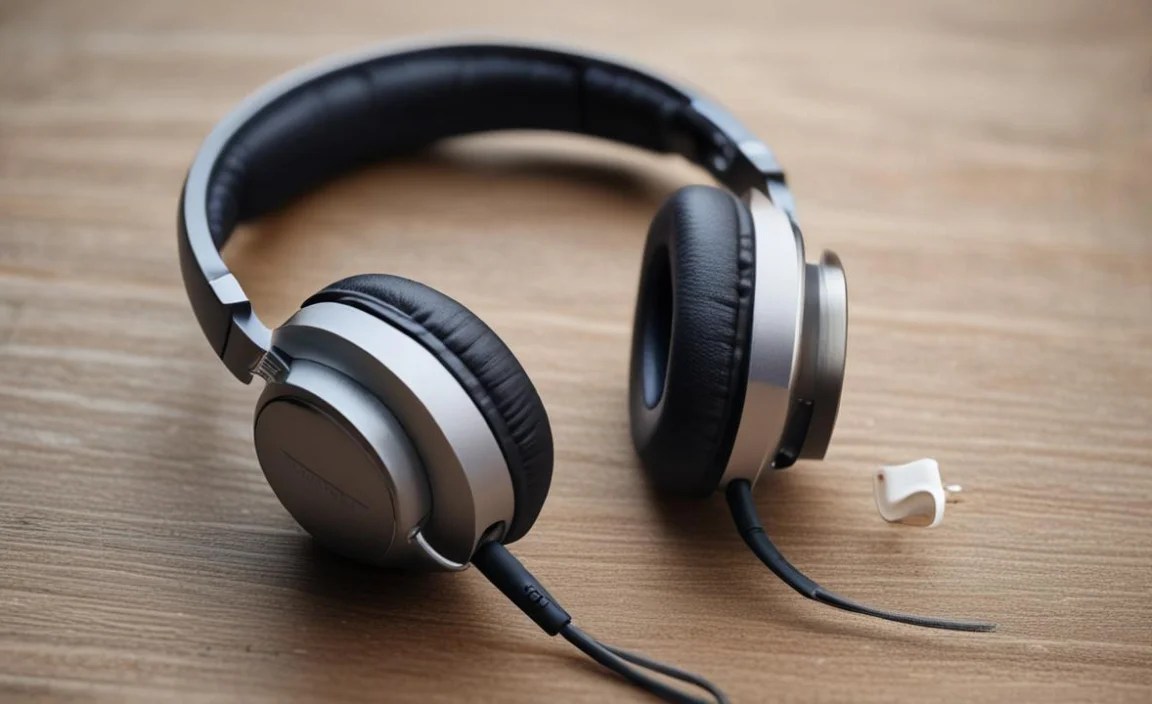
Headphone Amplifiers
- Enhance sound quality: Improve audio clarity and volume.
- Portable options: Available for on-the-go use.
Headphone amplifiers are a great addition for audiophiles seeking improved sound performance from their headphones.
Equalizer Apps
- Customize sound: Adjust audio settings to your preference.
- Available on smartphones: Many apps are free or low-cost.
Using equalizer apps allows users to personalize their listening experience and optimize sound based on personal taste.
Troubleshooting Common Issues
Connection Problems
- Check compatibility: Ensure your device supports your headphones.
- Reset connection: For Bluetooth, unpair and re-pair the device.
Resolving connection issues often involves checking the settings and re-establishing the connection between devices.
Poor Sound Quality
- Inspect cables: Check for damage or loose connections.
- Update software: Make sure your device’s software is up-to-date.
Improving sound quality can sometimes be as simple as checking physical connections and ensuring your device is running the latest software.
Advanced Techniques
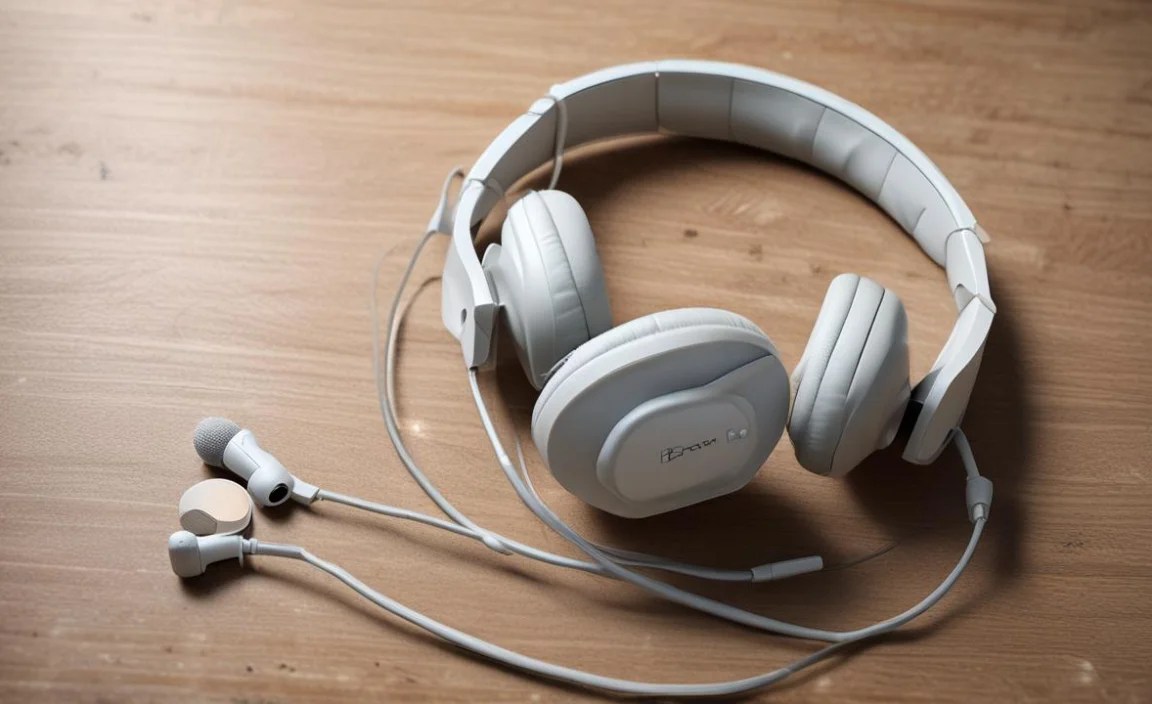
Noise-Cancelling Features
- Calibrate settings: Adjust noise-cancelling levels for optimal performance.
- Firmware updates: Keep your headphones’ firmware current for new features.
Utilizing advanced features like noise-cancelling can greatly enhance the listening experience, especially in noisy environments.
Prevention & Maintenance Tips
- Regular cleaning: Use a soft cloth to clean headphones and avoid moisture build-up.
- Proper storage: Use a case to prevent damage when not in use.
- Check for updates: Regularly update firmware and apps.
Regular maintenance and care can significantly extend the lifespan of your headphones, ensuring consistent performance.
Real-Life Examples
John, a frequent traveler, found that wireless noise-cancelling headphones significantly improved his journey by eliminating airplane engine noise. This example illustrates the practical benefits of investing in high-quality headphones for frequent flyers.
Emma, a remote worker, uses on-ear headphones with a built-in microphone for clear communication during video calls. This highlights how selecting the right features can enhance productivity in professional settings.
Stats & Data Section
According to Statista 2025, over 70% of smartphone users listen to music on their devices, driving the demand for high-quality headphones.
Gartner 2024 reported a 15% increase in sales of wireless headphones, reflecting the growing trend towards wireless connectivity.
Futuresource Consulting 2024 states that noise-cancelling headphones now make up 35% of the headphone market, as more consumers seek immersive audio experiences.
Headphone Types Compared
| Type | Difficulty | Speed | Best For | Notes |
|---|---|---|---|---|
| Wired | Easy | Immediate | Sound Purists | No battery required |
| Wireless | Moderate | Varies | Mobility | Requires charging |
| Noise-Cancelling | Moderate | Immediate | Travel, Focus | More expensive |
Conclusion
Choosing the right headphones for your cell phone can transform your audio experiences, offering superior sound quality and convenience. By understanding your needs, comparing options, and following maintenance tips, you can ensure that your headphones serve you well for years to come. Don’t hesitate to explore advanced features and troubleshooting methods to get the most out of your investment.
Frequently Asked Questions
Question 1: What Are the Best Headphones for Cell Phones?
Answer: The best headphones depend on your needs, such as sound quality, comfort, and features like noise cancellation.
Question 2: How Do Wireless Headphones Connect to My Phone?
Answer: Wireless headphones typically connect via Bluetooth, which you can enable in your phone’s settings.
Question 3: Can I Use Wired Headphones With Any Cell Phone?
Answer: Most wired headphones use a 3.5mm jack, but some phones require adapters or have USB-C connections.
Question 4: How Do I Maintain My Headphones for Longevity?
Answer: Regular cleaning, proper storage, and ensuring software is up-to-date help maintain headphones.
Question 5: What Are Noise-Cancelling Headphones?
Answer: Noise-cancelling headphones use technology to reduce unwanted ambient sounds for a better listening experience.
Question 6: Are Expensive Headphones Worth the Investment?
Answer: Expensive headphones often offer superior sound quality, durability, and features, making them worth it for serious users.
Question 7: How Can I Improve the Sound Quality of My Headphones?
Answer: Using a headphone amplifier or equalizer app can significantly enhance sound quality.
Question 8: What Should I Do If My Headphones Aren’t Working?
Answer: Check connections, update your device’s software, and consult the manufacturer’s troubleshooting guide.
Question 9: How Do I Choose Between Over-Ear, On-Ear, and In-Ear Headphones?<
