
Headphones for children are increasingly becoming a vital tool for education, entertainment, and communication, providing a safe auditory experience tailored to young ears. With growing digitalization, it’s crucial to understand the benefits, selection criteria, and safety considerations of children’s headphones to ensure both utility and protection.
Headphones designed for children have become an essential accessory in today’s tech-driven world. As educational and entertainment content becomes increasingly digital, children often use headphones for various activities, from virtual learning to gaming. However, not all headphones are created equal, especially when it comes to young, sensitive ears. This article delves into why headphones for children are important, explores the benefits, and offers a comprehensive guide to choosing and using them effectively.
Key Takeaways
- Volume Limitation: Kids’ headphones are designed to protect young ears with built-in volume limits.
- Durability: Children’s headphones are often more robust to withstand rough handling.
- Comfort: They feature adjustable, cushioned headbands and ear pads for extended wear.
- Design: Fun designs appeal to children, making them more likely to use them.
- Educational Use: Headphones support learning by blocking out distractions.
What is headphones for children?

Headphones for children are specifically designed audio devices that cater to the needs and safety of young users. Unlike typical headphones, children’s versions incorporate features that protect young ears from damage and are often more durable to handle the rougher usage by kids.
Features of Children’s Headphones
- Volume Limitation: These headphones often come with a volume limit of around 85 decibels, considered safe for children.
- Durability: To withstand drops and rough handling, children’s headphones are typically more robust.
- Size: Designed to fit smaller heads comfortably with adjustable headbands.
- Design and Color: Bright colors and fun designs to appeal to children.
- Materials: Non-toxic materials ensure safety.
Children’s headphones are a unique blend of safety, design, and functionality, ensuring that children enjoy a safe auditory experience while engaging with their favorite content.
Why headphones for children is Important?

The importance of headphones for children cannot be overstated, particularly in today’s digital age. Whether for educational purposes, leisure activities, or communication, these headphones offer several benefits that cater to the unique needs of young users.
Benefits of Children’s Headphones
- Hearing Protection: Protects children’s hearing by limiting the maximum volume output.
- Improved Focus: Blocks external noise, aiding concentration during study sessions.
- Portability: Lightweight and easy to carry, making them ideal for travel.
- Safe Materials: Made from materials that are safe for children to use.
- Encourages Learning: Enhances educational activities through clear audio output.
By choosing the right headphones, parents can ensure that their children enjoy a safe and enhanced listening experience, whether for learning or leisure.
Step-by-Step Guide to headphones for children
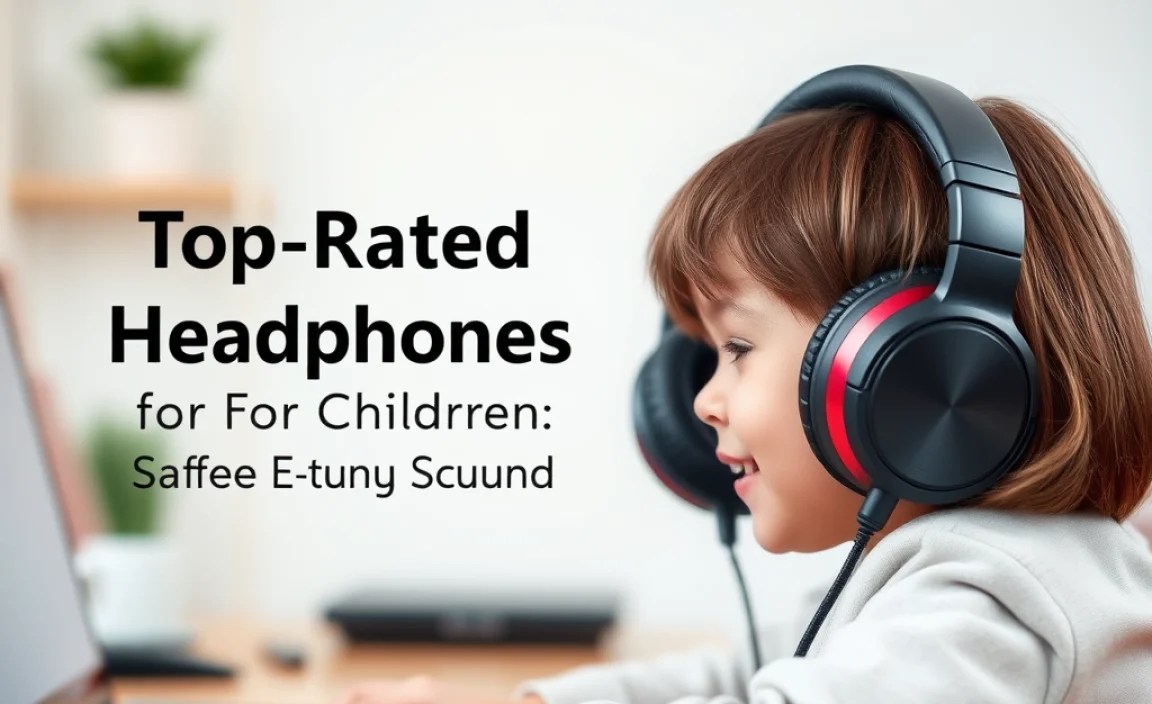
This step-by-step guide will help in choosing and using headphones for children effectively, ensuring both utility and safety.
Step 1: Determine the Usage
- Identify primary use: Is it for education, travel, or entertainment?
- Consider the age: Different age groups have different preferences and needs.
- Evaluate device compatibility: Ensure compatibility with devices your child uses.
Understanding the primary use and compatibility ensures you choose the right type of headphones that suit your child’s needs.
Step 2: Check Safety Features
- Volume Limitation: Check for a built-in volume limit.
- Material Safety: Ensure materials are safe and non-toxic.
- Certifications: Look for certifications ensuring quality and safety standards.
Prioritizing safety features protects children from potential hearing damage and ensures the highest safety standards.
Step 3: Look for Comfort
- Adjustable Fit: Ensure the headphones are adjustable for a snug fit.
- Cushioned Ear Pads: Soft ear pads increase comfort for longer use.
- Lightweight Design: Lighter headphones are easier for children to wear.
Comfortable headphones ensure children can use them for extended periods without discomfort or strain.
Alternative Methods / Tools
Wireless vs. Wired Headphones
- Wireless: Offers more freedom of movement but requires charging.
- Wired: No need for charging, but limits mobility with cables.
- Consider Usage: Choose based on your child’s preference for mobility and convenience.
Choosing between wireless and wired options depends on personal preference and intended usage scenarios.
Noise-Cancelling Features
- Active Noise Cancelling (ANC): Blocks external noise for better focus.
- Passive Noise Isolation: Uses ear pad design to muffle ambient sounds.
Noise-cancelling features enhance the listening experience by minimizing external distractions.
Troubleshooting Common Issues
Sound Distortion
- Check Connections: Ensure the plug is properly connected.
- Test Volume: Adjust the volume settings to eliminate distortion.
- Inspect Cables: Look for any damage or wear.
Addressing sound distortion involves checking and adjusting the physical connections and settings.
Uncomfortable Fit
- Adjust Headband: Ensure a proper fit by adjusting the headband.
- Change Ear Pads: Consider softer or larger ear pads for comfort.
Making adjustments to the fit and replacing parts can significantly enhance comfort.
Advanced Techniques
Optimizing Audio Settings
- Device Sound Settings: Customize sound settings on the device for better clarity.
- Equalizer Use: Use an equalizer to balance sound frequencies.
Optimizing audio settings enhances sound quality and tailors audio output to personal preferences.
Prevention & Maintenance Tips
- Regular Cleaning: Clean headphones regularly to maintain hygiene and performance.
- Cable Care: Store cables neatly to prevent damage.
- Protective Cases: Use cases for storage to protect headphones from damage.
Consistent care and maintenance extend the lifespan of headphones and ensure they remain in optimal condition.
Real-Life Examples
Case Study: A 7-year-old named Emily used wireless headphones primarily for online classes. Her parents noted improved concentration and comfort compared to previous models.
According to Statista 2025, over 60% of parents prefer volume-limited headphones for their children to prevent hearing damage.
MarketWatch 2024 reports that the global market for children’s headphones is expected to grow by 10% annually, reflecting increased demand and awareness.
Comparison Table
| Method | Difficulty | Speed | Best For | Notes |
|---|---|---|---|---|
| Wireless | Medium | Fast | Mobility | Requires charging |
| Wired | Easy | Fast | Stationary use | No charging needed |
| ANC | High | Variable | Noise environments | Higher cost |
| Passive Isolation | Easy | Fast | General use | Lower cost |
Conclusion
Choosing the right headphones for children involves balancing safety, comfort, and functionality. By understanding the key features and considerations, parents can make informed decisions that enhance their child’s listening experiences. Regular maintenance and feature optimizations can further improve usage, ensuring longevity and sustained performance.
Frequently Asked Questions
Question 1: What Volume Level is Safe for Children’s Headphones?
Answer: It is generally recommended that children’s headphones have a volume limit of 85 decibels.
Question 2: How Can I Ensure My Child’s Headphones Are Safe?
Answer: Check for certifications, non-toxic materials, and built-in volume limits.
Question 3: Are Wireless Headphones Better for Kids?
Answer: Wireless headphones offer mobility but need regular charging; choose based on usage and convenience.
Question 4: What is Active Noise Cancelling?
Answer: Active Noise Cancelling (ANC) uses technology to reduce surrounding noise for better focus.
Question 5: How Often Should Kids’ Headphones Be Cleaned?
Answer: Regularly, ideally once a week, to maintain hygiene and performance.
Question 6: Can Headphones Affect a Child’s Hearing?
Answer: Yes, prolonged exposure to high volumes can cause hearing damage; use headphones with volume limits.
Question 7: What Are the Best Headphones for Travel?
Answer: Lightweight, wireless headphones with noise-cancelling features are ideal for travel.
Question 8: Do All Headphones Fit All Kids?
Answer: No, ensure headphones have adjustable headbands for a proper fit.
Question 9: Is It Worth Investing in Noise-Cancelling Headphones for Children?
Answer: If your child frequently uses headphones in noisy environments, it may be worthwhile to invest in them for improved focus and audio clarity.
