
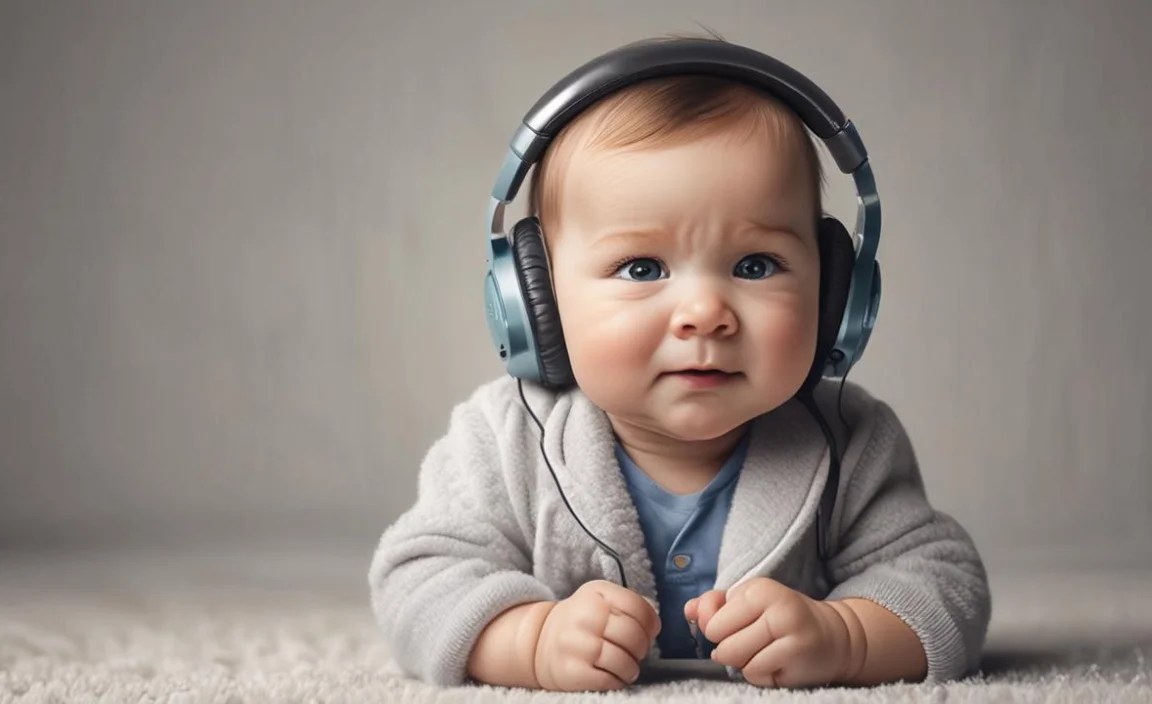
For parents concerned about the well-being of their infants in noisy environments, headphones designed specifically for infants offer an effective solution. These headphones protect sensitive ears by reducing potentially harmful noise levels, ensuring comfort and safety with features tailored to young children.
Infant headphones are designed to protect the sensitive ears of newborns from harmful noise levels. As infants’ hearing is more delicate than adults, excessive noise can lead to stress and discomfort. Offering a sense of calm in busy environments, these headphones are becoming increasingly popular among parents. Understanding their benefits and proper usage is vital for ensuring infant safety and comfort.
Key Takeaways
- Sensitivity of Infant Ears: Infants have more delicate hearing compared to adults.
- Noise Protection: Headphones for infants help protect against potentially harmful noise levels.
- Comfort Features: Designed for comfort, they fit snugly without pressure.
- Travel Essential: Useful for noisy settings like airplanes or crowded events.
- Proven Benefits: Can provide peace and calmness in various environments.
- Proper Usage: Understanding usage guidelines ensures effectiveness and safety.
- Market Growth: Increasing demand due to growing awareness of noise pollution effects.
What is headphones for infants?

Headphones for infants are specialized products designed to protect young children from loud noises. They are crafted to fit comfortably on the small heads of infants, providing both safety and comfort. The goal is to shield their sensitive hearing from the potential damage caused by loud, persistent sounds.
Design and Features
- Soft Padding: Cushioned earmuffs ensure comfort and prevent pressure on delicate heads.
- Adjustable Bands: Flexible headbands accommodate different head sizes as infants grow.
- Noise Reduction Rating: Most infant headphones have a significant noise reduction rating to ensure effectiveness.
- Non-Toxic Materials: Made from safe materials to prevent any risk of irritation or harm.
- Compact and Lightweight: Easy to carry and pack for outings and travel.
Infant headphones are more than just miniature versions of adult headphones. Their design prioritizes safety and comfort without compromising on noise reduction quality. This ensures infants are protected in various noisy environments.
Why headphones for infants is Important?
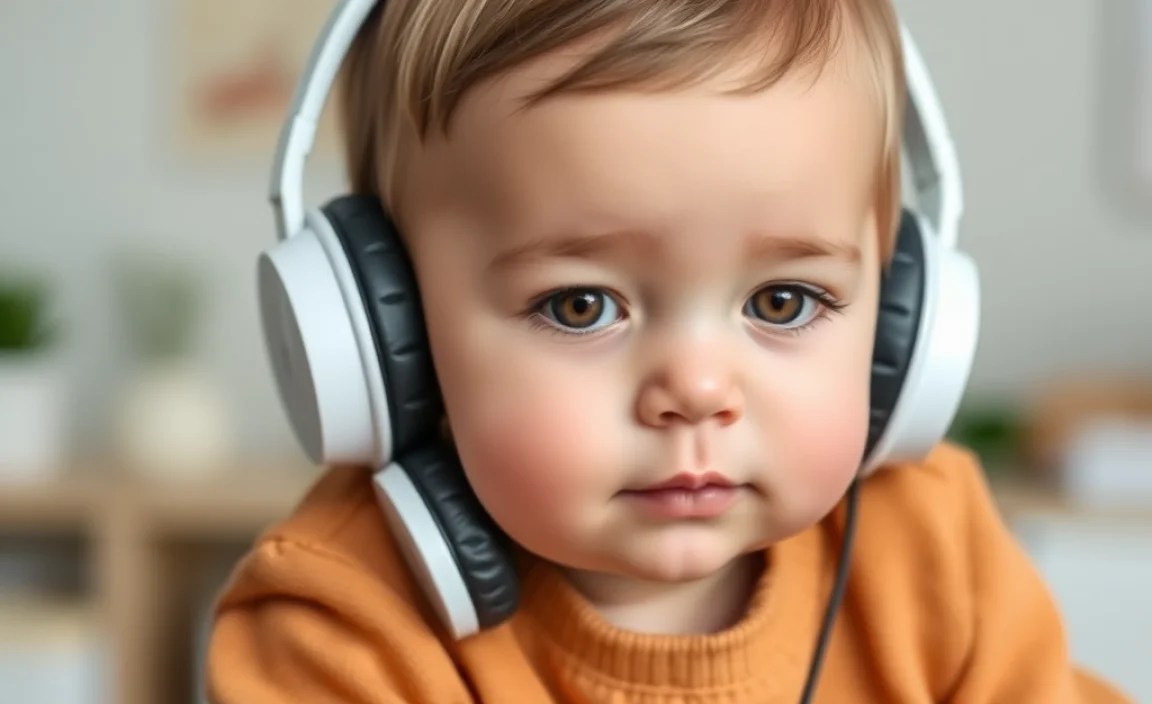
Infant headphones play a crucial role in safeguarding young children from noise pollution, which can be detrimental to their hearing development. With increasing awareness of the adverse effects of loud sounds, these headphones are becoming an essential item for parents who prioritize their children’s auditory health.
Benefits
- Protects Hearing: Shields infants from potentially damaging noise levels.
- Promotes Calmness: Helps infants remain calm in noisy environments.
- Reduces Stress: Minimizes exposure to loud sounds that can cause discomfort or stress.
- Improves Sleep: Enables better sleep quality by blocking disruptive noises.
- Enhances Focus: A quieter environment helps infants focus on other sensory experiences.
Using headphones for infants can significantly improve their experiences in noisy settings by reducing stress and protecting their developing hearing, ultimately contributing to healthier growth and development.
Step-by-Step Guide to headphones for infants

Step 1: Choosing the Right Headphones
- Research: Look for well-reviewed brands that specialize in infant hearing protection.
- Check Material Safety: Ensure materials are non-toxic and hypoallergenic.
- Noise Reduction Rating: Choose headphones with a high noise reduction rating (NRR).
Selecting the appropriate headphones involves considering safety, comfort, and effectiveness to ensure they meet the specific needs of an infant.
Step 2: Proper Fitting
- Adjust Headband: Ensure the headband fits securely without being too tight.
- Check Earmuff Position: Position earmuffs to fully cover the ears without causing discomfort.
- Monitor Comfort Levels: Observe the infant’s reaction to ensure comfort and adjust as needed.
Proper fitting is essential to ensure optimal noise protection and comfort, allowing the infant to wear the headphones for extended periods without discomfort.
Step 3: Using in Noisy Environments
- Airplanes: Use during flights to protect against engine noise.
- Concerts and Events: Essential in high-decibel environments to safeguard hearing.
- Travel: Use during car rides or train journeys to reduce ambient noise.
Using infant headphones in noisy environments helps maintain their hearing health while providing a calming effect, making outings more enjoyable.
Alternative Methods / Tools
White Noise Machines
- Calming Sounds: Emit soothing sounds that can help infants relax and sleep.
- Portable Models: Easy to use at home or during travel.
- Volume Control: Adjustable settings to ensure the sound is not too loud for infants.
White noise machines can be an effective alternative, using soft sounds to mask potentially disruptive noises, creating a peaceful environment for infants.
Soundproofing Rooms
- Insulation: Use heavy curtains and rugs to dampen noise.
- Door Seals: Install seals to prevent outside noise from entering.
- Window Treatments: Use soundproof window panels or films.
Soundproofing techniques can significantly reduce noise levels in a room, offering a quieter space for infants to rest and play without the need for headphones.
Troubleshooting Common Issues
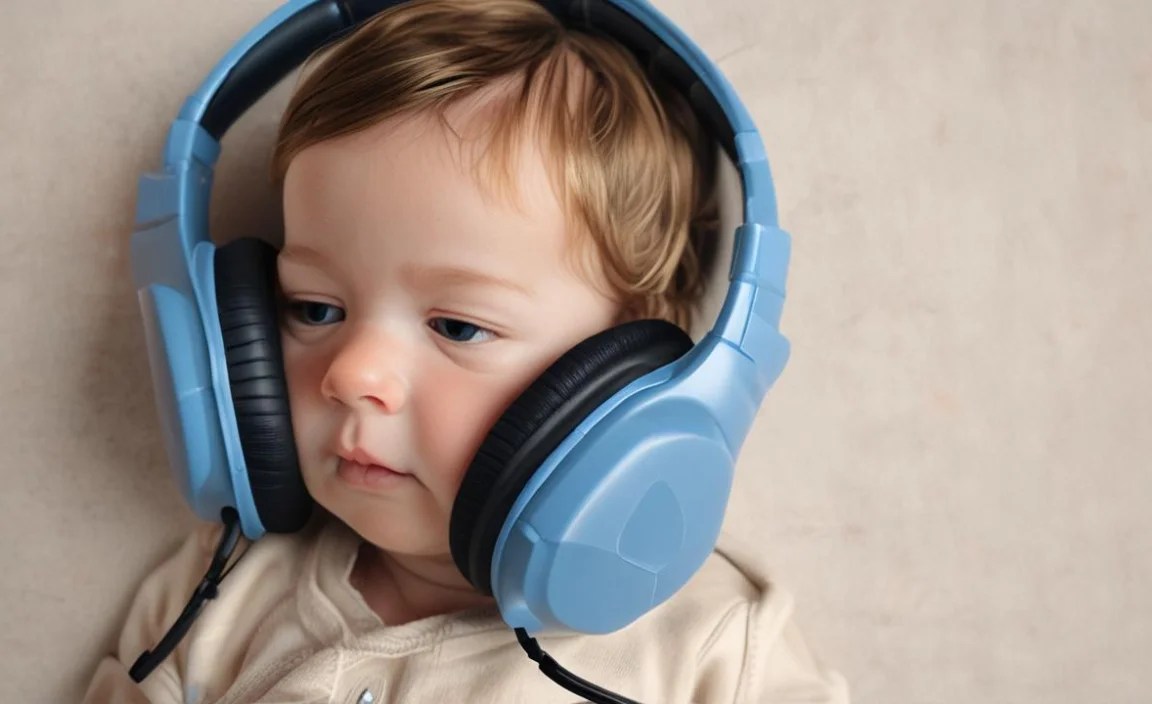
Discomfort and Fit Issues
- Adjust Headband: If the headband is too tight, adjust for a looser fit.
- Replace Earpads: Use softer or different-sized earpads for better comfort.
- Check for Allergies: Ensure materials do not cause irritation or allergic reactions.
Addressing discomfort involves adjusting the fit and ensuring the materials used are suitable for the infant’s sensitive skin to prevent irritation.
Insufficient Noise Reduction
- Check Seal: Ensure earmuffs fully cover the ears for maximum noise reduction.
- Replace if Damaged: Worn-out parts may reduce effectiveness; replace as needed.
- Test in Different Settings: Sometimes, adjustments may be needed in various environments.
To ensure optimal performance, inspect the headphones regularly and make necessary adjustments to maintain effective noise reduction capabilities.
Advanced Techniques
Custom Fit Earmolds
- Professional Fitting: Visit a specialist for custom-fit earmolds.
- Increased Comfort: Tailored fit provides better comfort and noise isolation.
Custom-fit earmolds can enhance the comfort and effectiveness of noise reduction, providing a personalized solution for infants with unique ear shapes.
Prevention & Maintenance Tips
- Regular Cleaning: Wipe headphones with a soft, damp cloth to remove dirt and oils.
- Inspect for Wear and Tear: Check regularly for any damage or decreased performance.
- Store Properly: Keep headphones in a case when not in use to prevent damage.
- Avoid High Temperatures: Do not expose to excessive heat, which can damage materials.
Regular maintenance and proper storage of infant headphones ensure they remain effective and safe for use over an extended period.
According to the CDC 2024, about 15% of school-aged children (6-19) show signs of hearing loss due to noise exposure. By taking preventive measures early, such as using headphones for infants, parents can help reduce the risk of hearing damage.
Data from the National Institute on Deafness and Other Communication Disorders (NIDCD) 2025 indicates that early intervention in hearing protection can significantly lower the risk of auditory issues in later life.
Comparison of Noise Protection Methods
| Method | Difficulty | Speed | Best For | Notes |
|---|---|---|---|---|
| Infant Headphones | Easy | Immediate | Outings | Portable and effective for various environments |
| White Noise Machine | Moderate | Instant | Home Use | Creates a calming atmosphere |
| Soundproofing | Difficult | Time-Consuming | Home Setup | Long-term noise reduction solution |
Conclusion
Investing in headphones for infants is a proactive step to protect their delicate hearing from harmful noise exposure. By understanding the importance and implementation of these protective measures, parents can ensure their children enjoy a quieter, more comfortable environment. Always consider safety and comfort when selecting and using headphones to maximize their benefits.
Frequently Asked Questions
Question 1: What Age Can Infants Start Using Headphones?
Answer: Infants can start using headphones as soon as they are exposed to potentially harmful noise levels, typically around three months old.
Question 2: How Long Can Infants Wear Headphones?
Answer: Infants should wear headphones for limited periods, ideally not exceeding two hours continuously to avoid discomfort.
Question 3: Are Infant Headphones Safe?
Answer: Yes, when used correctly, infant headphones are safe and designed to protect against harmful noise levels.
Question 4: How Do I Know If the Headphones Fit Properly?
Answer: The headphones should fit snugly without pinching, with earmuffs fully covering the ears.
Question 5: Can Headphones Affect Infant Development?
Answer: Properly used, they should not affect development but rather protect hearing health.
Question 6: What Is the Noise Reduction Rating?
Answer: The Noise Reduction Rating (NRR) indicates the level of noise the headphones can reduce, often around 20-30 decibels for infant headphones.
Question 7: Can I Use Regular Headphones for My Infant?
Answer: No, regular headphones are not designed for infants and may not provide adequate protection or fit.
Question 8: How Do I Clean Infant Headphones?
Answer: Use a soft, damp cloth to gently wipe down surfaces, avoiding harsh chemicals.
Question 9: What Are the Alternatives to Headphones for Infants?
Answer: Alternatives include white noise machines and soundproofing techniques to reduce ambient noise.
