
Swimming headphones have revolutionized the way swimmers experience their workouts, providing high-quality audio even underwater. This article explores what makes these headphones essential and how they enhance swimming sessions with music or podcasts.
Swimming headphones, specifically designed for underwater use, have become increasingly popular among swimmers. These innovative devices allow athletes and enthusiasts to enjoy music, podcasts, or audiobooks while doing laps in the pool. Understanding the unique features and benefits of these headphones can help swimmers make informed decisions and enhance their swimming experience.
Key Takeaways
- Waterproof Design: Essential for functionality underwater.
- Bluetoth Connectivity: Some models offer wireless options.
- Comfortable Fit: Ensures stability during vigorous activity.
- Sound Quality: High-quality audio even underwater.
- Battery Life: Long-lasting power for extended swim sessions.
- Brand Recommendations: Top brands provide reliable options.
- Use Cases: Ideal for both leisurely swims and intense workouts.
What is headphones for swimming laps?

Headphones designed for swimming laps are specialized audio devices created specifically for use in aquatic environments. They are engineered to withstand water exposure while maintaining excellent sound quality. These headphones can be used for listening to music, audiobooks, or podcasts, making swimming sessions more enjoyable and engaging.
Features of Swimming Headphones
- Waterproof Rating: Typically IPX7 or higher, ensuring complete submersion protection.
- Secure Fit: Often includes ear clips or over-ear hooks to stay in place.
- Audio Quality: Optimized for underwater acoustics to provide clear sound.
- Control Accessibility: Large buttons for easy operation, even with wet fingers.
- Built-in Storage: Some models include internal storage for offline playback.
These features ensure that swimming headphones perform efficiently in a pool setting, resisting water damage while providing high-quality audio.
Why headphones for swimming laps is Important?

Using headphones during swimming laps offers numerous benefits, transforming an otherwise repetitive workout into a stimulating and enjoyable experience. The importance of swimming headphones is reflected in their ability to enhance performance, motivation, and overall enjoyment for swimmers of all levels.
Benefits of Swimming Headphones
- Enhanced Motivation: Listening to music or podcasts can boost morale and energy levels.
- Improved Focus: Audio content helps maintain concentration and discipline.
- Entertainment: Reduces monotony by providing enjoyable content during workouts.
- Performance Tracking: Some models integrate with apps for performance analysis.
- Stress Reduction: Music and soothing sounds can help relax and reduce stress levels.
The benefits of swimming headphones extend beyond simple entertainment; they can play a significant role in improving both mental and physical aspects of swimming workouts.
Step-by-Step Guide to headphones for swimming laps
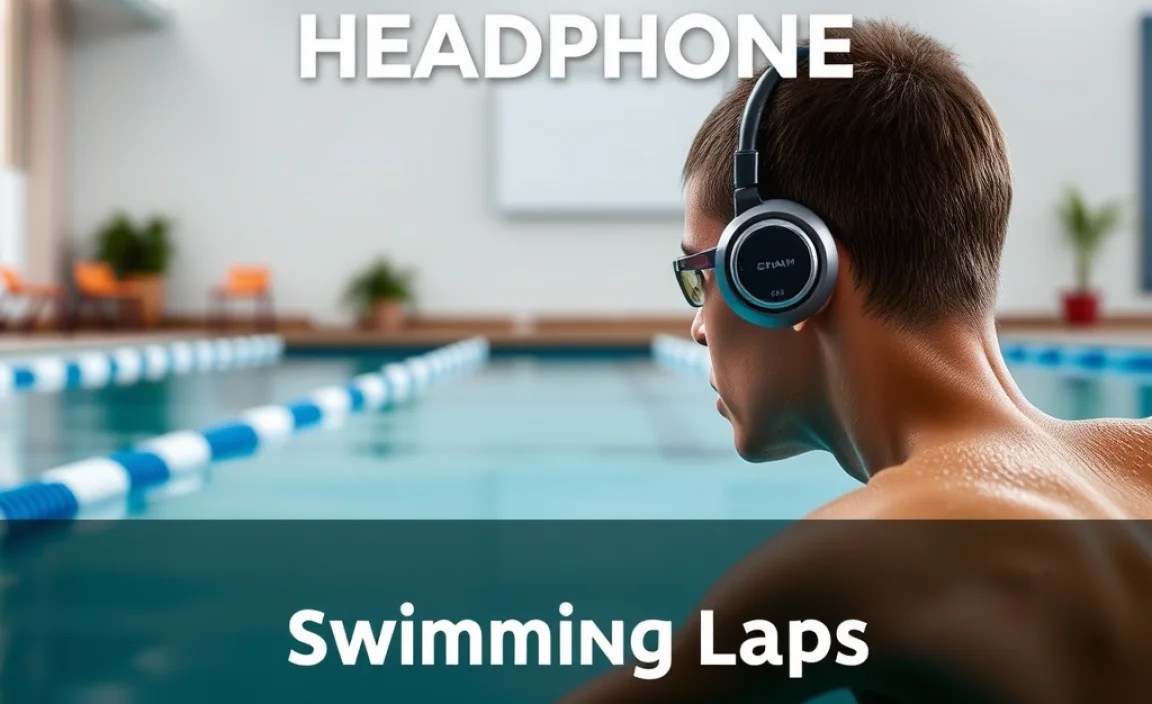
Step 1: Selecting the Right Headphones
- Determine Use Case: Decide if you need headphones for leisure or competitive swimming.
- Research Brands: Look for brands with positive reviews and reputations.
- Check Compatibility: Ensure it works with your preferred audio sources.
- Consider Features: Prioritize waterproof rating, sound quality, and battery life.
Selecting the right pair of swimming headphones is crucial for maximizing comfort and audio experience during laps.
Step 2: Setting Up Your Device
- Charge the Batteries: Fully charge before first use.
- Load Audio Content: Sync music or podcasts to internal storage if available.
- Test Functionality: Ensure all buttons and settings work properly.
Proper setup ensures that your swimming headphones are ready to deliver optimal performance during your swim.
Step 3: Fitting the Headphones
- Adjust Straps/Clips: Secure the headphones comfortably but firmly.
- Test Fit: Shake your head lightly to ensure stability.
- Choose Fit Options: Use different earbud sizes if provided for best fit.
A secure, comfortable fit is essential for enjoying a distraction-free swimming session.
Alternative Methods / Tools
Bone Conduction Headphones
- Sound Transmission: Use vibrations on cheekbones to transmit sound.
- Open Ear Design: Allows ambient sound awareness.
Bone conduction headphones are an excellent alternative for those who prefer open ear designs, offering sound without obstructing ear canals.
Waterproof MP3 Players
- Internal Storage: Allows music storage without a phone.
- Simple Controls: Designed for easy use underwater.
Waterproof MP3 players are a reliable option for those who want a music source separate from their primary devices.
Troubleshooting Common Issues
Headphones Not Charging
- Check Connection: Ensure the charger is properly connected.
- Inspect for Damage: Look for any visible signs of damage on the cable or port.
- Try Different Outlet: Test charging on a different power source.
If your headphones aren’t charging, examining the connections and testing different power sources can often resolve the issue.
Poor Sound Quality
- Check Ear Fit: Ensure earbuds are correctly positioned in the ear.
- Clean Earpieces: Remove any dirt or debris from the headphones.
- Adjust Volume: Increase volume gradually to avoid distortion.
Improving sound quality often involves ensuring a proper fit and maintaining clean, unobstructed earpieces.
Advanced Techniques
Optimization of Sound Settings
- Use Equalizer Apps: Tailor sound settings to your preference.
- Test Different Frequencies: Adjust bass and treble for optimal underwater sound.
Optimizing sound settings can significantly enhance audio quality, providing a richer listening experience while swimming.
Prevention & Maintenance Tips
- Regular Cleaning: Rinse headphones after each use to remove chlorine or salt.
- Storage: Keep in a cool, dry place to prevent moisture buildup.
- Inspect for Wear: Regularly check for signs of wear and tear.
Proper maintenance extends the lifespan and performance of your swimming headphones, ensuring consistent audio quality.
Real-Life Examples
Michael, a competitive swimmer, found that using waterproof earbuds with over-ear hooks enhanced his training sessions by keeping him focused and motivated with his favorite music.
Sarah, who swims for leisure, uses bone conduction headphones to enjoy her audiobooks while not losing touch with her surroundings.
Stats & Data Section
According to Allied Market Research 2024, the global waterproof earphones market is projected to reach $9.5 billion by 2026, growing at a CAGR of 9.8% from 2019 to 2026.
Statista 2025 indicates that 32% of frequent swimmers use audio devices for at least 50% of their swimming sessions.
Driver Update Methods Compared
| Method | Difficulty | Speed | Best For | Notes |
|---|---|---|---|---|
| Bone Conduction | Moderate | Fast | Open Water Swimmers | Allows ambient sound |
| Waterproof MP3 | Easy | Moderate | Indoor Pools | Independent of phone |
| Internal Storage Headphones | Easy | Fast | Frequent Swimmers | Convenient for offline use |
Conclusion
Swimming headphones have transformed aquatic workouts by adding an auditory dimension that enhances motivation and enjoyment. Understanding the benefits and options available helps swimmers choose devices that best fit their needs, ensuring a satisfying and effective swimming experience.
Frequently Asked Questions
Question 1: What Are the Benefits of Waterproof Headphones for Swimming?
Answer: **Waterproof headphones enhance motivation, focus, and enjoyment during swimming by allowing users to listen to music or podcasts.**
Question 2: Can I Use Regular Headphones for Swimming?
Answer: **No, regular headphones are not designed to withstand water exposure and may get damaged.**
Question 3: How Do I Ensure a Secure Fit for My Swimming Headphones?
Answer: **Use the correct earbud size and ensure the headphones are securely clipped or hooked on.**
Question 4: What is the Difference Between Waterproof and Water-Resistant Headphones?
Answer: **Waterproof headphones can be fully submerged in water, while water-resistant ones can only handle minimal moisture exposure.**
Question 5: How Often Should I Clean My Swimming Headphones?
Answer: **Clean them after each use to remove chlorine, salt, or debris.**
Question 6: Can I Use Bluetooth Headphones Underwater?
Answer: **Bluetooth signals are weak underwater; models with built-in storage are preferred for submerged use.**
Question 7: Are Bone Conduction Headphones Safe for Swimming?
Answer: **Yes, they are safe and allow ambient sound awareness.**
Question 8: What Should I Do if My Swimming Headphones Stop Working?
Answer: **Check for charging issues, ensure the water hasn’t breached the casing, and consult the warranty if necessary.**
Question 9: How Can I Optimize Sound Quality Underwater?
Answer: **Use equalizer apps and adjust frequency settings for the best sound quality.**
