
Headphones for the deaf encompass a range of assistive listening devices designed to enhance audio perception for individuals with hearing impairments. These devices are crucial for improving communication, entertainment, and overall quality of life.
Headphones for the deaf are specialized devices that assist those with hearing impairments in experiencing sound more effectively. They play a vital role in improving communication, access to media, and overall quality of life for the deaf community. With advances in technology, various headphone models now cater to different degrees and types of hearing loss, making them an indispensable tool for many.
Key Takeaways
- Specialized Devices: Headphones for the deaf are tailored to enhance sound perception for those with hearing impairments.
- Variety of Models: Different types are available to suit various degrees and types of hearing loss.
- Enhancing Communication: These devices significantly improve communication abilities.
- Access to Media: They allow users to enjoy music, movies, and other media more effectively.
- Improving Quality of Life: By facilitating better hearing, these headphones contribute to a better overall living experience.
What is headphones for the deaf?

Headphones for the deaf are assistive listening devices designed to help individuals with hearing impairments perceive sound more effectively. These headphones often incorporate advanced technology, such as bone conduction, amplification, and noise cancellation, to cater to various degrees and types of hearing loss.
Causes / Definition
- Bone Conduction Technology: Transmits sound vibrations directly to the inner ear through the bones of the skull, bypassing the outer and middle ear.
- Amplification: Enhances sound levels to make them audible for those with hearing impairments.
- Noise Cancellation: Reduces background noise to improve sound clarity.
- Frequency Modulation (FM) Systems: Uses radio frequencies to transmit sound from a microphone directly to the headphones.
These technologies work together to assist individuals with hearing impairments, enabling them to perceive sound more clearly and effectively in various environments.
Why headphones for the deaf is Important?

Headphones for the deaf are essential because they empower individuals with hearing impairments to experience sound in a way that enhances their communication abilities, enjoyment of media, and overall quality of life. By addressing the specific needs of the deaf community, these devices facilitate greater inclusion and accessibility.
Benefits
- Improved Communication: Enables better understanding of speech in various settings.
- Enhanced Media Access: Allows enjoyment of music, movies, and other audio content.
- Better Educational Opportunities: Supports learning through amplified sound in classroom settings.
- Increased Employability: Facilitates participation in work environments where hearing is crucial.
- Social Inclusion: Encourages participation in social activities and events.
These benefits highlight the significance of headphones for the deaf in enabling individuals to lead more connected and fulfilling lives.
Step-by-Step Guide to headphones for the deaf
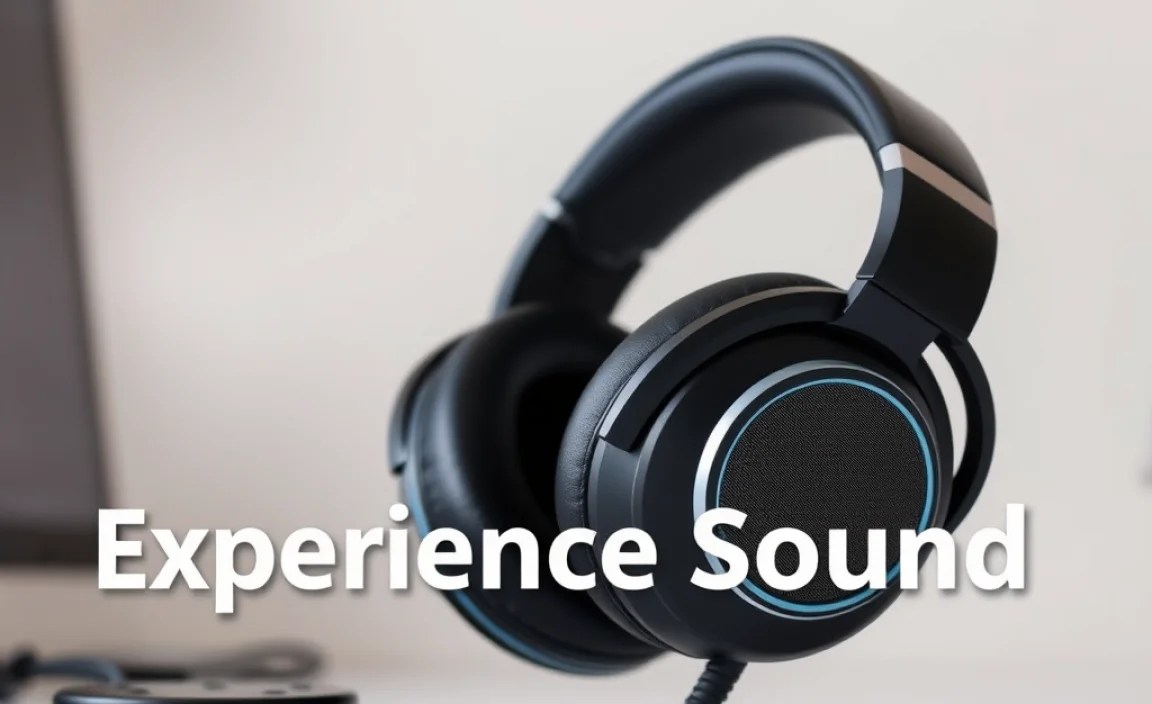
Step 1: Assess Hearing Needs
- Consult an Audiologist: Seek professional advice to determine the type and extent of hearing loss.
- Identify Specific Requirements: Consider environments where improved hearing is necessary (e.g., work, home).
Understanding the specific hearing needs is crucial in selecting the most appropriate headphones for the deaf, ensuring they meet personal and professional requirements.
Step 2: Research Available Options
- Explore Different Technologies: Look into bone conduction, amplification, and FM systems.
- Compare Features and Prices: Evaluate different models to find one that suits your budget and needs.
- Read User Reviews: Gain insights from other users with similar hearing impairments.
Researching available options helps in making an informed decision, ensuring the chosen device is efficient and cost-effective.
Step 3: Test Before Purchase
- Visit a Hearing Specialist Store: Test different models to find the best fit.
- Check for Comfort and Sound Quality: Ensure the headphones are comfortable and provide clear sound.
Testing the headphones before purchase ensures that they are comfortable and meet the sound quality expectations specific to the user’s needs.
Step 4: Proper Setup and Use
- Follow Manufacturer’s Instructions: Carefully set up the device as per guidelines.
- Adjust Settings as Needed: Customize settings to suit personal preferences and hearing needs.
Proper setup and customization are essential to maximize the effectiveness of the headphones, ensuring optimal sound perception.
Step 5: Regular Maintenance
- Clean Regularly: Keep the headphones clean to maintain sound quality and hygiene.
- Check for Updates: Ensure the device’s software is up-to-date for optimal performance.
Regular maintenance of the headphones ensures their longevity and consistent performance, providing continued benefit to the user.
Alternative Methods / Tools
Hearing Aids
- Customizable Sound Amplification: Tailored settings for different environments.
- Discreet Design: Often less noticeable than headphones.
Hearing aids offer an alternative to headphones, providing personalized sound amplification in a discreet manner.
Cochlear Implants
- Surgical Option: Implantable device for profound hearing loss.
- Direct Stimulation: Stimulates auditory nerve directly for sound perception.
Cochlear implants are a surgical alternative for individuals with severe hearing loss, offering a direct method of sound perception.
Troubleshooting Common Issues
Sound Distortion
- Check Connections: Ensure all cables and connections are secure.
- Adjust Settings: Verify device settings for optimal sound quality.
If sound distortion occurs, checking connections and settings can often resolve the issue, restoring clear sound quality.
Device Not Turning On
- Check Power Source: Ensure the device is charged or batteries are properly installed.
- Inspect Power Button: Verify that the power button is functioning correctly.
Ensuring the device is charged and buttons are functioning can often resolve power issues, ensuring the device is operational.
Advanced Techniques
For users looking to maximize the potential of their headphones for the deaf, advanced techniques such as performing a clean install, regularly optimizing device settings, or even rolling back updates that cause issues can be beneficial. These strategies ensure devices function efficiently and cater to evolving hearing needs.
Prevention & Maintenance Tips
- Regular Cleaning: Prevents buildup of dirt and maintains device hygiene.
- Frequent Checks: Regular inspections ensure all components function correctly.
- Software Updates: Keep software updated for improved functionality and security.
- Safe Storage: Store devices in protective cases to prevent physical damage.
Implementing these maintenance tips ensures that the headphones remain in good condition, providing reliable performance over time.
Real-Life Examples
Emma’s Story: Emma, a university student, struggled with lectures due to her hearing impairment. By using bone conduction headphones, she improved her ability to follow along in class, leading to better academic performance.
John’s Experience: John, a music enthusiast, found enjoyment in his passion once again with the help of amplification headphones, allowing him to hear nuances in music he previously missed.
Stats & Data Section
According to WHO 2024, approximately 1.5 billion people globally experience some form of hearing loss, and this number is expected to rise.
Statista 2025 reports that the global market for hearing aids and related devices is projected to reach $9.54 billion.
According to the National Institute on Deafness and Other Communication Disorders 2023, around 15% of American adults report some trouble hearing.
Driver Update Methods Compared
| Method | Difficulty | Speed | Best For | Notes |
|---|---|---|---|---|
| Manual Update | Medium | Slow | Detailed Control | Requires technical knowledge |
| Automatic Software | Easy | Fast | Quick Updates | Less control over individual updates |
| Professional Service | Easy | Varies | Peace of Mind | Can be costly |
Conclusion
Headphones for the deaf are invaluable in enhancing the quality of life for individuals with hearing impairments. By understanding the options available and maintaining these devices, users can significantly improve their communication and enjoyment of life. As technology advances, these tools will continue to evolve, offering even more tailored solutions for different hearing needs.
Frequently Asked Questions
Question 1: What Are Headphones for the Deaf?
Answer: Headphones for the deaf are assistive listening devices designed to help individuals with hearing impairments perceive sound more effectively.
Question 2: How Do Bone Conduction Headphones Work?
Answer: They transmit sound vibrations directly to the inner ear through the bones of the skull, bypassing the outer and middle ear.
Question 3: Can Hearing Aids Be Used Instead of Headphones?
Answer: Yes, hearing aids are another alternative, providing customized sound amplification.
Question 4: Are There Any Risks to Using Headphones for the Deaf?
Answer: Generally safe, but improper use or maintenance can lead to diminished performance or discomfort.
Question 5: How Often Should I Clean My Headphones?
Answer: Regular cleaning is recommended to maintain hygiene and sound quality.
Question 6: What Is the Difference Between Cochlear Implants and Headphones?
Answer: Cochlear implants are surgical devices, while headphones are external devices enhancing sound perception.
Question 7: How Can I Test Headphones Before Buying?
Answer: Visit a hearing specialist store to test different models for comfort and sound quality.
Question 8: What Are Frequency Modulation Systems?
Answer: They use radio frequencies to transmit sound from a microphone directly to headphones, reducing background noise.
Question 9: Can I Use Headphones for the Deaf with My Smartphone?
Answer: Yes, many headphones for the deaf are compatible with smartphones, allowing for versatile use.
