
Quick Summary: Finding the right workout headphones means prioritizing comfort, secure fit, and durability against sweat and movement. This guide breaks down key features like water resistance, battery life, and sound quality to help you choose the perfect pair that stays put and powers your fitness sessions.
Headphones Good For Working Out: Essential Gear to Power Your Fitness
Getting in a great workout is all about focus, motivation, and of course, your favorite tunes. But if your headphones are constantly slipping out, tangling up, or dying mid-session, they can quickly become more of a distraction than a motivator. Choosing headphones specifically designed for exercise isn’t just about picking any pair; it’s about investing in gear that can keep up with your active lifestyle. We’ll explore what makes headphones “good for working out,” from ensuring they stay comfortably in place during your most intense moves to surviving the inevitable sweat. Let’s dive in and find the perfect audio companions for your fitness journey!
Why the Right Headphones Matter for Your Workout

Think about your workout. You’re jumping, running, lifting, stretching, and sweating. Regular headphones, the kind you might wear for a casual commute or at your desk, just aren’t built for this kind of activity. They can be flimsy, easily dislodged by movement, and susceptible to damage from moisture. Headphones designed for working out, however, incorporate specific features that address these challenges. They are engineered for a secure, comfortable fit that won’t budge, boast robust construction capable of handling sweat and sometimes even rain, and offer features like long battery life and good sound isolation to keep you in the zone.
Using the right gear not only enhances your experience but also protects your investment. A headset built for sports will endure longer, saving you money and frustration in the long run. Plus, with better comfort and a stable fit, you can focus entirely on your physical performance without fiddling with your audio source.
Key Features to Look For in Workout Headphones

When you’re eyeing up headphones for your next sweat session, keep these essential features in mind. They’re the building blocks of a great workout audio experience.
1. Secure and Comfortable Fit
This is arguably the most important factor. You don’t want your headphones falling out every time you take a step or turn your head. Look for:
- Ear Hooks: Many sport earbuds feature ear hooks that wrap around your ear for a super secure fit, ideal for high-impact activities like running or HIIT.
- Wingtips or Ear Fins: These small, flexible attachments slot into the folds of your ear to provide extra stability without the full ear hook.
- Secure Earbud Design: Even without hooks or fins, some earbuds are shaped to sit snugly within the ear canal. Multiple ear tip sizes (silicone or foam) are crucial here to ensure a good seal and comfortable fit.
- Headband Design (for over-ear/on-ear): If you prefer larger headphones, look for adjustable headbands and memory foam padding that conforms to your head. Some sport-specific models might have a behind-the-head band for better stability.
2. Water and Sweat Resistance
Sweat is the enemy of electronics. Thankfully, many workout headphones come with great moisture protection. This is usually indicated by an IP (Ingress Protection) rating.
- Understanding IP Ratings: An IP rating consists of two digits. The first digit indicates protection against solids (like dust), and the second indicates protection against liquids. For workout headphones, focus on the second digit.
- What to Look For:
- IPX4: Protected against splashes of water from any direction. This is usually the minimum you’ll want for general fitness.
- IPX5: Protected against low-pressure water jets from any direction. Good for sweat and light rain.
- IPX7: Can be submerged in water up to 1 meter for 30 minutes. Excellent for very intense workouts where you might get soaked, or even accidental drops in puddles.
- IPX8: Can be submerged deeper and/or for longer than IPX7. Less common for workout headphones unless specifically designed for swimming.
Always check the manufacturer’s specifications for the exact level of protection. A higher IPX rating generally means better durability against moisture.
3. Battery Life
Nothing kills a workout vibe faster than running out of juice. Consider:
- Total Playtime: How many hours can the headphones last on a single charge? For many, 5-8 hours is sufficient for a week’s worth of workouts.
- Charging Case (for wireless earbuds): True wireless earbuds often come with a charging case that provides multiple recharges, significantly extending their total playtime. Look for cases that offer at least 15-20 extra hours.
- Quick Charge: Some headphones offer a quick charge feature – just a few minutes of charging can give you an hour or two of playback, perfect for when you’re in a rush.
4. Durability and Build Quality
Workout headphones go through a lot. They get tossed into gym bags, potentially dropped, and exposed to sweat and varying temperatures. Opt for headphones made from sturdy materials that feel well-built. Rubberized finishes can offer better grip and impact resistance.
5. Sound Quality and Noise Isolation
While not always the top priority for everyone, good sound can significantly boost your motivation. For workouts, consider:
- Sound Profile: Many people prefer a slightly bass-heavy sound for exercise, as it can provide a more energetic feel. However, balanced sound ensures clarity for podcasts or audiobooks.
- Noise Isolation/Cancellation:
- Passive Noise Isolation: Achieved through a good seal in your ear canal, blocking out external noise. This is common and effective for most earbuds.
- Active Noise Cancellation (ANC): Electronically blocks out ambient noise. This is great for noisy gyms or outdoor runs where you want to focus on your audio. However, for safety, especially when running outdoors, some prefer to hear their surroundings.
- Awareness Modes/Transparency Modes: Many modern headphones offer a mode that amplifies ambient sounds, allowing you to hear traffic, announcements, or your workout partner without removing your headphones. This is a fantastic safety feature for outdoor athletes.
6. Connectivity and Controls
- Bluetooth Version: Newer Bluetooth versions (like 5.0 and above) offer more stable connections, better power efficiency, and longer range.
- Ease of Controls: Can you easily adjust volume, skip tracks, answer calls, or activate voice assistants without interrupting your workout? Look for intuitive button placement or responsive touch controls. Some earbuds are designed to be extra sensitive so you can use them with sweaty fingers
Types of Workout Headphones

Not all workout headphones are created equal. They come in various forms, each with its pros and cons:
True Wireless Earbuds
These have no wires connecting the earbuds to each other or to your device. They offer ultimate freedom of movement.
- Pros: Extremely lightweight, no wires to snag, very portable with charging case.
- Cons: Can be easier to lose, battery life per charge is typically shorter (though compensated by the case), some people find it harder to get a secure fit.
- Best For: Runners, gym-goers, people who hate wires.
Wireless Neckband Earbuds
These have two earbuds connected by a flexible band that typically rests around your neck. The band houses the battery and controls.
- Pros: Harder to lose than true wireless earbuds, generally good battery life, often more affordable.
- Cons: The neckband can sometimes bounce or be felt during vigorous activity.
- Best For: Those who want a good balance of security and battery life without the risk of losing individual earbuds.
Wireless On-Ear/Over-Ear Headphones
These are larger headphones with earcups that sit on or around your ears. They usually have a headband.
- Pros: Often offer superior sound quality and battery life, can provide excellent noise isolation, durable.
- Cons: Can get hot and sweaty during intense workouts, bulkier, may not stay put during high-impact activities.
- Best For: Weightlifting, steady-state cardio (like cycling on a stationary bike), people who prefer a more immersive sound experience and don’t mind the bulk.
Bone Conduction Headphones
These unique headphones sit in front of your ears and transmit sound through vibrations to your inner ear, leaving your ear canal open.
- Pros: Excellent situational awareness (you can hear traffic, people, etc.), great for outdoor activities, comfortable for long periods.
- Cons: Sound quality is generally not as rich as traditional headphones, can sometimes vibrate uncomfortably at high volumes, can leak sound.
- Best For: Cyclists, runners, hikers who need to be aware of their surroundings for safety.
Top Recommended Features for Different Workouts
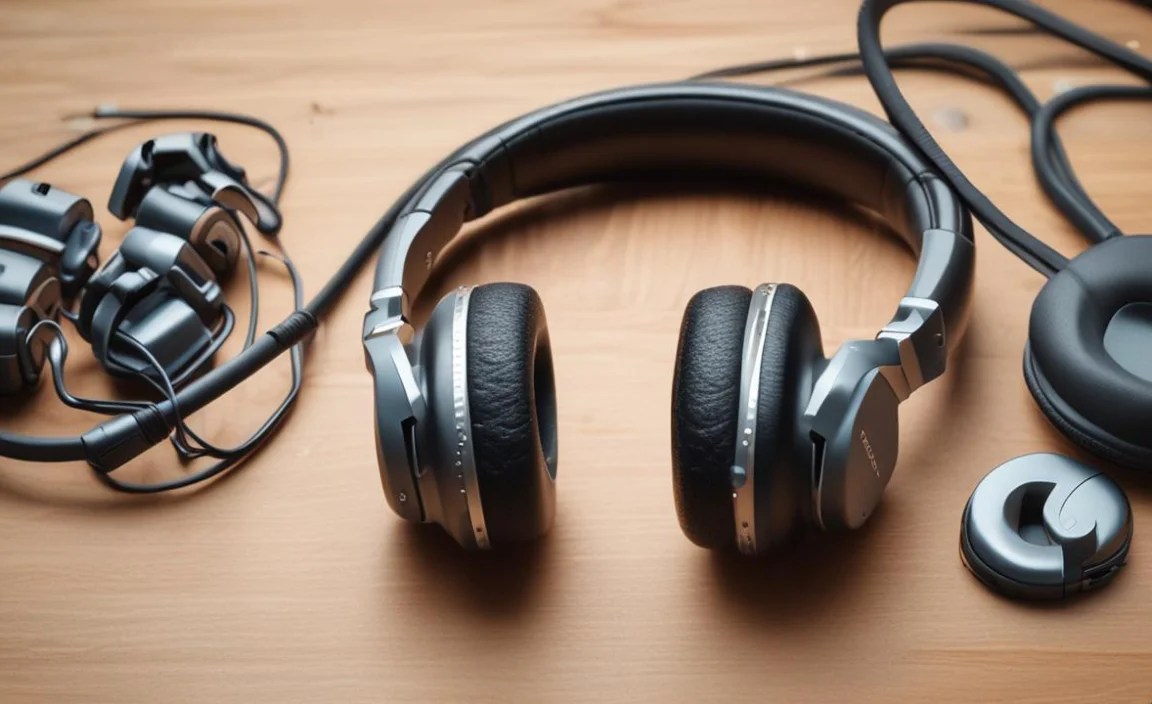
The “best” headphones for working out really depend on what kind of exercise you do. Here’s a breakdown:
| Workout Type | Key Features to Prioritize | Recommended Headphone Type |
|---|---|---|
| Running/HIIT/Cardio | Secure fit (ear hooks, wingtips), sweat resistance (IPX4+), lightweight design, good battery life. | True Wireless Earbuds, Bone Conduction |
| Weightlifting/Gym Training | Comfortable fit for extended wear, good sound quality for focus, decent sweat resistance (IPX4+), stable fit during varied movements. | True Wireless Earbuds, Neckband Earbuds, On-Ear/Over-Ear (if comfort is key) |
| Cycling/Outdoor Activities | Situational awareness (open-ear design or transparency mode), sweat/weather resistance (IPX4+), secure fit, good battery life. | Bone Conduction, True Wireless Earbuds with Transparency Mode |
| Swimming | Waterproof (IPX7+), secure fit, long battery life. | Waterproof MP3 player earbuds (often true wireless) |
How to Properly Care for Your Workout Headphones

To get the most out of your workout headphones and ensure they last, a little bit of care goes a long way. Since these headphones are exposed to sweat and often handled more roughly, proper maintenance is key.
Cleaning Steps
- After Each Use:
- Wipe Down: Use a soft, dry, lint-free cloth (like a microfiber cloth) to wipe down the earbuds, ear tips, and any exposed charging contacts. This removes sweat, oils, and dirt.
- Ears Tips: If your earbuds have removable silicone ear tips, gently detach them and wash them with mild soap and lukewarm water. Rinse them thoroughly and let them air dry completely before reattaching. Avoid harsh chemicals, as they can degrade the silicone.
- For Deeper Cleaning (Occasionally):
- Earpad/Headband (On-ear/Over-ear): For removable pads, follow the same soap and water method as ear tips, ensuring they are completely dry before reassembly. For non-removable pads, use a slightly damp cloth (water only) and then dry thoroughly with a separate dry cloth. Avoid saturating the material.
- Charging Ports: Gently clean any debris from charging ports on both the earbuds and the charging case using a dry, soft brush (like a clean, soft toothbrush or a specialized electronics cleaning brush). Never use anything sharp or metal.
- Storage:
- Always store your headphones in a cool, dry place. The charging case is ideal for this.
- Avoid leaving them in direct sunlight or in a hot car, as heat can damage the battery and internal components.
Important Precautions
- Avoid Harsh Chemicals: Never use alcohol, acetone, or abrasive cleaners, as they can damage the plastic or rubber finishes.
- Don’t Submerge (Unless Specified): Unless your headphones have a specific IPX7 or higher rating explicitly stating they are waterproof and can be submerged, do not attempt to wash them under running water or put them in water.
- Ensure Dryness: Make sure earbuds and charging ports are completely dry before placing them back in their charging case. Moisture can cause corrosion.
- Battery Care: For long-term storage, it’s often recommended to store rechargeable batteries at around 50% charge. Avoid fully draining them repeatedly.
Consumer Reports offers further tips on general headphone care and cleaning, which can be very helpful.
Safety Considerations for Outdoor Workouts
When you’re pounding the pavement, cycling on the road, or hiking a trail, staying aware of your surroundings is paramount. Your headphones can significantly impact your safety, so it’s crucial to choose wisely.
Situational Awareness is Key
Many accidents happen because people are not aware of their environment. Loud music or complete sound isolation can block out critical sounds like:
- Approaching vehicles (cars, bicycles)
- Honking horns
- Pedestrians or other cyclists
- Warning calls from others
- Emergency vehicle sirens
Smart Choices for Safe Outdoor Audio
- Bone Conduction Headphones: As mentioned, these are excellent for outdoor use because they leave your ears open. You can hear your music and your surroundings simultaneously.
- Open-Ear or Transparency Mode: Many modern earbuds, especially true wireless models, feature a “transparency” or “ambient sound” mode. With a quick tap, you can let in external noise, allowing you to hear traffic and other important sounds.
- Lower Volume: Even with safe headphones, keeping the volume at a reasonable level is crucial. You should always be able to hear what’s going on around you. A good rule of thumb is to keep volume below 60% of the maximum.
- Consider Single Earbud Use: For maximum awareness, especially in complex or busy environments, consider using only one earbud at a time.
The National Highway Traffic Safety Administration (NHTSA) emphasizes the dangers of distraction while driving, and this principle extends to pedestrian and cyclist safety. Being attentive to your environment is a critical part of this.
Frequently Asked Questions (FAQ)
Q1: Can I use my regular earbuds for working out?
While you can, it’s generally not recommended for anything beyond very light activity. Regular earbuds are often not designed to withstand sweat, may not fit securely enough to stay in during movement, and can be easily damaged, leading to a shorter lifespan.
Q2: Are true wireless earbuds good for running?
Yes, many true wireless earbuds are excellent for running, provided they have a secure fit (like ear hooks or wingtips) and are sweat-resistant (IPX4 or higher). Their wire-free design offers maximum freedom of movement.
Q3: What does an IPX rating mean for my headphones?
An IPX rating indicates the level of water resistance. For workout headphones, you’ll typically want at least IPX4 (splashes) or IPX5 (low-pressure water jets). IPX7 means they can be submerged in water, which is great for intense sweat sessions or accidental dunks.
Q4: Do I need noise-canceling headphones for the gym?
It’s a personal preference! Noise-canceling headphones can help you focus by blocking out gym noise, but for safety, especially if you ever leave the gym or have to be aware of your surroundings, modes like transparency are more useful. For outdoor activities, bone conduction or transparency modes are far safer than full noise cancellation.
Q5: How do I keep my workout earbuds from falling out?
Look for earbuds with sport-specific features like ear hooks or wingtips. Also, ensure you’re using the correct size ear tips to create a good seal in your ear canal. Trying on different sizes is key to a secure and comfortable fit.
Q6: How often should I clean my workout headphones?
It’s best to wipe them down with a dry cloth after each use to remove sweat and oils. Removable ear tips can be washed with mild soap and water whenever they appear dirty, ensuring they are completely dry before reattachment.
Q7: Are bone conduction headphones good for swimming?
Most bone conduction headphones are water-resistant and suitable for sweat and rain, but they are generally not designed
