
Quick Summary: Protect your hearing with the right headphones. This guide explains how different types of headphones offer hearing protection, from noise-cancelling to specialized ear defenders. Learn what to look for, understand noise exposure limits from sources like the CDC, and choose the best headphones to keep your ears safe, whether you’re at a concert or in a noisy workplace.
Headphones for Hearing Protection: Your Essential Guide
Hey there! Edward Cavitt here from headphonehorizon. It’s no secret that we love our music, podcasts, and audiobooks. But sometimes, enjoying our favorite sounds can inadvertently put our hearing at risk, especially in loud environments. Many people don’t realize that typical headphones, while great for immersive listening, aren’t designed for protection. This guide is all about bridging that gap. We’ll explore how headphones can actually safeguard your hearing, what to consider when choosing them, and how to ensure you’re not just enjoying your audio, but also protecting your precious ears for years to come. Let’s dive in!
Why Hearing Protection Matters

Your hearing is a precious sense, and once it’s gone, it can be incredibly difficult, if not impossible, to get back. Prolonged exposure to loud noise is the leading preventable cause of hearing loss and tinnitus (ringing in the ears). The intensity of sound is measured in decibels (dB), and even moderate increases can significantly reduce how long you can be exposed before damage occurs. The National Institute on Deafness and Other Communication Disorders (NIDCD) notes that noise exposure of 85 dB or higher can cause damage over time.
Normal conversation is around 60 dB, while a passing car might be 70-80 dB. However, concerts, sporting events, fireworks, and even some workplaces can reach 100 dB or more – that’s well into the danger zone. Using headphones specifically designed or adapted for hearing protection is crucial in these situations.
Understanding Noise Levels and Your Ears

It’s helpful to have a general idea of how loud different sounds are and their potential impact. The Occupational Safety and Health Administration (OSHA) provides guidelines for safe noise exposure, which can also inform our understanding of personal listening habits.
Here’s a general scale:
- 0-30 dB: Very quiet (e.g., rustling leaves, quiet library). No risk to hearing.
- 30-60 dB: Quiet to moderate (e.g., normal conversation, refrigerator hum). No risk.
- 60-85 dB: Moderately loud (e.g., busy office, vacuum cleaner). Risk can increase with prolonged exposure.
- 85-100 dB: Loud (e.g., heavy city traffic, motorcycle). Damage can occur after 30 minutes to 8 hours of exposure.
- 100-120 dB: Very loud (e.g., loud concert, jackhammer). Damage can occur quickly, within minutes.
- 120+ dB: Extremely loud (e.g., jet engine at takeoff, thunderclap). Immediate damage is possible.
The key takeaway is that the louder the sound, the less time it takes to cause damage. This is where headphones come in, not just for listening, but for blocking out harmful noise.
Types of Headphones and Their Role in Hearing Protection
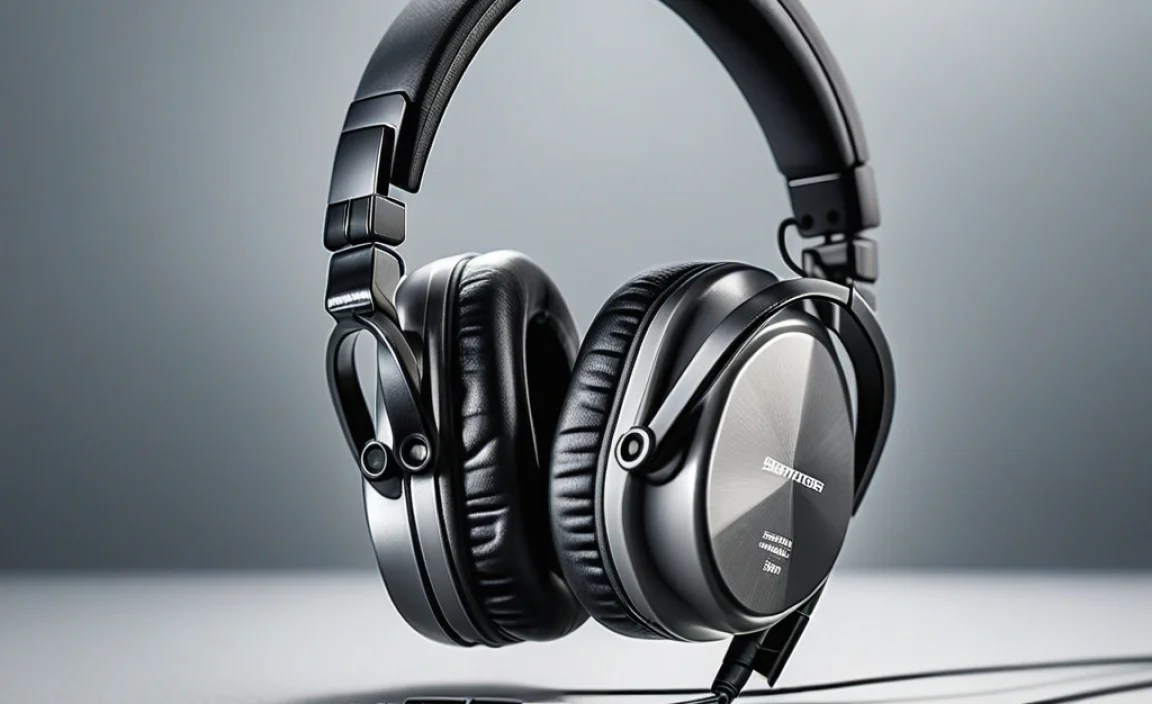
When we talk about headphones for hearing protection, we’re generally looking at two main categories: headphones that passively block noise, and active solutions that monitor and reduce noise.
1. Passive Noise Isolation Headphones
These are the most common type, and they work by physically blocking sound from entering your ears. Think of them like earplugs for your ears.
How They Work:
The design of these headphones is key. They create a seal around your ear canal or over your entire ear, using dense materials and a snug fit to prevent external noise from reaching your eardrums. The effectiveness of passive isolation depends heavily on the quality of the seal and the materials used in the earcups or eartips.
Key Features to Look For:
- Over-ear design: These cups completely enclose your ears, offering a better seal than on-ear models. Look for plush earcups made of memory foam or high-density padding.
- In-ear design (earbuds): For earbuds to offer significant isolation, they need to create a tight seal within the ear canal. This is usually achieved with silicone or foam eartips that expand to fit.
- Material quality: Denser materials in the earcups or eartips generally provide better sound isolation.
- Fit and comfort: A good seal is crucial for isolation, but it also needs to be comfortable for extended wear.
Pros:
- Require no batteries or power source.
- Generally less expensive than active noise-cancelling options.
- Effective for blocking out consistent, moderate-to-high frequency noises (like office chatter or the drone of an airplane engine).
Cons:
- Less effective against very low-frequency sounds (like rumbling engines).
- Your own listening volume can still cause damage if too high.
- May not block out all extremely loud impulse noises (like sudden bangs).
Examples:
Many high-fidelity over-ear headphones and well-fitting in-ear monitors (IEMs) offer excellent passive noise isolation. Think of brands known for their sturdy build and effective earcups.
2. Active Noise Cancelling (ANC) Headphones
ANC headphones go a step further by using technology to neutralize unwanted sound. They are excellent for creating a quiet listening environment, which can indirectly help protect your hearing by allowing you to listen at lower volumes.
How They Work:
ANC headphones have tiny microphones on the outside that pick up ambient noise. An internal processor then generates an “anti-noise” sound wave – the exact opposite of the incoming noise. When these two waves meet, they cancel each other out, significantly reducing the perceived noise level without you having to crank up your music.
Key Features to Look For:
- Effectiveness of ANC: Not all ANC is created equal. Higher-end models generally offer more robust noise cancellation, especially for consistent low-frequency sounds.
- Transparency/Ambient Mode: This feature allows you to hear your surroundings when needed, such as for announcements or conversations, without removing the headphones.
- Battery life: ANC requires power, so check the playback time with ANC engaged.
- Sound quality: While ANC is about noise reduction, you still want good audio for your music.
Pros:
- Highly effective at reducing consistent, low-frequency noises (e.g., airplane engines, train rumble, HVAC systems).
- Allows for lower listening volumes, which is beneficial for hearing health.
- Can create a more immersive listening experience by removing distractions.
Cons:
- Require batteries or charging.
- Can be more expensive.
- Less effective against sudden, sharp noises (like speech or sirens).
- Some users perceive a slight pressure sensation.
- May sometimes affect the natural sound of your audio.
Examples:
Brands like Bose, Sony, and Apple are pioneers in ANC technology, offering models renowned for their noise-cancelling capabilities. These are fantastic for commuters and travelers.
3. Specialized Hearing Protection Earwear
These are not your typical consumer headphones. These are designed with one primary purpose: to protect your hearing from dangerously loud environments. They often look more like industrial earmuffs or specialized earplugs.
How They Work:
They typically use very robust passive noise isolation, with thick, dense earcups and strong seals. Some may incorporate electronic features for specific applications, such as amplification of speech while blocking loud noises, or featuring integrated communication systems.
Key Features to Look For:
- Noise Reduction Rating (NRR): This is a standardized measure (usually in the US) indicating how much the ear protection can reduce noise exposure. Higher NRR means more protection. Look for ratings of 20 dB or higher for significant protection.
- Comfort for long periods: Especially important for work environments.
- Durability: These are often built for tough conditions.
- Specific features: For certain jobs, you might need pass-through audio for radios or the ability to hear colleagues.
Pros:
- Offer the highest levels of noise reduction.
- Specifically engineered for safety in hazardous noise environments.
- often meet regulatory standards for workplace safety.
Cons:
- Can be bulky and less comfortable for casual listening.
- Sound quality for music is usually secondary or non-existent.
- Can be more expensive and often not sold through mainstream consumer electronics channels.
Where to Find Them:
These are commonly found at industrial supply stores, safety equipment retailers, or specialized online stores. They are often required for jobs in construction, manufacturing, aviation, and live event production.
Choosing the Right Headphones for Your Needs
The “best” headphones for hearing protection depend entirely on your lifestyle and the environments you frequent. Let’s break it down by common scenarios:
For Commuters and Travelers
Recommendation: Active Noise Cancelling (ANC) headphones.
Why: The consistent drone of engines on planes, trains, and buses can be damaging over time. ANC headphones excel at canceling out these low-frequency sounds, allowing you to listen to your audio at much lower (and safer) volumes. Look for models with good battery life and comfortable earcups for long journeys.
For Office and Study Environments
Recommendation: High-quality Passive Noise Isolation or ANC headphones.
Why: Office chatter, keyboard clatter, and general ambient noise can be distracting and contribute to noise fatigue. Over-ear headphones with good padding offer excellent passive isolation. If your environment has a lot of consistent background noise, ANC can be a game-changer. For a quieter, controlled environment, well-fitting earbuds with good isolation can also be effective.
For Musicians and Concert Goers
Recommendation: High-Fidelity Earplugs or Specialized Musicians’ Monitors.
Why: Concerts and loud rehearsals can easily exceed 100 dB, causing immediate damage. Standard ANC or passive isolation headphones are often insufficient.
- High-Fidelity Earplugs: These are designed to reduce sound levels evenly across frequencies, preserving sound quality while lowering the overall volume. They’re discreet and offer significant dB reduction. Brands like Etymotic or Earasers offer excellent options.
- Musicians’ In-Ear Monitors (IEMs): These are professional-grade in-ear headphones that provide a very tight seal and often come with interchangeable filters or dampeners to control the level of sound reduction, allowing musicians to hear themselves and the mix safely.
For simply attending concerts, some high-NRR passive earmuffs might be suitable if discretion isn’t a concern and sound quality is secondary to protection.
For Noisy Hobbies and Work
Recommendation: Specialized Hearing Protection (Industrial Earmuffs/Plugs) or Noise-Blocking Headphones.
Why: Activities like lawn mowing, woodworking, shooting, or working in construction zones expose you to dangerously high noise levels.
- Industrial Earmuffs: These are your go-to. They are built for maximum protection with high Noise Reduction Ratings (NRR). Many have comfortable padding and adjustable headbands for extended wear.
- Noise-Blocking Headphones: Some consumer headphones are built with extra sturdy earcups and thick padding that offer significant passive noise reduction, making them a dual-purpose option if you also want to listen to audio. However, always check the NRR if available or rely on reputable reviews.
For tasks involving power tools or machinery, prioritize dedicated hearing protection with a high NRR, even over your favorite Bluetooth headphones.
For General Listening at Lower Volumes
If your primary goal is listening to music or podcasts at safe volumes in relatively quiet environments (like your home or a quiet walk), then most well-fitting headphones will suffice.
Recommendation: Any comfortable headphones or earbuds that allow you to listen clearly at a moderate volume.
Why: The key is self-regulation. If you can hear your audio without straining and without it being so loud that people nearby can easily hear it, you’re likely listening at a safe level. Over-ear headphones with good passive isolation are great here as they help block out subtle background noise, allowing you to keep your volume lower.
Key Features to Consider for Hearing Protection
When you’re shopping for headphones with hearing protection in mind, here are the technical aspects and features that really matter:
Passive Isolation Rating (or perceived block)
This relates to how well the physical design of the headphone blocks external sound. For over-ear headphones, look for thick, dense earcups with a good seal. For in-ear models, the quality of the eartips and the depth of insertion into the ear canal are critical. While not always officially rated like industrial protection, anecdotal evidence and reviews can speak volumes here.
Noise Reduction Rating (NRR)
This is a standardized measure, primarily used in the US, that indicates how much noise a hearing protective device reduces. It’s usually expressed in decibels (dB). The higher the NRR, the more protection offered. You’ll find NRR on industrial earmuffs and earplugs. While not typically on consumer headphones, it’s the benchmark for true hearing protection in loud environments.
Active Noise Cancellation (ANC) Technology
As discussed, ANC is excellent for consistent noise. Look for reviews that detail ANC effectiveness across different frequency ranges. Some ANC headphones allow adjustable levels or “transparency modes” for safety.
Comfort and Fit for Long-Term Wear
Hearing protection is only effective if you wear it. If headphones are uncomfortable, too heavy, or don’t fit well, you won’t use them. For over-ear models, consider the clamping force, earcup material, and adjustability of the headband. For earbuds, a variety of eartip sizes and materials (silicone, foam) are essential for finding a secure, comfortable, and isolating fit.
Durability and Build Quality
Especially if you plan to use headphones in demanding environments, robust construction is a must. Metal headbands, sturdy plastic, and high-quality cable materials will ensure your investment lasts.
Battery Life and Charging
For ANC headphones, battery life is a major consideration. If you travel frequently, look for models that offer 20+ hours of playback with ANC on. USB-C charging is also a convenient feature.
Sound Quality (If Listening is Primary)
While protection is the focus, you still want to enjoy your audio. If you’re buying headphones that will also be your primary listening device, ensure they offer a sound profile you enjoy. For noise-isolating or noise-cancelling headphones, higher listening volumes can still damage hearing, so remember to keep it moderate.
Understanding Impulse Noise and Why It’s Tricky
It’s important to distinguish between continuous noise and impulse noise.
- Continuous Noise: This is consistent, like the hum of an air conditioner, traffic noise, or machinery. ANC headphones are very effective at reducing this type of noise.
- Impulse Noise: These are sudden, short, sharp sounds, like a gunshot, a hammer strike, or fireworks. These can cause immediate ear damage.
While good passive isolation and some higher-end ANC can reduce the intensity of impulse noise, they may not fully block it. Specialized hearing protection with a very high NRR is often necessary when dealing with predictable impulse noise sources.
How to Use Headphones Safely for Hearing Protection
Purchasing the right headphones is only half the battle; using them correctly is paramount.
