
Discover how to unlock the full potential of your music with headphones designed for high-resolution audio. This guide breaks down what makes these headphones special and helps you choose the perfect pair to experience every detail in your favorite tracks, from subtle nuances to powerful bass. Get ready to hear your music like never before!
Revolutionize Your Listening: Essential Headphones For High Resolution Audio

Are you ready to experience your music in a whole new way? For years, the idea of “high-resolution audio” might have sounded like something reserved for audiophiles with fancy equipment. But the truth is, enjoying clearer, richer, and more detailed sound is more accessible than ever.
It all starts with the right gear, and at the heart of it all are your headphones. If you’re craving to hear every subtle pluck of a guitar string, the breath of a singer, or the depth of an orchestra, then investing in headphones specifically designed for high-resolution audio is your golden ticket. Let’s dive in and explore how these amazing devices can truly revolutionize your listening experience, making every song feel like a live performance right in your ears.
What Exactly is High Resolution Audio?
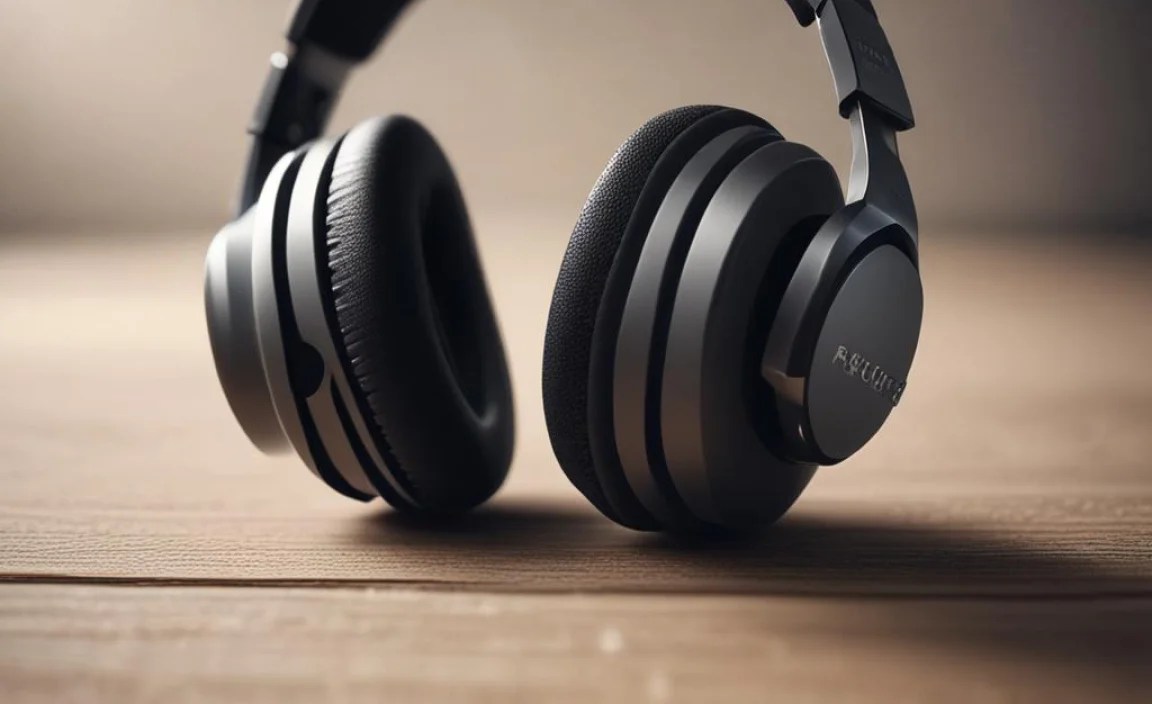
Before we talk about headphones, let’s quickly understand what we mean by “high-resolution audio.” Think of it as the difference between a blurry photograph and a crystal-clear, high-definition image.
Traditional audio formats, like those found on CDs or heavily compressed MP3s, often lose some of the original musical information during the recording and distribution process. High-resolution audio, on the other hand, captures and retains significantly more of this original detail.
Key characteristics of high-resolution audio include:
- Higher Sampling Rates: This refers to how many times per second the audio signal is measured. Higher rates capture more nuances.
- Greater Bit Depth: This determines the range of loudness (dynamic range) the audio can represent. Higher bit depth means more subtle gradations in volume, leading to a more lifelike sound.
- Lossless Formats: High-resolution audio is typically delivered in lossless formats (like FLAC, ALAC, or WAV) that preserve all the original audio data.
The general consensus among audiophiles and researchers points to a threshold for “high-resolution” often starting at 96kHz sampling rate and 24-bit depth, though some definitions may vary slightly. For more on the technical aspects, you can explore resources from organizations like the Audio Engineering Society (AES), though we’ll keep our explanations here straightforward!
Why Do You Need Specific Headphones for High Resolution Audio?

Not all headphones are created equal. While a standard pair of earbuds might let you hear the melody, headphones designed for high-resolution audio are engineered to reproduce the full spectrum of sound with exceptional accuracy and detail. They are built to reveal the intricacies that lesser headphones simply can’t convey.
Here’s why dedicated headphones make a difference:
- Accuracy and Fidelity: They are designed to reproduce sound as faithfully as possible, with minimal coloration or distortion. This means what the artist and producer intended is what you hear.
- Extended Frequency Response: High-resolution audio often contains frequencies beyond what many consumer headphones can reproduce. Specialized headphones aim to cover a wider range, from the deepest lows to the highest highs, without sounding harsh or muffled.
- Superior Detail Retrieval: The subtle details, like reverb trails, instrument textures, and vocal nuances, are crucial to the emotional impact of music. These headphones excel at bringing these details to the forefront.
- Wider Soundstage: A good pair of high-res headphones can create a sense of spaciousness, making it feel like the instruments are positioned around you in a real space, rather than sounding confined to your ears.
Key Features to Look For in High Resolution Audio Headphones

When you start shopping, you’ll notice certain terms and specifications that are more important for high-resolution listening. Don’t get overwhelmed; we’ll break them down:
1. Driver Technology
The driver is the component inside your headphones that actually produces sound. Different types have different strengths:
- Dynamic Drivers: The most common type. They use a diaphragm and a voice coil to generate sound. High-quality dynamic drivers can offer excellent bass and a lively sound.
- Planar Magnetic Drivers: These use a thin, flat diaphragm stretched between magnets. They are known for their incredible detail, fast response, and very low distortion, making them a favorite for high-resolution audio.
- Electrostatic Drivers: These use electrostatic principles and are known for their exceptional clarity, speed, and airy treble. They are often found in more premium, and sometimes larger, headphone designs.
2. Impedance
Measured in Ohms (Ω), impedance tells you how much electrical resistance the headphone offers. This is crucial because it affects how loud your headphones can get and how much power they need from your audio source.
- Low Impedance (Under 32Ω): These are easy to drive and will generally sound good when plugged directly into smartphones, laptops, or portable music players.
- High Impedance (Over 50Ω, often 100Ω or more): These headphones require more power to reach adequate listening volumes and deliver their best performance. They often benefit from a dedicated headphone amplifier. While they might not get as loud from a phone, they can offer a cleaner, more dynamic, and refined sound when properly powered.
Pro Tip: If you plan to listen primarily on your phone or laptop, focus on headphones with lower impedance. If you’re willing to invest in an amplifier or have one already, higher impedance headphones can be a fantastic choice for revealing the nuances of high-resolution audio.
3. Frequency Response
This is the range of frequencies (measured in Hertz, Hz) that the headphone can reproduce. The human hearing range is typically between 20Hz (very low bass) and 20kHz (very high treble).
- For high-resolution audio, look for headphones with a wide and flat frequency response that extends beyond the typical 20Hz-20kHz. Many audiophile-grade headphones aim to reproduce frequencies as low as 10Hz and as high as 40kHz or even 50kHz.
- A “flat” frequency response means the headphones reproduce all frequencies at roughly the same volume, leading to a more natural and uncolored sound.
4. Sensitivity
Measured in decibels (dB) per milliwatt (dB/mW) or decibels per volt (dB/V), sensitivity indicates how loud the headphones can get with a given amount of power. Higher sensitivity means they are more efficient and will play louder with less power.
- High-sensitivity headphones (e.g., 100 dB/mW or higher) are generally easier to drive and work well with portable devices.
- Low-sensitivity headphones often require more powerful amplification to reach their full potential.
5. Open-Back vs. Closed-Back Design
This is a significant factor affecting sound quality and listening experience.
- Open-Back Headphones: These have vents or grilles on the earcups that allow air and sound to pass through.
- Pros: Tend to offer a more natural, spacious, and airy soundstage. They are excellent for creating a sense of immersion and can reduce listener fatigue.
- Cons: Sound leaks in from the outside, and sound leaks out from the headphones, making them unsuitable for noisy environments or shared spaces.
- Closed-Back Headphones: These have solid earcups that seal in the sound.
- Pros: Offer better noise isolation, blocking external sounds and preventing your music from disturbing others. They can also often provide more impactful bass.
- Cons: Can sometimes sound more “enclosed” or less spacious than open-backs.
For the purest high-resolution audio experience in a quiet environment, many enthusiasts prefer open-back headphones. However, excellent closed-back options exist that can still deliver breathtaking detail.
Recommended Types of Headphones for High Resolution Audio

The world of headphones can seem vast, but for high-resolution audio, certain categories consistently deliver. Here are some types and examples to get you started:
Over-Ear Headphones
These fit completely over your ears, offering comfort and often the best performance due to larger driver sizes and more space for acoustic design. They are generally preferred for critical listening.
For the Detail Seeker (Often Open-Back):
These are designed to reveal every nuance. Expect clarity, airiness, and an expansive soundstage.
- Sennheiser HD 600/650/800 S: Legendary choices known for their detailed, natural, and spacious sound. The HD 600 and 650 are often considered benchmarks for accurate mid-range and treble, while the HD 800 S offers an even wider soundstage and exceptional precision. These are high-impedance and benefit from amplification.
- HiFiMan Sundara/Arya: HiFiMan is renowned for its planar magnetic headphones. The Sundara offers incredible detail and clarity at a more accessible price point. The Arya is a step up, pushing towards audiophile excellence with breathtaking detail and a vast soundstage.
- Audio-Technica ATH-R70x: A highly regarded open-back option that balances detail with a natural, easy-listening profile. They are relatively easy to drive for an open-back.
For the Isolationist (Often Closed-Back):
If you need to block out the world or prevent leakage, these still offer superb high-resolution performance.
- Beyerdynamic DT 770/880/990 Pro: The DT 770 Pro (closed-back) is a studio staple offering detailed, energetic sound with good isolation, available in different impedance versions. The DT 880 (semi-open) and DT 990 Pro (open-back) also offer fantastic detail, with varying degrees of isolation and soundstage.
- Sony MDR-Z1R: A premium closed-back headphone from Sony, featuring innovative driver technology for excellent detail, bass response, and a surprisingly wide soundstage for a closed-back design.
- Fostex TH909 (Open-Back) / TH900mk2 (Closed-Back): These use bio-cellulose diaphragms for rich, detailed sound with a touch of warmth and excellent bass.
On-Ear Headphones
These rest directly on your ears. They are often more portable than over-ear models but can sometimes be less comfortable for long listening sessions and may not offer the same level of soundstage as over-ear designs.
- Bose QuietComfort Ultra Headphones (with a caveat): While Bose is known for noise cancellation, their latest Ultra series offers impressive clarity and can handle high-resolution files streamed wirelessly via Bluetooth codecs like LDAC or aptX HD. For true wired high-res, you’d look to their studio models, but for convenient, high-quality portable listening, they are a strong contender.
In-Ear Monitors (IEMs)
These fit directly into your ear canal, providing excellent isolation and a very direct sound. High-end IEMs can be incredibly detailed and are perfect for portable listening or for those who prefer a less bulky option.
- Shure SE Series (e.g., SE846, SE535): Shure’s higher-end IEMs are known for their clarity, detail, and balanced sound. The SE846, with its multiple drivers, is particularly adept at resolving fine details.
- Campfire Audio Andromeda: A highly popular IEM celebrated for its shimmering treble, detailed mids, and precise bass.
- Sony WF-1000XM5 (Wireless IEMs): Similar to their over-ear counterparts, these premium wireless earbuds support high-resolution audio codecs and offer impressive detail and noise cancellation for their size.
Do You Need a DAC and Amplifier?
This is where things can seem technical, but let’s simplify. A DAC (Digital-to-Analog Converter) takes the digital audio data from your device and turns it into an analog signal that your headphones can play. An Amplifier takes that analog signal and boosts its power so your headphones can be driven effectively to their full potential.
Your smartphone, laptop, or tablet already has a built-in DAC and amplifier. For most standard headphones, this built-in hardware is sufficient. However, for high-impedance headphones or to extract the absolute best from sensitive high-resolution audio recordings, an external DAC and/or amplifier can make a significant difference.
When to Consider a DAC/Amplifier:
- Your headphones have high impedance (e.g., 100Ω or more). Without enough power, they will sound quiet, thin, and lack dynamics.
- You want to squeeze every bit of detail and clarity out of your high-resolution files. A dedicated DAC can be cleaner than your device’s internal one, and a dedicated amplifier can provide more headroom and control for the drivers.
- You want to improve the overall sound quality of your listening experience, regardless of headphone type.
Types of DAC/Amps:
- Portable DAC/Amps: Small devices that connect between your phone/computer and headphones. Examples include the FiiO BTR series or the iBasso DC series.
- Desktop DAC/Amps: More powerful units designed for home or office use. Examples include the Schiit Magni/Modi stack or the Topping DX series.
Recommendation: Start with your high-resolution headphones directly connected to your source. If you feel like you’re missing out on detail, power, or clarity, then explore affordable portable DAC/amps. For the ultimate experience with high-impedance demanding headphones, a good desktop setup is worth the investment. You can find excellent guides on headphone amplifiers and DACs from reputable audio review sites.
Getting Started: A Step-by-Step Guide
Ready to embark on your high-resolution audio journey? Here’s how to get started:
Step 1: Assess Your Current Listening Habits
Consider:
- Where do you listen most often? (Home, office, commute, gym?)
- What devices do you use? (Smartphone, laptop, dedicated MP3 player, PC?)
- What kind of music do you listen to?
- What is your budget?
- Are you looking for wired or wireless?
Step 2: Choose Your Headphone Type
Based on your habits, decide:
- Over-ear for best comfort and acoustics at home.
- In-ear for portability, isolation, and active lifestyles.
- Open-back for critical listening in quiet spaces.
- Closed-back for mixed environments or when you need isolation.
Step 3: Select Your Headphones
Research models within your chosen category and budget, keeping in mind impedance and driver type. Don’t be afraid to read reviews from trusted audio sources. If possible, try to audition headphones before buying.
Step 4: Source Your High-Resolution Music
You need more than just good headphones to hear high-res audio. You need high-resolution files!
- Streaming Services: Many services now offer hi-fi tiers.
- Tidal: Offers “HiFi” and “HiFi Plus” subscriptions that provide access to lossless lossless (CD quality) and MQA (Master Quality Authenticated) files, which can deliver higher resolution.
- Apple Music: Offers “Lossless” and “Hi-Res Lossless” audio at no extra cost. Ensure your playback device and headphones can support it.
- Qobuz: Dedicated to high-resolution audio, offering a vast library of uncompressed lossless files.
- Amazon Music Unlimited also offers HD and Ultra HD audio options.
- Download Stores: Websites like HDtracks, Acoustic Sounds, and Qobuz offer high-resolution albums for purchase and download in various lossless formats.
- Your Own CDs: Ripping your CD collection using lossless formats (like FLAC or ALAC) using software like Exact Audio Copy or iTunes/Apple Music can be a great way to build a library.
For wireless listening, ensure your device and headphones support high-resolution Bluetooth codecs like LDAC (Sony), aptX HD (Qualcomm), or UAT (HWA).
Step 5: Consider a DAC/Amplifier (Optional, based on Step 1 & 3)
If you chose high-impedance headphones or are seeking the absolute best possible sound quality from your source, now is the time to look into external DAC/Amps.
