
Quick Summary: Choosing the right headphones for your keyboard piano enhances practice and performance. This guide covers essential features like comfort, sound accuracy, and connectivity, helping beginners select the perfect pair for an immersive musical experience.
Headphones for Keyboard Piano: Your Essential Guide

Hey there, fellow music makers and keyboard enthusiasts! Edward Cavitt here from Headphone Horizon, and I know diving into the world of audio gear can feel a little overwhelming sometimes. You’ve got your shiny new keyboard piano, ready to create some beautiful music, but then you realize – what kind of headphones should you use? It’s a question that pops up often, and for good reason! The right headphones can transform your practice sessions from a sometimes-tinny experience into a truly immersive, rich soundscape. They’re crucial for hearing every nuance of your playing, practicing without disturbing others, and even for recording your masterpieces. This guide is designed to cut through the jargon and give you a clear, easy-to-understand roadmap to finding the perfect headphones for your keyboard piano adventures. Let’s get those ears covered and make some music!
Why Headphones Matter for Keyboard Piano Players

Playing a keyboard piano with headphones is more than just a convenience; it’s a gateway to a better practice and performance experience. Think about it: integrated speakers on digital pianos and keyboards are great for casual playing, but they often lack the depth and clarity you get from dedicated audio equipment. Headphones offer a direct line to the sound, allowing you to hear the subtle vibrato, the crisp attack of a hammer, and the rich decay of each note exactly as the instrument intends. This is incredibly important for developing your ear and refining your technique. Plus, in shared living spaces or late-night practice sessions, headphones are an absolute lifesaver, letting you play to your heart’s content without bothering roommates, family, or neighbors. For anyone serious about learning, practicing, or performing with their keyboard piano, a good pair of headphones isn’t just an accessory – it’s an essential tool.
Key Features to Look For in Keyboard Piano Headphones

When you’re shopping for headphones specifically for your keyboard piano, a few key features really stand out. You’re not just looking for something to listen to music with; you need them to reproduce the sound of your instrument accurately. Let’s break down what to prioritize.
Sound Quality and Accuracy
This is paramount. You want headphones that offer a “flat” or neutral frequency response. What does that mean? It means the headphones reproduce sound without artificially boosting or cutting certain frequencies (like bass or treble). This allows you to hear your playing authentically, which is vital for learning and practicing properly. Overly bass-heavy headphones might make your playing sound “bigger” than it is, masking subtle dynamics, while bright ones might make it sound harsh. Look for terms like “studio monitor headphones,” “accurate,” or “neutral sound profile.” This ensures you’re hearing the true output of your keyboard.
Comfort for Long Sessions
If you’re a beginner, you might be practicing for 30 minutes to an hour (or more!) at a time. If your headphones are heavy, pinch your ears, or make you sweat, those long sessions can become uncomfortable, distracting, and even painful. Prioritize headphones with plush earcups, adjustable headbands, and a lightweight design.
- Over-ear (Circumaural) vs. On-ear (Supra-aural): Over-ear headphones completely enclose your ears, offering better isolation and comfort for long periods. On-ear headphones rest directly on your ears and can sometimes become uncomfortable after a while, and they tend to leak more sound.
- Earcup Material: Look for breathable materials like velour, which are cooler than faux leather or leather, especially during extended use.
- Headband Padding: A well-padded headband distributes weight evenly, preventing pressure points on your head.
Closed-Back vs. Open-Back Designs
This is a crucial distinction for keyboard playing.
- Closed-Back Headphones: These have solid earcups that create a seal around your ears. This design is excellent for sound isolation, meaning it prevents sound from leaking out and disturbing others, and it also blocks out external noise from reaching your ears. For practicing a keyboard piano, especially in shared environments, closed-back headphones are usually the top choice. They give you a more intimate listening experience of your instrument.
- Open-Back Headphones: These have perforated earcups that allow air and sound to pass through. They often provide a more natural, spacious soundstage and can be more comfortable as they don’t create as much pressure or heat. However, they leak sound significantly, meaning others can hear what you’re playing, and you’ll hear more of your surroundings. While great for critical listening in a quiet, private studio, they are typically less ideal for practicing a keyboard piano in most home settings.
Durability and Build Quality
You want headphones that can withstand regular use. A sturdy build, good quality plastics, and a robust headband mean your investment will last. Detachable cables are a big plus, as they are often the first thing to wear out on headphones. If a cable frays or breaks, you can simply replace it instead of the entire headphone set.
Connectivity and Cable Length
Most keyboard pianos use a standard 1/4-inch (6.35mm) audio jack. Ensure the headphones you choose come with a connector that fits your instrument. Many headphones come with a 1/8-inch (3.5mm) plug and include an adapter for the larger 1/4-inch jack. A decent cable length (around 6-10 feet or 2-3 meters) provides enough freedom to move comfortably without yanking the cable. A coiled cable can also be handy as it retracts, preventing it from getting in the way during play.
Impedance (Ohms)
This is a slightly more technical spec, but it’s important. Impedance is a measure of electrical resistance. For most keyboard pianos and typical audio devices, you’ll want headphones with a lower impedance, generally between 16 and 80 Ohms. Higher impedance headphones (like 250 Ohms or more) often sound quieter when plugged into standard audio outputs and might require a dedicated amplifier to reach optimal volume and sound quality. Stick to the lower impedance range for direct connection to your keyboard.
Recommended Headphone Types for Keyboard Pianos
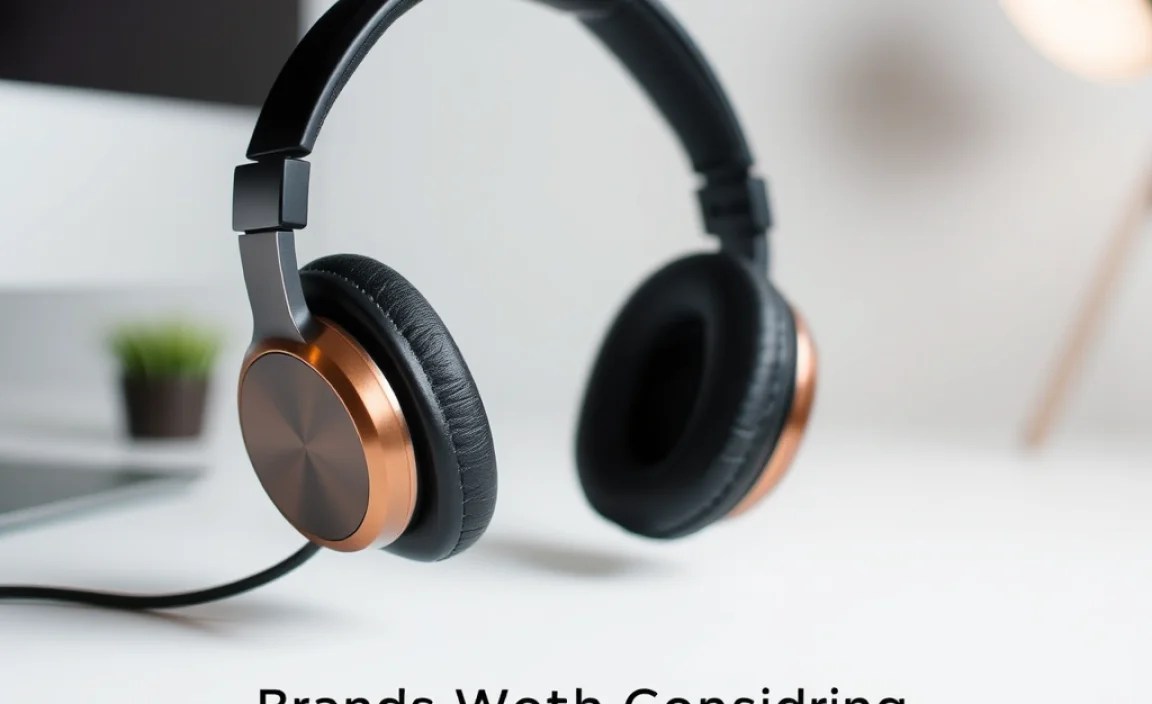
Based on the features we’ve discussed, here are the most suitable types of headphones for playing keyboard piano:
1. Studio Monitor Headphones (Closed-Back)
These are often the gold standard for keyboardists. They are designed for accurate sound reproduction and are typically closed-back for excellent isolation. This means you hear your playing clearly without distractions from your environment, and your playing won’t be a disturbance to others. They’re built for extended listening and offer a balanced sound profile, helping you develop a better sense of dynamics and touch.
2. Digital Piano Specific Headphones
Some manufacturers design headphones specifically with digital pianos and keyboards in mind. While they might not always carry the “studio monitor” label, they often share similar characteristics: accurate sound, comfortable design, and good isolation. They are a safe bet if you want something tailored for your instrument.
3. General Purpose Closed-Back Headphones (with caveats)
Many consumers primarily use headphones for listening to music on their phones or computers. Good quality, closed-back consumer headphones can work well. However, be mindful of overly “hyped” sound profiles (lots of boosted bass or treble). If they sound great for your favorite songs but distort or muddy the sound of your piano playing, they might not be the best choice for practice. Always look for reviews that mention balanced sound or suitability for monitoring.
Brands Worth Considering
When it comes to reliable headphones for keyboard piano, several brands consistently deliver quality and value. These brands are known for their commitment to audio fidelity and durability, making them excellent choices for musicians.
Professional Audio Brands
- Audio-Technica: Famous for their ATH-M series (like the ATH-M30x, ATH-M40x, and ATH-M50x). These are incredibly popular in studios and among musicians for their balance of accuracy, comfort, and durability. The M50x, in particular, offers a slightly more engaging, though still relatively neutral, sound profile.
- Sennheiser: Another titan in the audio world. Models like the HD 280 Pro are workhorses, offering excellent isolation and a clear, detailed sound. They are built like tanks and are a favorite for long practice sessions.
- AKG: Known for their accurate sound reproduction. The K-series, such as the AKG K240 (a semi-open back, so consider your environment) or the K-52 (closed-back), provides a pleasingly flat response that’s great for critical listening and practice.
- Beyerdynamic: Highly regarded for their build quality and detailed sound. The DT 770 PRO is a staple for many musicians and producers, known for its comfort and consistent sound, though it can be a bit pricier.
Reputable Consumer Brands with Suitable Models
While the brands above are often the go-to for musicians, some mainstream brands offer models that can also work well, especially if you’re on a tighter budget or want something dual-purpose.
- Sony: The MDR-7506 is a long-time standard in broadcast and studio environments, known for its durability and clear, analytical sound. While some consumers might find it a bit bright for casual listening, it’s excellent for piano practice.
- Shure: Famous for microphones, Shure also makes excellent headphones. The SRH440, SRH840, and SRH940 offer increasingly accurate sound profiles and good build quality for their price points.
Choosing the Right Fit: A Comparison Table
To help you visualize the differences, here’s a comparison of common headphone types suitable for keyboard pianos. Remember, the best choice depends on your specific needs and environment.
| Headphone Type | Best For | Sound Isolation | Sound Profile | Portability/Leakage | Considerations |
|---|---|---|---|---|---|
| Studio Monitor (Closed-Back) | Dedicated Practice, Recording, Mixing | Excellent | Neutral, Accurate | Very Low Leakage | Can be less “exciting” for casual listening, but ideal for practice. |
| Semi-Open Back (e.g., AKG K240) | Private Studio Practice, Light Mixing | Moderate | Spacious, Natural | Moderate Leakage | Soundstage is great, but others will hear your playing. Not ideal for shared spaces. |
| Consumer Closed-Back (e.g., some Sony/Bose) | General Listening, Casual Piano Practice | Good to Excellent | Can vary; often bass-boosted or V-shaped | Low Leakage | Check frequency response; too much bass/treble can skew perception of your playing. |
Step-by-Step Guide to Buying Your Keyboard Piano Headphones
Ready to make a purchase? Follow these simple steps to ensure you get the right pair without any fuss.
Step 1: Assess Your Environment and Needs
This is the most crucial step. Ask yourself:
- Where will you be practicing? Is it a quiet room, or are there distractions you need to block out?
- Who might you disturb with your playing? Are you living with family, roommates, or even pets that need quiet?
- How long will you typically practice in one session? Comfort is key for longer sessions.
- What is your budget? Headphones range from very affordable to quite expensive.
If you need maximum isolation and minimal disturbance, closed-back studio monitor headphones are your best bet.
