
Quick Summary: Discover the best headphones for your Kindle to unlock richer audiobook and music experiences. This guide breaks down essential features like comfort, sound quality, and connectivity for beginners, ensuring you find the perfect audio companion for your reading device.
Essential Headphones for Kindle: Finding Your Best Sound
Hey there, audio explorers! Edward Cavitt here from Headphone Horizon. If you love getting lost in a good book, whether it’s a gripping story on your Kindle or a fascinating audiobook, you know how much the right audio gear can elevate the experience. But when it comes to picking headphones for your Kindle, it can sometimes feel a bit… bewildering. Are all headphones the same? What makes one sound “better” than another for just enjoying your Kindle content? We’ll dive into the essentials without getting bogged down in jargon, making sure you can confidently choose headphones that bring your Kindle worlds to life with crystal-clear sound.
Why Good Headphones Matter for Your Kindle

Think of your Kindle as your personal portal to endless stories. Whether you’re listening to a thrilling podcast, a captivating audiobook narrated by a world-class voice actor, or even some ambient music to set the mood while you read, the audio quality makes a huge difference. Cheap or ill-fitting headphones can leave you straining to hear dialogue, missing subtle nuances, or feeling completely disconnected from the narrative. High-quality headphones, on the other hand, can immerse you more deeply, making characters feel more real and settings more vivid. It’s about creating a richer, more enjoyable, and less fatiguing listening experience.
For audiobooks especially, clarity of voice is paramount. You want to hear every whisper, every emphatic statement, without background hiss or distortion. For music, you want a balanced sound that captures the intended emotion and energy of the track. Even for basic Kindle navigation sounds or notifications, better audio can make the device feel more responsive and pleasant to use.
Understanding Key Headphone Features for Kindle Users
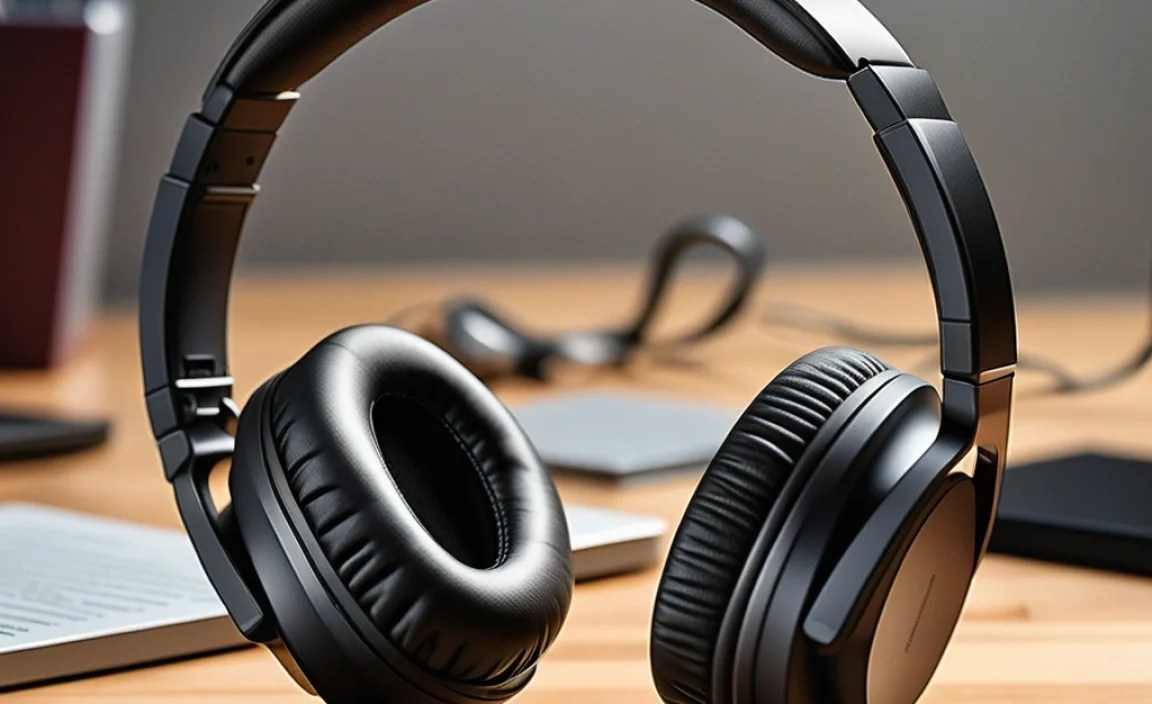
When you’re looking for headphones, especially for a device like your Kindle which is typically used for extended periods, a few key features stand out. Let’s break them down in plain English:
1. Sound Quality: Beyond Just Loud
This is the big one, right? But what does “good sound quality” actually mean for Kindle users? For audiobooks, it means clear, articulate vocals. You shouldn’t struggle to distinguish between characters’ voices or miss important dialogue. For music, it means a balanced sound profile – not too bass-heavy (muddy) and not too treble-heavy (shrill). You want to hear instruments clearly and appreciate the full range of the recording.
- Clarity: The ability to distinguish individual sounds and vocals without muddiness or distortion. Essential for spoken-word content.
- Balance: How different frequencies (bass, mids, treble) are represented. A good balance means no single frequency dominates unpleasantly.
- Soundstage: This refers to how “wide” or “spacious” the sound feels. A good soundstage can make it feel like the audio is coming from around you, rather than just inside your head.
2. Comfort: For Those Long Reading Sessions
You might be settling in for a marathon reading session or a long commute. If your headphones are uncomfortable, they can quickly ruin the experience. Look for lightweight designs and materials that are soft against your skin.
- Ear Cup Material: Plush foam or soft leatherette can make a big difference.
- Headband Padding: A well-padded headband distributes weight evenly, preventing pressure points.
- Clamping Force: How tightly the headphones grip your head. Too tight and they’re painful; too loose and they’ll slip off.
- Over-ear vs. On-ear vs. In-ear:
- Over-ear (Circumaural): Cups completely surround your ears. Often the most comfortable for long periods and offer good passive noise isolation.
- On-ear (Supra-aural): Cups rest directly on your ears. Can be lighter but may cause pressure on the ears over time.
- In-ear (Earbuds/IEMs): Fit inside the ear canal. Very portable and good for noise isolation, but some find the fit uncomfortable for extended wear.
3. Connectivity: Wired vs. Wireless
This is a practical consideration. Does your Kindle have a headphone jack, or do you rely on Bluetooth? Most modern Kindles (especially Paperwhite and Oasis models) use Bluetooth or USB-C audio, while older or basic models might exclusively use a 3.5mm jack. You’ll need headphones that match your Kindle’s capabilities.
- Wired (3.5mm Jack):
- Pros: No batteries needed, no pairing issues, often more affordable.
- Cons: Cable can get tangled, requires a headphone jack on your Kindle, can feel restrictive.
- Wireless (Bluetooth):
- Pros: Freedom of movement, no tangled cables, often includes microphones for calls.
- Cons: Requires charging, potential for pairing issues, can be more expensive, slight latency (though usually not noticeable for audiobooks).
4. Noise Isolation/Cancellation
This feature is about how well the headphones block out external noise. This can be passive (achieved through the design and fit of the headphones) or active (using microphones and electronics to cancel sound waves).
- Passive Noise Isolation: Achieved by a good seal, like with in-ear or over-ear headphones. Great for blocking out ambient chatter or the hum of an airplane.
- Active Noise Cancellation (ANC): Excellent for noisy environments like public transport or busy cafes. Can be a game-changer for focus, but it’s usually found on more premium headphones and requires power (battery).
5. Battery Life (for Wireless)
If you opt for wireless headphones, battery life is crucial. You don’t want your audiobook to cut out halfway through a dramatic chapter! Aim for headphones that offer at least 15-20 hours of playtime on a single charge for typical use.
Choosing the Right Type of Headphone for Your Kindle

Based on the features above, let’s look at some popular headphone types and how they might suit your Kindle needs:
Over-Ear Headphones
These large cups completely enclose your ears. They often provide the most comfortable fit for extended listening and generally offer excellent sound quality and passive noise isolation.
Best for: Long reading sessions at home, quiet environments, users who prioritize comfort and immersive sound.
Pros:
- Superior comfort for long wear.
- Excellent sound quality and immersive listening.
- Good passive noise isolation.
- Less pressure on the ears compared to on-ear.
Cons:
- Bulkier and less portable.
- Can get warm after prolonged use.
- Generally more expensive than earbuds.
On-Ear Headphones
These have smaller cups that rest on your ears. They offer a balance between portability and sound quality.
Best for: Commuters, general listening, users who want something more compact than over-ear but not as invasive as earbuds.
Pros:
- More portable than over-ear headphones.
- Can offer good sound quality.
- Lighter than many over-ear models.
Cons:
- Can cause ear fatigue or discomfort over time due to pressure.
- Less effective at noise isolation than over-ear or in-ear.
- Sound can sometimes “leak” out, disturbing others nearby.
In-Ear Headphones (Earbuds/IEMs)
These fit snugly inside your ear canal, creating a seal. They are incredibly portable and excel at noise isolation.
Best for: Travel, workouts, users who need maximum portability and a strong seal against external noise.
Pros:
- Extremely portable and discreet.
- Excellent passive noise isolation due to the seal.
- Can deliver very clear sound, especially for vocals.
- Lightweight and comfortable for many users.
Cons:
- Some users find them uncomfortable for very long periods.
- Can be fiddly to get a perfect fit and seal.
- Sound quality can vary greatly between models and price points.
Top Considerations for Pairing Headphones with Your Kindle

Before you hit that “buy” button, let’s think about the practicalities of connecting your headphones to your Kindle and optimizing your listening sessions.
1. Check Your Kindle’s Audio Output Type
This is non-negotiable! You need to know whether your Kindle uses a standard 3.5mm headphone jack or relies on Bluetooth. Newer Kindle e-readers, particularly the Paperwhite and Oasis models with touchscreens, typically use Bluetooth. Some tablets that run the Kindle app will also use Bluetooth or a USB-C audio adapter.
How to check:
- If your Kindle has a small, circular port that looks like an old-school audio jack, it’s either a 3.5mm jack or a USB-C port. Look up your specific Kindle model online.
- Go to your Kindle’s settings menu. Look for “Bluetooth” or “Wireless” options. If you see them, it supports Bluetooth headphones.
- For devices using USB-C, check if you can plug in headphones directly or if it requires a USB-C to 3.5mm adapter. Some headphones plug directly in with a USB-C connector.
External Resource: For detailed specifications on Kindle models, the official Amazon support pages are an excellent resource:
2. Bluetooth Pairing Guide for Wireless Headphones
If you’re going wireless, pairing is usually straightforward. Here’s a general process:
- Charge your headphones: Make sure they have enough battery.
- Put headphones in pairing mode: This usually involves holding down the power button or a dedicated Bluetooth button until a light flashes or you hear an audio cue. Consult your headphone’s manual.
- Enable Bluetooth on your Kindle: Go to Settings > Wireless > Bluetooth.
- Scan for devices: Your Kindle should search for nearby Bluetooth devices.
- Select your headphones: Tap on your headphone’s name when it appears in the list.
- Confirm connection: You should hear a confirmation sound or see a “Connected” status on your Kindle.
3. Audio Settings on Your Kindle
Sometimes, optimizing audio involves minor tweaks within your Kindle’s settings. While Kindles aren’t typically known for extensive audio customization, it’s worth checking.
- Volume Limits: Ensure no volume limits are set that are too low.
- Accessibility Options: Some devices have accessibility menus that might offer audio enhancements or mono audio settings if needed.
4. Testing for Comfort and Fit
This is best done in person if possible, but if buying online, read reviews specifically mentioning comfort for long durations. If possible, buy from retailers with good return policies so you can try them out risk-free.
Recommended Headphone Types & Example Brands for Kindle Users

While specific product recommendations can change rapidly, here are some categories and well-regarded brands that generally offer good value and sound for audiobook and casual music listening on a Kindle. Remember to always check for compatibility with your specific Kindle’s audio connection (3.5mm jack or Bluetooth).
| Headphone Type | Ideal For Kindle Use Case | Example Brands (Beginner-Friendly) | Pros for Kindle | Cons for Kindle |
|---|---|---|---|---|
| Comfortable Over-Ear (Wired/Wireless) | Immersive home listening, long reading sessions, clear narration. | Sennheiser (HD series), Audio-Technica (ATH-M series for wired, some wireless models), Sony (WH-CH series) | High comfort, excellent sound for vocals, good isolation. | Less portable, can be pricier. |
| Portable Wireless Earbuds | Commuting, on-the-go reading, discrete listening. | Anker Soundcore, Jabra (Elite series), Apple AirPods (if you use an Apple device with Kindle app) | Highly portable, convenient Bluetooth, good noise isolation. | Requires charging, fit can be personal, sound quality varies. |
| Budget-Friendly Wired Earbuds | Basic listening, travel, when battery life is a concern. | JLab Audio, Anker Soundcore, Skullcandy (basic models) | Affordable, no charging needed, simple plug-and-play. | Sound quality may be compromised, can tangle, require 3.5mm jack. |
A Note on Noise Cancellation: While ANC is fantastic for blocking noise, it’s often a feature of pricier headphones. For most Kindle users, good passive noise isolation from a comfortable pair of over-ear or in-ear headphones is more than sufficient and a more budget-friendly option.
Simple Maintenance for Your Kindle Headphones
To keep your headphones sounding their best and lasting a long time, a little care goes a long way. This is super simple!
- Cleaning Ear Cups/Tips:
- Fabric/Foam: Dampen a soft cloth with water (or a very mild soap solution if necessary) and gently wipe. Let them air dry completely before use. Avoid soaking.
- Leather/Leatherette: Use a slightly damp cloth. A specialized leather cleaner can be used sparingly if needed.
- In-Ear Tips: Remove them and rinse under cool water with mild soap. Ensure they are completely dry before reattaching.
- Cable Care (for Wired Headphones):
- Avoid tightly coiling the cable, especially around the connectors. Looser loops prevent internal wire damage.
- Store them without tension on the cable.
- Storage:
- When not in use, store your headphones in a protective case or a dedicated spot where they won’t get crushed or tangled.
- Keep them away from extreme temperatures or direct sunlight.
- Battery Care (for Wireless Headphones):
- Avoid draining the battery completely too often, if possible.
- Don’t leave them plugged in for excessively long periods after they’re fully charged. Most modern batteries have overcharge protection, but it’s good general practice.
Proper care ensures your headphones remain comfortable, hygienic, and deliver the best sound quality for your Kindle adventures, maintaining their performance over time.
Frequently Asked Questions (FAQ)
Q1: Can I use any headphones with my Kindle?
Generally, yes! If your Kindle has a 3.5mm headphone jack, you can use any wired headphones that use that connector. If your Kindle supports Bluetooth, you can pair most Bluetooth headphones. Always check your specific Kindle model’s capabilities and the headphone’s connection type (3.5mm, Bluetooth, USB-C).
Q2: Do I need special headphones for audiobooks vs. music on my Kindle?
Not necessarily “special” headphones. However, for audiobooks, you’ll prioritize clear vocals and good articulation. For music, a more balanced sound profile is desirable. Many headphones that offer good clarity will serve well for both. Look for reviews that mention vocal clarity if audiobooks are your primary use.
Q3: My Bluetooth headphones won’t connect to my Kindle. What should I do?
First, ensure both your headphones and Kindle have enough battery. Put your headphones back into pairing mode and try scanning for devices on your Kindle again. Make sure your headphones aren’t already connected to another device (like your phone). You might also try turning the Bluetooth off and on again on both devices, or rebooting both devices entirely. If problems persist, consult your headphone’s manual or Kindle support.
Q4: Are expensive headphones worth it for just listening to Kindle audiobooks?
It depends on your listening habits and budget. If you listen for many hours a day and are sensitive to audio nuances, investing in a more comfortable and better-sounding pair can significantly enhance your experience. However, many affordable headphones
