
Quick Summary: Choosing the right headphones for motorcycle riding is crucial for safety and enjoyment. This guide helps beginners select comfortable, secure, and sound-isolating options that allow communication and music without compromising awareness of your surroundings or helmet integrity. Learn about types, features, and installation to enhance your ride.
Headphones for Motorcycle Riding: Essential Gear for a Safe Ride

Hey everyone, Edward Cavitt here from headphonehorizon! When you’re out on the open road, feeling the wind in your hair (or under your helmet!), the right soundtrack can make the experience even better. But when it comes to motorcycle riding, what’s in your ears matters just as much for safety as it does for sound quality. Unlike just cruising around town, riding a motorcycle demands your full attention. You need to hear your engine, traffic, and potential hazards. That’s where specialized headphones, or more accurately, intercom systems and communication headsets, come into play. They must balance immersive audio with essential auditory awareness. In this guide, we’ll break down everything you need to know to pick the perfect audio gear for your motorcycle adventures, ensuring you can enjoy your tunes or take important calls safely.
Why Use Headphones While Riding a Motorcycle?

It might seem counterintuitive to put something in your ears while riding a motorcycle, given the importance of hearing your surroundings. However, the right kind of audio gear can significantly enhance both your enjoyment and safety. Modern communication systems designed for motorcycle helmets offer a safe way to:
- Stay Connected: Make and receive phone calls without having to pull over.
- Enjoy Music: Listen to your favorite playlists, podcasts, or audiobooks to make long rides more engaging.
- Hear Navigation: Get turn-by-turn GPS directions directly in your helmet, keeping your eyes on the road.
- Communicate with Fellow Riders: Built-in intercom features are invaluable for group rides, allowing you to talk to your companions easily.
- Reduce Wind Noise Annoyance: While not completely eliminating it, good audio systems can help mitigate the constant roar of wind, reducing fatigue.
It’s crucial to understand that standard earbuds or noise-canceling headphones are generally NOT suitable for motorcycle riding. They can block out vital sounds like sirens, horns, or other vehicles. The goal is to supplement, not replace, your situational awareness. According to the National Highway Traffic Safety Administration (NHTSA), motorcycle riders are significantly more vulnerable in crashes, making every safety precaution essential.
Understanding Motorcycle Communication Systems: Beyond Basic Headphones
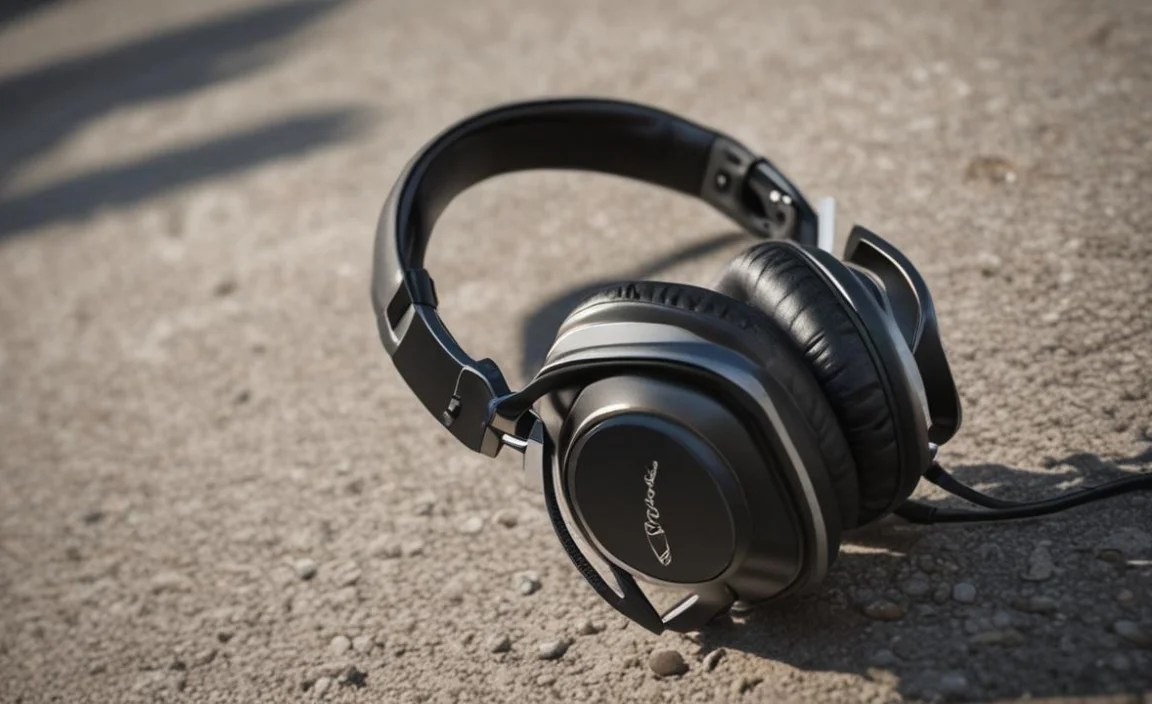
When we talk about “headphones for motorcycle riding,” we’re usually referring to integrated communication systems or specialized headsets designed to fit inside a motorcycle helmet. These are not your typical consumer headphones. They are built with specific features for the unique demands of riding. Here’s a breakdown of the main types:
1. Bluetooth Headsets
These are the most common and versatile option for solo riders or small groups. They connect wirelessly to your smartphone, GPS device, and sometimes other Bluetooth-enabled accessories. Key features often include:
- Connectivity: Bluetooth A2DP for stereo music, AVRCP for music control, HFP for hands-free calling.
- Intercom: Some models allow pairing with other headsets for rider-to-rider communication within a limited range.
- Audio Input: Many have a 3.5mm aux-in jack for wired connections.
- Voice Commands: Initiate calls or control music using your voice.
- Water Resistance: Essential for riding in various weather conditions.
2. Mesh Intercom Systems
For larger groups or riders who frequently tour together, mesh intercom technology offers a more robust and extended communication range. Unlike standard Bluetooth, mesh systems create a network where each headset can relay signals to others. This allows for a much larger active communication group and greater distance between riders.
- Dynamic Mesh Communication (DMC): Patented by Cardo, this technology automatically connects and reconnects riders in the mesh.
- Group Mesh: Allows you to create a private group with up to 15 riders.
- Universal Intercom: While primarily mesh-based, many also support Bluetooth intercoms for compatibility with other brands.
- Long Range: Can offer significantly greater communication range than standard Bluetooth intercoms.
3. Wired Systems
Less common now due to the prevalence of Bluetooth, wired systems require a physical cable connection, usually to a central hub or directly to a companion device. They can offer excellent audio quality and are sometimes favored for racing or specific professional applications where battery life concerns are paramount.
- Simplicity: No battery charging required for the headset itself (though the central unit might need power).
- Reliability: Less prone to wireless interference.
- Installation: Can be more complex, often requiring professional installation.
Key Features to Look For in Motorcycle Headphones

When you’re browsing for the best headphones for motorcycle riding, keep these essential features in mind:
1. Fit and Comfort Inside the Helmet
This is paramount. The speakers must fit snugly but comfortably within your helmet’s ear pockets. You don’t want them pressing on your ears, which can cause discomfort on long rides and potentially affect hearing. Look for:
- Low Profile Speakers: Thin speakers reduce pressure points.
- Velcro Attachment: Allows for easy repositioning to find the sweet spot.
- Modular Designs: Some systems allow you to detach the speakers and reattach them if you get a new helmet.
2. Sound Quality and Volume
You need to hear your audio clearly above the wind noise and engine rumble. Consider:
- Speaker Size and Power: Larger, more powerful speakers generally produce richer sound and higher volumes.
- Audio Tuning: Some premium systems offer adjustable EQ settings to customize sound profiles.
- Ambient Noise Reduction: Advanced microphones can help reduce wind and road noise for clearer calls and intercom communication.
3. Durability and Weatherproofing
Motorcycle gear takes a beating. Your audio system needs to be tough and resilient. Look for:
- IP Ratings: An IPX5 or higher rating means the device is protected against water jets, making it suitable for rain.
- Robust Construction: Materials that can withstand vibrations and minor impacts.
- Operating Temperature Range: Ensure it can handle the temperatures you typically ride in.
4. Battery Life
For long rides, you don’t want your audio cutting out. Check the manufacturer’s stated battery life for both listening and talk time.
- Eight Hours or More: A good starting point for a full day of riding.
- Fast Charging: Some devices offer quick top-ups to get you going again in a pinch.
5. Ease of Use and Control
You need to be able to operate your system without fumbling or taking your hands off the handlebars.
- Handlebar Controls: Many systems integrate with handlebar mounts or buttons.
- Voice Commands: A hands-free way to manage your audio and calls.
- Intuitive Buttons: Large, tactile buttons that are easy to find and press even with gloves on.
6. Connectivity Features
Think about how you plan to use the system. Do you need:
- Smartphone Integration: For calls, music, and navigation apps.
- GPS Pairing: To receive turn-by-turn directions directly.
- Rider-to-Rider Intercom: For communicating with companions.
- Multi-Device Connectivity: The ability to connect to your phone and GPS simultaneously.
Popular Brands and Models (A Glimpse)

The market for motorcycle communication systems is competitive, with several reputable brands offering excellent products. Here’s a brief look at some popular choices, though models are constantly updated:
- Sena: A giant in the industry, known for its feature-rich Bluetooth and mesh systems. Their 30K and 50S models are highly regarded for their mesh technology, sound quality, and connectivity.
- Cardo: Another top-tier brand, particularly famous for its innovative PACKTALK series, which utilizes Dynamic Mesh Communication (DMC) for superior group intercom capabilities.
- UClear: Offers unique helmet audio systems with patented speaker-in-boom microphone technology, aiming for natural voice transmission and ambient sound awareness.
- Reevu: While known for intelligent helmets with integrated rearview systems, they also offer audio solutions.
The best brand often comes down to personal preference regarding features, price, and how well the system integrates with your specific helmet model.
Installation: Getting Your Audio Gear Set Up
Installing headphones for motorcycle riding is usually a DIY-friendly process, especially with modern Bluetooth headsets. Most systems are designed to be compatible with the majority of full-face, modular, and open-face helmets.
Step-by-Step Installation Guide (Typical Bluetooth Headset)
Always refer to the specific manual for your chosen headset, as installation steps can vary slightly.
Tools You Might Need:
- Your chosen Bluetooth headset kit (including speakers, microphone, control unit, mounting hardware, charger)
- The helmet you intend to install it in
- A small flathead screwdriver or prying tool (often included or a plastic trim tool works well)
- A clean cloth
- Your smartphone or audio device for initial pairing
The Process:
- Inspect Your Helmet: Look for the designated ear pockets on the inside of your helmet lining. Most helmets have these, often covered with removable fabric. If there are no dedicated pockets, you might need to slightly modify the padding.
- Prepare the Helmet Liner: Carefully remove the helmet’s interior padding, especially around the ears, if necessary. Many liners are attached with snaps or Velcro, making this straightforward. If you can’t remove the liner, gently peel back the fabric covering the ear pockets.
- Mount the Speakers:
- Position the speakers in the ear pockets. Ensure they sit flat against your ears without creating pressure points. Center them as much as possible for the best audio experience.
- Secure them using the provided adhesive Velcro strips. Press firmly for a good bond.
- Route the speaker wires neatly along the helmet’s internal channels towards where the control unit will be mounted.
- Mount the Microphone:
- Boom Mic: If your headset has a boom microphone, it typically attaches to the side of the helmet, near your mouth. Most kits include a clamp that fits over the chin bar or adhesive pads. Position the boom so the microphone is close to the corner of your mouth without being in the way of your breath or interfering with helmet closure.
- Stick-on Mic: Some headsets use a small adhesive microphone that sticks inside the helmet, near the chin guard.
- Route the microphone wire discreetly along the helmet’s internal channels, usually near the bottom edge, to the control unit.
- Mount the Control Unit: This is the main “brain” of the headset. It’s usually mounted on the side of the helmet, at the base.
- Clamp Mount: Many systems use a clamp that slides over the edge of the helmet shell. This is the most common and often non-permanent method.
- Adhesive Mount: Some use a strong double-sided adhesive pad. Ensure the helmet surface is clean and dry for optimal adhesion.
- Align the control unit with the routed wires from the speakers and microphone, and connect them securely. Then, attach the unit to the helmet using the chosen mounting method.
- Tuck Away Wires: Ensure all wires are tucked neatly into helmet channels or under the liner, so they don’t snag or get pinched when you put the helmet on. Nothing should feel loose or bulky.
- Reassemble Helmet Liner: If you removed any padding, reinstall it carefully, ensuring all snaps and Velcro are reconnected.
- Charge the Device: Before your first ride, fully charge the control unit according to the manufacturer’s instructions.
- Pair with Your Devices: Turn on the control unit and put it into pairing mode (usually by holding a button). Then, go to the Bluetooth settings on your smartphone or GPS and select your headset to pair.
- Test Thoroughly: Put your helmet on and check for any discomfort. Make a test call, play some music, and try activating voice commands (if applicable). Ensure you can hear clearly and that the microphone picks up your voice well.
Troubleshooting During Installation
If you encounter issues:
- Speakers too thick? Some helmets have deeper ear pockets than others. You might need to check if your helmet liner padding can be adjusted or if there are thinner speaker options available for your headset.
- Mic too close/far? Adjust the boom mic or reposition the stick-on mic.
- Wires snagging? Reroute them, ensuring they are secured along the built-in channels of the helmet.
Maximizing Safety: Awareness and Regulations
While audio gear can enhance your ride, safety must always be the absolute priority. Here’s how to use your headphones responsibly:
1. Volume Control is Key
Never turn your volume up so high that you cannot hear important ambient sounds. A general rule of thumb is to keep the volume at a level where you can still clearly hear a car horn or engine noise around you. Many auditory system have an “ambient mode” or similar feature designed to let in external sounds.
2. Be Aware of Local Laws
Regulations regarding headphone use while riding vary by state and country. Some places prohibit any earphones in both ears, while others allow one earbud or permit communication systems. It’s your responsibility to know and abide by the laws in your riding area. For instance, in some U.S. states, using headphones that block outside noise is illegal. Organizations like the American Motorcyclist Association (AMA) often track these legal changes.
3. Maintain Peripheral Vision and Auditory Awareness
Your senses are your primary safety tools on a motorcycle. External audio should be a tool to augment, not detract from, your awareness of your surroundings. Regularly check your sides, rear, and listen for changes in traffic sounds.
4. Use Features Wisely
If you use your system for calls or music, do so at appropriate times. Pull over if you need to have an extended conversation or manage complex navigation. Keep interactions with the device brief and intuitive.
Choosing Between Different Audio Options: A Comparison
To help you decide, here’s a simplified comparison:
| Feature | Basic Bluetooth Headset | Mesh Intercom System | Standard Earbuds/Noise-Canceling Headphones |
|---|---|---|---|
| Primary Use | Solo rider, small group chat, music, calls | Large group communication, touring, extended range | General listening (NOT recommended for riding) |
| Installation | Easy, DIY, fits most helmets | Easy, DIY, fits most helmets | Unsuitable for helmet integration; can interfere with fit and seal. |
| Intercom Range | Moderate (up to 1 mile line of sight) | Extended (multiple miles, network dependent) | N/A |
| Connectivity | Pairs with phone, GPS; limited rider-to-rider | Pairs with phone, GPS; extensive rider-to-rider (mesh) | Pairs with phone/device |
| Audio Quality | Good to Very Good | Very Good to Excellent | Can be Excellent, but blocks ambient sound too much |
| Safety Concerns | Low, if volume is managed and laws followed | Low, if volume is managed and laws followed | HIGH – Blocks critical auditory cues |
| Price | $$ – $$$ | $$$ – $$$$ | $ – $$$ (irrelevant for riding context) |
Frequently Asked Questions (FAQ)
Q1: Can I use normal earbuds while riding my motorcycle?
It’s generally not recommended. Standard
