
Quick Summary: Choosing the right headphones for paddle boarding means prioritizing safety and sound quality. Look for waterproof, secure-fitting models that offer good battery life and a reliable connection. Bone conduction headphones are a popular, safe choice as they leave your ears open to ambient sounds, crucial for awareness on the water.
Headphones for Paddle Boarding: Essential Gear for a Better Experience
Paddling on the water is a fantastic way to connect with nature and get some exercise. For many, bringing along some tunes or a podcast can elevate the experience from enjoyable to truly immersive. But what about headphones? Can you even wear them while paddle boarding? The answer is a resounding yes, but with some important considerations! Unlike a quiet trail, the water presents unique challenges. You need gear that can handle splashes, stay put, and, most importantly, keep you aware of your surroundings. This guide will walk you through everything you need to know about selecting the best headphones for your paddle boarding adventures, ensuring you can enjoy your audio safely and without worry.
Why Consider Headphones for Paddle Boarding?
The open water can be a place of tranquility, but for some, it’s also an opportunity to enhance their solo experience. Imagine gliding across a calm lake, a gentle breeze on your face, all accompanied by your favorite chill playlist. Or perhaps you prefer to catch up on an audiobook or podcast while you paddle along the coast. Headphones can transform your paddle boarding session into a more personalized and engaging activity. They can help block out distracting noises, allowing you to focus on your rhythm and enjoy your chosen audio content. However, the decision to use headphones on the water isn’t just about personal enjoyment; safety is paramount. The right kind of headphones can actually enhance your ability to stay safe by providing audio without compromising your awareness of potential hazards.
Key Considerations for Paddle Boarding Headphones
When you’re out on the water, your headphones need to be more than just good-sounding. They need to be built for the environment. Here’s what to look for:
1. Water Resistance and Durability
This is non-negotiable. Paddle boarding involves water, and splashes are inevitable. You’ll want headphones with a high IPX rating (Ingress Protection). An IPX7 rating means they can be submerged in water up to 1 meter for 30 minutes, which is usually more than enough for accidental dunks. Look for robust materials that can withstand UV exposure and saltwater if you plan on paddling in the ocean.
2. Secure Fit and Comfort
The last thing you want is your headphones falling off into the water. Whether you’re paddling on calm waters or facing some light chop, a secure fit is essential. Look for headphones with ear hooks, adjustable straps, or in-ear designs that create a snug seal. Comfort is also key for longer paddling sessions. Lightweight designs and ergonomic shapes will prevent fatigue.
3. Sound Quality (and Awareness)
While crisp audio is great, when paddle boarding, you need to balance sound quality with situational awareness. This is where a specific type of headphone shines. We’ll discuss this more in the next section, but the ability to hear your surroundings, like approaching boats or wildlife, is critical for safety.
4. Battery Life and Connectivity
Nothing ruins a paddle session faster than dead headphones. Ensure the headphones offer sufficient battery life for your typical outing. Reliable Bluetooth connectivity is also important to avoid audio dropouts, especially with the potential for water interference.
The Best Types of Headphones for Paddle Boarding

Not all headphones are created equal when it comes to water sports. Some types are simply better suited for the job. Here are the top contenders:
Bone Conduction Headphones: The Clear Winner for Safety
If you’re looking for one recommendation, bone conduction headphones are often the top choice for paddle boarding, and for good reason. Instead of using earcups or earbuds to deliver sound directly into your ear canal, they transmit sound vibrations through your cheekbones to your inner ear. This leaves your ear canals completely open, allowing you to hear everything happening around you—boats, other paddlers, nature sounds, and warnings. This awareness is crucial for preventing accidents on the water.
Pros of Bone Conduction Headphones for Paddle Boarding:
- Unparalleled Situational Awareness: Your ears remain open to ambient sounds, making them incredibly safe for water activities.
- Comfortable for Long Wear: They don’t insert into your ear canal, reducing discomfort and the risk of irritation.
- Secure Fit: Most models are designed with a band that wraps around the back of your head, providing a stable fit.
- Water Resistant: Many are built to be sweatproof and waterproof, ideal for the aquatic environment.
Cons of Bone Conduction Headphones for Paddle Boarding:
- Sound Quality: Bass can be less pronounced, and overall audio fidelity might not match high-end traditional headphones.
- Sound Leakage: At higher volumes, others nearby might be able to hear your audio.
- Vibrations: Some users report feeling vibrations, especially at higher volumes, which can take some getting used to.
For a great example of how bone conduction technology works to keep you safe, you can explore resources on auditory perception and safety, such as materials from the National Highway Traffic Safety Administration (though not specific to water, the principle of situational awareness applies). Understanding how your senses contribute to safety is key.
Waterproof Earbuds: A Balanced Option with Caveats
Waterproof earbuds offer a more traditional listening experience and can be a good option if you prioritize sound quality. When choosing waterproof earbuds, look for an IPX7 rating and a secure, in-ear fit. Many come with different sizes of ear tips to help create a good seal and prevent them from falling out. Some have wingtips or ear hooks for added stability.
Pros of Waterproof Earbuds for Paddle Boarding:
- Good Sound Quality: Generally offer better bass and a fuller audio experience than bone conduction.
- Noise Isolation: The in-ear seal can help block out some ambient noise, allowing for a more immersive listening experience (though this can be a safety concern).
- Discreet: Small and unobtrusive.
Cons of Waterproof Earbuds for Paddle Boarding:
- Reduced Situational Awareness: They seal your ear canals, significantly blocking out external sounds. This is a major safety risk on the water.
- Risk of Loss: If they aren’t fitted securely, they can easily fall out and be lost.
- Ear Fatigue: Prolonged use with ear canal insertion can sometimes cause discomfort.
If you opt for waterproof earbuds, consider using them on extremely calm and familiar waters where any potential hazards are minimal, or with the volume very low, only to supplement the awareness you get from your eyes and ears.
Waterproof Sports Headphones (Over-Ear/On-Ear): Generally Not Recommended
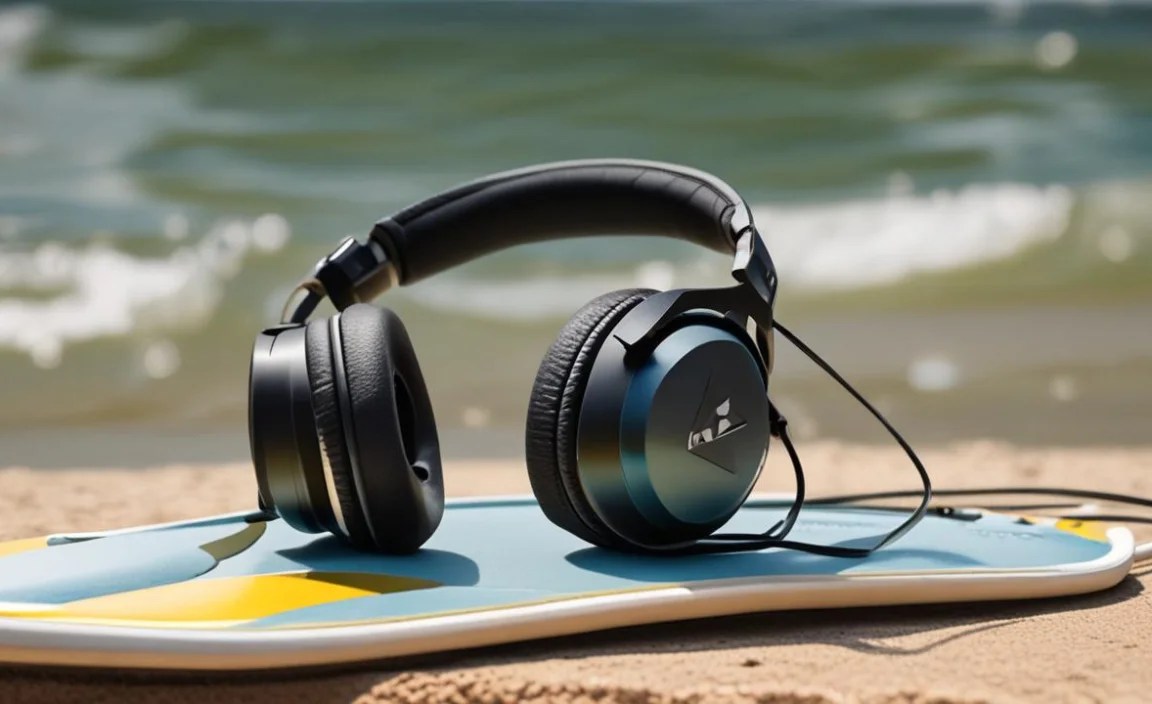
While waterproof sports headphones do exist, they are generally the least suitable option for paddle boarding. They tend to be bulkier, can be easily dislodged by water or movement, and can significantly impair your ability to hear your surroundings. The risk of them falling off is also very high.
Features to Look For: A Comparison Table
To help you decide, here’s a quick comparison of the primary headphone types:
| Feature | Bone Conduction | Waterproof Earbuds | Waterproof Sports (Over/On-Ear) |
|---|---|---|---|
| Situational Awareness | Excellent | Poor to Fair | Very Poor |
| Water Resistance (Typical) | IPX7 | IPX7+ | IPX5+ |
| Fit Security | Very Good | Good (with proper fit) | Fair to Poor |
| Sound Quality | Good | Very Good | Good to Very Good |
| Comfort (Long Wear) | Excellent | Good | Fair |
| Risk of Loss | Low | Moderate | High |
How to Choose the Right Model: A Step-by-Step Guide

Ready to pick out your audio companion for paddle boarding? Follow these steps:
Step 1: Prioritize Safety – Decide on Form Factor
Based on the above, the decision for paddle boarding almost always leans towards bone conduction headphones due to the critical need for situational awareness on the water. If you are in a highly controlled environment (like a very small, shallow, and quiet pond with no other traffic), you might consider waterproof earbuds, but bone conduction remains the safest bet for general paddle boarding.
Step 2: Check the IPX Rating
Look for a minimum IPX7 rating. This signifies the headphones can handle submersion. Ratings like IPX8 are even better, offering even greater water protection. Always check the product specifications for this crucial detail.
For a deeper dive into what these ratings mean, the International Electrotechnical Commission (IEC) offers official definitions, although often quite technical.
Step 3: Evaluate the Fit and Stability
For bone conduction headphones, ensure the wraparound band feels secure on your head. It shouldn’t slip down your neck. For earbuds, check if they come with multiple ear tip sizes and potentially stabilizing fins or wings. A stable fit means they won’t budge when you lean or paddle vigorously.
Step 4: Consider Battery Life and Bluetooth Version
Think about how long your typical paddle boarding sessions last. For a few hours, 6-8 hours of battery life is usually sufficient. Choose headphones with at least Bluetooth 4.2, and ideally Bluetooth 5.0 or newer, for a more stable and efficient wireless connection. Newer versions generally offer better range and less susceptibility to interference.
Step 5: Read Reviews Specific to Water Sports
Don’t just look at general headphone reviews. Search for reviews from users who have specifically used them for paddle boarding, kayaking, or other water activities. They can offer real-world insights into how the headphones perform in those conditions.
Step 6: Set Your Budget
Good quality water-resistant headphones, especially bone conduction models, can range from $50 to $200+. Decide what you’re comfortable spending. Often, you get what you pay for in terms of durability and sound quality, but there are great options at various price points.
Top Features to Look For in Specific Models
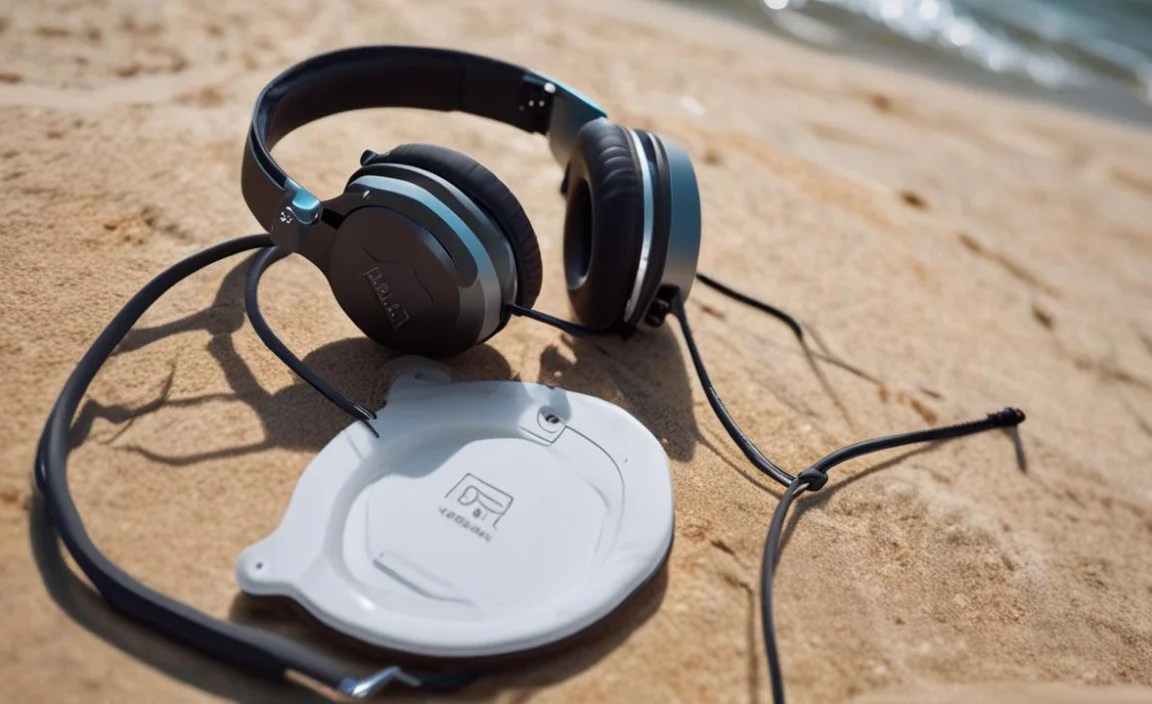
Beyond the basic type, some features can make your paddle boarding audio experience even better:
- Open-Ear Design: This is the hallmark of bone conduction. Your ears are free to hear everything around you.
- Lightweight Construction: For comfort during long paddles.
- Rechargeable Via USB-C: Convenient and common charging standard.
- Built-in Microphone: For taking calls if needed (though be cautious using them near water).
- Easy Controls: Buttons should be accessible and usable even with wet hands.
Popular Brands Known for Water-Friendly Audio Gear

Several brands have made a name for themselves in headphones suitable for active lifestyles and water sports. When looking for headphones for paddle boarding, consider these brands:
- Shokz (formerly AfterShokz): The undisputed leader in bone conduction technology, offering excellent sound and durable designs.
- Jabra: Known for their robust and waterproof true wireless earbuds, many with secure fits.
- Jaybird: Popular for sports-focused earbuds with secure fittings and good water resistance.
- Anker Soundcore: Offers a wide range of affordable, durable, and often water-resistant audio devices.
How to Maintain Your Headphones After Paddle Boarding
Keeping your headphones in good condition will ensure they last longer and perform their best. Here’s how to care for them, especially after saltwater exposure:
- Rinse Thoroughly: As soon as possible after your paddle, rinse your headphones with fresh, lukewarm water. This is crucial to remove salt, sand, and any other debris that can corrode or damage the components. Pay special attention to mesh areas and charging ports.
- Wipe Down: Gently wipe the exterior with a soft, damp cloth. Avoid abrasive materials.
- Dry Properly: Allow the headphones to air dry completely in a well-ventilated area. Do not use heat sources like hairdryers, as this can damage the materials. Ensure charging ports are completely dry before plugging them in.
- Clean Ear Tips (if applicable): If you use earbuds, remove the ear tips and clean them separately according to the manufacturer’s instructions.
- Store Safely: When not in use, store your headphones in a cool, dry place. A protective carrying case is ideal to prevent damage.
Proper maintenance can make a significant difference. Skipping the rinse after a saltwater paddle is like inviting corrosion to do its worst. Think of it as part of your post-paddle cleanup routine.
Frequently Asked Questions (FAQ)
Here are some common questions beginners have about headphones for paddle boarding:
Q1: Are bone conduction headphones safe to use for paddle boarding?
Yes, bone conduction headphones are considered very safe for paddle boarding because they leave your ears open to hear your surroundings, which is essential for situational awareness.
Q2: Can I use my regular wireless earbuds while paddle boarding?
It’s not recommended for safety reasons. Regular earbuds block out ambient noise, making it hard to hear approaching boats, wind, or other hazards on the water. If you choose to, ensure they are waterproof and wear them at a very low volume.
Q3: What IPX rating should I look for?
For paddle boarding, aim for an IPX7 rating or higher. This means the headphones can withstand submersion in water up to 1 meter for 30 minutes, protecting against splashes and accidental dunks.
Q4: Will my headphones stay on if I fall off my paddle board?
Bone conduction headphones generally have a secure band that wraps around the back of your head, making them less likely to fall off. For earbuds, a secure in-ear fit with multiple tip sizes or stabilizing fins is crucial to prevent them from being lost if you go for a swim.
Q5: How do I charge my headphones if they get wet?
Always ensure your headphones are completely dry, especially the charging port, before attempting to charge them. Follow the manufacturer’s instructions. If you suspect water damage, do not attempt to charge and contact the manufacturer.
Q6: Can I listen to music and still hear someone calling me?
With bone conduction headphones, yes. Because your ears are open, you can still hear voices and other environmental sounds clearly, even while listening to audio at a moderate volume.
Conclusion
Paddle boarding is made even more enjoyable with the right gear, and choosing appropriate headphones is a key part of that. By prioritizing water resistance, a secure fit, and crucially, situational awareness, you can select audio equipment that enhances your time on the water. Bone conduction headphones stand out as the safest and most practical choice, allowing you to enjoy your music or podcasts without compromising your ability to hear important environmental cues. Remember to always check that your chosen headphones have a robust IPX rating, fit snugly, and offer reliable battery life. With a little research and by following these guidelines, you’ll be well-equipped to find the perfect headphones for your next paddle boarding adventure, ensuring a safe, fun, and audio-rich experience. Happy paddling!
