
Quick Summary: Discover the best headphones for sleeping in that offer unparalleled comfort and sound. This guide explores various types, from soft headbands to discreet earbuds, helping you find the perfect pair to drift off to sleep with soothing audio, whether it’s music, podcasts, or white noise. Get ready for deeper, more restful sleep.
Headphones for Sleeping In: Unlock Genius Comfort for Restful Nights

Tossing and turning, struggling to find a comfortable position, and wishing for a little peace and quiet? We’ve all been there. If you’re like many, the idea of enjoying soothing audio while you sleep sounds like a dream come true. But the thought of bulky headphones or uncomfortable earbuds can be a real buzzkill.
Fear not! In this guide, we’re diving deep into the wonderful world of headphones designed specifically for sleeping. We’ll explore the genius ways these devices are crafted for ultimate comfort, helping you choose the perfect pair to seamlessly integrate into your nightly routine. Get ready to transform your sleep experience!
Why Use Headphones for Sleeping?

Using headphones for sleeping isn’t just a trend; it’s a practical solution for a better night’s rest. The benefits are surprisingly significant and can address common sleep disruptors:
- Masking Annoying Noises: From snoring partners and noisy neighbors to city traffic, unwanted sounds can wreak havoc on your sleep. Headphones can play white noise, nature sounds, guided meditations, or calming music to create a peaceful auditory environment, effectively blocking out distractions. For valuable insights into noise-cancelling technology and its impact on sleep, check out the National Institute on Deafness and Other Communication Disorders (NIDCD).
- Enhancing Relaxation and Mindfulness: Many people find that listening to guided meditations, sleep stories, or calming ambient music helps them relax their minds and bodies, making it easier to fall asleep.
- Improving Focus and Concentration (for Sleep): If you find your mind racing before bed, listening to a podcast or audiobook can help redirect your thoughts and ease you into sleep.
- Creating a Personal Sleep Sanctuary: Even in a quiet room, headphones can help create a personalized sensory experience that signals to your brain that it’s time to wind down.
Types of Headphones Designed for Sleeping

The key to comfortable sleep headphones lies in their design. Manufacturers have gotten incredibly creative to ensure you barely feel them.
1. Sleep Headbands with Built-in Speakers
These are arguably the most popular and versatile option for sleep. They look like a soft, comfortable headband but discreetly house thin, flat speakers. You wear them like a regular headband, and the speakers sit comfortably over your ears.
Pros:
- Extremely comfortable, soft fabric.
- Speakers are very thin and generally don’t put pressure on your ears.
- Good for side sleepers as they don’t protrude significantly.
- Many integrate Bluetooth for wireless connectivity.
- Often washable (after removing the electronics).
Cons:
- Sound quality can be good but not audiophile-grade.
- May not stay perfectly in place all night for very active sleepers.
- Can sometimes get warm in hotter climates.
2. Ultra-Thin Earbuds
These are designed to be as small and flat as possible, aiming to be less intrusive than traditional earbuds. While not specifically marketed only for sleep, certain models excel in this area.
Pros:
- Very discreet once inserted.
- Can offer decent sound isolation.
- Some models are designed with soft, flexible materials.
Cons:
- Even the thinnest can still cause discomfort for side sleepers over time.
- Risk of them falling out during sleep.
- Wires (if not wireless) can be a tangle hazard.
3. Bone Conduction Headphones
These don’t cover your ears at all. Instead, they rest on your cheekbones in front of your ears and transmit sound vibrations through your skull directly to your inner ear. This leaves your ear canal completely open.
Pros:
- Excellent situational awareness – you can still hear your surroundings.
- No pressure on or in your ears, making them very comfortable for any sleeping position.
- Good for those who don’t like things in or covering their ears.
Cons:
- Sound quality is generally less immersive and can have a slight vibration perception.
- Sound can sometimes leak out at higher volumes, potentially disturbing a partner.
- Not ideal for noise isolation – they don’t block external sounds.
4. Earplugs with Integrated Audio
These are essentially high-fidelity earplugs with tiny, custom-molded or specially designed audio drivers embedded within them. They offer both noise reduction and audio playback.
Pros:
- Excellent passive noise isolation.
- Designed for a secure and comfortable fit.
- Can offer superior sound quality due to direct ear canal placement.
Cons:
- Can be expensive, especially custom-molded options.
- May require a break-in period to get used to the fit.
- Not suitable for those who dislike anything inside their ear canal.
Key Features to Look For
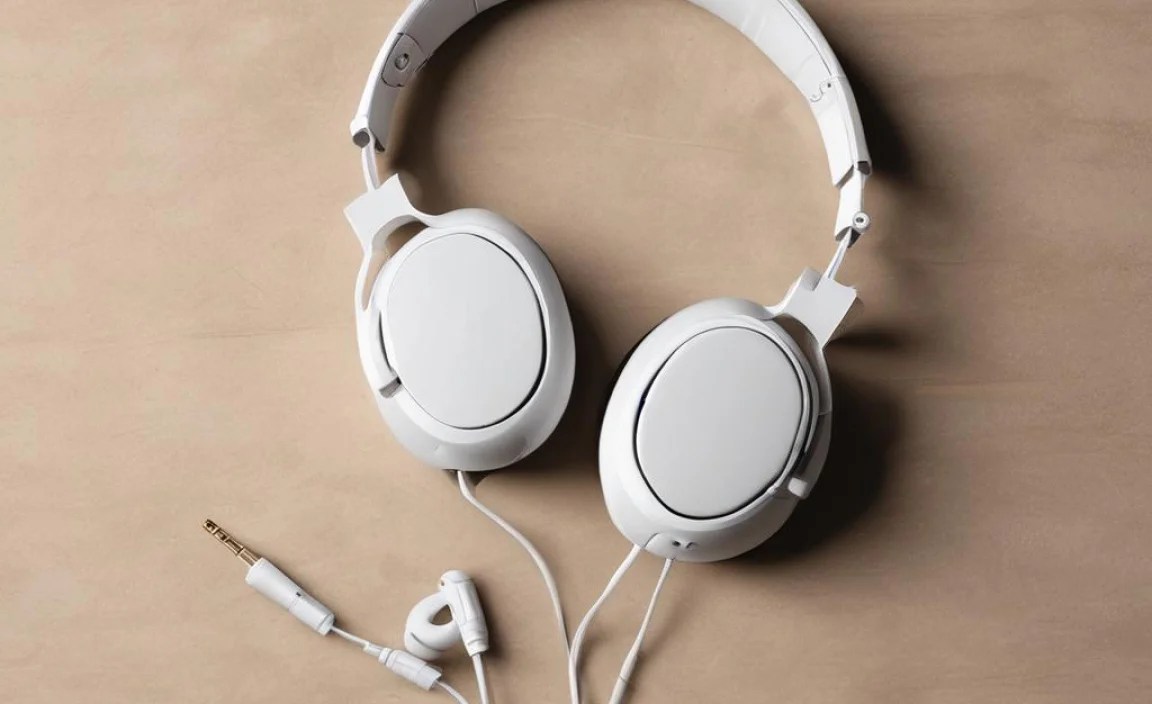
When choosing headphones for sleeping, comfort is king, but a few other features can make a big difference.
- Soft, Breathable Materials: Look for fabrics like cotton, modal, or soft fleece for headbands. For earbuds, silicone or soft foam tips are best.
- Thin Speaker Profile: This is crucial, especially for side sleepers. The flatter the speakers, the less pressure you’ll feel.
- Wireless Connectivity (Bluetooth): Wires can be a nuisance, tangling and tugging. Bluetooth offers freedom of movement.
- Long Battery Life: You don’t want your headphones dying halfway through the night. Aim for at least 8-10 hours of playback.
- Adjustable Fit: For headbands, some adjustability can help ensure a snug but comfortable fit.
- Washable Design: Hygiene is important. Being able to wash the headband material is a big plus.
- Auto-Off Timer: This can be a battery saver and prevent you from listening to audio all night if you’ve fallen asleep.
How to Choose the Best Headphones for Your Sleep Style

Your sleeping habits play a huge role in determining which type of sleep headphone is best for you.
For Side Sleepers
Side sleepers need to be particularly mindful of pressure points on their ears. Sleep band headphones with ultra-thin speakers or certain ultra-flat earbuds are generally the best choices. Make sure the speakers are positioned to lie as flat as possible against your head, or find a headband with a good contour that cradles your ear.
For Back Sleepers
Back sleepers have the most flexibility. They can often get away with a wider range of options, including sleep headbands, thin earbuds, and even some smaller on-ear designs that aren’t too bulky. The primary concern is still comfort, ensuring nothing presses uncomfortably against the back of their head.
For Stomach Sleepers
Stomach sleeping is the most challenging position for headphone comfort. Ideally, stomach sleepers might find bone conduction headphones the least intrusive, as they don’t press on the ear or head. If that’s not preferred, ultra-thin, flexible earbuds that fit snugly and don’t protrude are the next best bet.
For Light Sleepers / Those Sensitive to Pressure
If you are highly sensitive, a soft sleep headband with exceptionally flat and well-padded speakers is your best bet. Alternatively, explore options designed for minimal ear canal intrusion, such as very soft silicone tips on tiny earbuds.
Setting Up Your Sleep Headphones: A Simple Guide
Once you’ve chosen your sleep headphones, setting them up is usually straightforward. Here’s a general step-by-step process:
Step 1: Charge Your Headphones
Before your first use, ensure your headphones are fully charged. Most wireless sleep headphones use a USB charging cable. Refer to your user manual for specific charging times and indicators.
Step 2: Pair with Your Device (If Wireless)
Turn on your headphones and put them in pairing mode (check your manual for how to do this – it usually involves holding down a button). On your smartphone, tablet, or computer, go to the Bluetooth settings and select your headphones from the list of available devices.
Step 3: Adjust for Comfort
If you have a sleep headband, try it on. Adjust its position so the speakers are centered over your ears. Ensure the fabric is snug but not too tight.
If you have earbuds, experiment with different included ear tip sizes to find the most comfortable and secure fit. For bone conduction, ensure they rest correctly on your cheekbones.
Step 4: Select Your Audio Content
Open your preferred app for sleep sounds, music, podcasts, or meditation. Download content if necessary so playback is reliable and doesn’t rely on a strong Wi-Fi signal.
Step 5: Set Volume Levels
This is critical for sleep. Start with a very low volume. You should barely be able to hear the audio if you focus, but it should be enough to mask any slight background noises. Avoid high volumes, which can damage your hearing and prevent you from hearing important sounds like smoke alarms.
Step 6: Utilize Sleep Timers
Most music or podcast apps allow you to set a sleep timer. This will automatically shut off the audio after a set period, conserving battery and preventing you from being woken up by continuous playback. Some headphones also have a built-in auto-off timer after a period of inactivity, which is a great feature to look for.
Popular Content for Sleep Headphones
What you choose to listen to is just as important as the headphones themselves. Here are some popular audio choices:
- White Noise/Brown Noise/Pink Noise: These sounds create a consistent, soothing background hum that masks disruptive noises. White noise is like static, pink noise is deeper like rain, and brown noise is even deeper, like a waterfall.
- Nature Sounds: Gentle rain, ocean waves, forest ambiences, or crackling fireplaces offer a natural calming effect.
- Ambient Music: Slow, melodic, instrumental music without strong beats is excellent for relaxation.
- Guided Meditations and Sleep Stories: Developed by mindfulness experts, these can guide your mind away from worries and towards sleep. Many apps like Calm or Headspace offer extensive libraries.
- Podcasts/Audiobooks: For some, listening to familiar or calming voices can help lull them to sleep, provided the content isn’t too stimulating.
Maintenance and Care for Your Sleep Headphones
Keeping your sleep headphones clean and well-maintained will ensure they last longer and stay hygienic.
- Cleaning Headbands: Most fabric sleep headbands can be cleaned. First, carefully remove the electronic components (speakers, control module). Then, wash the fabric according to its care instructions (usually machine washable on a gentle cycle or hand wash). Ensure it is completely dry before reinserting electronics.
- Cleaning Speakers/Earbuds: Use a dry, soft cloth to wipe down the speaker mesh or earbud housing. For stubborn grime, a slightly damp cloth (water only, ensure it’s not wet enough to drip) can be used, followed by immediate drying. Avoid using harsh chemicals or solvents.
- Storing Your Headphones: When not in use, store them in a cool, dry place. A small pouch or even just a designated drawer can protect them from dust and damage.
- Battery Care: For wireless models, avoid letting the battery completely drain too often. Charge them when the battery gets low to prolong its lifespan.
A Comparison Table: Sleep Headphone Types
To help you visualize the differences, here’s a quick comparison:
| Headphone Type | Best For | Comfort Level (General) | Situational Awareness | Sound Quality (General) | Portability |
|---|---|---|---|---|---|
| Sleep Headbands | Side sleepers, general use | Very High | Low (blocks ambient sound) | Good | Moderate (can be bulky) |
| Ultra-Thin Earbuds | Those preferring discreet in-ear | Moderate to High (depends on fit) | Moderate (can block some sound) | Good to Very Good | High (very compact) |
| Bone Conduction | Any sleeper, awareness needed | Very High (no ear contact) | Very High (ears are open) | Fair to Good (imperfect immersive quality) | High (compact) |
| Audio Earplugs | Noise sensitivity, secure fit needed | High (secure in-ear) | Low (excellent isolation) | Very Good to Excellent | High (very compact) |
Safety Considerations
While headphones for sleeping offer many benefits, it’s important to use them safely:
- Volume Levels: Never listen at excessively high volumes. Even with sleep headphones, prolonged exposure to moderate noise can potentially impact hearing health. The Centers for Disease Control and Prevention (CDC) offers guidance on safe listening levels.
- Hearing Alarms: Be mindful that headphones can block out important sounds, such as fire alarms or a baby crying. Consider using devices with passthrough audio modes or ensure your headphones don’t completely seal your ears if you need to be aware of your surroundings.
- Hygiene: Regularly clean your headphones, especially earbud tips and headbands, to prevent the buildup of bacteria and potential ear infections.
- Comfort and Fit: Ensure your headphones fit comfortably and don’t cause pain or pressure points, which can lead to headaches or disrupted sleep. If you experience discomfort, try a different type of headphone or adjust the fit.
Frequently Asked Questions (FAQ)
Q1: Are sleep headphones comfortable for side sleepers?
Generally, yes! Sleep band headphones with ultra-thin speakers are specifically designed to be comfortable for side sleepers by minimizing pressure on the ear. Some very small, flat earbuds can also work, but headbands are typically the preferred choice.
Q2: Can I sleep with regular earbuds in?
While some people do, regular earbuds are often not designed for sleeping. They can be too bulky, fall out easily, or cause discomfort and pressure on the ear, especially for side sleepers. Specialized sleep headphones are much more likely to provide a comfortable experience.
Q3: How loud should the volume be for sleep headphones?
The volume should be set very low – just loud enough to hear your audio clearly and, if desired, to mask minor background noises. It should not be so loud that it’s distracting or could potentially damage your hearing over time.
Q4: How do I clean Bluetooth sleep headbands?
Most Bluetooth sleep headbands have removable electronic components. Carefully detach the speakers and control module, then you can typically wash the fabric headband by hand or in a washing machine on a gentle cycle. Ensure it’s completely dry before reinserting the electronics.
Q5: Will my sleep headphones disturb my partner?
It depends on the type and volume. Bone conduction headphones and earbuds played at high volumes can leak sound. Sleep headbands with well-fitting, soft speakers are generally better at containing sound. Keeping the volume low is the best way to prevent disturbing your partner.
Q6: What kind of audio is best for sleep?
This is subjective, but common choices include white noise, nature sounds, ambient music, guided meditations, and sleep stories. Experiment to find what relaxes your mind best.
Q7: Can I use sleep headphones for podcasts or audiobooks?
Absolutely! Many people find that listening to a comforting podcast or an engaging audiobook helps them wind down and fall asleep. Just ensure the content isn’t too stimulating for you and that the volume is kept low.
Conclusion
Finding the perfect headphones for sleeping in can genuinely revolutionize your nights. By understanding the various designs available – from plush headbands that cradle your ears to discreet earbuds and even ear-opening bone conduction technology – you can pinpoint exactly what will work best
