
Discover the best headphones for streaming with this beginner’s guide. Learn what to look for, understand key features like comfort and sound quality, and find the perfect pair for your needs, whether for music, calls, or gaming. Make informed choices with simple, practical advice.
Headphones For Streaming: Your Essential Guide

Hey there, audio explorers! Edward Cavitt here from headphonehorizon, your friendly guide to all things sound. If you’re looking to dive into the wonderful world of streaming audio – be it your favorite music, engaging podcasts, crucial video calls, or immersive gaming sessions – having the right headphones makes all the difference.
It’s like upgrading from a grainy old TV to a crystal-clear HD screen; suddenly, everything is more vibrant, detailed, and enjoyable. But with so many options out there, picking the perfect pair can feel a little overwhelming. Don’t worry, that’s exactly why we’re here! This guide is crafted to demystify headphone tech and help you find a set that’s not just good, but great for your streaming adventures.
Why the Right Headphones Matter for Streaming

Think about it: when you stream, you’re relying on your headphones to deliver every nuance of the audio. For music lovers, this means hearing the subtle strums of a guitar or the singer’s breath. For gamers, it’s pinpointing enemy footsteps or feeling the rumble of an explosion. For those on calls, clear communication is key to avoiding frustration. Poor-quality headphones can lead to:
- Muffled or unclear sound, making it hard to enjoy content or understand speech.
- Discomfort during long listening sessions.
- Poor microphone quality for calls and gaming.
- An incomplete or disappointing audio experience.
Investing in a good pair of headphones for streaming isn’t just about better sound; it’s about enhancing your entire digital experience.
Understanding Key Features for Streaming Headphones

Before we jump into types of headphones, let’s break down some important terms and features that will help you make a smart choice. Knowing these will make you feel much more confident as you shop.
Sound Quality (Audio Fidelity)
This is what it’s all about, right? Sound quality refers to how accurately and pleasingly the headphones reproduce the original audio. For streaming, you’ll want headphones that offer:
- Clarity: The ability to distinguish individual instruments, vocals, and sound effects without them blending together.
- Balance: A good mix of bass (low frequencies), mids (vocals and instruments), and treble (high frequencies). You don’t want one overpowering the others.
- Soundstage: This is the perceived “space” or “width” of the sound. A good soundstage makes music feel more immersive and can help in gaming by giving you a better sense of direction.
Comfort and Fit
If you’re streaming for hours, comfort is KING. A poorly fitting pair can cause headaches, ear fatigue, or general annoyance. Consider:
- Earcup Size and Material: Over-ear headphones have cups that go around your ears. Look for soft padding (velvet, plush leatherette) and earcups large enough to fit comfortably without pressing on your ears. On-ear headphones rest on your ears, which can be less comfortable for some. In-ear earbuds might be great for portability, but ensure they come with various tip sizes for a snug fit.
- Headband Pressure: The headband shouldn’t be too tight, but it needs to hold the headphones securely.
- Weight: Lighter headphones are generally more comfortable for extended wear.
Connectivity Options
How do you want to connect your headphones? The two main options are:
- Wired: Connects directly via a cable (usually 3.5mm jack, USB-C, or Lightning). These offer the most reliable connection without worrying about battery life or interference.
- Wireless (Bluetooth): Connects wirelessly to your device. This offers freedom of movement but requires charging and can occasionally experience connection issues or latency (a slight delay between the video and audio). For streaming, especially video, look for Bluetooth versions with low latency codecs like aptX Low Latency.
Microphone Quality
Crucial if you plan to use your headphones for video calls, online gaming, or dictation. A good microphone will ensure others can hear you clearly. Some headphones have built-in microphones, while others have detachable boom mics, which are often preferred for gaming or professional calls due to their superior positioning and clarity.
Durability and Build Quality
You want headphones that will last! Look for sturdy materials like metal in the headband or robust plastics. Read reviews to see how well they hold up over time.
Noise Isolation vs. Noise Cancellation
- Noise Isolation: This is a passive feature where the headphones physically block out external noise. Over-ear and in-ear headphones with a good seal offer excellent passive noise isolation.
- Active Noise Cancellation (ANC): This uses microphones to detect ambient noise and creates opposing sound waves to cancel it out. It’s fantastic for noisy environments like airplanes or busy offices but can sometimes affect audio quality or add to the cost.
Types of Headphones for Streaming

Now, let’s explore the different styles of headphones and which might be best suited for your streaming needs.
1. Over-Ear Headphones
These are the classic headphones that completely enclose your ears. They are often favored for their comfort, excellent sound quality, and good passive noise isolation.
- Open-Back Over-Ear: These have earcups that are not sealed on the back. This allows air and sound to pass through, resulting in a more natural, spacious soundstage. They are excellent for music listening and immersive experiences but leak sound, meaning others can hear what you’re listening to, and you can hear your surroundings.
- Closed-Back Over-Ear: These have sealed earcups. They provide much better noise isolation, preventing sound from leaking out and keeping external noise at bay. They are a versatile choice for most streaming scenarios, including calls and gaming in public spaces.
Pros:
- Generally the most comfortable for long sessions.
- Often offer the best sound quality and largest soundstage.
- Excellent passive noise isolation (closed-back).
Cons:
- Can be bulky and less portable.
- Open-back models leak sound.
- Can get warm on the ears during extended use.
2. On-Ear Headphones
These headphones have earcups that rest directly on your ears. They are typically smaller and lighter than over-ear models.
Pros:
- More compact and portable than over-ear.
- Can offer a good balance of sound and portability.
Cons:
- Can become uncomfortable with prolonged wear as they press on the ears.
- Noise isolation is generally not as good as over-ear.
- Sound quality might not reach the heights of high-end over-ear models.
3. In-Ear Headphones (Earbuds & IEMs)
These fit directly into your ear canal. This category includes standard earbuds and In-Ear Monitors (IEMs), which are designed for a very secure and precise fit.
Pros:
- Highly portable and discreet.
- Excellent passive noise isolation due to the seal in the ear canal.
- Good for active use or when space is limited.
Cons:
- Comfort can be subjective, and some find them uncomfortable for long periods.
- Soundstage often feels narrower compared to over-ear.
- Can be easier to lose.
4. Wireless Headphones (All Types)
These are headphones that use Bluetooth technology to connect wirelessly to your device. This category spans over-ear, on-ear, and in-ear styles.
Pros:
- Freedom of movement, no tangled wires.
- Convenient for use with smartphones, tablets, and laptops.
Cons:
- Require charging.
- Can be prone to connection dropouts or interference.
- Potential for audio latency (delay), though improving with newer codecs.
- Often more expensive than their wired counterparts.
For streaming video, it’s highly recommended to look for wireless headphones that support low-latency Bluetooth codecs. The most common include aptX™ Low Latency, LDAC, or AAC (which is optimized for Apple devices). If you’re playing games or watching movies, latency can be a real immersion breaker!
Specific Use Cases for Streaming
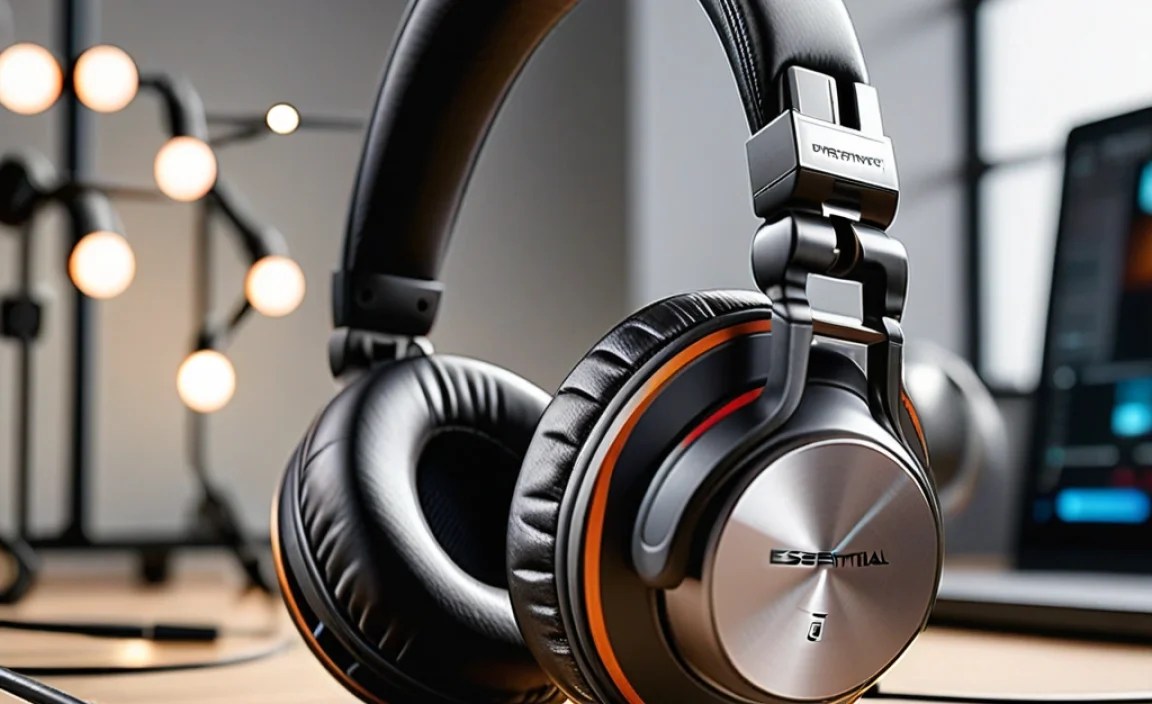
Let’s tailor this a bit further. What are you primarily streaming?
For Music Streaming
If your main focus is enjoying music platforms like Spotify, Apple Music, or tidal, sound quality, clarity, and a good soundstage are paramount. Consider:
- Open-back or Closed-back Over-Ear: These often provide the best audio fidelity and a more immersive listening experience.
- Neutral Sound Profile: Look for headphones that don’t excessively boost bass or treble, allowing you to hear the music as the artist intended.
- High-Resolution Audio Support: If you subscribe to hi-res streaming services, ensure your headphones can handle the detail.
For Podcasts and Audiobooks
Clarity of voice is the most important factor here. You want to hear every word without effort.
- Closed-back Over-Ear or In-Ear: These help minimize distractions from your surroundings.
- Clear Midrange Frequencies: Headphones that excel in reproducing human speech will be ideal.
- Comfort: You might listen for hours, so comfort is a must.
For Video Conferencing and Calls
A clear microphone is non-negotiable. You also want to be able to hear the other party distinctly.
- Headsets with Good Microphones: Look for models specifically marketed for calls or gaming, as they often feature boom mics.
- Noise-canceling microphones: These can help filter out background noise so your voice comes through clearly.
- Comfort: You’ll be wearing them for extended periods.
You can check out resources like the FCC’s page on telecommunications relay services to understand the importance of clear communication technology.
For Gaming and Movies
Immersion is key! You want to hear directional cues, ambient sounds, and impactful effects.
- Good Soundstage and Imaging: This helps you pinpoint where sounds are coming from in games or movies. Open-back headphones often excel here.
- Punchy Bass: For explosions and cinematic moments, a bit of extra bass can be satisfying.
- Low Latency (Wireless): Essential to avoid that jarring desync between visuals and audio.
- Surround Sound Support: Some gaming headsets offer virtual surround sound, which can enhance immersion.
Choosing Your Perfect Pair: A Step-by-Step Approach
Ready to find your ideal streaming companions? Follow these steps:
Step 1: Define Your Budget
Headphones range from under $50 to over $1000. Decide how much you’re comfortable spending. Remember, a higher price doesn’t always mean better for your needs, but it often correlates with better build quality and sound engineering.
Step 2: Identify Your Primary Use Case(s)
Are you mostly listening to music at home, taking calls at the office, or gaming in a shared space? Your primary use will heavily influence the type and features you prioritize.
Step 3: Select the Headphone Type
Based on your use case and comfort preferences, choose between over-ear, on-ear, or in-ear. For general streaming and long listening sessions at home, over-ear is often the most popular. For portability or active use, in-ear might be better.
Step 4: Wired or Wireless?
If freedom of movement is important and you have a compatible device, go wireless. If you prioritize ultimate reliability, zero latency, and no charging worries, wired is the way to go. For wireless, remember to check for low-latency codecs.
Step 5: Consider Noise Isolation/Cancellation
If you’re often in noisy environments or need to focus, active noise cancellation (ANC) is a great feature. If you just need to block out some ambient noise and prefer a more natural sound, good passive noise isolation from well-fitting over-ear or in-ear headphones might suffice.
Step 6: Check for Comfort and Fit
Read reviews specifically mentioning comfort for long wear. If possible, try them on! Pay attention to earcup material, headband padding, and overall weight.
Step 7: Read Reviews and Compare
Once you’ve narrowed down your options, dive into reviews from reputable tech sites and user feedback. Look for consistent praise or criticisms regarding sound quality, comfort, microphone performance, and durability.
Top Features to Look for in Streaming Headphones
Here’s a quick reference table of features to prioritize based on your streaming needs:
| Feature | Music Streaming | Podcasts/Audiobooks | Calls/Conferencing | Gaming/Movies |
|---|---|---|---|---|
| Sound Quality | High Fidelity, Balanced, Wide Soundstage | Clear Midrange, Articulation | Clear Audio Output, Good Mic Clarity | Immersive, Positional Audio, Punchy Bass |
| Comfort | Very High (long sessions) | High (long sessions) | High (long sessions) | High (long sessions) |
| Connectivity | Wired or Wireless (low latency) | Wired or Wireless | Wired or Wireless (check mic quality) | Wireless (Low Latency CRITICAL), Wired |
| Microphone | Optional | Optional | Essential (High Quality) | Good (for comms) |
| Noise Isolation/Cancellation | Optional (ANC for travel) | High (for focus) | High (to reduce distraction) | Optional (can enhance immersion) |
| Durability | High | High | High | High |
Recommended Brands and Entry-Level Picks
While specific model recommendations can change rapidly, here are brands known for producing quality headphones suitable for streaming, with a few general types to consider for beginners:
For Excellent Value & All-Around Performance:
- Audio-Technica: Known for their balanced sound and durable build. Models like the ATH-M40x or ATH-M50x are popular for studio monitoring but translate well to critical listening for streaming.
- Sennheiser: A legendary brand offering clarity and comfort. The HD 599 (open-back) is a fantastic entry into open-back soundstage, while wired HD 280 Pro (closed-back) offers great isolation for the price.
For Comfort & Everyday Use:
- Bose: Famous for comfort and effective noise cancellation. Their QuietComfort line is a benchmark for ANC and comfortable wear, ideal for noisy environments.
- Sony: Offers a wide range, from excellent ANC headphones like the WH-1000XM series to more budget-friendly options with great features. The WH-CH720N is a newer, lighter ANC option.
For Budget-Friendly & Portable:
- JBL: Often provides a fun, energetic sound profile at accessible prices. Their Tune series or Live series wireless headphones are good starting points.
- Anker Soundcore: This brand has gained a reputation for offering surprisingly good sound and features for the money, especially in their true wireless earbuds and budget over-ear models.
Maintaining Your Headphones for Longevity
To ensure your new headphones serve you well for a long time, a little care goes a long way. Think of it as preserving your investment!
- Keep them Clean: Regularly wipe down the earcups and headband with a soft, dry cloth. For tougher grime on leatherette or plastic, use a slightly damp cloth with water (or a mild, approved cleaner if specified
