
Quick Summary: Choosing the right headphones for studio recording is crucial for accurate monitoring. This guide helps beginners understand flat-response headphones, open-back vs. closed-back designs, comfort, and key features to make an informed purchase for clearer mixes and better productions. Get ready to hear your music as it’s truly meant to be heard!
Headphones for Studio Recording: Essential Genius for Every Beginner

Welcome to the exciting world of studio recording! If you’re just starting out, you might be wondering about all those fancy headphones you see in a professional studio. What makes them different from your everyday earbuds? The truth is, selecting the right headphones for studio recording is a game-changer for how you’ll mix and create music. They’re not just for listening; they’re essential tools that help you hear every detail, every nuance, and every potential issue in your audio. By understanding a few key concepts, you can confidently choose a pair that will elevate your sound and make your recording journey much smoother and more rewarding. Let’s dive in and unlock the “genius” behind these critical pieces of gear!
Why Studio Recording Headphones Are Different

The biggest difference between your regular headphones and those designed for studio recording lies in their sound profile. Most consumer headphones are built to make music sound “better” by boosting certain frequencies, like bass or treble. This makes the listening experience more exciting for casual enjoyment. However, this coloration is the enemy of accurate audio work.
Studio recording headphones, on the other hand, aim for a “flat” or “neutral” frequency response. This means they reproduce sound as accurately as possible across the entire audible spectrum (from deep lows to high highs) without adding their own interpretation. Think of it like a pristine mirror reflecting exactly what’s in front of it, rather than a funhouse mirror that distorts the image. This flat response is essential for:
- Accurate Monitoring: You hear your music exactly as it is, allowing you to identify problems like harsh frequencies, muddy bass, or phasing issues that might be masked by consumer headphones.
- Objective Mixing: When you mix with flat-response headphones, you can make decisions about EQ, compression, and levels with confidence. What sounds balanced on these headphones will likely sound good everywhere else – on earbuds, car stereos, or other playback systems.
- Detecting Detail: You can hear the subtle nuances of an instrument, the breath of a vocalist, or the quietest reverb tails, all of which are crucial for a professional-sounding production.
In essence, studio headphones are your trusted advisor. They tell you the “truth” about your audio, enabling you to make informed creative and technical decisions that lead to better-sounding recordings.
The Two Main Types: Open-Back vs. Closed-Back
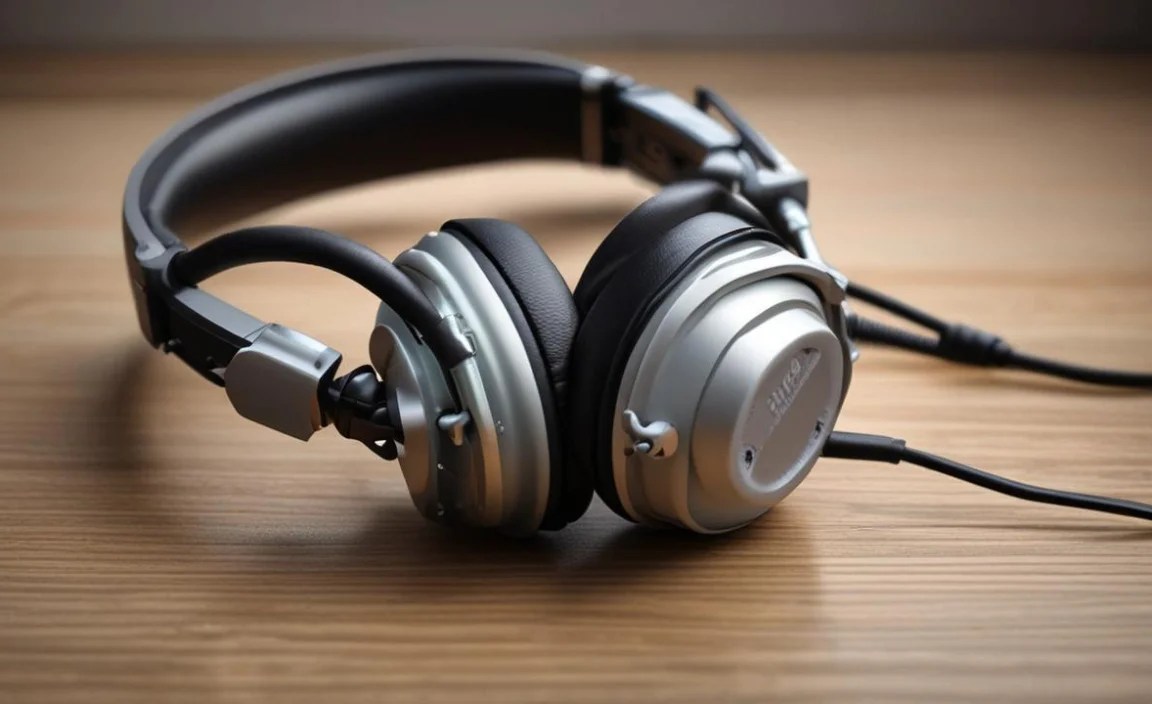
When you start looking at headphones for studio recording, you’ll quickly encounter two primary designs: open-back and closed-back. Each has its own set of advantages and disadvantages, making them suitable for different tasks in the studio.
Open-Back Headphones
Open-back headphones have earcups that are not sealed. You can often see through the back of the earcups, allowing air and sound to pass through. This design has a significant impact on sound quality and how you use them.
Pros of Open-Back Headphones:
- Natural and Spacious Soundstage: The open design allows sound to escape, creating a more natural, airy, and three-dimensional listening experience. It feels less like sound is trapped inside your head and more like you’re listening to speakers.
- Reduced Ear Fatigue: Because sound can escape, they tend to be lighter and less prone to causing ear fatigue, making them comfortable for long mixing sessions.
- Better for Mixing and Mastering: Their natural soundstage makes them excellent for critical listening tasks where you need to perceive fine details and spatial relationships between sounds.
Cons of Open-Back Headphones:
- Sound Leakage: They leak sound both ways. They let ambient noise in, and your music leaks out, which can be picked up by microphones during recording.
- Poor for Recording: Due to sound leakage, they are generally not suitable for recording instruments or vocals if a microphone is also present in the same room, as the headphone audio can bleed into the recording.
- Less Bass Isolation: You won’t get the same level of bass isolation or impact as with closed-back headphones.
Closed-Back Headphones
Closed-back headphones have earcups that are sealed, preventing sound from escaping or entering. This design offers different benefits and drawbacks compared to their open-back counterparts.
Pros of Closed-Back Headphones:
- Excellent Sound Isolation: The sealed design effectively blocks out ambient noise, allowing you to focus on your audio.
- Minimal Sound Leakage: They prevent your headphone audio from bleeding into microphones, making them ideal for tracking (recording) vocals and instruments.
- Enhanced Bass Response: The sealed design often results in a more pronounced and impactful bass response.
Cons of Closed-Back Headphones:
- Less Natural Soundstage: The sound can feel more confined or “in your head” compared to open-back designs. This can sometimes make it harder to judge the stereo image accurately.
- Can Cause Ear Fatigue: The lack of ventilation and potential for pressure can sometimes lead to ear fatigue during extended listening sessions.
- Slightly Less Detail Perception: While good, some audiophiles argue that the soundstage limitations can slightly reduce the perception of subtle details compared to open-backs.
When to Use Which: A Quick Guide
| Task | Recommended Headphone Type | Primary Reason |
| :——————- | :————————- | :——————————————————– |
| Mixing & Mastering | Open-Back | Natural soundstage, detail, reduced fatigue for long sessions |
| Tracking Vocals | Closed-Back | Prevents mic bleed, good isolation from external noise |
| Tracking Instruments| Closed-Back | Prevents mic bleed, isolation for performer’s focus |
| Critical Listening | Open-Back | Detailed sound, spaciousness to judge stereo image |
| Editing Audio | Either (depends on quiet) | If very quiet, open-back for detail; if noisy, closed-back |
Key Features to Look For in Studio Headphones

Beyond the open-back vs. closed-back distinction, several other features are vital for making your studio headphone choice. These can significantly impact comfort, durability, and overall performance.
1. Frequency Response
As we discussed, a flat or neutral frequency response is paramount. Look for headphones that specify this. While perfect flatness is impossible, reputable studio headphones will come very close. Avoid headphones that hype bass or treble. Sometimes manufacturers will provide graphs showing their frequency response; aim for the flattest line you can find.
2. Impedance
Impedance is measured in Ohms (Ω) and refers to the headphone’s resistance to electrical current. This is important because it affects how loud the headphones can get and what kind of audio source you need to drive them properly.
- Low Impedance (16-32 Ohms): These headphones generally require less power and can be driven easily by most devices, including smartphones and laptops. They are often a good choice for portability.
- Medium Impedance (32-80 Ohms): A good middle ground, offering decent volume with most sources, and often a better balance of sound quality than very low impedance, especially when paired with a capable audio interface.
- High Impedance (80 Ohms and above): These headphones typically require a dedicated headphone amplifier to reach optimal listening levels and unlock their full sonic potential. They often offer superior detail and dynamics, but are best suited for studio mixers and dedicated listening setups.
For beginners working with a typical audio interface, headphones in the 32-80 Ohm range are often a sweet spot. If you have a robust headphone amplifier, higher impedance can be a great advantage.
3. Comfort and Fit
You’ll likely be wearing these headphones for hours at a time, so comfort is not a luxury; it’s a necessity. Consider:
- Earcup Material: Velour is breathable and comfortable but can wear out faster. Leather or pleather can be durable but might get warm.
- Headband Padding: Look for plush, well-distributed padding to avoid pressure points on your head.
- Clamping Force: The headphones should feel secure without crushing your head.
- Weight: Lighter headphones are generally more comfortable for long sessions.
4. Durability and Build Quality
Studio gear gets a lot of use. Look for headphones made with robust materials. Metal yokes, sturdy plastic, and well-protected cables are good signs. Many professional headphones also feature detachable cables, which are a lifesaver if the cable gets damaged – you can simply replace it.
5. Cable Type and Length
Studio headphones often come with either straight or coiled cables. Coiled cables can be great for keeping extra slack off your desk but can also have a bit of pull. Straight cables are straightforward. Ensure the cable is long enough to give you freedom of movement around your workstation, typically 3 meters (10 feet) or more.
How to Test Headphones (Even if You Can’t Be in a Store)

The ideal scenario is to try headphones on before buying. However, that’s not always possible, especially when shopping online. Here’s how to do it smartly:
1. Read Reviews from Trusted Sources
Seek out reviews from reputable audio websites and magazines. Look for reviewers who share your goals (e.g., mixing, vocal tracking) and who test headphones rigorously. Websites like Rtings.com offer in-depth, objective measurements, while publications like Sound On Sound provide expert editorial reviews focused on practical studio use.
2. Listen to Familiar Music
When you do get your hands on a pair, or if you’re lucky enough to test them in a store, listen to music you know intimately – tracks you’ve mixed yourself, or songs you’ve listened to thousands of times on different systems. This helps you identify how a new pair reveals detail or alters familiar sounds.
3. Check Specifications
As mentioned, pay attention to frequency response, impedance, and sensitivity. These technical details can give you a good indication of a headphone’s intended purpose and performance characteristics.
4. Consider the “Burn-In” Myth
You might hear about “burn-in” – the idea that headphones need to be played for many hours to reach their optimal sound. While some argue for subtle changes, most reputable sources and manufacturers agree that the primary “burn-in” is psychological: your ears get used to the new sound. Don’t let this deter you; listen with them and judge their sound fresh.
Step-by-Step Guide to Choosing Your First Studio Headphones
Ready to make a purchase? Follow these steps:
Step 1: Define Your Primary Studio Use
Are you mainly going to be mixing and mastering? Or will you be tracking vocals and instruments? This is the most crucial question.
- For Mixing/Mastering: Prioritize open-back headphones for their detailed and natural soundstage to help you make critical sonic decisions.
- For Tracking: Prioritize closed-back headphones for their isolation to prevent mic bleed and allow the performer to hear themselves clearly without interfering with the recording.
If you do both, you might eventually want a pair of each, but for a first purchase, try to focus on your most frequent task.
Step 2: Set Your Budget
Studio headphones range from under $100 to well over $1000. For beginners, excellent options exist in the $100–$300 range. Don’t feel pressured to buy the most expensive pair; often, mid-range options offer the best value for starting out.
Step 3: Research Recommended Models within Your Budget and Type
Based on Step 1 and Step 2, start researching specific models. Some popular and well-regarded headphones for beginners include:
- For Open-Back (Mixing): Beyerdynamic DT 990 Pro (often considered semi-open), Sennheiser HD 599 SE, Audio-Technica ATH-AD700X.
- For Closed-Back (Tracking/Isolation): Audio-Technica ATH-M50x, Beyerdynamic DT 770 Pro, Shure SRH840A.
These are just starting points; there are many fantastic choices. Look at reviews for these and compare them.
Step 4: Check Critical Specifications
Ensure the headphones you’re considering have a reputation for a flat-ish frequency response. For impedance, if you’re using a standard audio interface (like Focusrite Scarlett, PreSonus AudioBox, etc.), headphones in the 32-80 Ohm range are usually best. If you plan to use your computer’s headphone jack directly, sticking to lower impedance (under 50 Ohms) might be safer for volume.
Step 5: Prioritize Comfort and Build Quality
Read what reviewers say about comfort for long sessions. Look for models known for solid construction. If you can, find images or videos that show the materials used. Detachable cables are a big plus for longevity.
Step 6: Make Your Purchase and Test Them Out!
Once you’ve made your choice, trust your ears! Listen critically, and remember that it takes time to get used to new headphones. Compare them to your old headphones (if you have them) and see how your mixes translate.
A Table of Popular Beginner Studio Headphones
Here’s a quick look at some widely recommended models in each category. Prices can vary, and availability changes.
| Model Name | Type (Open/Closed) | Typical Impedance (Ohms) | Key Strengths | Consider If… |
|---|---|---|---|---|
| Audio-Technica ATH-M50x | Closed-Back | 38 | Excellent detail, powerful bass, good isolation, durable, foldable | You need versatile headphones for tracking and general mixing, prioritizing a lively sound. |
| Beyerdynamic DT 770 Pro | Closed-Back | 80 (also 32 and 250 Ohm versions exist) | Very comfortable, great isolation, good bass punch, built like a tank | You’re tracking and need maximum isolation and comfort for long sessions. Handles high SPL well. (80 Ohm version is a good all-rounder for interfaces). |
| Sennheiser HD 300 Pro | Closed-Back | 64 | Neutral, detailed sound, very comfortable, good environmental noise attenuation | You need precise, neutral sound for critical listening and tracking in less than ideal environments. |
| Beyerdynamic DT 990 Pro | Semi-Open | 250 (also 80 and 32 Ohm versions exist) | Spacious soundstage (for semi-open), clear highs, comfortable | You lean towards mixing and enjoy a wider sound, and don’t need perfect isolation. (80 Ohm is good for interfaces, 250 Ohm benefits from an amp). |
| Audio-Technica ATH-AD700X | Open-Back | 50 | Very open and airy sound, good for spatial awareness, lightweight | You are mixing primarily and want an immersive, natural listening experience without ear fatigue. |
Note: Impedance figures can vary slightly by revision and are often available in multiple versions for a single model.
Common Pitfalls to Avoid
Even with the best intentions, beginners can fall into a few traps. Be aware of these:
- Buying “Gaming” or “DJ” Headphones Solely: While some DJ headphones can be decent for monitoring, gaming headsets are almost always tuned for excitement, not accuracy, with boosted bass and hyped treble.
- Assuming Expensive = Best: The most expensive headphones aren’t always the best for your* specific needs. Focus on the features and sound profile that match your workflow.
- Ignoring Comfort: If headphones hurt your ears or head after 30 minutes, you won’t be able to work effectively. Don’t compromise on comfort.
- Over-Reliance on Bass: Many consumer headphones have exaggerated bass. While bass is crucial in a mix, being able to hear it accurately without being overpowering is key. Studio headphones reveal this balance.
- Not Considering Your Audio Interface: If your audio interface has a
