
Quick Summary: Taking your infant to a concert? Protect their delicate hearing with specialized infant headphones designed for loud environments. This guide explains why they’re crucial, how to choose the right pair, and tips for a safe and enjoyable concert experience for your little one.
Infant Headphones for Concerts: Essential Protection for Little Ears
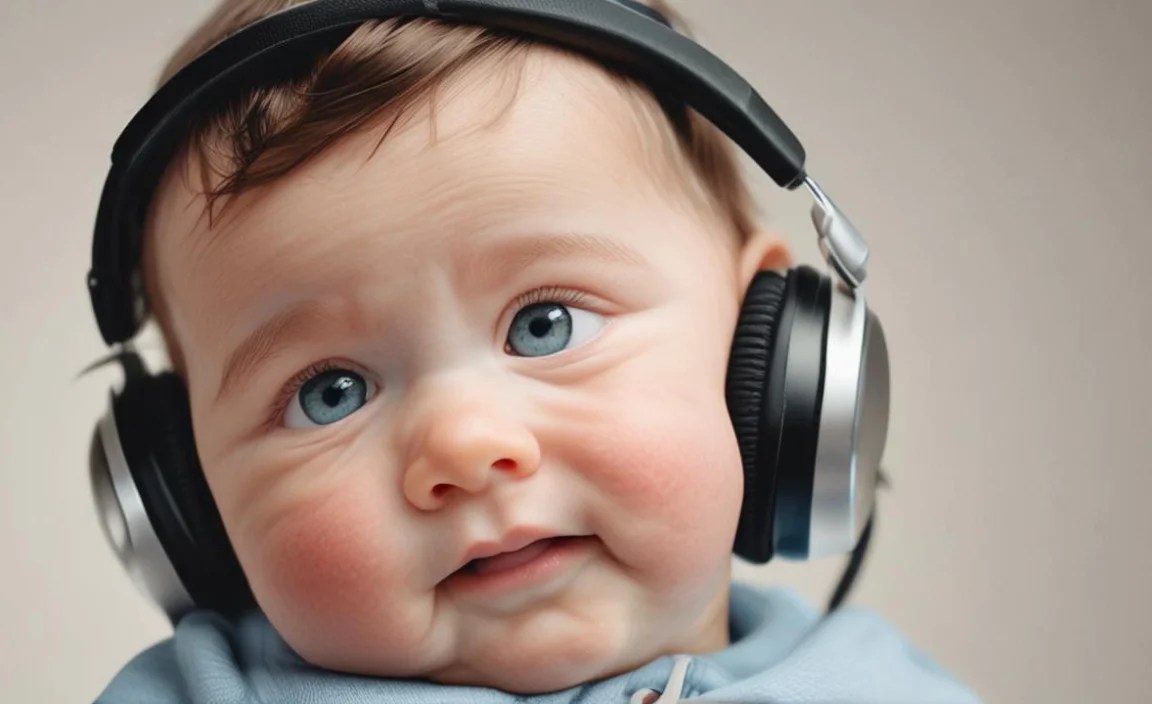
The thrill of live music is infectious, and many parents wonder if they can share this joy with their youngest family members. While the idea of a concert with a baby might seem daunting due to the noise levels, it’s certainly possible with the right precautions. The most critical piece of gear you’ll need is a good pair of infant headphones for concerts. These aren’t just accessories; they are essential tools to safeguard your baby’s hearing against the potentially damaging decibels of live performances. Let’s dive into why these headphones are a must-have and how to pick the perfect ones.
Why Are Infant Headphones Essential for Concerts?

Babies and young children have incredibly sensitive hearing. Their ear canals are smaller, and their auditory systems are still developing, making them far more vulnerable to noise-induced hearing loss than adults. Concerts can reach sound pressure levels (SPLs) well above safe limits for developing ears. According to the National Institute on Deafness and Other Communication Disorders (NIDCD), prolonged exposure to sounds above 85 decibels (dB) can cause permanent hearing damage. Many concert venues easily exceed this threshold, often reaching 100-115 dB or more. Infant headphones are specifically designed to reduce these dangerous sound levels to a safe range, typically around 20-25 dB of noise reduction.
Imagine the sound waves hitting those tiny eardrums. Without protection, these powerful sound waves can damage the delicate hair cells in the inner ear. These cells are responsible for transmitting sound signals to the brain, and once they are damaged, they don’t grow back. This can lead to temporary or permanent hearing loss, tinnitus (ringing in the ears), and hyperacusis (increased sensitivity to sound). By using infant headphones, you’re creating a crucial buffer, allowing your baby to experience the music without the risk of auditory injury.
What to Look for in Infant Headphones for Concerts

Choosing the right infant headphones involves considering several key factors to ensure both safety and comfort. It’s not just about blocking noise; it’s about providing a secure, comfortable fit that your baby will tolerate.
Noise Reduction Rating (NRR)
The most important specification is the Noise Reduction Rating (NRR), often measured in decibels (dB). Look for headphones designed for very loud environments, with an NRR of at least 20-25 dB. This indicates how much the headphones can reduce the overall sound level. Some specialized infant earmuffs can offer even higher NRR, which can be beneficial if you know the concert will be exceptionally loud.
Comfort and Fit
A snug but gentle fit is paramount. The headphones should cover the entire ear without exerting too much pressure.
- Adjustable Headband: This allows you to customize the fit as your baby grows or for a perfect seal.
- Padded Earcups: Soft, breathable padding ensures comfort, especially during extended wear.
- Lightweight Design: Heavy headphones can be uncomfortable and may be quickly rejected by your baby.
- Secure Fit: Ensure they don’t slip or fall off easily, especially if your baby moves around.
Material and Safety
Consider the materials used. They should be hypoallergenic and free from any small, detachable parts that could be a choking hazard. The construction should be durable enough to withstand a baby’s handling.
Ease of Use
Putting on and taking off the headphones should be straightforward. You don’t want to struggle with them while also trying to manage a potentially fussy baby in a crowded environment.
Portability
If the headphones come with a carrying case or can fold up easily, it adds to their convenience for transporting to and from events.
Top Features of Infant Headphones for Loud Events

When comparing different models, keep an eye out for specific features that enhance their suitability for concerts:
- Adjustable Size: Allows for a snug fit around the baby’s head, creating a better seal to block out more noise.
- Soft Cushioning: Prevents discomfort and irritation against the baby’s sensitive skin.
- Durable Construction: Built to withstand active babies and frequent use.
- High NRR: A minimum of 20 dB noise reduction is recommended for concert environments.
- Lightweight Build: Ensures the baby can wear them for longer periods without feeling weighed down.
- Hypoallergenic Materials: Important for preventing skin reactions.
How to Choose the Best Infant Headphones: A Comparison

To help you navigate the options, here’s a look at some common types and their suitability for concerts:
| Type of Headphone | Pros for Concerts | Cons for Concerts | Recommended NRR Range |
|---|---|---|---|
| Infant Earmuffs (often adjustable headband) | Excellent noise reduction, specifically designed for babies, comfortable padding. | Can be bulkier than other options. | 20-30 dB |
| Toddler/Youth Earmuffs (smaller versions) | Good noise reduction, often a comfortable fit for older infants/young toddlers. | May be too large for very young infants, potential for earcups to be too deep. | 20-30 dB |
| Over-Ear Headphones (designed for babies) | Often very soft and comfortable, good seal if designed correctly. | Noise reduction can vary greatly; some are designed for blocking ambient noise, not high SPLs. Ensure they are specifically rated for noise reduction in loud environments. | 15-25 dB (verify specifically for loud noise reduction) |
| In-Ear Earplugs (for infants) | Extremely discreet and lightweight. | Difficult to fit properly in infants, higher risk of being dislodged or inserted too deeply, can be difficult to get a good seal, and most are not recommended for this age group due to insertion risks. | Varies widely. Not generally recommended for infants at concerts. |
For concerts, specialized infant earmuffs designed for noise reduction are generally the safest and most effective choice. Brands like Alpine, Baby Banz, and Loop offer dedicated products for this purpose.
Steps to Safely Introduce and Use Infant Headphones at a Concert

Getting your baby to wear headphones at a concert might require a little preparation. Here’s a step-by-step guide to make the process as smooth as possible:
- Introduce Them at Home: Before the concert, let your baby get used to wearing the headphones in a quiet environment. Put them on for short periods while they are playing or being fed. Associate them with positive experiences.
- Start Gradual Exposure: If possible, simulate a slightly louder environment at home with music playing. Then, gradually increase the volume while they wear the headphones.
- Ensure a Proper Fit: Before heading to the venue, make sure the headphones are adjusted correctly and comfortably. The earcups should fully enclose the ears, and the headband should be snug but not tight. A good seal is crucial for effective noise reduction.
- Apply Before Arriving: Put the headphones on your baby before you enter the venue or get close to the stage. This way, they won’t be startled by a sudden blast of loud sound.
- Monitor Your Baby’s Comfort: Throughout the concert, regularly check in with your baby. If they seem distressed, try to remove them from the loudest areas or consider leaving if they are truly unhappy.
- Take Frequent Breaks: Even with headphones, it’s a good idea to step away from the main stage area for short breaks. This gives their ears a rest and allows them to experience different sound levels.
- Keep an Eye on Temperature: Earmuffs can generate heat. Ensure your baby doesn’t overheat by dressing them appropriately and keeping them hydrated.
- Never Remove During Loud Music: Once the music is loud, do not remove the headphones, even for a moment, as this is when their ears are most vulnerable.
Tips for a Successful Concert Experience with Your Infant

Beyond just the headphones, a few extra preparations can significantly enhance your baby’s first concert experience:
- Choose Your Seats Wisely: Opt for seats further back from the stage and speakers, or consider a more secluded area if available. The further you are from the sound source, the lower the dB level.
- Attend During Quieter Sets: If possible, aim for opening acts or less intense musical genres earlier in the day.
- Pack Smart: Bring your regular diaper bag essentials, plus a favorite comfort item for your baby, and extra layers of clothing.
- Be Prepared to Leave: Understand that even with precautions, your baby might not enjoy the experience. Have a plan to leave if your baby becomes overly distressed or overwhelmed. It’s better to cut the outing short than to push them through an unhappy time.
- Comfort is Key: Ensure your baby is well-rested and fed before the concert. A tired or hungry baby is more likely to be fussy in any environment, let alone a loud concert.
Understanding Decibels and Hearing Safety
The decibel (dB) scale is logarithmic, meaning a small increase in dB represents a significant increase in sound intensity. For example, a sound at 90 dB is ten times more intense than a sound at 80 dB, and 100 dB is one hundred times more intense. This is why even seemingly small increases in volume can have a much larger impact on hearing damage.
According to the Occupational Safety and Health Administration (OSHA), exposure to sounds above 85 dB can cause damage over time. The duration of exposure is critical. While a very brief exposure to a loud sound might not cause immediate harm, prolonged exposure to moderately loud sounds can be just as damaging. Concerts often involve both high peak volumes and extended periods of loud music, making protection absolutely essential for everyone, especially infants.
Safe Listening Levels (General Guidelines):
- 0-60 dB: Normal conversation level, perfectly safe.
- 60-70 dB: Light traffic, generally safe for extended periods.
- 70-85 dB: Vacuum cleaner, lawnmower. Extended exposure may start to cause fatigue.
- 85+ dB: Loud car horn, motorcycle, concert. Prolonged exposure can cause permanent hearing damage.
- 100+ dB: Rock concert, siren. Damage can occur in minutes.
Infant headphones aim to bring the perceived dB level down to a safer range, allowing your baby to be present without enduring the full impact of the sound. A headphone set with an NRR of 25 dB would theoretically turn a 100 dB concert into a 75 dB experience for your baby, which is within much safer limits.
Frequently Asked Questions (FAQ)
Q1: Are infant headphones really necessary for a concert?
Yes, absolutely. Babies’ ears are much more sensitive and vulnerable to noise damage than adult ears. Concerts can reach dangerously high decibel levels that can cause permanent hearing loss. Infant headphones are designed to significantly reduce these sound levels to protect their developing hearing.
Q2: How do I know if the infant headphones are blocking enough sound?
Look for the Noise Reduction Rating (NRR) on the packaging. For concerts, aim for an NRR of at least 20-25 dB. This rating tells you how many decibels the headphones can reduce sound by. Also, ensure they create a good seal around your baby’s ears – this is key to effective noise blocking.
Q3: Will my baby tolerate wearing headphones?
It can be hit or miss with babies. The best approach is to introduce the headphones at home in a positive way before the concert. Let them get used to the feel and associate them with enjoyable activities. If your baby is very sensitive, you might need to work with them over several days.
Q4: Can I use regular adult noise-canceling headphones for my baby?
Generally, no. Adult noise-canceling headphones are designed differently and may not offer the same level of passive noise blocking or the specific fit needed for infants. Infant-specific earmuffs provide focused hearing protection for the smallest ears and are designed to be safe and comfortable.
Q5: How loud is too loud for a baby at a concert?
Any sound consistently above 85 decibels can be harmful with prolonged exposure. Concerts often peak much higher than this. Infant headphones are crucial to bring these levels down to a safe range, typically below 70-75 dB.
Q6: What if my baby starts crying or seems uncomfortable even with headphones?
This is the most important signal. If your baby is distressed, no matter the precautions, it means the environment is overwhelming for them. It’s best to step away from the loud area, try to soothe them elsewhere, or leave the venue entirely. Protecting their well-being and comfort comes first.
Conclusion
Taking your infant to a concert can be a memorable experience for the whole family, creating early positive associations with music and live events. However, the paramount concern must always be your baby’s safety and comfort. By investing in a quality pair of infant headphones designed for loud environments, you are taking a crucial step in protecting their delicate auditory system from potential harm. Remember to choose headphones with a sufficient Noise Reduction Rating, ensure a comfortable and secure fit, and introduce them gradually to your baby. With the right preparation and these essential protective measures in place, you can confidently share the magic of live music with your little one, ensuring it’s a joyous occasion for everyone involved.
