
Quick Summary: Traveling by plane can be noisy. Noise-canceling headphones for airplanes block out engine hum and cabin chatter, making your journey more relaxing and enjoyable. This guide helps you choose the best pair for your needs, focusing on comfort, sound quality, and effective noise cancellation.
Noise Canceling Headphones for Airplanes: Your Essential Guide to Peaceful Flights
Ah, air travel! The thrill of a new destination often comes with a soundtrack of airplane engines, crying babies, and constant announcements. For many of us, this cacophony can turn a relaxing journey into a tiring ordeal. But what if you could significantly reduce that background noise? Enter noise-canceling headphones for airplanes. These aren’t just for music lovers; they’re a secret weapon for anyone seeking peace and quiet at 30,000 feet. In this guide, we’ll break down what makes a pair of headphones great for flying and how to pick the perfect set to transform your next trip. Say goodbye to travel fatigue and hello to tranquility!
Why Noise-Canceling Headphones are a Flight Game-Changer

Flying can expose you to significant noise levels. The constant drone of engines, the hiss of air conditioning, and the general chatter of passengers can be more than just annoying – prolonged exposure to loud noise can impact your hearing. The Occupational Safety and Health Administration (OSHA) notes that consistent noise above 85 decibels can cause hearing damage over time, and airplane cabin noise can regularly exceed this threshold, especially during takeoff and landing. Noise-canceling headphones actively combat this by using technology to neutralize ambient sound, creating a much quieter environment. This means:
- Reduced Fatigue: Less noise means your brain doesn’t have to work as hard to process information, leading to less mental exhaustion during your flight.
- Improved Sleep: Blocking out disruptive sounds can make it much easier to fall asleep or rest, especially on long-haul flights.
- Enhanced Entertainment: Enjoy your movies, music, or podcasts at a lower, safer volume without competing with engine noise.
- Stress Reduction: A quieter cabin can lead to a more calming and less stressful travel experience.
Understanding Noise Cancellation Technology
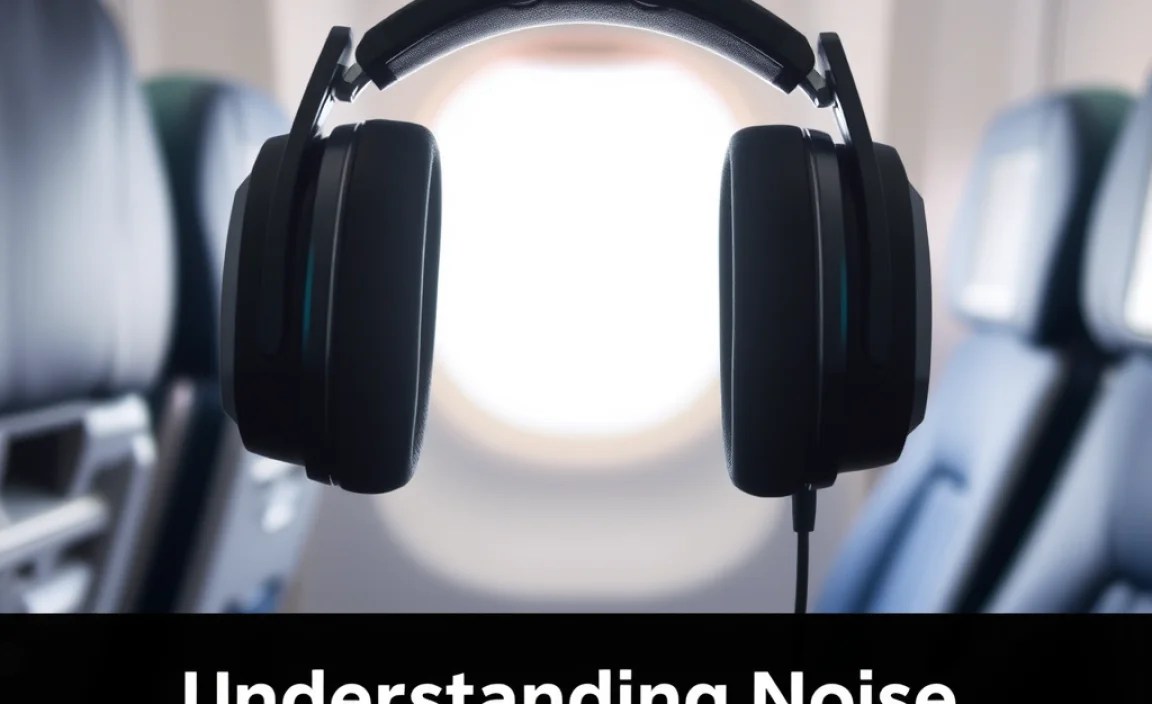
There are two main types of noise-canceling technology: passive and active. Understanding the difference is key to choosing the right headphones for your needs on a plane.
Passive Noise Cancellation (Isolation)
Passive noise cancellation, also known as acoustic isolation, works by physically blocking sound from entering your ears. Think of it like wearing earplugs. The effectiveness of passive noise cancellation depends on the headphones’ design, particularly the materials used for the earcups and how well they create a seal around your ears.
- How it works: Thick, dense earcups and a snug fit create a barrier against external sound.
- Pros: Simple, doesn’t require batteries, effective against mid-to-high frequency sounds (like voices).
- Cons: Less effective against low-frequency, constant noise like engine drones.
Active Noise Cancellation (ANC)
Active Noise Cancellation (ANC) is where the real magic happens for airplane travel. It uses tiny microphones to detect ambient sound and then generates an “anti-noise” soundwave that cancels out the disruptive noise. It’s like having a personal sound bubble.
- How it works: Microphones pick up outside noise, and internal circuitry creates an opposite soundwave to cancel it out.
- Pros: Highly effective against low-frequency, consistent sounds like engine hum, which is prevalent on planes.
- Cons: Requires power (batteries or charging), can sometimes add a slight hiss or pressure sensation for some users, might not cancel out sudden or high-pitched noises as effectively as continuous drones.
For airplane travel, headphones with good Active Noise Cancellation are generally preferred due to their ability to significantly reduce the persistent engine noise. Many of the best airplane headphones combine both passive and active noise cancellation for maximum effect.
Key Features to Look for in Airplane Headphones

When you’re browsing for noise-canceling headphones specifically for flights, a few features stand out as particularly important. Let’s break them down:
1. Noise Cancellation Effectiveness
This is the star of the show. Look for reviews and specifications that specifically mention how well the headphones perform against low-frequency, continuous noise. Some headphones offer adjustable ANC levels, which can be useful in different environments.
2. Comfort for Long Wear
You’ll likely be wearing these for several hours, so comfort is paramount. Consider:
- Earcups: Are they plush, soft, and breathable? Do they fit completely over your ears (circumaural) or sit on them (supra-aural)? Over-ear designs are usually more comfortable for long periods and offer better passive isolation.
- Headband: Is it well-padded and adjustable? Does it clamp too tightly, causing headaches?
- Weight: Lighter headphones are generally more comfortable for extended use.
3. Battery Life
For long flights, battery life is crucial. Many ANC headphones offer 20-30 hours or more on a single charge, often with ANC enabled. Some also have quick-charge features or the ability to work passively (without ANC) even when the battery is dead, which is a lifesaver if you forget to charge them.
4. Sound Quality
While noise cancellation is key, you still want your music, podcasts, or movies to sound good! Look for balanced audio profiles. Some people prefer slightly warmer tones for relaxing, while others like a more neutral sound. Reading reviews that focus on audio performance can help.
5. Portability and Design
Consider how the headphones fold and whether they come with a sturdy carrying case. A compact, foldable design with a protective case is ideal for stowing away in your carry-on bag.
6. Connectivity Options
- Bluetooth: Wireless convenience is a big plus. Look for stable Bluetooth versions (like 5.0 or higher) and support for multipoint pairing (connecting to two devices at once, e.g., your phone and laptop).
- Wired Option: Even with Bluetooth, a headphone jack and included audio cable are essential. Many in-flight entertainment systems still use older headphone jacks, and it’s a lifesaver if your headphone battery dies.
7. Durability
Travel gear gets thrown around. Look for headphones made with robust materials that can withstand the rigors of transit.
Top Noise-Canceling Headphones for Airplanes: A Comparison
Choosing the right pair can feel overwhelming with so many options. Here’s a look at some popular and highly-regarded noise-canceling headphones, categorized by their strengths for air travel. Keep in mind that models update frequently, so always check for the latest versions!
| Model (Example) | Key Strengths for Air Travel | Considerations | Typical Battery Life (ANC On) |
|---|---|---|---|
| Sony WH-1000XM Series (e.g., XM5) | Industry-leading ANC, exceptional comfort, great sound quality, long battery life. Multipoint Bluetooth. | Premium pricing. | ~30 hours |
| Bose QuietComfort Series (e.g., QC Ultra) | Renowned for comfort and top-tier ANC performance, balanced sound. | Can be pricier, some users find Sony’s ANC slightly more effective on very low frequencies. | ~24-30 hours |
| Sennheiser Momentum Series (e.g., Momentum 4) | Excellent sound quality, very long battery life, good ANC, comfortable. | ANC might be a notch below Sony/Bose for some, can be a bit bulkier. | ~60 hours |
| Apple AirPods Max | Superb ANC, seamless Apple ecosystem integration, premium build and sound. | Very expensive, heavy, only shines fully within the Apple ecosystem. No wired option without an adapter. | ~20 hours |
| Anker Soundcore Series (e.g., Q30/Q35) | Excellent value for money, good ANC for the price, long battery life. | Sound quality and ANC not as refined as premium models, build quality is decent but less luxurious. | ~40-60 hours |
This table provides a snapshot. Remember to always read recent reviews for the most up-to-date information on performance and features.
How to Maximize Your Noise-Canceling Headphones on a Flight
You’ve got your awesome new headphones, but how do you make sure they perform their best during your flight? Here’s a simple checklist:
Step 1: Charge Them Fully
Don’t let a dead battery ruin your peace. Charge your headphones the night before your flight. Most modern ANC headphones offer impressive battery life, but it’s always best to start with 100%.
Step 2: Pack Them Safely
Use the included carrying case to protect your headphones from scratches and damage in your carry-on or checked luggage. Keep them easily accessible for when you board.
Step 3: Connect Before Takeoff
Wired Connection: Many people prefer to use the wired connection for the flight entertainment system. Plug the audio cable into your headphones and the airplane’s jack. You can then decide whether to use ANC.
Bluetooth Connection: If your headphones support it and the airline allows it during taxiing and takeoff, connect them to your phone or tablet. For in-flight entertainment systems, Bluetooth connectivity can be hit-or-miss depending on the aircraft. Many systems still rely solely on wired connections. Always have that audio cable handy!
Tip: Check your airline’s policy on electronic devices during takeoff and landing. Generally, headphones (wired or Bluetooth) are allowed once the seatbelt sign is off.
Step 4: Activate Noise Cancellation
Once you’re at cruising altitude and the engine noise becomes constant, turn on the ANC. You should immediately notice a significant reduction in the engine drone. Experiment with different ANC modes if your headphones offer them (e.g., full ANC, transparency mode to hear announcements).
Step 5: Adjust the Fit
Make sure the earcups are creating a good seal around your ears. If you’re wearing glasses, they can sometimes break the seal and reduce the effectiveness of both passive and active noise cancellation. Try adjusting your glasses or the headphone position to minimize this.
Step 6: Set Your Volume
With ANC doing its job, you can enjoy your audio at much lower, safer volumes. Aim for a level that allows you to hear your audio clearly without being overly loud. The World Health Organization (WHO) recommends keeping listening volumes below 85 decibels for extended periods to protect your hearing.
Step 7: Be Aware of Announcements
While ANC is fantastic for blocking noise, it can also block important announcements. Most ANC headphones have a “transparency” or “ambient sound” mode that lets you hear your surroundings without taking the headphones off. Use this feature when you need to be aware of pilot or crew communications.
Are Noise-Canceling Headphones Safe for Your Ears?
This is a common concern, and the answer is generally yes, especially when used correctly. Here’s why:
- Lower Listening Volumes: The primary benefit for ear health on a plane comes from the fact that ANC allows you to listen to your audio at much lower comfortable volumes. Without ANC, you’d crank up the volume to overcome the engine noise, which is far more damaging to your hearing.
- Reduced Environmental Noise: Even if you’re not listening to anything, wearing noise-canceling headphones can reduce your exposure to the constant, albeit moderate, noise of the airplane cabin, which is beneficial.
- Proper Fit: As mentioned, ensure a good seal for passive isolation and a comfortable fit to avoid pressure or pain.
For more information on safe listening levels and noise exposure, you can refer to resources like the Centers for Disease Control and Prevention (CDC) on hearing loss.
Choosing Between Over-Ear, On-Ear, and In-Ear for Travel
The form factor of your headphones plays a significant role in comfort and noise cancellation effectiveness.
- Over-Ear (Circumaural): These are the most popular for ANC travel headphones. The earcups completely enclose your ears, providing excellent passive isolation and space for larger drivers and ANC technology. They are generally the most comfortable for long durations.
- On-Ear (Supra-aural): These rest on your ears. They are often more compact than over-ear models but can cause discomfort or pressure on the ears after extended use. Their passive isolation is typically less effective than over-ear designs.
- In-Ear (Earbuds): True wireless earbuds with ANC can be very convenient and portable. Their effectiveness in blocking engine noise can vary. A good seal with the ear tips is crucial for both passive isolation and ANC performance. Some users find them less comfortable for sleeping in than over-ear models.
For the best combination of comfort, noise cancellation, and battery life on an airplane, over-ear ANC headphones are usually the top recommendation.
Common FAQs About Noise Canceling Headphones for Airplanes
Q1: Do I really need noise-canceling headphones for a short flight?
While the benefits are most pronounced on longer flights, even a short flight can be made more pleasant with ANC. It helps reduce the initial stress of boarding and taxiing, and the engine noise during climb and descent can be quite loud. If you’re sensitive to noise or want to relax, they can be worth it even for shorter trips.
Q2: Can airplane entertainment systems connect to Bluetooth headphones?
It varies greatly by airline and aircraft model. Many newer systems support Bluetooth, allowing you to connect wirelessly. However, older systems, or those requiring a specific codec, might not. It’s always wise to have a backup audio cable and an adapter (if your headphones don’t come with one) for wired connections.
Q3: Will noise-canceling headphones affect my ears or cause a headache due to pressure?
Some people are sensitive to the “pressure” sensation that ANC can sometimes create. Modern ANC technology has improved significantly, and many users don’t experience this. If it’s a concern, look for headphones with adjustable ANC levels or try models known for a more subtle ANC effect. A good, comfortable fit is crucial to avoid pressure headaches.
Q4: How do I clean my noise-canceling headphones?
Always follow the manufacturer’s instructions. Generally, you can wipe the exterior with a slightly damp, soft cloth. For the earcups, you can use a dry cloth or a very mild, diluted soap solution applied to the cloth
