
Quick Summary: Discover how noise-canceling headphones can transform your flying experience. This guide simplifies choosing the right pair, understanding the technology, and using them effectively to minimize cabin noise, enhance comfort, and enjoy your journey. Perfect for novice travelers seeking peace in the skies.
Noise Canceling Headphones for Flights: Your Essential Guide to a Peaceful Journey
Hi everyone, Edward Cavitt here from headphonehorizon! If the thought of your next flight fills you with dread, not because of delays, but because of the relentless drone of the engines, crying babies, and general cabin chatter, I’ve got some good news. Investing in a pair of noise-canceling headphones for flights can be a genuine game-changer. These aren’t just for music lovers; they’re an essential tool for anyone seeking a more peaceful and comfortable travel experience. Let’s dive into how to pick the perfect pair and make your next flight feel like a first-class upgrade, no matter your seat assignment.
Why Noise Canceling Headphones Are a Flight Must-Have

The cabin of an airplane is a symphony of low-frequency hums and unexpected noises. This constant auditory bombardment can be incredibly fatiguing, leading to stress, difficulty sleeping, and even headaches. Active Noise Cancellation (ANC) technology is specifically designed to combat these ambient sounds. By emitting an ‘anti-noise’ soundwave that cancels out the incoming noise, ANC creates a quieter, more serene environment. This means:
- Reduced Fatigue: Less constant noise means your brain doesn’t have to work as hard to filter it out, leaving you feeling more refreshed.
- Improved Sleep: Blocking out the rumble of engines and cabin noise makes it much easier to catch some sleep.
- Enhanced Enjoyment: Whether it’s a movie, podcast, or your favorite playlist, your audio will sound clearer and more immersive without the background din.
- Stress Reduction: A calmer auditory environment can significantly lower travel-related stress and anxiety.
Understanding Active Noise Cancellation (ANC)
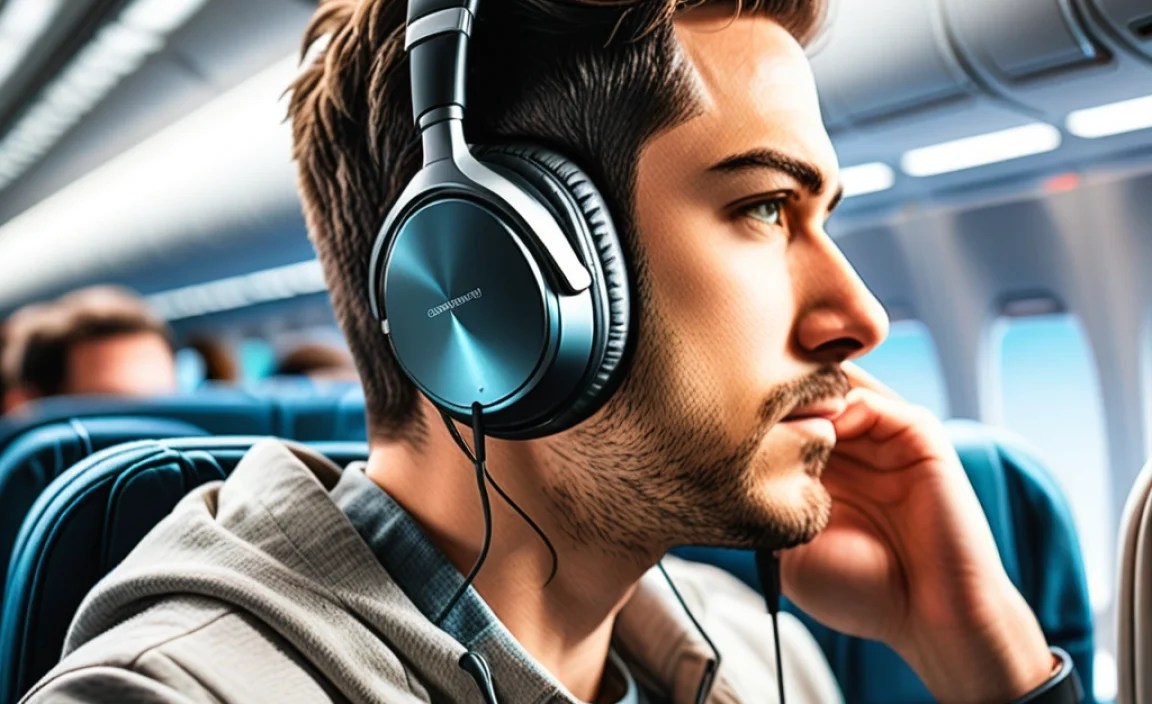
Active Noise Cancellation might sound like magic, but it’s based on a scientific principle called destructive interference. Here’s how it works:
- Microphones Listen: Tiny microphones on the outside of your headphones detect ambient sounds, like the engine noise.
- Analyze Frequencies: A special chip inside the headphones analyzes the incoming sound waves.
- Generate Anti-Noise: The chip then creates an inverted sound wave – essentially, the exact opposite of the ambient noise.
- Cancel Out Sound: When the original sound wave and the anti-noise wave meet in your ear, they cancel each other out, significantly reducing the perceived noise.
It’s important to note that ANC is most effective against constant, low-frequency sounds, such as the drone of an airplane engine or the hum of a train. It’s less effective against sudden, sharp noises like a baby crying or someone talking directly to you, though it can still dampen those sounds. For more on the science behind sound, you can explore resources from institutions like the NASA, which delves into sound waves.
Types of Noise Canceling Headphones

When choosing noise-canceling headphones for flights, you’ll generally encounter three main types, each with its own pros and cons:
1. Over-Ear Headphones
These are the largest type, with earcups that completely enclose your ears. They typically offer the best ANC performance and comfort for long listening sessions but are also the bulkiest. They provide a good seal, which passively blocks out sound even before the ANC kicks in.
2. On-Ear Headphones
These have earcups that rest directly on your ears. They are more compact than over-ear models but may not offer as strong a passive seal, potentially leading to slightly less effective noise isolation. Comfort can also be an issue for some during very long flights.
3. In-Ear Earbuds (True Wireless or Neckband)
These small earbuds sit inside your ear canal. When they have a good seal, they can offer surprisingly effective passive noise isolation. Many true wireless earbuds now come with excellent ANC capabilities. They are the most portable option, making them ideal for travel, but some users find they can be less comfortable for extended wear than over-ear designs.
Key Features to Look For
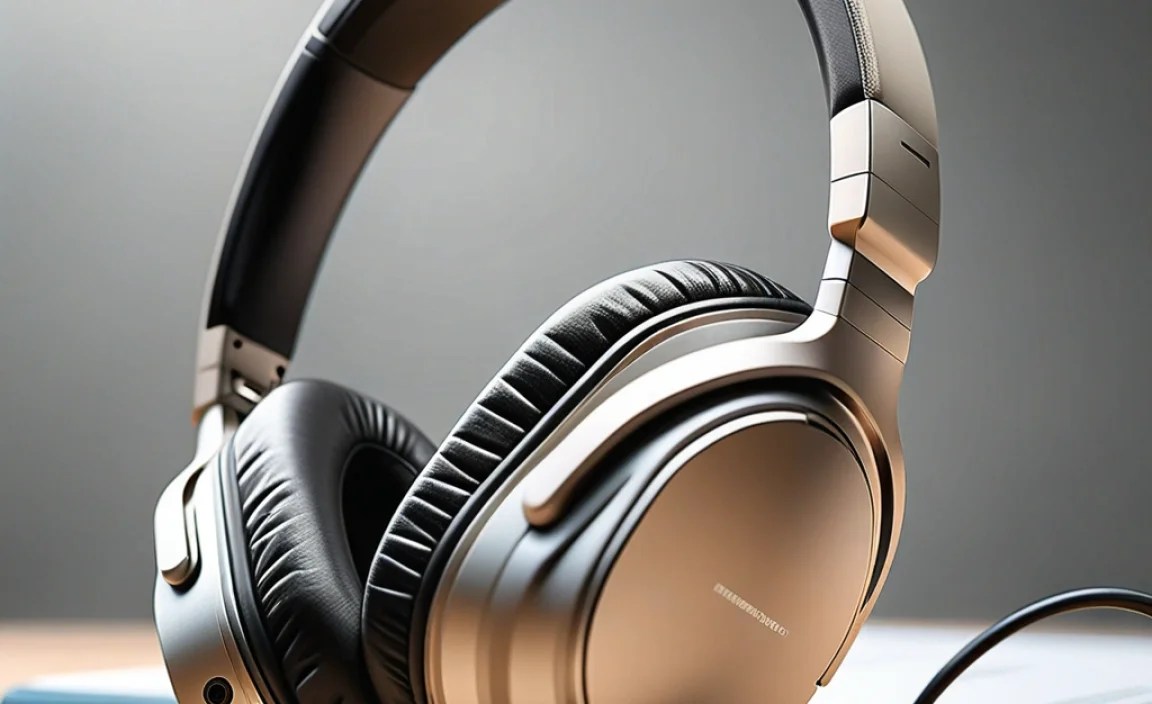
Beyond just ANC, several other features can make your flight experience even better:
- Comfort and Fit: This is paramount for long flights. Look for plush earpads, adjustable headbands, and a lightweight design. Over-ear models often win here.
- Battery Life: Ensure the battery life is sufficient for your longest flights, including layovers and potential delays. Many headphones offer 20-30+ hours of ANC playback. USB-C charging is also a convenient perk.
- Transparency Mode (Ambient Aware): This feature allows you to hear your surroundings without taking off your headphones, which is useful for announcements or when a flight attendant needs to speak to you.
- Sound Quality: While ANC is key, you still want headphones that sound good for your music, movies, or podcasts. Check reviews for audio performance.
- Portability and Travel Case: Most premium ANC headphones come with a sturdy carrying case, which is essential for protecting them in your luggage. Foldable designs also help with packing.
- Connectivity: Bluetooth is standard, but look for stable connections and multi-device pairing if you plan to switch between your phone and laptop.
- Durability: Aviation construction can be rough on gear, so choose headphones that feel well-built.
Top Noise Canceling Headphones for Flights (Our Recommendations)
Choosing the ‘best’ headphones is subjective and depends on your budget and specific needs. However, here are a few consistently top-rated options that are excellent choices for air travel. These are often celebrated for their balance of ANC, comfort, and sound quality.
| Model | Type | Key Flight Features | Best For |
|---|---|---|---|
| Sony WH-1000XM5 | Over-Ear | Industry-leading ANC, superb comfort, excellent sound, long battery life, good transparency mode. | Travelers prioritizing top-tier noise cancellation and audio quality. |
| Bose QuietComfort Ultra Headphones | Over-Ear | Renowned ANC, exceptional comfort, immersive audio experience, intuitive controls. | Those who value supreme comfort and effective noise blocking for long-haul flights. |
| Sennheiser Momentum 4 Wireless | Over-Ear | Very long battery life (up to 60 hours), excellent sound quality, balanced ANC, comfortable design. | Long-distance travelers who need maximum battery power and premium audio. |
| Apple AirPods Pro (2nd generation) | In-Ear Earbuds | Impressive ANC for earbuds, compact, good transparency mode, seamless Apple ecosystem integration. | Apple users and those preferring discreet, portable earbuds with strong ANC. |
| Bose QuietComfort Earbuds II | In-Ear Earbuds | Some of the best ANC available in an earbud, very comfortable secure fit, clear audio. | Travelers seeking the quietest possible earbud experience. |
How to Get the Most Out of Your Noise Canceling Headphones on a Flight
Once you have your chosen pair, here’s how to use them for maximum benefit:
Step 1: Charge Them Fully
Before you even head to the airport, ensure your headphones are fully charged. Most flights, especially long-haul ones, can exceed 15 hours. A dead battery will negate all the benefits. Check your headphones’ battery life and plan accordingly. Most modern headphones use USB-C, making it easy to top up with a portable power bank.
Step 2: Pack Them Securely
Always use the provided carrying case. This will protect your investment from scratches, dust, and damage when tossed around in a carry-on bag. A good case also keeps all the accessories organized.
Step 3: Activate Noise Cancellation Early
Turn on ANC as soon as you board the plane, even before the engines start, to get a head start on minimizing ambient noise. You’ll notice the biggest difference in the low-frequency hum of the engines.
Step 4: Get the Best Seal
For over-ear headphones, ensure the earcups are positioned correctly and create a good seal around your ears. For earbuds, try different sizes of ear tips to find the ones that fit most snugly and comfortably in your ear canal. A good physical seal is half the battle in noise isolation.
Step 5: Utilize Transparency Mode Wisely
If you need to hear cabin announcements, speak to the flight crew, or order food, use the transparency mode instead of removing your headphones. This allows you to stay connected to your immediate surroundings. You can usually activate this with a button press or a tap on the earcup/earbud.
Step 6: Adjust Volume Settings
While ANC reduces external noise, you still need to set your listening volume appropriately. For optimal hearing health, especially on long flights, aim to keep the volume at around 60% of the maximum. The World Health Organization recommends safe listening levels to prevent hearing damage.
Step 7: Consider Airplane Mode
Most modern wireless headphones use Bluetooth, which is generally permitted during flights once the aircraft reaches cruising altitude and is in ‘airplane mode’. However, always follow the specific instructions of the flight crew. Some older models might have had interference issues, but this is rarely a problem now.
Passive Noise Isolation vs. Active Noise Cancellation
It’s helpful to understand the difference between how headphones physically block sound (passive isolation) and how they electronically cancel sound (ANC).
- Passive Noise Isolation: This is achieved through the design of the headphones. For over-ear headphones, it’s the seal of the earcups against your head. For in-ear earbuds, it’s the seal of the ear tips in your ear canal. A good physical seal blocks out a significant amount of ambient noise, especially higher frequencies.
- Active Noise Cancellation (ANC): This is the electronic process described earlier, using microphones and anti-noise waves to cancel out specific frequencies, primarily low-frequency drones.
The best noise-canceling headphones for flights excel at both. They have a comfortable, snug design for good passive isolation and cutting-edge ANC technology to tackle the engine roar.
Budget-Friendly Options and Alternatives
Premium noise-canceling headphones can be a significant investment. If your budget is tighter, here are some options:
- Older Models: Look for previous generations of top-tier models (like the Sony WH-1000XM4 or Bose QuietComfort 45) which often go on sale when new versions are released.
- Reputable but Less Premium Brands: Brands like Anker Soundcore and JBL offer decent ANC at lower price points.
- Entry-Level ANC Earbuds: Many brands now offer Bluetooth earbuds with basic ANC functions that can still make a difference for flights.
- High-Quality Noise-Isolating Earplugs: For the most budget-conscious, investing in a good pair of reusable earplugs designed for musicians or sleep can offer substantial passive noise reduction at a fraction of the cost of headphones. While they won’t actively cancel noise, they can still make flying more tolerable.
When ANC Might Not Be Enough
While ANC is incredibly effective for common flight noises, it’s not a perfect solution for every sound. You might still hear:
- Sudden loud noises (e.g., service carts slamming).
- Close conversations or announcements directly next to you.
- Higher-frequency sounds like a baby crying nearby.
For these situations, combining your ANC headphones with good passive isolation is key. If the cabin is particularly noisy or you need absolute silence, consider wearing earplugs under your over-ear headphones, though this can sometimes impact comfort.
Maintaining Your Noise Canceling Headphones for Travel
To ensure your headphones last through many journeys, a little maintenance goes a long way:
Cleaning Earcups and Headbands
Use a slightly damp, soft cloth to wipe down the earcups and headband. Avoid harsh chemicals. For removable earpads, some can be gently washed by hand with mild soap and water, but always check the manufacturer’s instructions first. Ensure they are completely dry before reattaching.
Cleaning Earbud Tips
Regularly remove and clean the ear tips of in-ear earbuds with a damp cloth or a mild soap and water solution. This prevents earwax buildup, which can affect sound quality and the effectiveness of the seal. Again, ensure they are thoroughly dry.
Storage
Always store your headphones in their protective case when not in use, especially during travel. This prevents scratches and accidental damage.
Software Updates
Many ANC headphones receive firmware updates that can improve ANC performance, battery management, and connectivity. Keep your headphones updated via their companion app.
FAQ: Your Burning Questions Answered
Q1: Do noise-canceling headphones really work on airplanes?
Yes, absolutely! They are particularly effective at reducing the constant, low-frequency hum of airplane engines, which is a major source of cabin noise and fatigue. While they may not silence every single sound, they significantly improve the overall auditory environment.
Q2: Are over-ear or in-ear noise-canceling headphones better for flights?
For maximum comfort and best noise cancellation on long flights, over-ear headphones are often preferred due to their larger earcups and superior seal. However, high-quality in-ear earbuds with ANC can be a more portable and lightweight option, and some find them comfortable for extended wear.
Q3: How long does the battery on noise-canceling headphones typically last?
Most premium noise-canceling headphones offer between 20 to 30 hours of playback with ANC enabled. Higher-end models, like the Sennheiser Momentum 4, can boast up to 60 hours. It’s always best to check the specific model’s specifications, but this is generally more than enough for even the longest international flights.
Q4: Can I use my noise-canceling headphones during takeoff and landing?
Generally, yes. Most modern Bluetooth noise-canceling headphones are allowed during takeoff and landing once the aircraft is cleared for them. However, always listen to and comply with the flight crew’s instructions. If they ask you to remove or switch off your headphones, do so immediately.
Q5: Will noise-canceling headphones block out crying babies?
Noise-canceling headphones are most effective against constant, low-frequency sounds like engine noise. They can dampen the sound of a crying baby but are unlikely to block it out completely, as it’s a sudden, higher-frequency noise. A good passive seal (from over-ear cups or well-fitting earbuds) will help reduce the impact.
Q6: Is it safe to use noise-canceling headphones with my devices on a plane?
Yes, it’s generally safe. Bluetooth technology used by most wireless headphones is designed to operate within aviation regulations. If there is any concern, flight attendants will advise passengers accordingly.
Q7: What if I don’t want to spend a lot on noise-canceling headphones?
You have great options! Consider looking for deals on previous-generation premium models, exploring reputable mid-range brands like Anker Soundcore, or opting for high-quality passive noise-isolating earplugs. Even budget ANC earbuds can offer a noticeable improvement over no noise reduction at all.
Conclusion
Traveling by air doesn’t have to be an auditory ordeal. By choosing the right noise-canceling headphones, you can transform your journey into a tranquil experience. Whether you prioritize the plush comfort of over-ear designs or the compact convenience of earbuds, there’s a perfect pair out there to suit your needs and budget. With a little preparation – ensuring a full charge, packing them carefully, and understanding how to use their features like transparency mode – you’ll be well on your way to enjoying more peaceful flights. So, on your next trip, leave the drone of the engines behind and embrace the quiet. Happy travels from headphonehorizon!
