
Quick Summary: Discover how noise-canceling headphones protect your hearing during shooting. Learn what features to look for, how they work, and essential tips for choosing the right pair for safety and comfort. Protect your ears today!
Noise Canceling Headphones For Shooting: Your Essential Guide
Hey everyone, Edward Cavitt here from headphonehorizon! If you’re into shooting sports, hunting, or even just spending time at a gun range, you know that one of the most critical pieces of gear you can have is a good pair of ear protection. But what if you want to hear range commands or your spotter clearly while still blocking out those deafening gunshot noises? That’s where noise-canceling headphones for shooting come in. These aren’t your typical everyday headphones; they’re specialized tools designed to keep your hearing safe while enhancing your auditory experience. Let’s dive into how they work and what you should consider to make the best choice for your safety and enjoyment.
Why You Need Specialized Hearing Protection for Shooting

Gunshots produce incredibly loud impulse noises, far exceeding safe listening levels. Prolonged or even single exposure to these sounds can cause permanent hearing damage, including tinnitus (ringing in the ears) and significant hearing loss. Typical earplugs or earmuffs offer passive protection by physically blocking sound, which is great, but they can also block out important ambient sounds you might need to hear, like warnings, instructions, or even game calls.
This is where active noise cancellation (ANC) technology can be a game-changer. Unlike passive noise isolation, ANC headphones use microphones to detect external sounds and then generate an opposing sound wave to cancel them out. For shooting applications, this usually means they can dramatically reduce the sharp, damaging peak of a gunshot while allowing you to hear lower-level sounds like speech or ambient noise at a safe, comfortable volume.
According to the National Institute on Deafness and Other Communication Disorders (NIDCD), noise-induced hearing loss is preventable. Proper hearing protection is not just a recommendation; it’s a necessity for anyone exposed to loud noises, and shooting is undoubtedly in that category.
Understanding Noise Cancellation in Shooting Scenarios
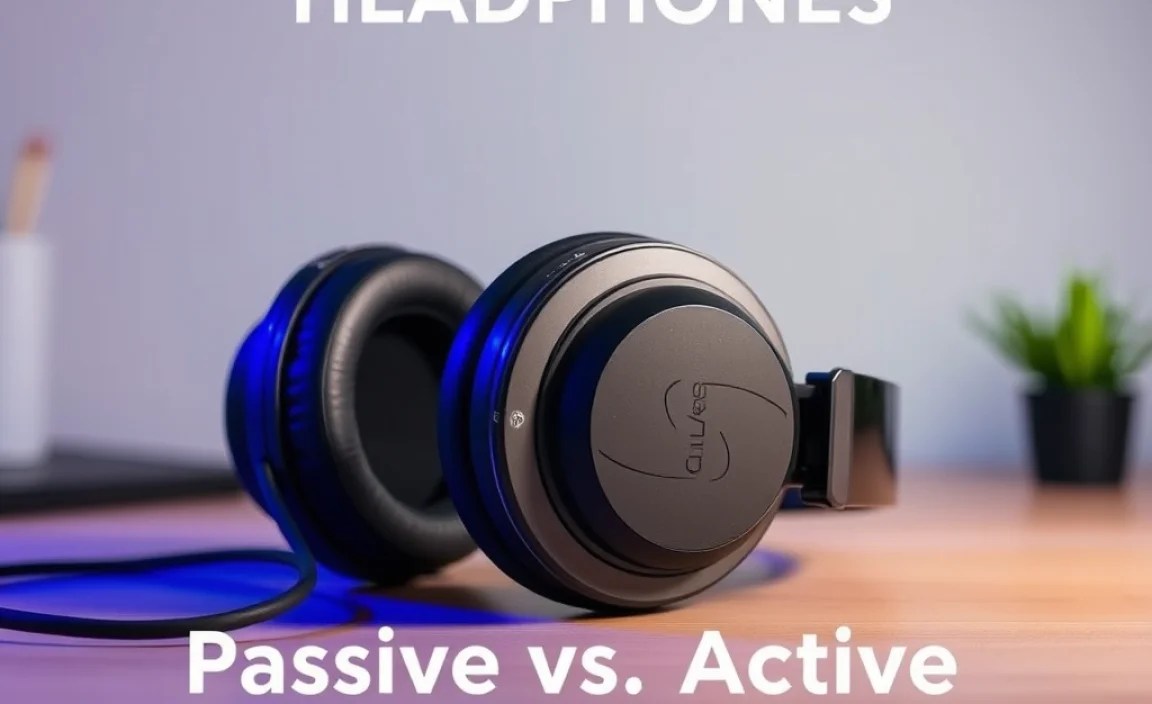
When we talk about noise-canceling headphones for shooting, it’s important to distinguish between two main types of technology: passive and active, and often, the best options combine both.
Passive vs. Active Noise Control

Passive Noise Isolation: This is the most straightforward form of hearing protection. It relies on the physical materials and design of the headphones or earplugs to create a seal and block sound waves from entering your ear canal or covering your ear. Think of a well-fitting pair of earmuffs or foam earplugs. They’re like a physical barrier against sound.
Active Noise Cancellation (ANC): This technology uses electronic components. Microphones on the outside of the headphones pick up ambient sound. An internal processor analyzes this sound and creates an “anti-sound” wave that is played through the headphone speakers. When the original sound wave and the anti-sound wave meet, they cancel each other out, effectively muffling or eliminating the external noise. This is particularly effective against constant, low-frequency noises like engine hum or wind, but advanced ANC can also work on impulse noises.
How ANC Benefits Shooters
For shooting, ANC isn’t just about canceling everything. Many specialized shooting headphones use a combination of passive isolation and advanced ANC that can be tuned. They typically feature microphones that pick up ambient sounds and then process them electronically.
- Sound Amplification: They can selectively amplify quiet sounds like speech, bird calls, or the rustling of wildlife, which is invaluable for hunters or those on tactical training.
- Suppression of Impulse Noises: When a loud impulse sound (like a gunshot) is detected, the headphones instantly and dramatically suppress its volume to a safe level, often in milliseconds, protecting your hearing from damage.
- Clear Communication: This allows you to have conversations with fellow shooters or hear range commands without removing your protection, which is crucial for safety and efficiency.
It’s a sophisticated system that aims to preserve your hearing without compromising your situational awareness.
Key Features to Look For in Shooting Headphones

Choosing the right pair of noise-canceling headphones for shooting involves considering several important factors specific to the demands of shooting sports. Here’s what to prioritize:
1. NRR Rating (Noise Reduction Rating)
The NRR is a standardized measure of how well a hearing protector reduces sound. It’s expressed in decibels (dB). A higher NRR means more sound reduction. For shooting, you’ll want a product with a substantial NRR. Look for ratings of 20 dB and above. Keep in mind that ANC headphones often have an NRR for their passive isolation component, with the active features working on top of that. Always check the manufacturer’s specifications.
2. Electronic Sound Amplification and Suppression
This is the core of what makes specialized shooting headphones effective. Look for models that specifically advertise:
- Variable Amplification: The ability to adjust how much ambient sound is amplified.
- Instantaneous Sound Suppression: The speed at which loud noises are cut off. This should be very fast to provide protection against muzzle blasts.
- Directional Microphones: These help you identify the source of sounds, improving awareness.
3. Comfort and Fit
You’ll likely be wearing these for extended periods, whether you’re at the range, in the field, or on a long hunt. Comfort is paramount. Consider:
- Padded Headband: Adjustable and has sufficient cushioning.
- Ear Cups: Soft, comfortable earpads that create a good seal without excessive pressure.
- Weight: Lighter headphones will be more comfortable for longer durations.
- Adjustability: Ensure they can be adjusted to fit your head size securely.
4. Durability and Weather Resistance
Shooting activities can take place in various environments, from dusty ranges to wet fields. Your headphones need to withstand these conditions. Look for robust construction and ideally, some level of weather resistance (e.g., protection against sweat, light rain, or dust).
5. Battery Life
Most ANC and electronic hearing protection headphones are battery-powered. Check the expected battery life and whether they use common battery types (like AA or AAA) or proprietary rechargeable batteries. Long battery life is essential, especially if you’re out in the field with no easy access to charging.
6. Sound Quality for Communication
If you need to hear instructions or talk to others, the clarity of amplified ambient sound and voice input is crucial. Some models might offer better microphone quality or audio processing for clearer speech reproduction.
7. Type of Headphone
- Over-Ear Earmuffs: These provide good passive isolation and ample space for electronic components. They are generally the most comfortable for long wear and offer a high NRR.
- In-Ear Plugs: Some electronic earplugs offer ANC. These are more discreet and lightweight but might offer less passive isolation and can be less comfortable for some users during extended wear.
How Electronic Shooting Headphones Protect Your Hearing
The magic behind electronic shooting headphones lies in their ability to react in real-time to sound. Here’s a simplified breakdown of the process:
- Microphones Detect Sound: External microphones embedded in the earcups continuously monitor the surrounding sound environment.
- Sound is Analyzed: Internal circuitry analyzes the incoming sound. It identifies different types of sounds, notably distinguishing between ambient noise (like wind, voices, game) and dangerous impulse noises (like gunshots).
- Sound is Processed:
- Ambient Sounds: Lower-level ambient sounds, like speech or nature sounds, can be amplified to a comfortable and safe listening level. This ensures you can hear your surroundings clearly without straining.
- Impulse Noises: When a loud, sudden sound like a gunshot is detected (typically above a certain decibel threshold, often around 80-90 dB), the system immediately activates a suppressor.
- Suppression Activates Instantly: This suppressor works in conjunction with both passive isolation and active cancellation technology. It drastically and instantaneously reduces the volume of the impulse noise to a safe level, preventing it from reaching your inner ear and causing damage. This happens incredibly fast – often in microseconds – so you might hear the distinct “pop” of the gunshot, but at a safe volume.
- Sound Returns to Normal: Once the impulse noise has passed, the headphones return to their previous state, either amplifying ambient sounds or remaining in a passive isolation mode.
This intelligent processing means you get the best of both worlds: protection from damaging noise and enhanced awareness of important, lower-level sounds.
Choosing Between Passive and Electronic Protection
The “best” type of protection depends entirely on your needs and budget. Both passive and electronic solutions are effective, but they serve different purposes.
| Feature | Passive Protection (Earmuffs, Earplugs) | Electronic Protection (ANC Shooting Headphones) |
|---|---|---|
| Primary Function | Block all incoming sound physically. | Block harmful impulse noises while amplifying and allowing safe ambient sounds. |
| Sound Awareness | Very low. Can significantly reduce or eliminate important sounds like speech. | High. Allows clear hearing of range commands, conversations, and ambient environment. |
| Protection Type | Consistent, physical barrier. | Dynamic, selective noise reduction and amplification. |
| Power Source | None. | Batteries required (rechargeable or disposable). |
| Cost | Generally lower. | Generally higher due to electronic components. |
| Use Cases | When complete quiet is not a concern, or for budget-conscious users. Can be used in conjunction with electronic protection underneath. | Ideal for competitive shooting, hunting, tactical training, and situations where situational awareness is crucial. |
When to Choose Passive:
- You are on a tight budget but still need reliable hearing protection.
- You are using a firearm that produces extremely loud noise consistently, and you don’t need to hear ambient sounds.
- You are using passive earplugs or earmuffs as a backup to your electronic protection for maximum safety.
When to Choose Electronic:
- You need to hear range commands, communicate with others, or be aware of your surroundings while protected.
- You are involved in activities like hunting where hearing subtle sounds is important.
- You participate in competitive shooting where clear communication and situational awareness can be critical.
- You want the highest level of protection combined with enhanced auditory experience.
Top Considerations and Best Practices
Beyond the features, consider these practical tips for getting the most out of your noise-canceling shooting headphones:
1. Proper Seal is Critical
Even the most advanced electronic headphones rely on a good passive seal to be effective. Ensure the earcups fit snugly around your ears, and the headband is adjusted correctly. If using in-ear plugs, make sure they are inserted properly to create a seal in your ear canal. A poor seal will compromise both passive isolation and the performance of the ANC.
2. Test Your Gear Beforehand
Never use new hearing protection for the first time in a high-stakes shooting situation. Take them to a range or a controlled environment and get familiar with how they feel, how to operate them, and how they sound. Clap your hands, talk, and listen to ambient noises to understand their processing.
3. Battery Management
Always ensure your headphones are fully charged or that you have fresh batteries before heading out. Carry spare batteries if your model uses disposables. Running out of power means you lose all electronic functionality, leaving you with only the passive protection (which might not be enough on its own).
4. Maintain and Clean Your Headphones
Regular cleaning of the earcups, earpads, and any exterior microphones will ensure they function optimally and last longer. Follow the manufacturer’s cleaning instructions carefully. Dust and debris can clog microphones, which will degrade performance.
5. Consider Multi-Stage Protection
For the absolute maximum protection, many experienced shooters opt for a two-stage approach. This involves wearing a pair of very low-profile, high-NRR passive earplugs (like foam or custom-molded ones) underneath a pair of electronic earmuffs. This provides a robust physical barrier, and the electronic earmuffs can then handle the fine-tuning of ambient sounds and the immediate suppression of gunshots.
6. Check with Manufacturers and Professionals
Read reviews from reputable sources and consult with shooting instructors or range safety officers. They can offer insights based on their experience with various models in real-world scenarios.
FAQs About Noise-Canceling Headphones for Shooting
Here are some commonly asked questions about using ANC headphones for shooting:
Q1: Can I use my regular noise-canceling headphones (like for commuting) for shooting?
A1: Generally, no. Standard ANC headphones are designed for constant, low-frequency noise and are not equipped to handle the sudden, high-peak impulse noises of gunshots. Using them for shooting could lead to hearing damage. Specialized shooting protection is specifically engineered with extremely fast suppression systems.
Q2: Do electronic shooting headphones make everything completely silent?
A2: No, that’s not their primary function. They aim to suppress dangerous sounds while allowing you to hear safe ambient sounds like speech. The goal is protection and awareness, not complete silence.
Q3: How long do the batteries typically last in these headphones?
A3: Battery life varies significantly by model. Many offer anywhere from 10 to over 50 hours of use on a single charge or set of batteries. Always check the manufacturer’s specifications for the specific model you are considering.
Q4: Are electronic shooting headphones waterproof or water-resistant?
A4: Some are, but not all. Look for specifications regarding water and dust resistance (often indicated by an IP rating). If you anticipate shooting in wet or dusty conditions, prioritize models with good environmental protection.
Q5: What’s the difference between electronic earmuffs and electronic earplugs?
A5: Earmuffs are over-ear devices that cover your whole ear, providing better passive isolation and generally more comfort for long periods. Earplugs are inserted directly into the ear canal, offering a more discreet and often lighter solution but potentially less passive protection and fit comfort for some.
Q6: Is a high NRR rating less important if the headphones have electronic suppression?
A6: No, not at all. The NRR rating generally refers to the passive noise reduction. The electronic suppression works in conjunction with the passive isolation. A good, high NRR ensures a strong initial barrier against sound, maximizing the effectiveness of the electronic features.
Conclusion: Protect Your Hearing and Enhance Your Experience
Investing in the right hearing protection is one of the most important decisions you can make as a shooter, hunter, or outdoor enthusiast. Noise-canceling headphones designed for shooting offer a sophisticated blend of safety and functionality, allowing you to stay protected from damaging impulse noises while remaining aware of your surroundings and able to communicate effectively. By understanding the technology, considering key features like NRR, comfort, and battery life, and following best practices for use and maintenance
