
Quick Summary: Noise cancelling Bluetooth headphones are a game-changer for many professionals, creating personal quiet zones for focus and clearer communication. This guide explains how they work, why they’re vital for various roles, and how to choose the best pair to boost your productivity and protect your hearing.
Welcome to Headphone Horizon! If you’re like me, finding your flow amidst the daily hustle can feel like an uphill battle. We live in a world buzzing with distractions – from open-plan office chatter and roaring machinery on a construction site to the constant hum of a busy commute. These noises don’t just irritate us; they can seriously hamper our ability to concentrate, communicate effectively, and even enjoy our downtime. That’s where noise cancelling Bluetooth headphones step in, transforming from a mere gadget into an essential tool for productivity and well-being. Let’s explore how these fantastic devices can become your secret weapon for a more focused and peaceful workday.
Why Noise Cancelling Bluetooth Headphones Are a Game-Changer for Workers

Imagine this: you’re deep in thought, working on a crucial report, or trying to have an important client call. Suddenly, a colleague’s loud conversation or the rumble of traffic outside shatters your concentration. Frustrating, right? Noise cancelling technology tackles this head-on. It actively listens to ambient sounds and generates opposing sound waves to cancel them out, creating a bubble of quiet. Combined with the convenience of Bluetooth, which offers wireless freedom, these headphones aren’t just about enjoying music; they’re about reclaiming your focus and improving your work performance.
The benefits extend beyond just concentration. For roles that involve frequent calls or virtual meetings, the built-in microphones on many models, coupled with noise cancellation, ensure your voice comes through clearly, even in noisy environments. This reduces misunderstandings and makes professional interactions smoother. Furthermore, for anyone working in loud industrial settings, noise cancelling headphones can also act as a crucial layer of hearing protection, helping to prevent long-term damage from high noise exposure.
According to the Occupational Safety and Health Administration (OSHA), prolonged exposure to noise levels above 85 decibels can cause permanent hearing loss. While not all noise cancelling headphones are certified hearing protectors, they can significantly reduce the perceived loudness and impact of many occupational noises, making the work environment more tolerable and supporting overall auditory health. This makes them a vital consideration for anyone whose job involves consistent exposure to disruptive sounds.
Understanding the Technology: How Do They Work?
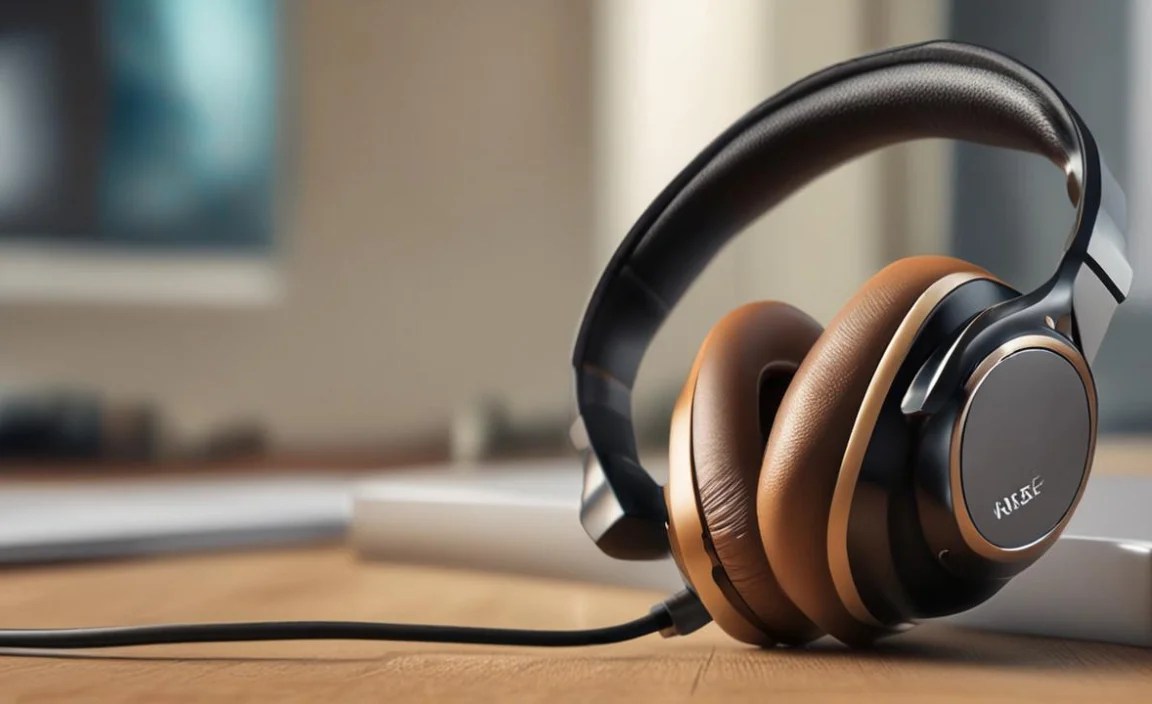
It might sound like magic, but the science behind noise cancelling is quite fascinating and surprisingly straightforward once you break it down. There are two main types of noise cancellation:
1. Active Noise Cancellation (ANC)
This is the “star of the show” and what most people think of when they hear “noise cancelling.” ANC works by using tiny microphones, usually on the outside of the earcups, to detect ambient sounds. These microphones feed the sound into an electronic chip inside the headphones. This chip then generates an “anti-noise” sound wave that is precisely the opposite of the incoming noise. When these two waves meet, they cancel each other out, much like adding a positive and negative number to get zero. It’s incredibly effective at reducing constant, low-frequency sounds like airplane engines, bus rumble, or HVAC hum.
The effectiveness of ANC can vary depending on the frequency and type of noise. It’s best at tackling steady, predictable sounds. Sudden, sharp noises like a door slam or someone talking directly to you might still be audible, though often muffled. However, for the bulk of distracting background noise in many workplaces, ANC is a powerful ally.
2. Passive Noise Isolation
This is simpler and relies on the physical design of the headphones. Over-ear headphones, with their snug-fitting earcups that create a seal around your ears, provide excellent passive noise isolation. In-ear monitors (IEMs) or earbuds that have a good seal within the ear canal also offer this. Think of it like putting earplugs in – they physically block sound from reaching your ears.
Many of the best noise cancelling headphones combine both ANC and passive isolation. The plush earcups or snug earbuds provide a base level of quiet, and then the active noise cancellation works to eliminate the remaining bothersome sounds, offering a superior listening experience and a more profound sense of quiet.
The “Bluetooth” Advantage: Wireless Freedom for the Modern Worker

While noise cancellation helps create a quiet environment, Bluetooth technology provides the freedom to move. Gone are the days of tangled cords snagging on desks, equipment, or even tripping you up. Bluetooth connectivity allows you to pair your headphones with your smartphone, laptop, tablet, or any other Bluetooth-enabled device wirelessly. This means you can:
- Move around your workspace without being tethered to your device.
- Take calls on the go or step away from your desk without missing a beat.
- Keep your workspace tidy and free of cable clutter.
- Seamlessly switch between listening to music, taking calls, or participating in video conferences.
This wireless convenience is particularly valuable in dynamic work environments where mobility is key. Whether you’re a field technician, a warehouse manager, or a remote worker who likes to move between rooms, Bluetooth ensures your audio connection remains stable and uninterrupted.
Who Benefits Most? Essential Roles for Noise Cancelling Bluetooth Headphones

While almost any worker can find value in these headphones, some professions stand to gain immense advantages. Let’s look at a few:
1. Office Workers & Remote Professionals
Open-plan offices are notorious for distractions. Constant chatter, ringing phones, and keyboard clatter can make deep work feel impossible. For remote workers, home environments can be equally challenging with family, pets, or neighborhood noise. Noise cancelling headphones create a personal “focus zone,” allowing for concentrated work, clearer virtual meetings via platforms like Zoom or Microsoft Teams, and a more serene existence during the workday.
2. Construction Workers & Tradespeople
The construction industry is inherently noisy. Power tools, heavy machinery, and bustling worksites can reach extremely high decibel levels. While specialized ear protection is mandatory in many such environments, noise cancelling Bluetooth headphones can offer an additional layer of comfort and communication. Some heavy-duty models are designed to withstand harsh conditions and provide both noise reduction and the ability to communicate with team members or listen to safety instructions via voice commands or calls. Look for ruggedized designs and high durability ratings for this sector. For specific noise reduction ratings and safety standards, consult resources from organizations like the National Institute for Occupational Safety and Health (NIOSH), which provides extensive research on workplace noise and hearing protection.
3. Truck Drivers & Long-Haul Professionals
The constant drone of the road, engine noise, and wind can lead to fatigue and make communication difficult. Noise cancelling Bluetooth headphones are invaluable for truck drivers and other professionals who spend long hours in vehicles. They can significantly reduce driver fatigue by creating a calmer cabin environment, improve the clarity of hands-free calls, and allow for clearer navigation instructions. The wireless aspect is also crucial for safety, enabling drivers to remain focused on the road.
4. Healthcare Professionals
Hospitals and clinics, while dedicated to healing, can be surprisingly noisy. Alarms, patient conversations, and general activity can be overwhelming. For doctors, nurses, and other medical staff who need to concentrate on detailed tasks, consult with patients, or take important calls, noise cancelling headphones can provide a much-needed oasis of calm. This is especially true for those who might use them during breaks to decompress or during shifts requiring intense focus.
5. Students & Academics
Whether in a busy campus library, a noisy dorm room, or attending online lectures from a shared living space, students often face distractions. Noise cancelling headphones can help them focus on studying, writing papers, or participating in online classes. The ability to block out ambient noise is a significant advantage for anyone engaged in deep learning or research.
Key Features to Look for When Choosing Your Pair

With so many options out there, it can be overwhelming to pick the right pair. Here’s a breakdown of what to consider, beyond just “noise cancelling” and “Bluetooth”:
1. Comfort and Fit
You’ll likely be wearing these for extended periods. Look for:
- Over-ear (Circumaural): These fully enclose your ears, offering excellent passive isolation and often supreme comfort for long sessions. Ensure the earcups are plush and the headband is adjustable and well-padded.
- On-ear (Supra-aural): These rest on your ears. They can be lighter but may cause pressure over time and offer less passive isolation than over-ear models.
- In-ear (Earbuds/IEMs): These go into your ear canal. They are very portable, and many come with multiple ear tip sizes for a secure, isolating fit. This is crucial for effective passive isolation.
2. Noise Cancellation Quality
Not all ANC is created equal. Research reviews that specifically mention ANC performance. Some headphones offer adjustable ANC levels, allowing you to fine-tune how much ambient sound is blocked. Features like “transparency mode” or “ambient sound mode” are also useful, letting you hear your surroundings without removing the headphones – essential for safety announcements or quick conversations.
3. Microphone Quality
If you take a lot of calls, this is critical. Look for headphones that explicitly mention clear call quality or have multiple built-in microphones designed to isolate your voice from background noise. Technologies like beamforming microphones can significantly improve call clarity.
4. Battery Life
For a full workday and beyond, ample battery life is a must. Many models offer anywhere from 20 to 40 hours of playback on a single charge, with ANC often slightly reducing this. Quick charging capabilities (e.g., 10-15 minutes of charging giving you a few hours of playback) are also a lifesaver.
5. Durability and Design
Consider your work environment. For construction sites or demanding conditions, look for headphones built with robust materials, water/dust resistance (check IP ratings), and a sturdy design. For office or travel use, a sleeker, more portable design might be preferred.
6. Connectivity and Features
- Bluetooth Version: Newer versions (like Bluetooth 5.0 and above) offer more stable connections, better range, and improved power efficiency.
- Multipoint Pairing: The ability to connect to two devices simultaneously (e.g., your laptop and phone) is incredibly convenient for switching between work tasks and calls.
- Companion App: Many brands offer apps that let you customize EQ settings, adjust ANC levels, update firmware, and more.
Comparing Top Options: A Quick Look
To give you a clearer picture, here’s a simplified comparison of popular noise cancelling Bluetooth headphone categories. Remember, specific models within these categories will vary greatly in price and features.
| Headphone Type | Best For | Pros | Cons | Key Considerations for Workers |
|---|---|---|---|---|
| Premium Over-Ear ANC (e.g., Sony WH-1000XM series, Bose QuietComfort series) |
Office, Travel, Remote Work, High-Noise Environments | Industry-leading ANC, Superior comfort, Excellent sound quality, Often long battery life, Multipoint pairing | Can be bulky, Higher price point, May not be rugged enough for extreme conditions | Supreme focus, Clear calls, Long-wear comfort, excellent for reducing constant ambient noise. |
| Professional/Business Over-Ear ANC (e.g., Jabra Evolve2, Plantronics Voyager series) |
Office, Remote Work, Frequent Calls, Business Travel | Optimized for calls (boom mics), durable build, often certified for business platforms (e.g., Microsoft Teams, Zoom), good ANC | Sound for music might be secondary, can be more expensive | Exceptional microphone clarity for professional communication, reliable connectivity, designed for all-day use. |
| Rugged/Work-Specific ANC (e.g., ISOtunes PRO, 3M Peltor WorkTunes) |
Construction, Industrial, Trades, Outdoor Work | Durable, often IP-rated for water/dust resistance, safety-certified hearing protection features, robust connectivity | Sound quality for music might be basic, less “stylish” design, can be heavier | Essential for hearing safety and communication in loud workplaces. Designed to endure harsh conditions. Look for specific ANSI/NIOSH certifications if applicable. |
| Compact ANC Earbuds (e.g., Apple AirPods Pro, Samsung Galaxy Buds Pro, Sony WF-1000XM series) |
Commute, Travel, Light Office Use, Portability | Extremely portable, good ANC for their size, convenient for calls and media, often have transparency modes | Battery life generally shorter than over-ear, comfort can be subjective, ANC not as powerful as over-ear | Great for on-the-go professionals who prioritize portability and quick access, good for moderate noise reduction. |
Setting Up Your Noise Cancelling Bluetooth Headphones
Getting your new headphones up and running is usually a breeze. Here’s a general step-by-step guide:
- Charge Them Up!: Before you do anything else, give your headphones a full charge. Most come with a USB-C or micro-USB cable. Plug it into the headphones and a power source. A full charge ensures you can set them up without interruption.
- Power On and Enter Pairing Mode: Locate the power button (usually on one of the earcups or earbuds). Press and hold it until the indicator light starts flashing (often blue or white). This usually signifies they are ready to pair. Consult your headphone’s manual for the exact procedure.
- Enable Bluetooth on Your Device:
- On a Smartphone (iOS/Android): Go to Settings > Bluetooth. Make sure Bluetooth is toggled ON.
- On a Laptop/Tablet (Windows): Go to Settings > Devices > Bluetooth & other devices. Toggle Bluetooth ON.
- On a Laptop/Tablet (macOS): Go to System Preferences > Bluetooth. Ensure Bluetooth is ON.
- Select Your Headphones from the Device List: Your device will scan for available Bluetooth devices. You should see the name of your headphones appear in the list (e.g., “Sony WH-1000XM5” or “AirPods Pro”). Tap or click on it to connect.
- Confirm Connection: You might hear a voice prompt or see an indicator light change on the headphones to confirm they are connected. Your device should also show them as “Connected.”
- (Optional) Download Companion App: Many headphones have a dedicated app (e.g., Sony | Headphones Connect, Bose Music). These apps offer advanced settings, firmware updates, and EQ customization. It’s highly recommended to download and install the app for the best experience.
- Test and Adjust: Play some audio and try out the noise cancellation features. If you have ANC and transparency modes, experiment with them to see how they affect your audio and ambient sound perception. Adjust the fit for comfort and optimal sound.
When to Use Noise Cancellation (And When Not To)
Noise cancelling headphones are incredible, but they’re not always the “on” switch for every situation. Here’s a quick guide:
When to Absolutely Use Them:
- Deep Work Sessions: To eliminate office chatter, café noise, or home distractions.
- Commuting on Loud Transport: To make train, bus, or airplane journeys more peaceful and less fatiguing.
- Studying in Busy Areas: To create a quiet environment for concentration.
- Taking Calls in Noisy Places: To ensure your voice is heard clearly by the other party.
- Environments with Constant Drone: HVAC systems, machinery hum, traffic noise.
When to Be Cautious or Turn Them Off:
- Situations Requiring Situational Awareness: Walking near traffic, cycling, or working in environments where you need to hear alarms, approaching vehicles, or spoken warnings. Always prioritize safety!
- Interacting with Colleagues in an Open Office: While great for focus, they can make you appear unapproachable or miss spontaneous conversations and important office announcements.
- First Few Uses for Long Periods: Sometimes, the pressure of ANC can feel unusual. Start with shorter periods to get accustomed to it.
- Extremely Loud, Irregular Noises: While ANC reduces noise, it’s not a substitute for industrial-grade hearing protection in exceptionally loud, hazardous environments.
Using the transparency or ambient sound mode is a fantastic compromise when you need to be somewhat aware of your surroundings without completely removing your headphones.
Frequently Asked Questions (FAQ)
Q1: Are noise cancelling headphones safe for my ears?
<p
