
Quick Summary: This guide helps autistic adults choose noise-cancelling headphones to manage sensory input. We’ll cover what to look for, essential features, and how to find the right fit for peace and focus in noisy environments. Learn how these headphones can be a game-changer for daily comfort and well-being.
Noise Cancelling Headphones for Autistic Adults: Your Essential Guide

Welcome to Headphone Horizon! If you’re an autistic adult, you know that the world can sometimes feel overwhelmingly loud. Unexpected noises, constant chatter, or even the hum of a refrigerator can trigger sensory overload, making everyday situations challenging. Noise-cancelling headphones are no longer just for frequent flyers or audiophiles; for many autistic adults, they’ve become an essential tool for navigating sensory sensitivities and finding a much-needed sense of calm. In this guide, we’ll explore how these amazing devices work, what features are most important, and how to pick the perfect pair to help you reclaim your quiet space. Let’s dive in and discover how the right headphones can make a significant difference in your daily life.
Understanding Sensory Processing and Noise

Sensory processing differences are a common characteristic of autism. For many autistic individuals, this means that everyday sights, sounds, smells, tastes, and textures can be experienced with much greater intensity. Sound, in particular, can be a major source of overwhelm. This isn’t about being sensitive to loud sounds specifically, but rather a different way of processing auditory information. What might be background noise to one person can be a jarring, distracting, or even painful experience for someone with heightened auditory sensitivity. This can lead to:
- Sensory overload, resulting in anxiety, distress, or meltdowns.
- Difficulty concentrating in noisy environments like offices, cafes, or public transport.
- Fatigue from the continuous effort to filter out unnecessary sounds.
- Avoidance of certain places or situations due to anticipated noise triggers.
The good news is that noise-cancelling headphones can offer a significant reprieve. They provide a way to actively manage the auditory input you receive, creating a more controlled and comfortable sensory environment. According to organizations like the University of Utah Autism Spectrum Program, understanding and managing sensory processing differences is key to improving quality of life.
How Do Noise Cancelling Headphones Work? The Magic Behind the Silence

It might seem like magic, but noise-cancelling headphones use smart technology to reduce ambient noise. There are two main types:
1. Passive Noise Cancellation (Isolation)
This is the simpler form. It works by physically blocking out sound. Think of it like wearing earplugs. The earcups of the headphones create a seal around your ears, preventing external sounds from reaching your eardrums. This method is effective for blocking higher-frequency noises, such as voices or sharp sounds. The thicker and more insulating the earcups and materials, the better the passive noise cancellation.
2. Active Noise Cancellation (ANC)
This is where the “magic” really happens. ANC headphones have tiny microphones built into them that detect ambient sound waves. The headphones then generate an opposite sound wave (an “anti-noise” wave) that effectively cancels out the incoming noise. It’s like playing a sound that perfectly cancels out another sound, aiming for silence. This technology is particularly good at reducing consistent, low-frequency noises like airplane engines, traffic hum, or air conditioners.
Most modern noise-cancelling headphones combine both passive isolation and active noise cancellation for the best results, tackling a wider range of bothersome sounds.
Key Features to Look for in Noise Cancelling Headphones for Autistic Adults

When shopping for noise-cancelling headphones, you’ll want to prioritize features that cater specifically to sensory needs. It’s not just about blocking noise; comfort and control are equally important.
Comfort is King
You might be wearing these for extended periods, so comfort is non-negotiable. Consider:
- Earcups: Look for soft, plush materials like memory foam that don’t put too much pressure on your ears or head. Over-ear designs generally offer more comfort and better noise isolation than on-ear or in-ear models.
- Weight: Lighter headphones will be less fatiguing to wear for long durations.
- Clamping Force: The pressure the headphones apply to your head. Too much can be uncomfortable or even painful. Adjustable headbands are a plus.
- Breathability: Some materials can make your ears feel hot and sweaty. Look for breathable fabrics if this is a concern.
Effectiveness of Noise Cancellation
Not all ANC is created equal. Some headphones are better at cancelling specific types of noise. While you can’t try them all, reading reviews from users with similar sensory needs can be very helpful.
- Focus on ANC Quality: Look for headphones with well-regarded active noise cancellation that effectively reduces common disruptive sounds like HVAC systems, traffic, and general ambient chatter.
- Variable ANC Levels: Some high-end headphones allow you to adjust the strength of the noise cancellation. This can be useful for finding the perfect balance – enough to reduce overload but not so much that you feel completely disconnected.
Sound Quality (When You Want to Hear Something)
While the primary goal is noise cancellation, you might also want to listen to music, podcasts, or audiobooks. When you do want to hear sound, you want it to be pleasant. Look for headphones that offer a balanced sound profile, not overly bass-heavy or tinny.
Transparency/Ambient Sound Mode
This feature is crucial for safety and situational awareness. Transparency mode uses the external microphones to let in ambient sounds, so you can hear announcements, conversations, or traffic without taking off your headphones. This is invaluable for:
- Staying aware of your surroundings when walking outside.
- Hearing when someone is speaking to you directly.
- Not missing important announcements in public spaces.
Some headphones allow you to adjust the level of ambient sound you hear, giving you more control.
Battery Life
If you rely on your headphones for significant parts of your day, long battery life is essential. Look for headphones that can last at least 20-30 hours on a single charge, especially if ANC is enabled. Many also offer fast charging, which can be a lifesaver if you forget to charge overnight.
Ease of Use and Controls
Confusing buttons or complex app interfaces can add to stress. Look for headphones with intuitive controls – whether they are physical buttons or touch controls – that are easy to find and operate without looking. Some models offer companion apps that provide more customization, but ensure the basic functions are accessible without needing the app.
Durability and Build Quality
You want headphones that will last. Check for sturdy construction, good quality materials, and a reliable brand that offers a warranty.
Types of Noise Cancelling Headphones: Over-Ear vs. On-Ear vs. In-Ear

The physical design of headphones significantly impacts comfort and noise isolation. For autistic adults, especially those sensitive to pressure or small spaces, the choice is important.
1. Over-Ear Headphones
These headphones completely enclose your ears. They typically offer the best combination of comfort and passive noise isolation due to their larger earcups. The earcups rest on the head around the ear.
Pros:
- Excellent passive noise isolation.
- Generally the most comfortable for long wear.
- Often have the best ANC technology and battery life.
- Less pressure directly on the ear.
Cons:
- Can be bulky and less portable.
- May cause ears to get warm or sweaty.
- Can be more expensive.
2. On-Ear Headphones
These headphones rest directly on your ears. They are usually smaller and lighter than over-ear models.
Pros:
- More compact than over-ear.
- Can be lighter and less hot than over-ear.
Cons:
- Less effective passive noise isolation.
- Can apply pressure directly to the ears, which might be uncomfortable for some.
- ANC performance can be less robust than over-ear models.
3. In-Ear Headphones (Earbuds)
These fit inside the ear canal. True wireless earbuds offer the most portability.
Pros:
- Extremely portable and discreet.
- Good passive isolation if they have a snug fit.
- Can be a good option for very specific noise cancellation needs or quick escapes from noise.
Cons:
- Can feel intrusive or ticklish in the ear.
- Pressure in the ear canal can be uncomfortable for some.
- Battery life is often shorter.
- ANC technology may not be as powerful as on over-ear models.
- Easier to lose.
Recommendation: For autistic adults seeking maximum comfort and effective noise management, over-ear headphones are typically the best starting point.
Top Features Comparison Table
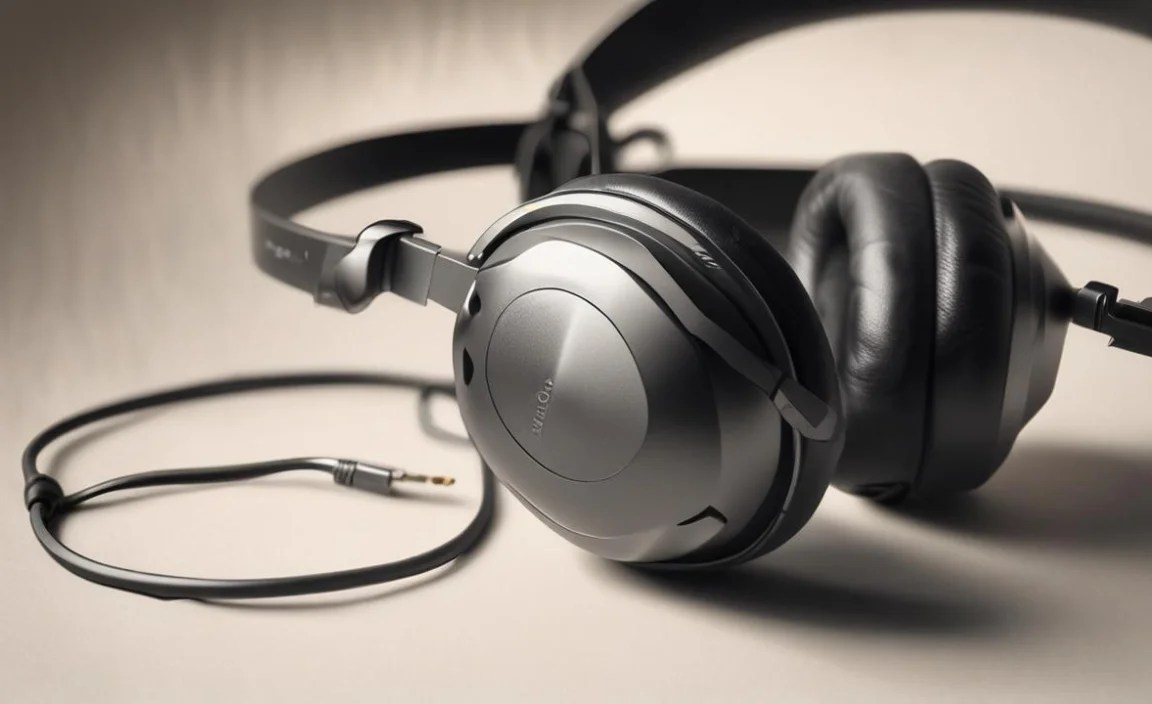
Here’s a quick look at how different features might stack up, helping you prioritize what’s most important for you.
| Feature | Importance for Autistic Adults | What to Look For |
|---|---|---|
| Comfort (Earcups, Weight, Clamping Force) | Highest | Soft memory foam, lightweight, adjustable, over-ear design. |
| Active Noise Cancellation (ANC) Effectiveness | Highest | Excellent for consistent hums and general ambient noise. Check reviews for specific noise types. |
| Passive Noise Isolation | High | Tight seal around ears, quality padding. Crucial for higher frequencies. |
| Transparency/Ambient Sound Mode | High | Adjustable levels, clear sound reproduction for safety and interaction. |
| Battery Life | High | 20+ hours with ANC, fast charging capabilities. |
| Sound Quality | Medium | Balanced audio profile. Not overly excitable or fatiguing. |
| Ease of Use (Controls) | Medium | Intuitive buttons or touch controls, simple app interface (if any). |
| Durability & Build Quality | Medium-Low | Sturdy materials, reputable brands, warranty. |
Practical Tips for Choosing Your Noise Cancelling Headphones

Now that you know what to look for, let’s talk about the process of finding your perfect pair.
1. Assess Your Needs & Environment
Think about where and when you’ll be using your headphones most:
- Work/Study: Do you need to focus in a busy office or cafe? You’ll want strong ANC and comfort for long sessions.
- Travel: Commuting on public transport? Airplane noise? ANC is key, and portability might matter more.
- Home: Are there persistent noises like appliances or street sounds that bother you?
- Social Outings: Do you need them for navigating noisy supermarkets or gatherings? Transparency mode is vital here.
2. Research Brands and Models
Some brands are consistently praised for their ANC technology and comfort. Popular choices often include:
- Sony: Known for industry-leading ANC and often comfortable designs.
- Bose: A long-time leader in ANC and renowned for comfort.
- Sennheiser: Excellent sound quality and good ANC, often with a focus on build.
- Sennheiser: Excellent sound quality and good ANC, often with a focus on build.
- Apple (AirPods Max/Pro): For those in the Apple ecosystem, their spatial audio and ANC can be appealing, though often at a premium price.
Look for specific models known for comfort and effective noise cancellation. Websites like Rtings.com offer in-depth, objective reviews that test noise cancellation performance and comfort extensively.
3. Read Reviews from Autistic Users
This is where you’ll find the most valuable insights. Search for reviews on forums, YouTube, or blogs where autistic individuals share their experiences with specific headphone models. They often highlight aspects of comfort, sensory experience, and the effectiveness of ANC in real-world scenarios.
4. Prioritize Comfort Above All Else
Even the best ANC technology is useless if the headphones are painful to wear. If possible, try them on before buying. If not, rely on detailed reviews and the return policy of the retailer. Consider:
- Ear pressure: Do the earcups press too hard?
- Headband pressure: Is it too tight?
- Material feel: Is it soft and breathable?
5. Test Noise Cancellation and Transparency Mode
If you’re in a store, try them in a noisy section. Turn on the ANC. Can you feel a noticeable difference? Then, test the transparency mode. Can you hear important sounds clearly without acoustic discomfort? This is a critical feature for safety and social interaction.
6. Understand the Battery Life Needs
If you need them unplugged for half a day, a 10-hour battery life won’t cut it. Aim for models offering 20+ hours of ANC playback. Fast charging (e.g., 10 minutes charging for 2-3 hours playback) is also a fantastic convenience.
7. Check for a Good Return Policy
With sensory items, personal preference plays a huge role. A generous return policy from the retailer or manufacturer can give you peace of mind, allowing you to test them in your own environments without final commitment.
Using Your Noise Cancelling Headphones Effectively
Once you’ve chosen your headphones, here’s how to get the most out of them:
- Start with Lower ANC Levels: If your headphones offer adjustable ANC, begin with a lower setting. Gradually increase it until you find a level that’s effective but not disorienting. Some people find very strong ANC creates a sense of pressure or “vacuum” that can be uncomfortable.
- Utilize Transparency Mode Strategically: Don’t feel like you always have to have ANC on full blast. If you’re in a situation where you might need to hear someone or an announcement, switch to transparency mode. Practice turning it on and off so it becomes second nature.
- Combine with Gentle Audio: Sometimes, the best way to manage overwhelming noise is to replace it with something soothing. Playing calm music, nature sounds, or white noise through your headphones at a low volume can further help to create a pleasant auditory environment.
- Take Breaks: Even with comfortable headphones, it’s good practice to take breaks from wearing them. Give your ears and your sensory system a chance to reset.
- Maintain Them: Keep your headphones clean. Regularly wipe down earcups and the headband with a damp cloth (ensure it’s not wet) and check the charging port for debris to ensure optimal performance and longevity.
Addressing Common Concerns and Questions
Here’s a look at some questions we often hear about noise-cancelling headphones for autistic adults.
Q1: Are noise-cancelling headphones suitable for all autistic adults?
While they can be incredibly beneficial for many, not everyone finds them helpful. Some individuals may find the sensation of ANC pressure uncomfortable, or they might prefer other sensory tools. It’s always best to try them if possible, or ensure you have a good return policy.
Q2: Can I still hear important sounds like alarms or someone calling my name?
With ANC on, it’s harder to hear subtle sounds. This is why transparency/ambient sound mode is so important. It allows you to hear your surroundings when needed. Always be mindful of your environment and use transparency mode for safety-critical situations.
Q3: Do noise-cancelling headphones cause long-term hearing damage?
No, when used responsibly. Unlike noise-cancelling techniques that might rely on playing counter-frequencies at high volumes, well-designed modern ANC works by cancelling out external noise
