
Quick Summary: Noise cancelling headphones can be a game-changer for autistic children, offering a sanctuary in noisy environments. This guide explains how they work, what to look for in a pair, and practical tips for introducing them, ensuring comfort and calm for your child.
Noise Cancelling Headphones for Autistic Kids: An Essential Guide
For many autistic children, the world can feel overwhelming due to sensory sensitivities, especially to sound. Loud or unpredictable noises can trigger anxiety, distress, and meltdowns. Noise cancelling headphones are not just a gadget; they can be a vital tool for creating a calmer, more manageable sensory experience. They help create a personal bubble of quiet, allowing your child to focus, relax, and engage with the world on their own terms. This guide is designed to help you understand how these headphones work and how to choose the best ones to support your child’s well-being.
Understanding Noise Cancellation Technology
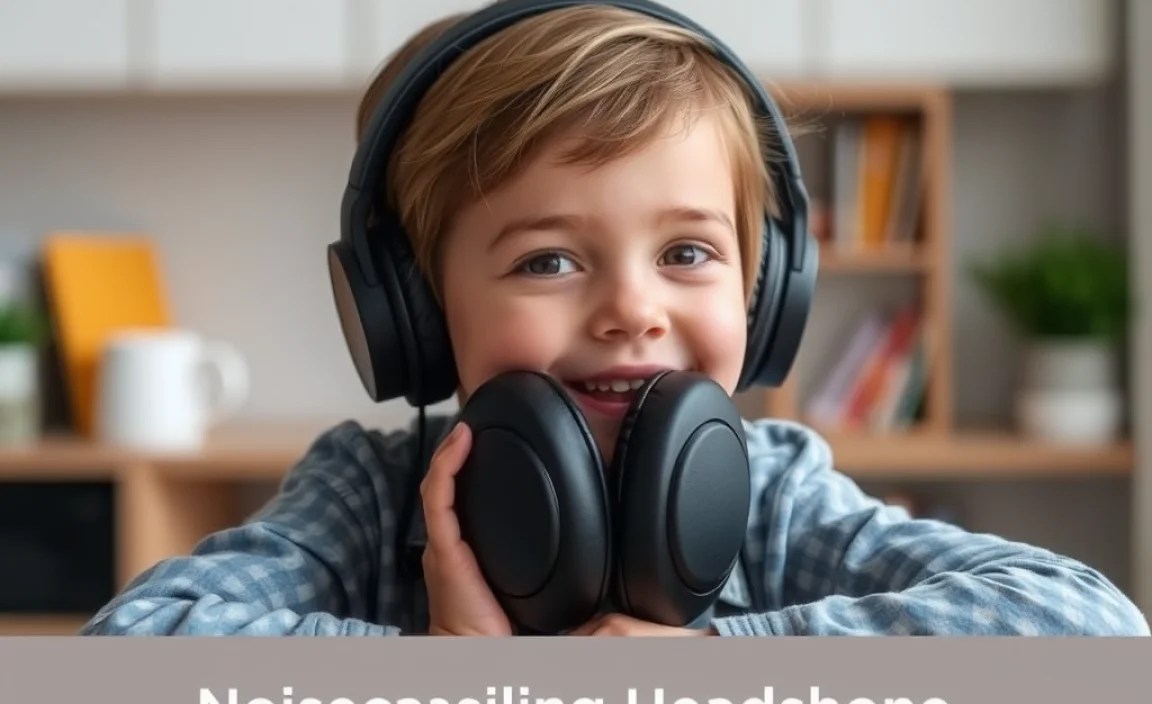
It might seem like magic, but noise-cancelling headphones work through a clever combination of hardware and physics. There are two main types, and understanding them is key to making an informed choice:
1. Passive Noise Cancellation (Isolation)
This is the most basic form of noise reduction and is achieved through the physical design of the headphones. Think of it like wearing earplugs. Good passive noise cancellation relies on:
- Tight Seal: Earcups that fit snugly around the ears, effectively blocking out external sounds. Over-ear headphones generally offer better passive isolation than on-ear or in-ear models.
- Durable Materials: The materials used in the earcups and headband play a role in dampening vibrations and sound waves.
While effective for muffling steady, low-frequency noises (like airplane engines or general room hum), passive noise cancellation struggles with sudden, sharp, or high-frequency sounds that can be particularly bothersome.
2. Active Noise Cancellation (ANC)
This is where the real “noise cancelling” happens, and it’s particularly useful for tackling a wider range of disruptive sounds. ANC works by using tiny microphones to detect ambient noise. These microphones send this sound information to a special chip within the headphones. The chip then generates an “anti-noise” sound wave that is the exact opposite – or inverse – of the incoming noise. When these two waves meet, they cancel each other out, significantly reducing the perceived noise. It’s like a sophisticated echo cancellation for your ears.
ANC is excellent at reducing constant background noise like traffic, chatter, or HVAC systems. However, it’s generally less effective at blocking out sudden, irregular, or very high-frequency sounds, which is where passive isolation still plays an important role.
Why Noise Cancelling Headphones Are Beneficial for Autistic Children

Autism Spectrum Disorder (ASD) often involves differences in sensory processing. For many autistic individuals, sounds that neurotypical people might filter out can be intensely stimulating or even painful. This is known as hyperacusis or auditory defensiveness.
Noise cancelling headphones can provide a personalized sanctuary, helping to:
- Reduce Overstimulation: They create a calmer sensory environment, preventing overwhelm in busy or noisy places like supermarkets, schools, or public transport.
- Improve Focus: By reducing distractions, they can help children concentrate on tasks, learning, or even just relax.
- Decrease Anxiety and Meltdowns: Knowing they have a tool to manage overwhelming sounds can significantly reduce pre-emptive anxiety and the likelihood of sensory overload leading to a meltdown.
- Enhance Social Interaction: In some cases, headphones can help a child feel more comfortable and present in social situations by dampening background noise that might otherwise be distracting or agitating.
- Promote Independence: Empowering a child with a tool they can use themselves to regulate their sensory input fosters a sense of control and independence.
According to organizations like the National Autistic Society, sensory sensitivities are a core characteristic of autism, and tools that support sensory regulation are invaluable. For more on sensory processing and autism, you can explore resources from Autism Speaks.
Key Features to Look for in Noise Cancelling Headphones for Kids

When choosing noise cancelling headphones specifically for an autistic child, several factors beyond just the cancellation technology are crucial:
1. Comfort and Fit
This is paramount. If the headphones aren’t comfortable, your child won’t wear them. Look for:
- Soft, Padded Earcups: Materials like plush foam or faux leather that are gentle on the skin.
- Adjustable Headband: To ensure a proper fit for different head sizes.
- Lightweight Design: Heavy headphones can be uncomfortable for extended wear.
- Non-Constricting Fit: Avoid designs that press too hard on the ears or head.
2. Sound Quality and Volume Limiting
Even with noise cancellation, the sound from the headphones needs to be safe and pleasant:
- Volume Limiting Technology: Many children’s headphones have built-in limits to protect young ears from damaging noise levels. This is essential.
- Audio Quality: While ANC is the priority, the audio should still be clear and balanced if you plan to use them for music or audiobooks.
It’s important to note that noise cancelling headphones are designed to reduce external noise. If you’re using them for audio content, ensure that content itself is at a safe volume. Organizations like the World Health Organization provide guidelines on safe listening levels.
3. Durability and Build Quality
Children can be rough on their belongings. Choose headphones that are built to last:
- Sturdy Materials: Look for robust plastic and reinforced hinges.
- Flexible Design: Headphones that can bend without breaking are ideal.
- Easy to Clean: With kids comes mess, so being able to wipe them down easily is a plus.
4. Ease of Use
Simple controls are best, especially for younger children:
- Intuitive Buttons: Easy-to-operate power, ANC on/off switches, and volume controls.
- Wireless vs. Wired: Wireless (Bluetooth) offers freedom from tangles, but requires charging. Wired options are simpler and don’t need power but can be restrictive. Consider if noise cancellation works with or without audio playback.
5. Type of Noise Cancellation
For maximum benefit, a combination of both passive and active noise cancellation is often best. ANC headphones generally offer the most comprehensive noise reduction.
6. Aesthetics and Comfort Options
While functionality is key, sometimes the look matters too. Some children might prefer headphones:
- In specific colours or patterns.
- With a simpler, less “techy” appearance.
- That feel less like “medical equipment” and more like a favourite accessory.
Top Noise Cancelling Headphones for Autistic Kids: A Comparative Look

Choosing specific models can be tricky as availability and features change. However, here are some popular brands and types that frequently receive positive feedback from parents and users looking for effective noise reduction and comfort for children:
| Brand/Model Type | Type of Cancellation | Key Features for Kids | Potential Considerations |
|---|---|---|---|
| Sony WH-1000XM Series (e.g., WH-1000XM5) | Advanced Active Noise Cancellation (ANC) + Passive | Industry-leading ANC, exceptional comfort, long battery life, ambient sound control. While not specifically for kids, many older children and teens can use these comfortably due to their lightweight design and supreme comfort. | Higher price point, may be too large for very young children, more complex controls for very young users. |
| Bose QuietComfort Series (e.g., QuietComfort 45) | Strong Active Noise Cancellation (ANC) + Passive | Excellent ANC, very comfortable earcups, good ambient sound modes. Similar to Sony, often a good choice for older children/teens who need top-tier noise reduction. | Premium pricing, battery life and controls are good but not always class-leading. |
| Bose Sleepbuds II | Passive Isolation (primarily) | Specifically designed for sleep and quiet. Tiny, comfortable, deliver soothing sounds or just block noise without playing music. Excellent for light sleepers or those bothered by subtle noises. | Not for listening to music or audio content; only for noise blocking and soothing sounds. Limited ANC compared to over-ear models. |
| Kid-Specific ANC Headphones (e.g., PuroSound Labs BT2200, JBL Jr. Headphones) | Often a mix of Passive and Active (varies by model) | Designed for smaller heads, volume-limiting to 85dB (safe listening), durable, often come in fun colors. PuroSound’s PuroQuiet is a notable example with ANC and volume protection. | ANC might not be as powerful as premium adult models; durability varies across brands. |
| Loop Earplugs (e.g., Loop Engage/Quiet) | Passive Isolation | Small, discrete earplugs that reduce noise without blocking it entirely. “Quiet” model significantly reduces sound, good for moderate noise reduction without complete silence. Comfortable and reusable. | Not “headphones” – they are earplugs. May not provide enough reduction for severe sensitivities. Can be easy to lose for younger children. |
When considering adult models like Sony or Bose for older children, ensure the fit is appropriate. For younger children, specialized kids’ headphones with volume limiting are generally the safest bet.
Introducing Noise Cancelling Headphones to Your Child: A Step-by-Step Approach

Introducing any new tool, especially one that covers the ears, requires patience and a positive approach. The goal is to make the headphones a source of comfort, not a source of stress.
Step 1: Preparation and Familiarization
- Choose the Right Time: Introduce the headphones when your child is calm and relaxed, not in a crisis situation.
- Let Them Explore: Allow your child to see, touch, and hold the headphones without any pressure to wear them. Let them get used to the object.
- Positive Associations: Talk positively about the headphones. You could say, “These help make quiet time,” or “These can help you feel calm when it’s loud.”
- Demonstrate (Optional): If you have a pair yourself, let them see you wear them and explain what you like about them (e.g., “I wear mine so I can think better when it’s noisy”).
Step 2: Trial Wear (Short Durations)
- Start Small: Begin with very short periods, maybe 30 seconds to a minute, while in a quiet, familiar environment like your living room.
- Gentle Placement: Gently place the headphones on their head, not necessarily over their ears at first, then gradually over their ears if they are comfortable.
- Positive Reinforcement: Offer praise, a favorite small treat, or a brief moment of preferred quiet activity (like looking at a favourite book) immediately after they wear them, every time.
- Watch for Cues: Pay close attention to your child’s body language. If they show signs of distress (pulling at them, tensing up, looking anxious), stop immediately. Don’t push it.
Step 3: Gradual Increase in Duration and Context
- Slowly Increase Time: As your child becomes more comfortable, gradually increase the duration they wear the headphones. Aim for 5-10 minutes at a time.
- Introduce Mild Noise: Once they tolerate the headphones in quiet, try them in a slightly less quiet, but still safe, environment. This could be a quiet part of your home during a normal day, or a very quiet outdoor space.
- Associate with Desired Activities: Try wearing them during activities your child enjoys that might have mild background noise, like watching a favored cartoon, or doing a quiet craft.
Step 4: Introducing ANC and Music/Audio
- Introduce ANC: Once comfortable wearing the headphones, let them experiment with turning the noise cancellation feature on and off to understand its effect.
- Introduce Audio: If the headphones allow for audio playback (and you wish to use this feature), start with very low volumes. Gradually increase as they become comfortable.
- Practice in Mildly Challenging Environments: When comfortable, try them in slightly more stimulating but controlled environments. A quiet coffee shop during an off-peak hour, or a walk in a less crowded park.
Step 5: Empowering Self-Regulation
- Teach Them to Use Them: Ensure your child knows how to put them on and take them off independently.
- Encourage Self-Advocacy: Help them use words or gestures to communicate when they need their headphones.
- Consistency is Key: Continue positive reinforcement and gradual exposure.
Remember, every child is different. Some may adapt quickly, while others may take weeks or months. Celebrate small victories, and never force the issue. The ultimate goal is to make the headphones a tool that brings comfort and control.
Tips for Using Noise Cancelling Headphones in Everyday Situations
Once your child is comfortable with their headphones, they can become a valuable asset in various settings. Here’s how to make the most of them:
- The Supermarket: Supermarkets are notorious for their cacophony of beeping scanners, chattering people, and loud announcements. Headphones can transform this stressful outing into something manageable. Have your child wear them from the moment you enter until you leave.
- Public Transportation: Buses, trains, and subways can be incredibly noisy. ANC headphones can significantly reduce the rumble of engines, screeching brakes, and chatter, making commutes much more pleasant.
- School or Classroom Settings: For some children, headphones can be a valuable aid during independent work time, study periods, or even during testing if it’s permitted by the school. Check with your child’s educators about specific school policies. Many schools support the use of sensory tools to enhance learning.
- Family Gatherings or Parties: Even familiar environments can become overwhelming with increased activity and noise. Headphones offer a safe retreat. Encourage your child to take breaks and use their headphones when they feel the need.
- Doctor’s Appointments or Waiting Rooms: These can be anxiety-inducing environments. Dimming the sensory input with headphones can help your child remain calmer while waiting.
- Car Rides: While car noise can be loud, it can also be constant. ANC can help make these journeys less jarring.
Important Considerations:
- Awareness of Surroundings: For safety, it’s crucial that your child can still be aware of important sounds, such as traffic signals, warnings, or calls for attention. This is where a balance between noise reduction and ambient sound awareness is important. Some headphones have an “ambient sound” mode for this.
- Situational Awareness: In situations where full awareness is critical (e.g., crossing a busy street), ensure the headphones are off, or that your child is with a caregiver who can ensure their safety.
- Battery Life: Always ensure headphones are charged before heading out for extended periods.
- Comfort Break: Even with comfortable headphones, encourage periodic breaks to prevent ear fatigue or discomfort.
Maintaining Your Noise Cancelling Headphones
To ensure your child’s noise cancelling headphones remain a reliable tool, a little maintenance goes a long way. This keeps them hygienic, functional, and enjoyable.
Cleaning the Earcups and Headband
This is the most frequent cleaning task.
- Materials You’ll Need:
- Soft, lint-free cloths (microfiber cloths are excellent)
- Mild soap (like hand soap or a gentle dish soap)
- Lukewarm water
- Optional: Isopropyl alcohol (diluted) for disinfection, and cotton swabs.
- Steps:
- Disconnect/Power Off: Ensure the headphones are powered off and disconnected from any audio sources.
- Dampen the Cloth: Lightly dampen a soft cloth with lukewarm water. Wring it out thoroughly so it’s just slightly damp, not wet.
- Wipe Down: Gently wipe the earcups and headband. For most materials (like faux leather or smooth plastic), this is sufficient. Avoid soaking any part of the headphones.
- For Smudges or Grime: If there’s more stubborn grime, you can add a tiny drop of mild soap to the damp cloth. Wipe with the soapy cloth, then follow up immediately with a separate cloth dampened with plain water to remove any soap residue.
