
Quick Summary: Noise cancelling headphones are crucial for drummers to protect hearing, improve practice quality, and isolate their sound. They reduce damaging decibel levels from their own playing and provide a clearer mix during rehearsals or recording, making them an indispensable tool for any serious drummer.
Noise Cancelling Headphones For Drummers: Essential Gear

Hey there, fellow music lovers! Edward Cavitt here from headphonehorizon. If you’re a drummer, you know the thrill of laying down a killer beat. But let’s be honest, that thrill can come with a deafening roar! Your drums are loud, incredibly loud. And while that’s part of the magic, protecting your hearing and actually hearing your music clearly during practice or gigs is super important. That’s where noise cancelling headphones for drummers step in. Think of them as your personal sound sanctuary in the middle of a sonic storm. They’re not just a cool accessory; they’re essential gear. Let’s dive into why and what to look for!
Why Drummers Need Noise Cancelling Headphones
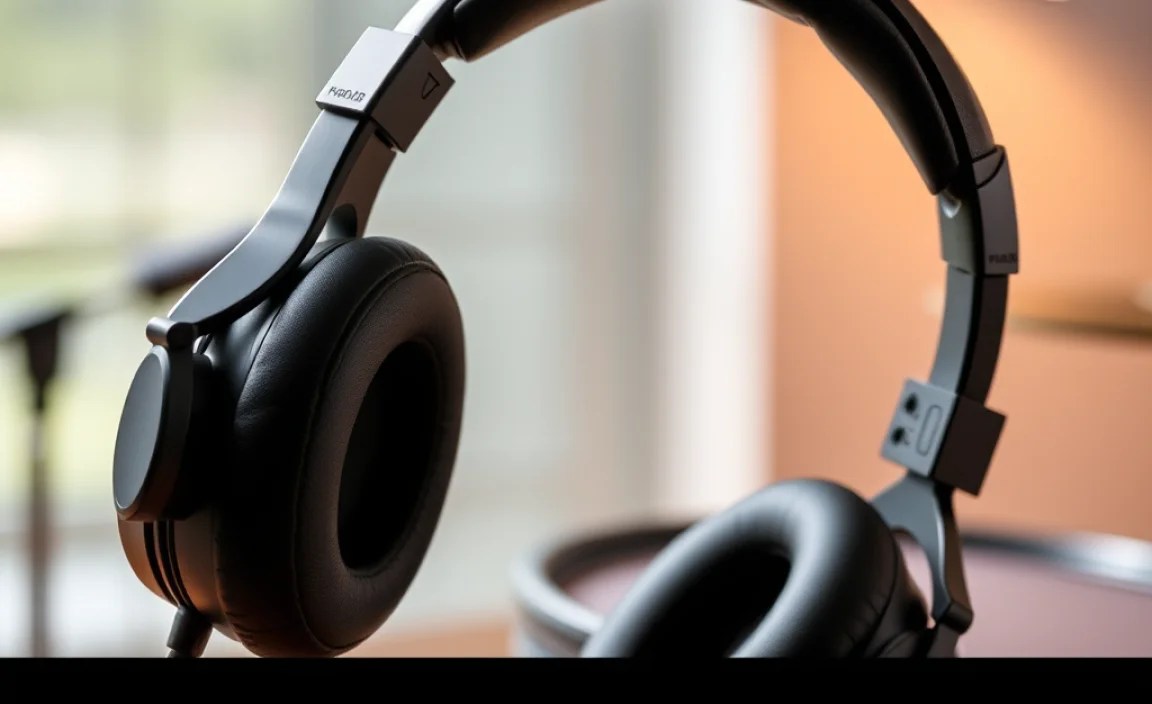
Playing the drums is a physically demanding and aurally intense activity. The sound pressure levels (SPL) generated by a drum kit can reach dangerous levels very quickly. Prolonged exposure to these high decibels can lead to permanent hearing damage, such as tinnitus (ringing in the ears) or even hearing loss. Noise cancelling headphones offer a vital layer of protection.
Beyond just protection, they offer significant benefits for practice and performance:
- Hearing Protection: The most critical reason. They significantly reduce the volume of your drums reaching your ears.
- Improved Practice Focus: By cutting out ambient noise and the overwhelming volume of your own kit, you can focus better on your playing, timing, and dynamics.
- Clearer Monitoring: When practicing with pre-recorded tracks or with a band, noise cancelling headphones help you hear the mix clearly without having to crank the volume to unsafe levels.
- Reduced Fatigue: Constantly trying to overcome loud drum noise physically fatigues your ears and can make practice sessions shorter and less productive.
According to the National Institute on Deafness and Other Communication Disorders (NIDCD), prolonged exposure to sounds at or above 85 decibels can cause hearing loss. A drum kit can easily produce sounds exceeding 100-120 decibels at close range. This fact alone highlights the necessity of effective hearing protection.
Understanding Noise Cancelling Technology

Before we get into headphone specifics, let’s quickly demystify noise cancelling. There are two main types:
Passive Noise Cancellation
This is essentially soundproofing. Think of it like wearing earplugs or having thick walls. The headphone’s physical design – its earcups, sealing, and materials – physically blocks outside sound waves from reaching your ears. It’s all about creating a seal.
Active Noise Cancellation (ANC)
This is where the technology gets clever. ANC headphones have tiny microphones that listen to the ambient sound around you. They then generate an inverse sound wave – think of it as an “anti-noise” – which is played through the headphone speakers. This “anti-noise” effectively cancels out the incoming ambient sound before it reaches your ears. It’s particularly good at cancelling out constant, low-frequency noises like traffic hum, airplane engines, and, yes, the persistent rumble of a drum kit.
For drummers, a combination of both passive and active noise cancellation is often the most effective. Good passive isolation from well-fitting earcups is the first line of defense, and ANC helps further reduce the overwhelming drum noise.
Key Features to Look for in Noise Cancelling Headphones for Drummers

Not all noise cancelling headphones are created equal, especially when you subject them to the rigors of drumming. Here’s what Edward Cavitt recommends keeping an eye out for:
1. Robust Build Quality and Durability
Drumming is energetic! Your headphones need to withstand sweat, movement, and the occasional bump. Look for headphones with sturdy construction, a strong headband, and durable earcup materials. Metal components are a good sign of longevity.
2. Effective Noise Cancellation (Both Passive and Active)
As discussed, a good seal (passive) is non-negotiable. For active noise cancellation, you want headphones that are excellent at cancelling lower frequencies, as these are prominent in drum kit resonance. Also, consider headphones that allow you to adjust the level of ANC, or even turn it off when not needed.
3. Comfortable Fit and Secure Seal
You’ll be wearing these for extended practice sessions. Comfortable, plush earcups that fit snugly around your ears without creating pressure points are essential. A secure fit also ensures a better passive seal against external noise.
4. Sound Quality and Frequency Response
While protection is paramount, you still want to hear your practice tracks or bandmates clearly. Look for headphones with a relatively flat or balanced frequency response. This means they reproduce sound accurately across the spectrum, without artificially boosting bass or treble. This is crucial for mixing and monitoring.
5. Wired Connectivity for Reliability
For critical practice, recording, or live situations, a wired connection is generally more reliable than wireless. You don’t want to worry about battery life, Bluetooth dropouts, or latency (the slight delay between playing and hearing the sound). Most professional drummers opt for wired headphones for their performance.
6. High SPL Handling (for protection)
While ANC helps, the headphones themselves should be able to handle high sound pressure levels without distortion. This is more about the driver’s capability than the ANC itself, but it’s a factor in accurate, safe monitoring.
7. Replaceable Parts
Ear pads are wear-and-tear items. The ability to easily replace ear pads and cables on your headphones can significantly extend their lifespan and maintain comfort and effectiveness.
Top Categories of Noise Cancelling Headphones for Drummers
When looking at noise cancelling headphones for drumming, you’ll generally find a few categories that suit the needs of musicians:
1. Studio/Professional Monitoring Headphones with ANC
These are often a drummer’s first choice. They are designed for accurate sound reproduction and durability. Adding ANC to these models provides the best of both worlds: excellent sound isolation, clear audio monitoring, and hearing protection.
- Pros: Exceptional sound quality, built for long wear, robust, often designed for high SPLs, effective isolation.
- Cons: Can be more expensive, ANC might be a secondary feature on some models rather than the primary focus.
2. High-End Consumer ANC Headphones
While initially designed for travelers and commuters, some higher-end consumer ANC headphones offer surprisingly good sound reproduction and sufficient passive isolation. Their ANC technology is often top-tier.
- Pros: Excellent ANC capabilities, very comfortable, often have good battery life (if wireless is considered), widely available.
- Cons: Sound signature might be more “consumer-friendly” (boosted bass), not always built for the rigorous demands of drumming, latency if using wireless for monitoring.
3. In-Ear Monitors (IEMs) with ANC (Less Common but Emerging)
Some advanced IEMs are starting to incorporate ANC. While they offer excellent isolation due to their in-ear fit, the acoustic seal is critical, and they may not offer the same level of ambient noise cancellation as over-ear headphones for certain frequencies.
- Pros: Very portable, excellent passive isolation if fitted correctly, discreet.
- Cons: Fit can be very personal, less common for this specific application, ANC technology is still evolving in this space for drummers.
Recommended Features vs. Typical Use Cases
To help you narrow down your choices, let’s look at how features align with your drumming needs:
| Feature | Importance for Drummers | Explanation |
|---|---|---|
| Passive Isolation (Earcup Seal) | Essential | Forms the first barrier against loud drum sounds. A good seal prevents lower frequencies from easily entering. |
| Active Noise Cancellation (ANC) | High | Further reduces ambient noise, especially consistent low-frequency sounds from the kit. Protects hearing and aids focus. |
| Durability & Build Quality | Essential | Headphones must withstand sweat, movement, and potential impacts. Look for robust materials. |
| Comfort | Essential | For long practice sessions, comfortable earcups and headband are crucial to avoid distraction and fatigue. |
| Wired Connection | Highly Recommended | Ensures zero latency and reliable audio playback, critical for timing and monitoring. |
| Flat/Balanced Sound Profile | High | Allows for accurate monitoring of your playing and other instruments in the mix. Avoids coloration. |
| Replaceable Parts (Pads, Cable) | Recommended | Extends the headphone’s lifespan and maintains performance and hygiene. |
Step-by-Step Guide: Choosing and Using Your Headphones
Ready to find the perfect pair? Here’s a practical guide:
Step 1: Assess Your Primary Needs
What’s your main goal? Is it:
- Hearing Protection Above All Else? Focus on models with high passive isolation and strong ANC.
- Accurate Practice Monitoring (with Tracks)? Prioritize balanced sound quality and a reliable wired connection.
- Both Equally? Look for professional studio headphones that incorporate excellent ANC technology.
Step 2: Research Specific Models
Once you know your priorities, start looking at reputable brands known for both audio quality and durability. Some brands to consider (though not exhaustive and recommendations can change):
- Sennheiser: Known for professional audio, some models offer ANC.
- Bose: Industry leaders in ANC, but double-check their sound profile for monitoring.
- Sony: Excellent ANC technology and sound quality across their range.
- Audio-Technica: A staple in the studio world, some models now include ANC.
- Beyerdynamic: Highly durable and respected studio cans, check for ANC variants.
Read reviews specifically from musicians or drummers if possible. Look for discussions on SPL handling and latency.
Step 3: Prioritize the Fit and Comfort Test
If possible, try headphones on before buying. Wear them for at least 15-20 minutes. Do they pinch? Do the earcups get hot? Does your head feel strained? A good fit is subjective, and this step is crucial for long-term satisfaction.
Step 4: Consider Wired vs. Wireless
For drummers, the recommendation is almost always wired for performance and practice where timing is critical. However, if you’re practicing with Bluetooth backing tracks at a very casual level and latency isn’t a deal-breaker, wireless might be an option for convenience. Still, wired is the professional standard for a reason.
A simple analogy: imagine a chef needing to chop vegetables quickly and accurately. They need sharp knives (good sound reproduction) and a stable cutting board (low latency/wired connection). Trying to do it with a dull butter knife and a wobbly board defeats the purpose, no matter how fancy the knife handles are (ANC features alone).
Step 5: Understand the Decibel Reduction
This is where things get a bit technical, but it’s important. Headphones will state their Noise Reduction Rating (NRR) or equivalent. Reputable sources often recommend musicians aim for products that can reduce sound by at least 20-30 decibels.
The American Speech-Language-Hearing Association (ASHA) provides excellent resources on noise-induced hearing loss and the importance of dB reduction.
Example: If your drums are producing 110 dB of sound, and your headphones offer 30 dB of reduction, the sound reaching your ears is effectively around 80 dB. This brings it into a much safer listening zone, though continuous exposure at 80 dB still requires caution.
Step 6: Actual Use and Adjustment
Once you have your headphones:
- Wear them correctly: Ensure the earcups create a good seal around your ears.
- Adjust ANC settings: Experiment with different ANC levels to find what works best for your environment. Some headphones have adaptive ANC that adjusts automatically.
- Monitor levels carefully: Even with ANC, continuously playing music or backing tracks at maximum volume can still be damaging. Start at a low volume and increase only as much as needed to hear clearly.
- Take breaks: Permanent hearing damage can occur even below 85 dB if exposure is for an extended period.
Maintenance Tips for Your Drumming Headphones
To keep your essential gear in top shape:
- Clean ear pads regularly: Sweat and oils can break down materials and affect the seal. Use a damp cloth (not too wet!) with mild soap or specialized headphone cleaner.
- Store them properly: Use a case or protect them when not in use. Avoid leaving them where they can get tangled, crushed, or exposed to extreme temperatures.
- Check cables for damage: Fraying or kinks in the cable can lead to intermittent sound or complete failure. Replace damaged cables promptly.
- Be mindful of moisture: While many headphones are robust, excessive sweat can damage electronics. Wipe them down after sweaty sessions.
Potential Pitfalls to Avoid
As you navigate your headphone journey, keep these common traps in mind:
- Relying solely on ANC: Good passive isolation is fundamental. ANC is an enhancement, not a complete replacement for a good seal.
- Ignoring Latencty: For drummers, what you hear needs to be almost instantaneous with what you play. Wired connections are key here.
- Purchasing “Gaming” Headphones: While some gaming headphones have ANC and good sound, they are often tuned for a different sound experience (e.g., bass-heavy for explosions) and may lack the durability for drumming.
- Exceeding Safe Listening Levels: Even with the best ANC, if you crank the volume on your music or click track to deafening levels, you’re still risking hearing damage.
- Not Replacing Worn Parts: Old, flattened ear pads won’t seal well and will offer less passive isolation.
Frequently Asked Questions (FAQ)
Q1: What is the most important factor for noise cancelling headphones for drummers?
The most important factor is effective hearing protection, achieved through a combination of excellent passive noise isolation (a good seal from the earcups) and active noise cancellation (ANC) that significantly reduces the high decibel levels produced by a drum kit.
Q2: Can I just use regular noise cancelling headphones designed for travel?
While some high-end travel headphones have excellent ANC, they might lack the necessary durability, the robust build, and the critically flat sound profile needed for accurate monitoring in a drumming environment. Professional studio headphones with added ANC are generally a better fit.
Q3: Do I really need ANC, or is good passive isolation enough?
Passive isolation is absolutely crucial and should be your first consideration. However, ANC provides an additional, significant layer of protection and clarity by actively cancelling out consistent bothersome frequencies. For drummers, both are highly beneficial, with ANC offering a substantial upgrade.
Q4: Are wireless noise cancelling headphones suitable for drumming?
Generally, no. Wireless headphones often introduce latency (an audible delay between playing and hearing), which is detrimental to timing. For practicing, recording, or performing, wired headphones are strongly recommended to ensure an immediate and precise audio signal.
Q5: How loud can drumming get, and how much protection do I need?
Drum kits can easily exceed 100-120 decibels (dB) at the drummer’s position. Prolonged exposure to sounds above 85 dB can cause permanent hearing damage. The goal is to reduce the sound reaching your ears to safer levels, ideally below 85 dB, using a combination of passive isolation and ANC. Aiming for headphones with a Noise Reduction Rating (NRR) of 20-30 dB is a good target.
Q6: What kind of sound profile is best (e.g., bass-heavy vs. flat)?
For drummers, a flat or balanced sound profile is generally preferred. This ensures that you hear your drums, your click track, and any other instruments in the mix as accurately as possible. Bass-heavy headphones can mask important nuances and make it harder to judge subtle changes in your playing or the overall band mix.
